Reimagining Modernism: Nicholas Potts Studio and Studio Armando Aguirre Unite Two Rockefeller Apartments into a Singular Bauhaus-Inspired Haven
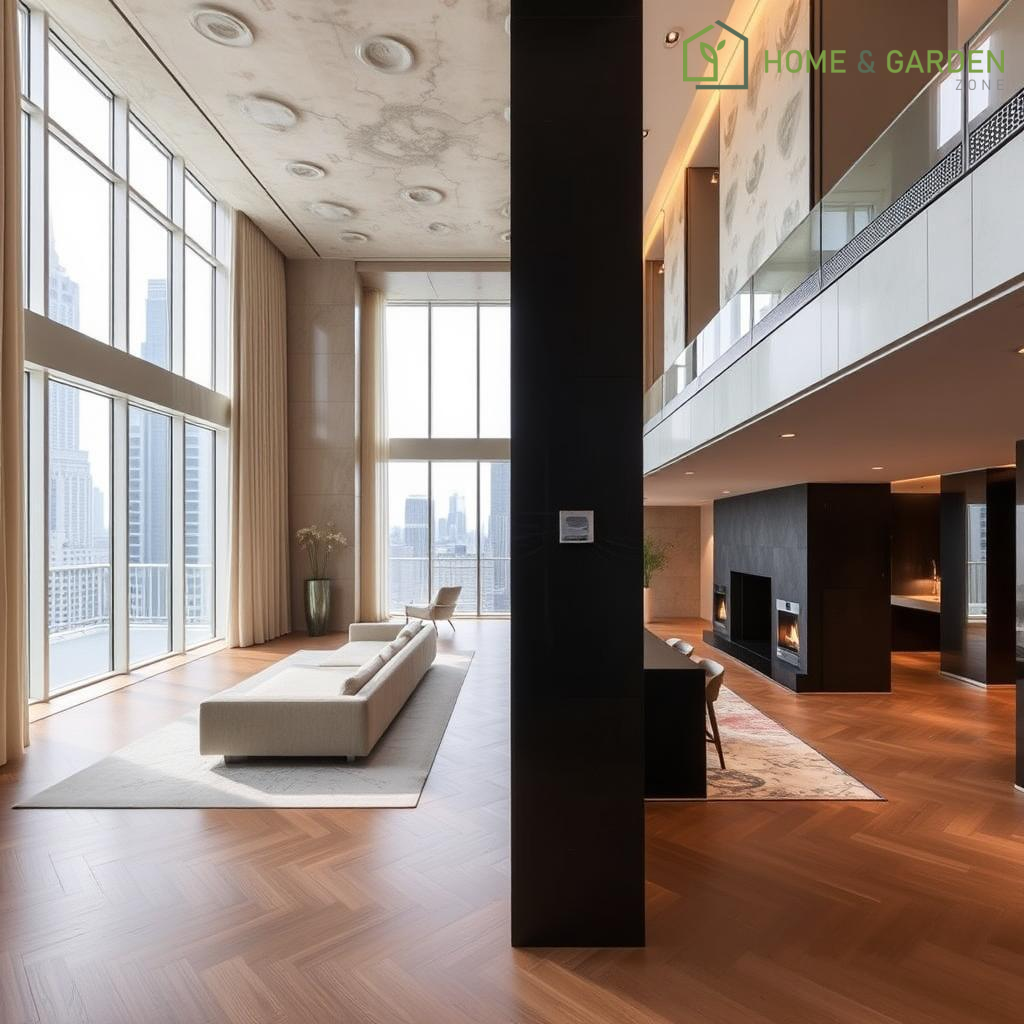
A Harmonious Unification within a Modernist Icon
The Rockefeller Apartments, an enduring symbol of International Style architecture from 1936, recently bore witness to a transformative project that saw two distinct units seamlessly meld into one expansive residence. This ambitious endeavor, spearheaded by the collaborative genius of Nicholas Potts Studio and Studio Armando Aguirre, sought not merely to combine spaces but to restore a sense of spatial generosity that resonates with the building's inherent architectural language and the timeless principles of the Bauhaus movement.
The Vision: Restoring Spatial Grandeur
At the heart of this renovation lay a clear objective: to re-establish the inherent openness and elegant flow characteristic of modernist design. Nicholas Potts and Armando Aguirre approached the project with a deep respect for the building’s original DNA, opting for an interior scheme that feels both contemporary and deeply rooted in its historical context. Their shared vision centered on crafting layered interiors that would unfold gracefully, inviting occupants to experience a living environment rich in texture, light, and sophisticated detail.
Bauhaus Echoes and Curated Living
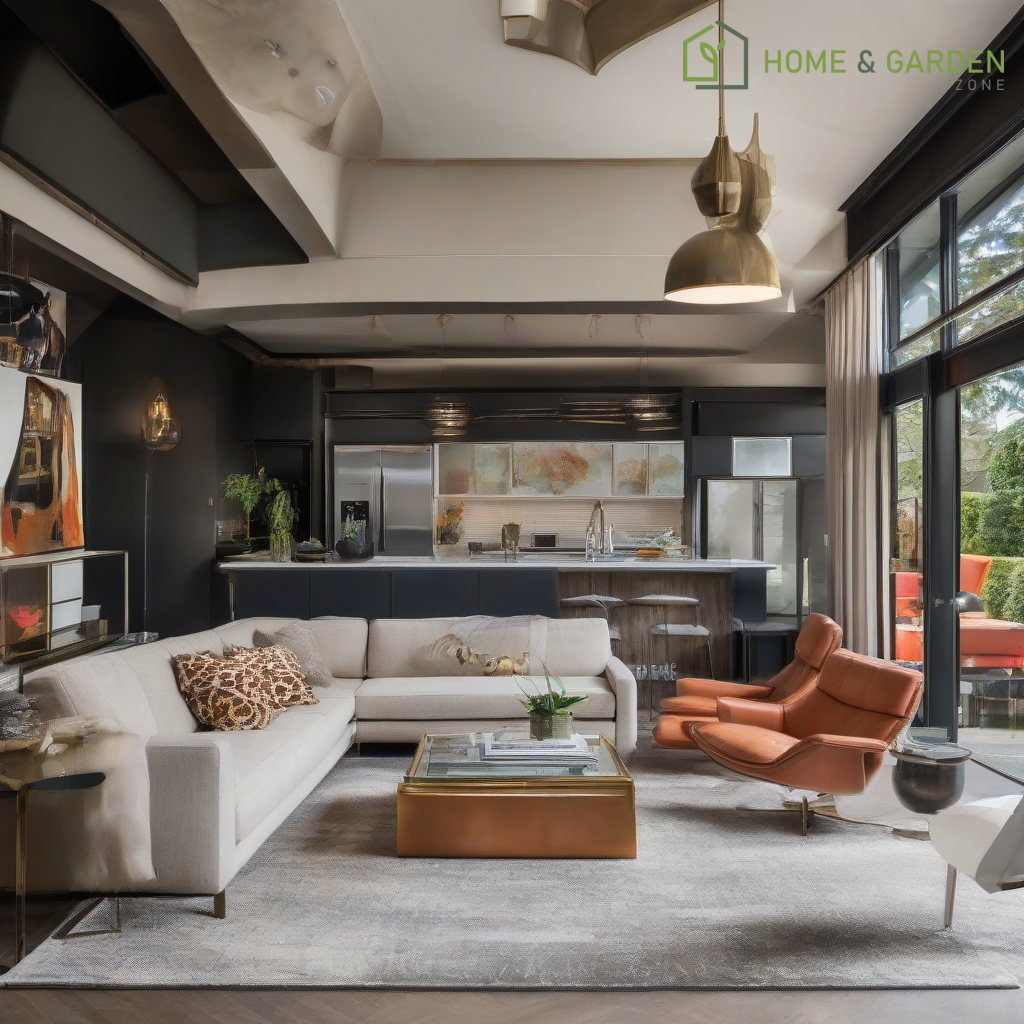
The influence of Bauhaus is palpable throughout the redesigned apartment. Clean lines, a commitment to functionality, and a thoughtful interplay of materials define the aesthetic. The designers meticulously selected a palette of warm woods, subtle plaster finishes, and understated metal accents that complement the building's modernist foundations. This careful material selection provides a serene backdrop for a highly curated collection of vintage furnishings and custom-designed pieces. Each item, from mid-century modern classics to bespoke joinery, was chosen to enhance the spatial narrative, adding character and warmth without detracting from the overall sense of calm and clarity.
Preserving Architectural Integrity
Beyond aesthetics, the project stands as a testament to preserving and enhancing architectural integrity. The design team ensured that structural interventions served to unlock the full potential of the combined units, creating vistas and connections that were previously absent. The result is a fluid living experience where distinct areas for living, dining, and relaxation are delineated not by walls, but by subtle shifts in furniture arrangement, lighting, and materiality. This approach not only maximizes natural light but also fosters a continuous dialogue between the interior spaces and the iconic New York City urban landscape visible through the large windows.
Summary
The successful unification of two apartments within the Rockefeller Apartments by Nicholas Potts Studio and Studio Armando Aguirre represents a masterclass in sensitive modernist restoration. By honoring the building's architectural heritage, embracing Bauhaus principles, and employing a sophisticated approach to materials and furnishings, the studios have created a home that is at once expansive, elegant, and profoundly rooted in its unique history. It is a compelling example of how thoughtful design can breathe new life into landmark properties, creating spaces that are both functionally brilliant and aesthetically timeless.
Resources
- Architectural Digest: 'Nicholas Potts Studio and Studio Armando Aguirre Create a Thoughtful NYC Pied-à-Terre'
- Yellowtrace: 'Rockefeller Apartment by Nicholas Potts Studio and Studio Armando Aguirre'
- The Museum of Modern Art (MoMA): Information on the Rockefeller Apartments' architectural significance.
Details
Author



Latest articles

 }})
You can now watch HBO Max for $10
A Harmonious Unification within a Modernist Icon
The Rockefeller Apartments, an enduring symbol of International Style architecture from 1936, recently bore witness to a transformative project that saw two distinct units seamlessly meld into one expansive residence. This ambitious endeavor, spearheaded by the collaborative genius of Nicholas Potts Studio and Studio Armando Aguirre, sought not merely to combine spaces but to restore a sense of spatial generosity that resonates with the building's inherent architectural language and the timeless principles of the Bauhaus movement.
The Vision: Restoring Spatial Grandeur
At the heart of this renovation lay a clear objective: to re-establish the inherent openness and elegant flow characteristic of modernist design. Nicholas Potts and Armando Aguirre approached the project with a deep respect for the building’s original DNA, opting for an interior scheme that feels both contemporary and deeply rooted in its historical context. Their shared vision centered on crafting layered interiors that would unfold gracefully, inviting occupants to experience a living environment rich in texture, light, and sophisticated detail.
Bauhaus Echoes and Curated Living
The influence of Bauhaus is palpable throughout the redesigned apartment. Clean lines, a commitment to functionality, and a thoughtful interplay of materials define the aesthetic. The designers meticulously selected a palette of warm woods, subtle plaster finishes, and understated metal accents that complement the building's modernist foundations. This careful material selection provides a serene backdrop for a highly curated collection of vintage furnishings and custom-designed pieces. Each item, from mid-century modern classics to bespoke joinery, was chosen to enhance the spatial narrative, adding character and warmth without detracting from the overall sense of calm and clarity.
Preserving Architectural Integrity
Beyond aesthetics, the project stands as a testament to preserving and enhancing architectural integrity. The design team ensured that structural interventions served to unlock the full potential of the combined units, creating vistas and connections that were previously absent. The result is a fluid living experience where distinct areas for living, dining, and relaxation are delineated not by walls, but by subtle shifts in furniture arrangement, lighting, and materiality. This approach not only maximizes natural light but also fosters a continuous dialogue between the interior spaces and the iconic New York City urban landscape visible through the large windows.
Summary
The successful unification of two apartments within the Rockefeller Apartments by Nicholas Potts Studio and Studio Armando Aguirre represents a masterclass in sensitive modernist restoration. By honoring the building's architectural heritage, embracing Bauhaus principles, and employing a sophisticated approach to materials and furnishings, the studios have created a home that is at once expansive, elegant, and profoundly rooted in its unique history. It is a compelling example of how thoughtful design can breathe new life into landmark properties, creating spaces that are both functionally brilliant and aesthetically timeless.
Resources
- Architectural Digest: 'Nicholas Potts Studio and Studio Armando Aguirre Create a Thoughtful NYC Pied-à-Terre'
- Yellowtrace: 'Rockefeller Apartment by Nicholas Potts Studio and Studio Armando Aguirre'
- The Museum of Modern Art (MoMA): Information on the Rockefeller Apartments' architectural significance.
Latest articles
You can now watch HBO Max for $10
Similar posts
This is a page that only logged-in people can visit. Don't you feel special? Try clicking on a button below to do some things you can't do when you're logged out.
Example modal
At your leisure, please peruse this excerpt from a whale of a tale.
Chapter 1: Loomings.
Call me Ishmael. Some years ago—never mind how long precisely—having little or no money in my purse, and nothing particular to interest me on shore, I thought I would sail about a little and see the watery part of the world. It is a way I have of driving off the spleen and regulating the circulation. Whenever I find myself growing grim about the mouth; whenever it is a damp, drizzly November in my soul; whenever I find myself involuntarily pausing before coffin warehouses, and bringing up the rear of every funeral I meet; and especially whenever my hypos get such an upper hand of me, that it requires a strong moral principle to prevent me from deliberately stepping into the street, and methodically knocking people's hats off—then, I account it high time to get to sea as soon as I can. This is my substitute for pistol and ball. With a philosophical flourish Cato throws himself upon his sword; I quietly take to the ship. There is nothing surprising in this. If they but knew it, almost all men in their degree, some time or other, cherish very nearly the same feelings towards the ocean with me.
Comment