Guardians of Heritage: Traditional Emirati Craft Elevates Al Maktoum Archives’ Interiors in Dubai
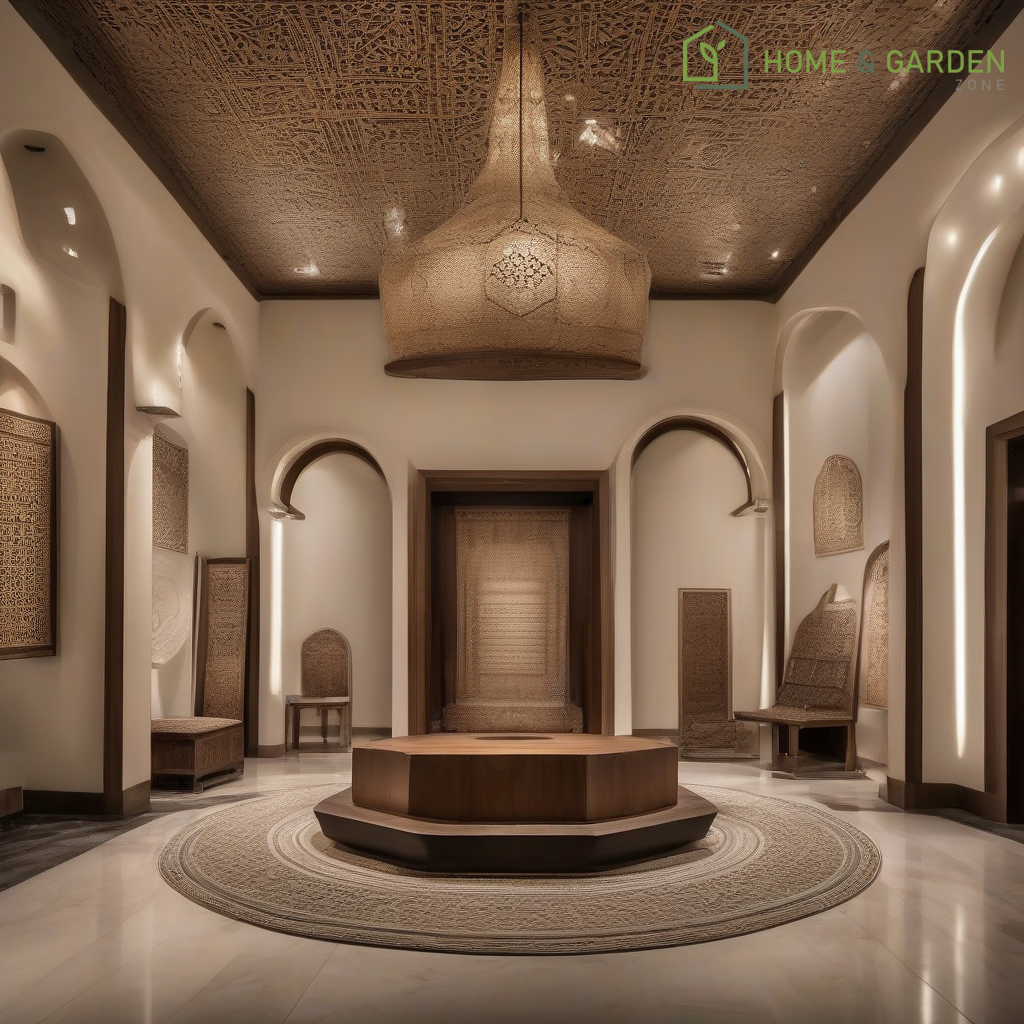
A Sanctuary of Emirati Heritage
In the bustling metropolis of Dubai, the Al Maktoum Archives stand as a testament to the emirate's commitment to preserving its rich history and cultural identity. Far from being a mere repository of documents, this institution has been meticulously designed to embody the very heritage it safeguards, with traditional Emirati patterns and craftsmanship extending seamlessly from its precious collections into its contemporary working environments.
The architectural vision for the Al Maktoum Archives transcends conventional design, forging a profound connection between the past and present. The interiors are not simply adorned with historical motifs; rather, they are crafted to create an immersive experience that reflects the intricate beauty and enduring spirit of Emirati traditions. This thoughtful integration ensures that the cultural narrative is woven into the very fabric of the building, providing an inspiring backdrop for both scholars and staff.
Echoes of Tradition in Modern Spaces
The design strategy employed within the archives draws deeply from a lexicon of traditional Emirati crafts and patterns. Geometric motifs, a cornerstone of Islamic art, are prominently featured, subtly integrated into wall treatments, floor patterns, and bespoke furniture. These intricate designs, often derived from historical textiles such as sadu weaving or the ornate patterns found in ancient architecture, serve to ground the modern facility in its historical context.
Beyond two-dimensional patterns, tangible elements of Emirati craftsmanship are evident throughout. Fine joinery in timber, reminiscent of traditional boat-building or intricate domestic screens, imbues spaces with warmth and authenticity. The choice of natural materials – locally sourced stone, textured plasters, and rich woods – further enhances this connection, speaking to a heritage of skilled artisanship and a deep respect for natural resources. These elements are not merely decorative; they serve a functional purpose, guiding flow, defining zones, and enhancing the overall user experience.
The thoughtful application of these traditional references ensures that the archive's working environment is not detached from its purpose. Instead, the design actively reinforces the institution's mission: to celebrate and perpetuate Emirati culture. Whether in research rooms, administrative offices, or public exhibition areas, the presence of these indigenous design elements fosters an atmosphere of reverence for heritage, inspiring those who interact with the collections to understand their profound significance.
Summary
The Al Maktoum Archives in Dubai exemplify a masterful integration of traditional Emirati patterns and craft into a modern institutional setting. By extending cultural references beyond mere display into the functional fabric of the building, the design creates an environment that is both visually stunning and deeply meaningful. It stands as a powerful demonstration of how contemporary architecture can honour and perpetuate a nation's heritage, ensuring that the stories of the past continue to resonate within the spaces of the present and future.
Resources
- Designboom | Architecture & Design Magazine
- ArchDaily
- Dubai Culture & Arts Authority
Details
Author




Latest articles



 }})
You can now watch HBO Max for $10
A Sanctuary of Emirati Heritage
In the bustling metropolis of Dubai, the Al Maktoum Archives stand as a testament to the emirate's commitment to preserving its rich history and cultural identity. Far from being a mere repository of documents, this institution has been meticulously designed to embody the very heritage it safeguards, with traditional Emirati patterns and craftsmanship extending seamlessly from its precious collections into its contemporary working environments.
The architectural vision for the Al Maktoum Archives transcends conventional design, forging a profound connection between the past and present. The interiors are not simply adorned with historical motifs; rather, they are crafted to create an immersive experience that reflects the intricate beauty and enduring spirit of Emirati traditions. This thoughtful integration ensures that the cultural narrative is woven into the very fabric of the building, providing an inspiring backdrop for both scholars and staff.
Echoes of Tradition in Modern Spaces
The design strategy employed within the archives draws deeply from a lexicon of traditional Emirati crafts and patterns. Geometric motifs, a cornerstone of Islamic art, are prominently featured, subtly integrated into wall treatments, floor patterns, and bespoke furniture. These intricate designs, often derived from historical textiles such as sadu weaving or the ornate patterns found in ancient architecture, serve to ground the modern facility in its historical context.
Beyond two-dimensional patterns, tangible elements of Emirati craftsmanship are evident throughout. Fine joinery in timber, reminiscent of traditional boat-building or intricate domestic screens, imbues spaces with warmth and authenticity. The choice of natural materials – locally sourced stone, textured plasters, and rich woods – further enhances this connection, speaking to a heritage of skilled artisanship and a deep respect for natural resources. These elements are not merely decorative; they serve a functional purpose, guiding flow, defining zones, and enhancing the overall user experience.
The thoughtful application of these traditional references ensures that the archive's working environment is not detached from its purpose. Instead, the design actively reinforces the institution's mission: to celebrate and perpetuate Emirati culture. Whether in research rooms, administrative offices, or public exhibition areas, the presence of these indigenous design elements fosters an atmosphere of reverence for heritage, inspiring those who interact with the collections to understand their profound significance.
Summary
The Al Maktoum Archives in Dubai exemplify a masterful integration of traditional Emirati patterns and craft into a modern institutional setting. By extending cultural references beyond mere display into the functional fabric of the building, the design creates an environment that is both visually stunning and deeply meaningful. It stands as a powerful demonstration of how contemporary architecture can honour and perpetuate a nation's heritage, ensuring that the stories of the past continue to resonate within the spaces of the present and future.
Resources
- Designboom | Architecture & Design Magazine
- ArchDaily
- Dubai Culture & Arts Authority
Latest articles
You can now watch HBO Max for $10
Similar posts


This is a page that only logged-in people can visit. Don't you feel special? Try clicking on a button below to do some things you can't do when you're logged out.
Example modal
At your leisure, please peruse this excerpt from a whale of a tale.
Chapter 1: Loomings.
Call me Ishmael. Some years ago—never mind how long precisely—having little or no money in my purse, and nothing particular to interest me on shore, I thought I would sail about a little and see the watery part of the world. It is a way I have of driving off the spleen and regulating the circulation. Whenever I find myself growing grim about the mouth; whenever it is a damp, drizzly November in my soul; whenever I find myself involuntarily pausing before coffin warehouses, and bringing up the rear of every funeral I meet; and especially whenever my hypos get such an upper hand of me, that it requires a strong moral principle to prevent me from deliberately stepping into the street, and methodically knocking people's hats off—then, I account it high time to get to sea as soon as I can. This is my substitute for pistol and ball. With a philosophical flourish Cato throws himself upon his sword; I quietly take to the ship. There is nothing surprising in this. If they but knew it, almost all men in their degree, some time or other, cherish very nearly the same feelings towards the ocean with me.
Comment