The Eames Houses: Unpacking a Decade of Residential Innovation That Defined Modern Design
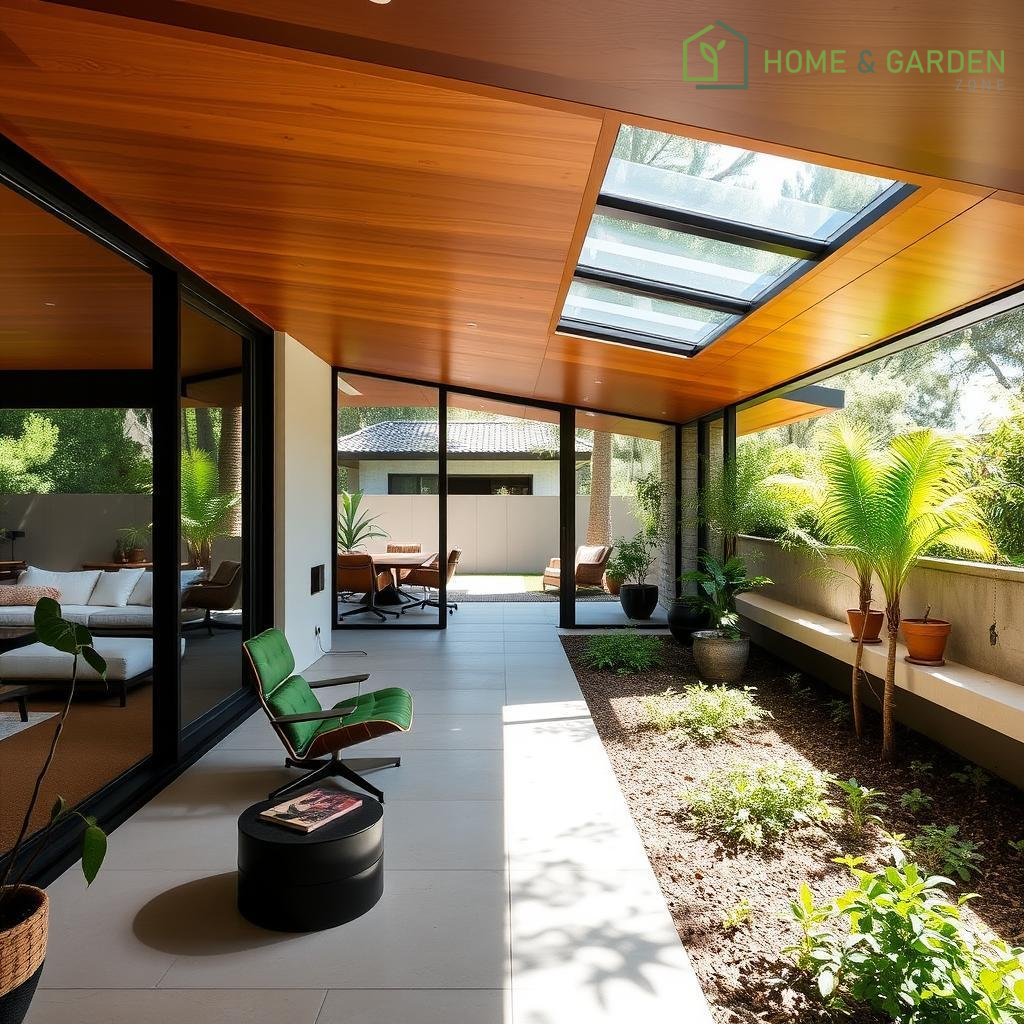
Introduction: The Eames Legacy in Residential Architecture
The profound influence of Charles and Ray Eames extends far beyond their iconic furniture and multimedia presentations. Their residential architectural endeavors, particularly those undertaken between 1945 and 1954, served as a crucial proving ground for ideas that would fundamentally redefine modern living. This pivotal decade, meticulously explored in ‘The Eames Houses’, reveals an unyielding pursuit of innovation, functionality, and aesthetic integrity in home design.
The Post-War Imperative: Innovation from 1945-1954
The aftermath of World War II presented a unique societal and architectural challenge: a pressing need for efficient, affordable, and adaptable housing solutions. Charles and Ray Eames responded to this imperative with a visionary approach, championing the utilization of industrial materials and construction techniques, thereby signaling a significant departure from conventional building practices. Their residential projects from this period were not merely structures; they were architectural manifestos on how thoughtful design could meet contemporary demands and elevate everyday life.
Case Study House #8: The Eames House Paradigm
The most celebrated realization of their residential philosophy from this era is undoubtedly Case Study House #8, their personal residence and studio in Pacific Palisades, California, completed in 1949. Constructed primarily from readily available prefabricated industrial components—such as steel frames, standard windows, and off-the-shelf panels—it represented a radical departure from traditional home building. The Eames House exemplified their core beliefs in the honest expression of materials, the flexibility of interior spaces, and a seamless, almost poetic integration with the natural landscape. It stood as a powerful testament that modernism could be both technologically advanced and profoundly livable, radiating a vibrant, humanistic warmth.
Beyond Their Own Home: Broader Residential Explorations
While Case Study House #8 remains their most renowned completed residential project within this timeframe, the Eameses’ work from 1945 to 1954 encompassed a broader spectrum of residential experimentation. This included their significant involvement and influence in the wider Case Study House Program, an initiative by Arts & Architecture magazine aimed at developing prototypes for modern, affordable housing. Their consistent advocacy for modularity, construction efficiency, and a thoughtful engagement with site and context not only shaped subsequent Case Study projects but also profoundly impacted the broader architectural discourse surrounding residential development in the mid-20th century.
Defining Principles: Industrial Aesthetic Meets Human Comfort
At the heart of their residential designs was a masterly synthesis of industrial pragmatism and a deep understanding of human experience. Charles and Ray Eames meticulously considered how inhabitants would live, work, and interact within these spaces. Through a keen eye for light, color, texture, and the deliberate curation of objects, they transformed potentially austere industrial frameworks into inviting, rich, and deeply personal environments. This period unequivocally solidified their reputation for creating design that was simultaneously functional, aesthetically compelling, and deeply resonant with the human spirit.
A Lasting Blueprint for Modern Living
The residential endeavors of Charles and Ray Eames from 1945 to 1954 laid foundational principles for what would emerge as mid-century modernism. Their unwavering commitment to innovation, resourceful material application, and a user-centric approach to design continues to inspire and inform architects and designers globally. ‘The Eames Houses’ serves as an essential and illuminating exploration into a decade where two visionary minds redefined the very essence of home, proving that truly great design can be accessible, elegantly conceived, and enduringly impactful.
Resources
- Eames Foundation: www.eamesfoundation.org
- Library of Congress: Prints & Photographs Division, Charles and Ray Eames Collection (Archival Material)
- Dwell Magazine: (Various articles on Mid-Century Modern architecture and the Eames House)
Details
Author

Latest articles


 }})
You can now watch HBO Max for $10
Introduction: The Eames Legacy in Residential Architecture
The profound influence of Charles and Ray Eames extends far beyond their iconic furniture and multimedia presentations. Their residential architectural endeavors, particularly those undertaken between 1945 and 1954, served as a crucial proving ground for ideas that would fundamentally redefine modern living. This pivotal decade, meticulously explored in ‘The Eames Houses’, reveals an unyielding pursuit of innovation, functionality, and aesthetic integrity in home design.
The Post-War Imperative: Innovation from 1945-1954
The aftermath of World War II presented a unique societal and architectural challenge: a pressing need for efficient, affordable, and adaptable housing solutions. Charles and Ray Eames responded to this imperative with a visionary approach, championing the utilization of industrial materials and construction techniques, thereby signaling a significant departure from conventional building practices. Their residential projects from this period were not merely structures; they were architectural manifestos on how thoughtful design could meet contemporary demands and elevate everyday life.
Case Study House #8: The Eames House Paradigm
The most celebrated realization of their residential philosophy from this era is undoubtedly Case Study House #8, their personal residence and studio in Pacific Palisades, California, completed in 1949. Constructed primarily from readily available prefabricated industrial components—such as steel frames, standard windows, and off-the-shelf panels—it represented a radical departure from traditional home building. The Eames House exemplified their core beliefs in the honest expression of materials, the flexibility of interior spaces, and a seamless, almost poetic integration with the natural landscape. It stood as a powerful testament that modernism could be both technologically advanced and profoundly livable, radiating a vibrant, humanistic warmth.
Beyond Their Own Home: Broader Residential Explorations
While Case Study House #8 remains their most renowned completed residential project within this timeframe, the Eameses’ work from 1945 to 1954 encompassed a broader spectrum of residential experimentation. This included their significant involvement and influence in the wider Case Study House Program, an initiative by Arts & Architecture magazine aimed at developing prototypes for modern, affordable housing. Their consistent advocacy for modularity, construction efficiency, and a thoughtful engagement with site and context not only shaped subsequent Case Study projects but also profoundly impacted the broader architectural discourse surrounding residential development in the mid-20th century.
Defining Principles: Industrial Aesthetic Meets Human Comfort
At the heart of their residential designs was a masterly synthesis of industrial pragmatism and a deep understanding of human experience. Charles and Ray Eames meticulously considered how inhabitants would live, work, and interact within these spaces. Through a keen eye for light, color, texture, and the deliberate curation of objects, they transformed potentially austere industrial frameworks into inviting, rich, and deeply personal environments. This period unequivocally solidified their reputation for creating design that was simultaneously functional, aesthetically compelling, and deeply resonant with the human spirit.
A Lasting Blueprint for Modern Living
The residential endeavors of Charles and Ray Eames from 1945 to 1954 laid foundational principles for what would emerge as mid-century modernism. Their unwavering commitment to innovation, resourceful material application, and a user-centric approach to design continues to inspire and inform architects and designers globally. ‘The Eames Houses’ serves as an essential and illuminating exploration into a decade where two visionary minds redefined the very essence of home, proving that truly great design can be accessible, elegantly conceived, and enduringly impactful.
Resources
- Eames Foundation: www.eamesfoundation.org
- Library of Congress: Prints & Photographs Division, Charles and Ray Eames Collection (Archival Material)
- Dwell Magazine: (Various articles on Mid-Century Modern architecture and the Eames House)
Latest articles
You can now watch HBO Max for $10
Similar posts
This is a page that only logged-in people can visit. Don't you feel special? Try clicking on a button below to do some things you can't do when you're logged out.
Example modal
At your leisure, please peruse this excerpt from a whale of a tale.
Chapter 1: Loomings.
Call me Ishmael. Some years ago—never mind how long precisely—having little or no money in my purse, and nothing particular to interest me on shore, I thought I would sail about a little and see the watery part of the world. It is a way I have of driving off the spleen and regulating the circulation. Whenever I find myself growing grim about the mouth; whenever it is a damp, drizzly November in my soul; whenever I find myself involuntarily pausing before coffin warehouses, and bringing up the rear of every funeral I meet; and especially whenever my hypos get such an upper hand of me, that it requires a strong moral principle to prevent me from deliberately stepping into the street, and methodically knocking people's hats off—then, I account it high time to get to sea as soon as I can. This is my substitute for pistol and ball. With a philosophical flourish Cato throws himself upon his sword; I quietly take to the ship. There is nothing surprising in this. If they but knew it, almost all men in their degree, some time or other, cherish very nearly the same feelings towards the ocean with me.
Comment