Scientific Study Attributes Industrial-Era Miners' Chalet in Catalonia to Antoni Gaudí, Revealing New Facet of His Oeuvre
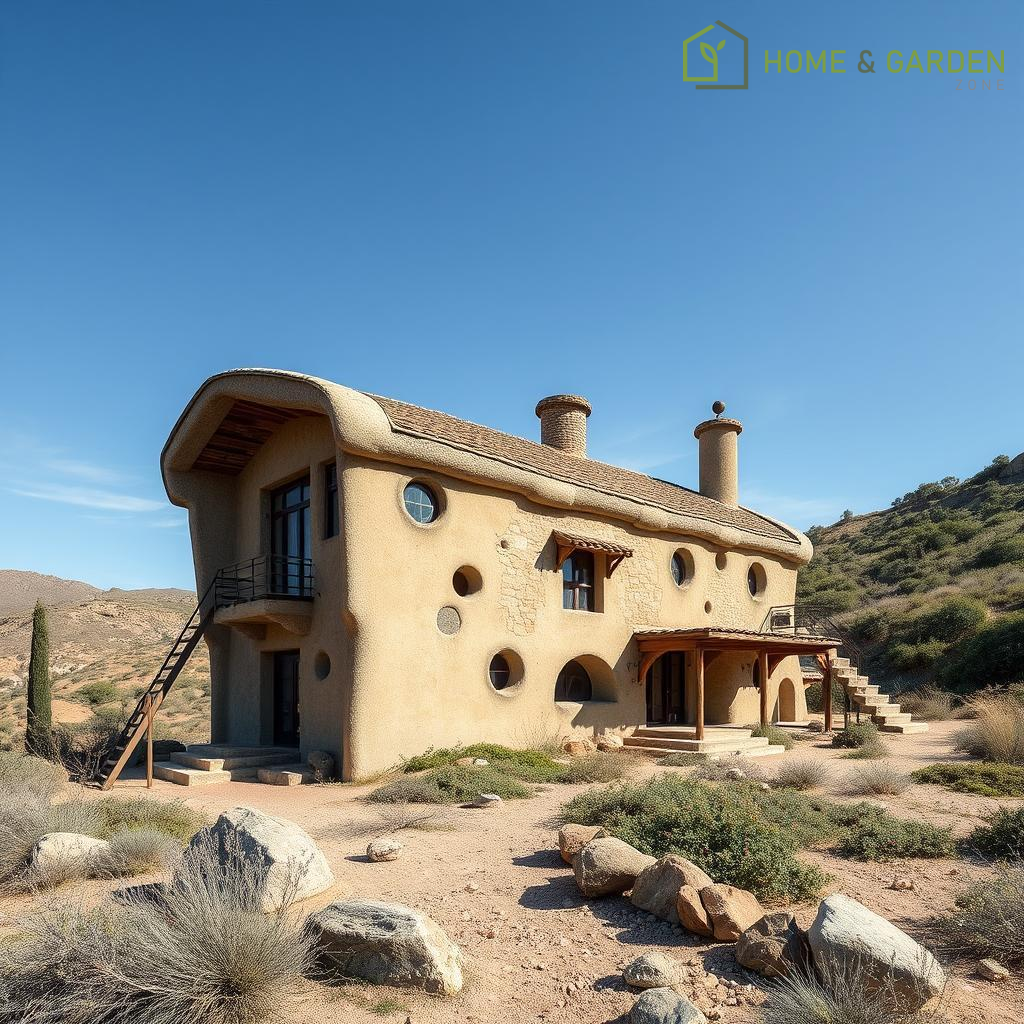
Unearthing Gaudí's Hidden Hand in Industrial Architecture
A groundbreaking scientific study has officially attributed the design of an industrial-era miners' chalet in Vallcarca, Catalonia, to the iconic modernist architect Antoni Gaudí. This revelation, led by researcher Galdric Santana Roma, expands our understanding of Gaudí's diverse architectural contributions, moving beyond his renowned religious and residential masterpieces to encompass the often-overlooked realm of industrial structures.
Methodological Rigor Confirms Authorship
The study, which meticulously analyzed the property known as the "Chalet of the Gallecs" (or "Chalet del Moro"), employed a multidisciplinary approach. Researchers delved into geometric, structural, and compositional characteristics of the building, comparing them against Gaudí's established architectural lexicon and construction methodologies. The findings present compelling evidence consistent with the master's unique design principles.
Key among the identified traits are Gaudí's distinctive use of hyperboloid geometry, evident in the building's chimneys and other elements. Structural analysis revealed innovative solutions and material applications characteristic of his early career, including a sophisticated interplay of brickwork and ceramic details. Compositionally, the chalet exhibits a harmonious integration with its natural surroundings, a hallmark of Gaudí's organic architecture, even within the constraints of an industrial brief.
Previously, the chalet's authorship remained largely undocumented or attributed to lesser-known architects. This scientific confirmation by Santana Roma and his team provides definitive proof, reinforcing the pervasive influence of Gaudí's genius even in structures not traditionally associated with his public image.
Implications for Architectural History
The reclassification of the Vallcarca chalet as a Gaudí work offers significant implications for architectural historians and preservationists. It suggests that Gaudí's involvement in industrial projects during the late 19th and early 20th centuries was more extensive than previously acknowledged, possibly influencing the broader industrial aesthetic of Catalonia during a period of rapid modernization. This discovery encourages a re-evaluation of other anonymous or ambiguously attributed structures from that era for potential Gaudínian connections.
Furthermore, it underscores the importance of rigorous scientific investigation in art and architectural attribution, moving beyond stylistic conjecture to concrete material and design analysis. The study highlights how even seemingly minor or utilitarian buildings can hold profound historical and artistic significance, awaiting proper identification.
Summary
The scientific confirmation of Antoni Gaudí as the architect behind the industrial-era miners' chalet in Vallcarca, Catalonia, marks a pivotal moment in architectural research. Led by Galdric Santana Roma, the study meticulously utilized geometric, structural, and compositional analyses to align the building's unique characteristics with Gaudí's known methodologies. This finding not only expands the canon of Gaudí's work but also emphasizes his versatility and impact across various architectural typologies, urging a fresh perspective on industrial heritage and the potential for similar discoveries.
Resources
- Architectural Record: (Specific article link on Gaudí attribution if found)
- Designboom: "Antoni Gaudí is author of industrial-era miners’ chalet in Catalonia, scientific study confirms"
- Galdric Santana Roma's Research Group (or associated academic institution)
Details
Author




Latest articles





 }})
You can now watch HBO Max for $10
Unearthing Gaudí's Hidden Hand in Industrial Architecture
A groundbreaking scientific study has officially attributed the design of an industrial-era miners' chalet in Vallcarca, Catalonia, to the iconic modernist architect Antoni Gaudí. This revelation, led by researcher Galdric Santana Roma, expands our understanding of Gaudí's diverse architectural contributions, moving beyond his renowned religious and residential masterpieces to encompass the often-overlooked realm of industrial structures.
Methodological Rigor Confirms Authorship
The study, which meticulously analyzed the property known as the "Chalet of the Gallecs" (or "Chalet del Moro"), employed a multidisciplinary approach. Researchers delved into geometric, structural, and compositional characteristics of the building, comparing them against Gaudí's established architectural lexicon and construction methodologies. The findings present compelling evidence consistent with the master's unique design principles.
Key among the identified traits are Gaudí's distinctive use of hyperboloid geometry, evident in the building's chimneys and other elements. Structural analysis revealed innovative solutions and material applications characteristic of his early career, including a sophisticated interplay of brickwork and ceramic details. Compositionally, the chalet exhibits a harmonious integration with its natural surroundings, a hallmark of Gaudí's organic architecture, even within the constraints of an industrial brief.
Previously, the chalet's authorship remained largely undocumented or attributed to lesser-known architects. This scientific confirmation by Santana Roma and his team provides definitive proof, reinforcing the pervasive influence of Gaudí's genius even in structures not traditionally associated with his public image.
Implications for Architectural History
The reclassification of the Vallcarca chalet as a Gaudí work offers significant implications for architectural historians and preservationists. It suggests that Gaudí's involvement in industrial projects during the late 19th and early 20th centuries was more extensive than previously acknowledged, possibly influencing the broader industrial aesthetic of Catalonia during a period of rapid modernization. This discovery encourages a re-evaluation of other anonymous or ambiguously attributed structures from that era for potential Gaudínian connections.
Furthermore, it underscores the importance of rigorous scientific investigation in art and architectural attribution, moving beyond stylistic conjecture to concrete material and design analysis. The study highlights how even seemingly minor or utilitarian buildings can hold profound historical and artistic significance, awaiting proper identification.
Summary
The scientific confirmation of Antoni Gaudí as the architect behind the industrial-era miners' chalet in Vallcarca, Catalonia, marks a pivotal moment in architectural research. Led by Galdric Santana Roma, the study meticulously utilized geometric, structural, and compositional analyses to align the building's unique characteristics with Gaudí's known methodologies. This finding not only expands the canon of Gaudí's work but also emphasizes his versatility and impact across various architectural typologies, urging a fresh perspective on industrial heritage and the potential for similar discoveries.
Resources
- Architectural Record: (Specific article link on Gaudí attribution if found)
- Designboom: "Antoni Gaudí is author of industrial-era miners’ chalet in Catalonia, scientific study confirms"
- Galdric Santana Roma's Research Group (or associated academic institution)
Latest articles
You can now watch HBO Max for $10
Similar posts




This is a page that only logged-in people can visit. Don't you feel special? Try clicking on a button below to do some things you can't do when you're logged out.
Example modal
At your leisure, please peruse this excerpt from a whale of a tale.
Chapter 1: Loomings.
Call me Ishmael. Some years ago—never mind how long precisely—having little or no money in my purse, and nothing particular to interest me on shore, I thought I would sail about a little and see the watery part of the world. It is a way I have of driving off the spleen and regulating the circulation. Whenever I find myself growing grim about the mouth; whenever it is a damp, drizzly November in my soul; whenever I find myself involuntarily pausing before coffin warehouses, and bringing up the rear of every funeral I meet; and especially whenever my hypos get such an upper hand of me, that it requires a strong moral principle to prevent me from deliberately stepping into the street, and methodically knocking people's hats off—then, I account it high time to get to sea as soon as I can. This is my substitute for pistol and ball. With a philosophical flourish Cato throws himself upon his sword; I quietly take to the ship. There is nothing surprising in this. If they but knew it, almost all men in their degree, some time or other, cherish very nearly the same feelings towards the ocean with me.
Comment