Mastering the Contact Patch: How Race Car Tire Pyrometers Unlock Lap Time Gains
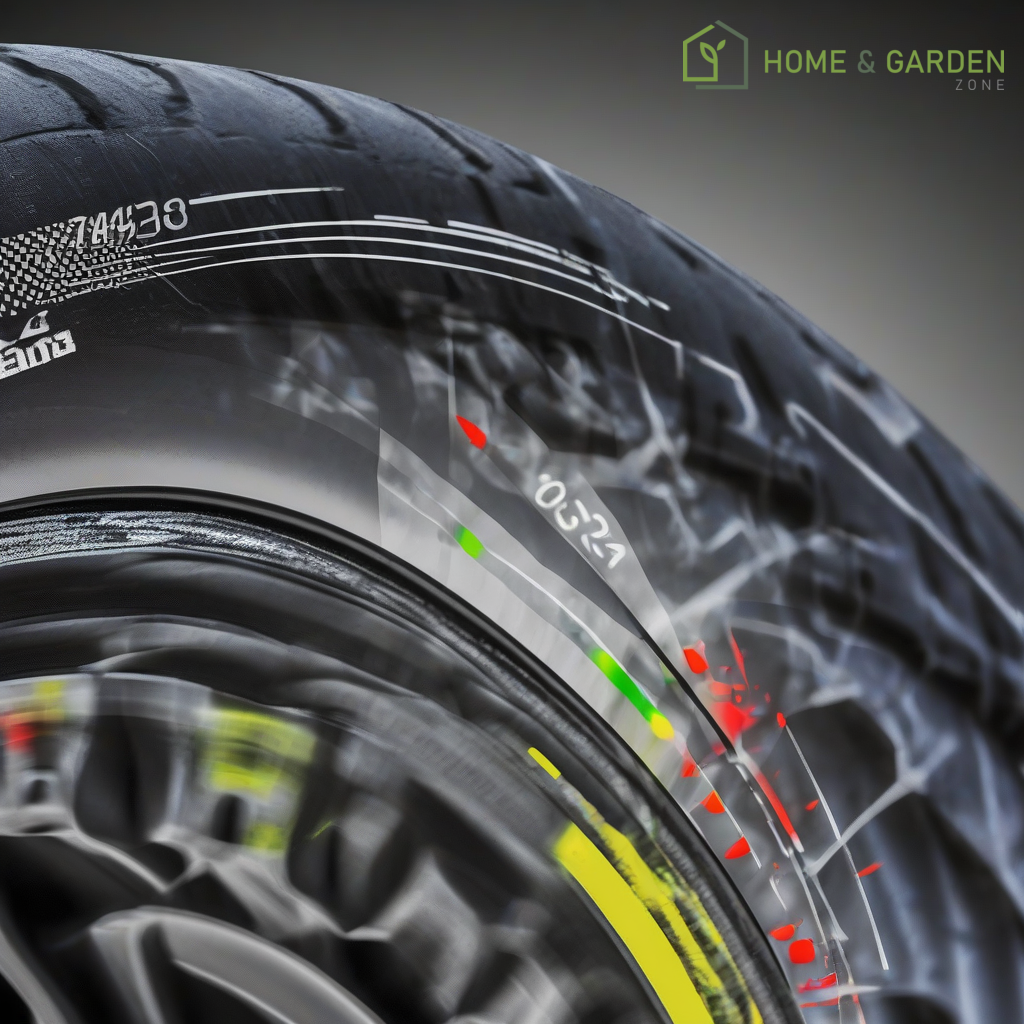
In the relentless pursuit of speed on the racetrack, every millisecond counts. While engine power and aerodynamic efficiency often grab headlines, the critical interface between the vehicle and the track—the tires—remains arguably the most crucial component for performance. A key instrument in optimizing this vital connection is the race car tire pyrometer, a sophisticated tool that allows teams to precisely measure and analyze tire temperatures, thereby fine-tuning chassis setup for maximum grip and unprecedented lap times.
The Science Behind Tire Temperatures
Tires generate heat through friction with the track surface and internal flexing. This heat significantly impacts the tire’s compound and its ability to adhere to the asphalt. Each tire compound operates optimally within a specific temperature window. Outside this range—either too cold or too hot—grip diminishes, leading to slower cornering speeds and increased tire wear. The challenge for engineers and drivers is to maintain the tires within this optimal operating window across the entire lap.
How a Tire Pyrometer Works
A tire pyrometer typically uses an infrared sensor or a probe to measure the temperature at various points across the tire’s tread face. Infrared pyrometers offer non-contact measurement, allowing for quick readings, while probe-style pyrometers are inserted into the tread for more accurate internal temperature data. Racers usually take readings at three critical points: the inner edge, the middle, and the outer edge of the tire. The temperature differential across these points provides invaluable insight into how the tire is behaving under load.
Tuning with Temperature Data
The data collected from a tire pyrometer is instrumental in making informed adjustments to a race car’s chassis setup. Here’s how:
- Camber Adjustment: If the inner edge of the tire is significantly hotter than the outer edge, it indicates too much negative camber, causing the tire to ride predominantly on its inner shoulder. Conversely, if the outer edge is hotter, there might be insufficient negative camber. Adjusting camber ensures an even temperature distribution, maximizing the contact patch and grip.
- Tire Pressure Optimization: High temperatures in the middle of the tread suggest over-inflation, leading to the tire bulging and riding on its center. If both edges are hotter than the center, the tire is likely under-inflated, causing the sidewalls to roll over excessively. Correct tire pressure ensures a flat contact patch and even heat distribution.
- Suspension and Balance: Imbalances in tire temperatures between the front and rear axles, or left and right sides, can highlight issues with weight distribution, spring rates, or anti-roll bar settings. For example, a hotter outside front tire might indicate too much understeer, requiring suspension adjustments to shift weight or improve front-end grip.
The Path to Faster Lap Times
By systematically logging tire temperatures and correlating them with lap times and handling characteristics, race teams can develop a precise understanding of their vehicle’s interaction with its tires. This data-driven approach allows for granular adjustments that translate directly into performance gains. An optimally tuned car, with tires consistently operating in their ideal temperature range, will exhibit superior grip, reduced wear, and, ultimately, faster and more consistent lap times throughout a race or qualifying session. The pyrometer transforms tire management from an educated guess into a scientific endeavor, providing a tangible edge in competitive motorsport.
Summary
The race car tire pyrometer is an indispensable tool for serious competitors, offering a window into the nuanced dynamics of tire performance. By providing critical temperature data across the tread, it empowers engineers and drivers to make precise adjustments to camber, tire pressure, and suspension settings. This analytical approach to tire management ensures that the contact patch is maximized, leading to enhanced grip, improved handling, extended tire life, and ultimately, a significant reduction in lap times. For those aiming to consistently be at the front, mastering the pyrometer is mastering the track.
Resources
- Speed Secrets: How to Use a Tire Pyrometer to Make Your Car Faster
- Hot Rod Network: Temperature Gauges Get You a Hot Setup
- Motor Trend: How To Read Tire Temps
Details
Author




Latest articles





 }})
You can now watch HBO Max for $10
In the relentless pursuit of speed on the racetrack, every millisecond counts. While engine power and aerodynamic efficiency often grab headlines, the critical interface between the vehicle and the track—the tires—remains arguably the most crucial component for performance. A key instrument in optimizing this vital connection is the race car tire pyrometer, a sophisticated tool that allows teams to precisely measure and analyze tire temperatures, thereby fine-tuning chassis setup for maximum grip and unprecedented lap times.
The Science Behind Tire Temperatures
Tires generate heat through friction with the track surface and internal flexing. This heat significantly impacts the tire’s compound and its ability to adhere to the asphalt. Each tire compound operates optimally within a specific temperature window. Outside this range—either too cold or too hot—grip diminishes, leading to slower cornering speeds and increased tire wear. The challenge for engineers and drivers is to maintain the tires within this optimal operating window across the entire lap.
How a Tire Pyrometer Works
A tire pyrometer typically uses an infrared sensor or a probe to measure the temperature at various points across the tire’s tread face. Infrared pyrometers offer non-contact measurement, allowing for quick readings, while probe-style pyrometers are inserted into the tread for more accurate internal temperature data. Racers usually take readings at three critical points: the inner edge, the middle, and the outer edge of the tire. The temperature differential across these points provides invaluable insight into how the tire is behaving under load.
Tuning with Temperature Data
The data collected from a tire pyrometer is instrumental in making informed adjustments to a race car’s chassis setup. Here’s how:
- Camber Adjustment: If the inner edge of the tire is significantly hotter than the outer edge, it indicates too much negative camber, causing the tire to ride predominantly on its inner shoulder. Conversely, if the outer edge is hotter, there might be insufficient negative camber. Adjusting camber ensures an even temperature distribution, maximizing the contact patch and grip.
- Tire Pressure Optimization: High temperatures in the middle of the tread suggest over-inflation, leading to the tire bulging and riding on its center. If both edges are hotter than the center, the tire is likely under-inflated, causing the sidewalls to roll over excessively. Correct tire pressure ensures a flat contact patch and even heat distribution.
- Suspension and Balance: Imbalances in tire temperatures between the front and rear axles, or left and right sides, can highlight issues with weight distribution, spring rates, or anti-roll bar settings. For example, a hotter outside front tire might indicate too much understeer, requiring suspension adjustments to shift weight or improve front-end grip.
The Path to Faster Lap Times
By systematically logging tire temperatures and correlating them with lap times and handling characteristics, race teams can develop a precise understanding of their vehicle’s interaction with its tires. This data-driven approach allows for granular adjustments that translate directly into performance gains. An optimally tuned car, with tires consistently operating in their ideal temperature range, will exhibit superior grip, reduced wear, and, ultimately, faster and more consistent lap times throughout a race or qualifying session. The pyrometer transforms tire management from an educated guess into a scientific endeavor, providing a tangible edge in competitive motorsport.
Summary
The race car tire pyrometer is an indispensable tool for serious competitors, offering a window into the nuanced dynamics of tire performance. By providing critical temperature data across the tread, it empowers engineers and drivers to make precise adjustments to camber, tire pressure, and suspension settings. This analytical approach to tire management ensures that the contact patch is maximized, leading to enhanced grip, improved handling, extended tire life, and ultimately, a significant reduction in lap times. For those aiming to consistently be at the front, mastering the pyrometer is mastering the track.
Resources
- Speed Secrets: How to Use a Tire Pyrometer to Make Your Car Faster
- Hot Rod Network: Temperature Gauges Get You a Hot Setup
- Motor Trend: How To Read Tire Temps
Latest articles
You can now watch HBO Max for $10
Similar posts




This is a page that only logged-in people can visit. Don't you feel special? Try clicking on a button below to do some things you can't do when you're logged out.
Example modal
At your leisure, please peruse this excerpt from a whale of a tale.
Chapter 1: Loomings.
Call me Ishmael. Some years ago—never mind how long precisely—having little or no money in my purse, and nothing particular to interest me on shore, I thought I would sail about a little and see the watery part of the world. It is a way I have of driving off the spleen and regulating the circulation. Whenever I find myself growing grim about the mouth; whenever it is a damp, drizzly November in my soul; whenever I find myself involuntarily pausing before coffin warehouses, and bringing up the rear of every funeral I meet; and especially whenever my hypos get such an upper hand of me, that it requires a strong moral principle to prevent me from deliberately stepping into the street, and methodically knocking people's hats off—then, I account it high time to get to sea as soon as I can. This is my substitute for pistol and ball. With a philosophical flourish Cato throws himself upon his sword; I quietly take to the ship. There is nothing surprising in this. If they but knew it, almost all men in their degree, some time or other, cherish very nearly the same feelings towards the ocean with me.
Comment