Beyond the Plate: Eight Mexico City Restaurant Interiors Where Design is as Delectable as the Cuisine
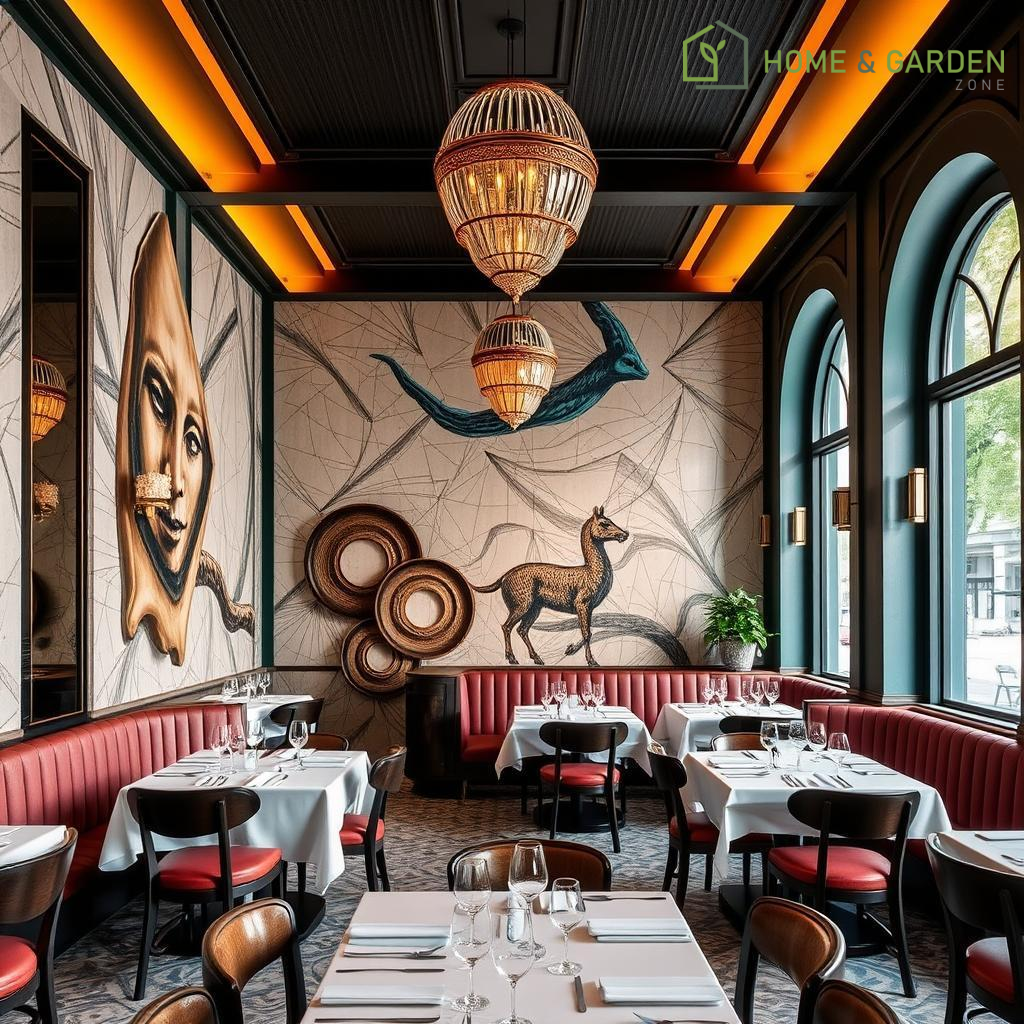
Mexico City, a metropolis pulsating with vibrant culture and culinary innovation, has firmly established itself as a global gastronomic powerhouse. From the intricate artistry of sushi to the rich tapestry of Singaporean flavors, and, of course, the ubiquitous allure of tacos, the city's dining scene is unparalleled. As Mexico City's art week recently concluded, the spotlight remains firmly on its flourishing art and design landscape, permeating every facet of urban life—including its most exceptional dining establishments.
This week, we delve into a curated selection of eight Mexico City restaurant interiors that transcend mere functionality, leveraging formal innovations and exquisite materials to craft immersive environments as celebrated as their world-class cuisine. These spaces are not just backdrops but integral components of the dining experience, showcasing how design can elevate and articulate culinary narratives.
The Culinary Canvas: Eight Interiors Redefining Dining in CDMX
Pujol: Earthly Elegance Redefined
Enrique Olvera's iconic Pujol, reimagined by Esrawe Studio, is a masterclass in understated sophistication. The interior design speaks a language of quiet luxury through its commitment to natural materials—dark woods, artisanal ceramics, and muted stone—creating an atmosphere that is at once minimalist and deeply rooted in Mexican heritage. Strategic warm lighting accents textural surfaces, inviting introspection and appreciation for the subtle details, mirroring the restaurant's famed tasting menu.
Ticuchi: A Dramatic Ancestral Narrative
Also a creation from the visionary mind of Enrique Olvera and designed by Esrawe Studio, Ticuchi offers a stark yet captivating contrast. Nestled beneath Pujol, its interior plunges diners into a dramatic, almost ceremonial space inspired by Oaxaca's ancestral traditions. Volcanic stone, raw wood, and natural fibers dominate, with soaring ceilings and meticulously placed lighting sculpting shadows and highlights. The design evokes an ancient, immersive world, perfectly complementing its focus on pre-Hispanic ingredients and mezcal.
Rosetta: Botanical Grace in a Historic Setting
Housed within a meticulously restored colonial-era mansion in Roma, Rosetta, by acclaimed chef Elena Reygadas, embodies a unique blend of historic charm and organic elegance. The interior design respectfully preserves the building's original architectural grandeur while infusing it with lush botanical elements. Intricate tilework, antique wooden furniture, and vibrant murals depicting flora and fauna create a tranquil, almost otherworldly garden-like ambiance that complements Rosetta's Italian-inspired Mexican cuisine.
Sud 777: Architectural Harmony with Nature
Designed by Michel Rojkind Arquitectos, Sud 777 is an architectural marvel that blurs the lines between indoor and outdoor spaces. The restaurant's structure features exposed concrete, expansive glass, and a thoughtful integration of water features and abundant greenery. This design choice creates a serene, almost resort-like dining environment that feels both sophisticated and deeply connected to nature, reflecting its modern Mexican cuisine and the tranquility of its surroundings in Jardines del Pedregal.
Katsumi: Japanese Serenity, Mexican Soul
Katsumi, designed by Ezequiel Farca + Cristina Grappin, offers a refined Japanese dining experience with a distinctly Mexican sensibility. The interior design emphasizes clean lines, polished dark woods, and subtle lighting, crafting a space of elegant serenity. Custom-designed furniture and carefully selected art pieces add layers of sophistication, while the overall minimalist aesthetic allows the culinary artistry—from sushi to robata—to take center stage in a calm, exclusive setting.
Quintonil: Organic Modernism
Under the direction of Jorge Vallejo, Quintonil’s interior reflects its philosophy of contemporary Mexican cuisine focused on fresh, local ingredients. The design, often attributed to Esrawe Studio, champions an organic modernism characterized by light-filled spaces, natural wood, raw stone finishes, and understated textiles. The aesthetic is bright, airy, and inviting, creating a sophisticated yet unpretentious atmosphere that perfectly aligns with its farm-to-table ethos.
Hand Roll Bar: Minimalist Craftsmanship
The Hand Roll Bar, another testament to Esrawe Studio's versatility, presents a sleek, minimalist take on casual high-end dining. The design centers around a clean, functional counter, crafted from light woods and complemented by subtle, intentional details. This focus on craftsmanship and simplicity creates an intimate yet vibrant space where the art of the hand roll is performed with precision and presented with elegance, highlighting the purity of ingredients and form.
Maximo Bistrot: Understated Parisian Chic
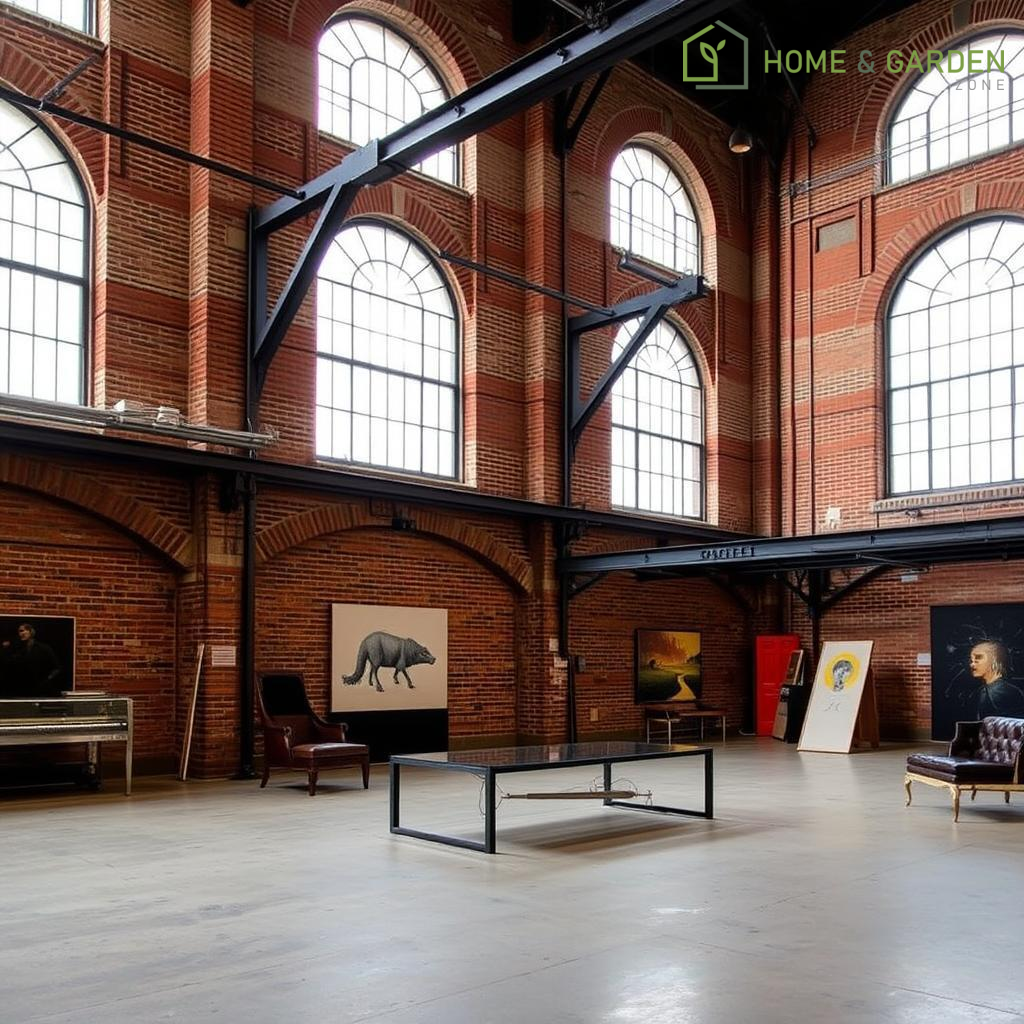
Chef Eduardo García's Maximo Bistrot is celebrated for its seasonal, French-inspired Mexican cuisine, and its interior design perfectly complements this culinary fusion. Housed in a tastefully refurbished space, the design exudes an understated, almost Parisian bistro chic. Exposed brickwork, simple wooden tables, and industrial-style lighting create a bright, relaxed, yet undeniably refined atmosphere. Large windows invite natural light, enhancing the fresh, unpretentious elegance that defines the dining experience.
Conclusion
Mexico City's restaurant scene is a testament to the power of design to enrich and define the dining experience. These eight establishments, through their innovative use of materials, thoughtful spatial planning, and unique aesthetic narratives, prove that an interior can be as captivating and memorable as the cuisine it houses. They stand as exemplars of how art and design are not just peripheral elements but fundamental ingredients in the recipe for a truly world-class dining destination.
Resources
Details
Author



Latest articles


 }})
You can now watch HBO Max for $10
Mexico City, a metropolis pulsating with vibrant culture and culinary innovation, has firmly established itself as a global gastronomic powerhouse. From the intricate artistry of sushi to the rich tapestry of Singaporean flavors, and, of course, the ubiquitous allure of tacos, the city's dining scene is unparalleled. As Mexico City's art week recently concluded, the spotlight remains firmly on its flourishing art and design landscape, permeating every facet of urban life—including its most exceptional dining establishments.
This week, we delve into a curated selection of eight Mexico City restaurant interiors that transcend mere functionality, leveraging formal innovations and exquisite materials to craft immersive environments as celebrated as their world-class cuisine. These spaces are not just backdrops but integral components of the dining experience, showcasing how design can elevate and articulate culinary narratives.
The Culinary Canvas: Eight Interiors Redefining Dining in CDMX
Pujol: Earthly Elegance Redefined
Enrique Olvera's iconic Pujol, reimagined by Esrawe Studio, is a masterclass in understated sophistication. The interior design speaks a language of quiet luxury through its commitment to natural materials—dark woods, artisanal ceramics, and muted stone—creating an atmosphere that is at once minimalist and deeply rooted in Mexican heritage. Strategic warm lighting accents textural surfaces, inviting introspection and appreciation for the subtle details, mirroring the restaurant's famed tasting menu.
Ticuchi: A Dramatic Ancestral Narrative
Also a creation from the visionary mind of Enrique Olvera and designed by Esrawe Studio, Ticuchi offers a stark yet captivating contrast. Nestled beneath Pujol, its interior plunges diners into a dramatic, almost ceremonial space inspired by Oaxaca's ancestral traditions. Volcanic stone, raw wood, and natural fibers dominate, with soaring ceilings and meticulously placed lighting sculpting shadows and highlights. The design evokes an ancient, immersive world, perfectly complementing its focus on pre-Hispanic ingredients and mezcal.
Rosetta: Botanical Grace in a Historic Setting
Housed within a meticulously restored colonial-era mansion in Roma, Rosetta, by acclaimed chef Elena Reygadas, embodies a unique blend of historic charm and organic elegance. The interior design respectfully preserves the building's original architectural grandeur while infusing it with lush botanical elements. Intricate tilework, antique wooden furniture, and vibrant murals depicting flora and fauna create a tranquil, almost otherworldly garden-like ambiance that complements Rosetta's Italian-inspired Mexican cuisine.
Sud 777: Architectural Harmony with Nature
Designed by Michel Rojkind Arquitectos, Sud 777 is an architectural marvel that blurs the lines between indoor and outdoor spaces. The restaurant's structure features exposed concrete, expansive glass, and a thoughtful integration of water features and abundant greenery. This design choice creates a serene, almost resort-like dining environment that feels both sophisticated and deeply connected to nature, reflecting its modern Mexican cuisine and the tranquility of its surroundings in Jardines del Pedregal.
Katsumi: Japanese Serenity, Mexican Soul
Katsumi, designed by Ezequiel Farca + Cristina Grappin, offers a refined Japanese dining experience with a distinctly Mexican sensibility. The interior design emphasizes clean lines, polished dark woods, and subtle lighting, crafting a space of elegant serenity. Custom-designed furniture and carefully selected art pieces add layers of sophistication, while the overall minimalist aesthetic allows the culinary artistry—from sushi to robata—to take center stage in a calm, exclusive setting.
Quintonil: Organic Modernism
Under the direction of Jorge Vallejo, Quintonil’s interior reflects its philosophy of contemporary Mexican cuisine focused on fresh, local ingredients. The design, often attributed to Esrawe Studio, champions an organic modernism characterized by light-filled spaces, natural wood, raw stone finishes, and understated textiles. The aesthetic is bright, airy, and inviting, creating a sophisticated yet unpretentious atmosphere that perfectly aligns with its farm-to-table ethos.
Hand Roll Bar: Minimalist Craftsmanship
The Hand Roll Bar, another testament to Esrawe Studio's versatility, presents a sleek, minimalist take on casual high-end dining. The design centers around a clean, functional counter, crafted from light woods and complemented by subtle, intentional details. This focus on craftsmanship and simplicity creates an intimate yet vibrant space where the art of the hand roll is performed with precision and presented with elegance, highlighting the purity of ingredients and form.
Maximo Bistrot: Understated Parisian Chic
Chef Eduardo García's Maximo Bistrot is celebrated for its seasonal, French-inspired Mexican cuisine, and its interior design perfectly complements this culinary fusion. Housed in a tastefully refurbished space, the design exudes an understated, almost Parisian bistro chic. Exposed brickwork, simple wooden tables, and industrial-style lighting create a bright, relaxed, yet undeniably refined atmosphere. Large windows invite natural light, enhancing the fresh, unpretentious elegance that defines the dining experience.
Conclusion
Mexico City's restaurant scene is a testament to the power of design to enrich and define the dining experience. These eight establishments, through their innovative use of materials, thoughtful spatial planning, and unique aesthetic narratives, prove that an interior can be as captivating and memorable as the cuisine it houses. They stand as exemplars of how art and design are not just peripheral elements but fundamental ingredients in the recipe for a truly world-class dining destination.
Resources
Latest articles
You can now watch HBO Max for $10
Similar posts

This is a page that only logged-in people can visit. Don't you feel special? Try clicking on a button below to do some things you can't do when you're logged out.
Example modal
At your leisure, please peruse this excerpt from a whale of a tale.
Chapter 1: Loomings.
Call me Ishmael. Some years ago—never mind how long precisely—having little or no money in my purse, and nothing particular to interest me on shore, I thought I would sail about a little and see the watery part of the world. It is a way I have of driving off the spleen and regulating the circulation. Whenever I find myself growing grim about the mouth; whenever it is a damp, drizzly November in my soul; whenever I find myself involuntarily pausing before coffin warehouses, and bringing up the rear of every funeral I meet; and especially whenever my hypos get such an upper hand of me, that it requires a strong moral principle to prevent me from deliberately stepping into the street, and methodically knocking people's hats off—then, I account it high time to get to sea as soon as I can. This is my substitute for pistol and ball. With a philosophical flourish Cato throws himself upon his sword; I quietly take to the ship. There is nothing surprising in this. If they but knew it, almost all men in their degree, some time or other, cherish very nearly the same feelings towards the ocean with me.
Comment