Engineering Mayhem: Inside BattleBots Designer Jesse Velez's Prototyping Playbook for Real Animatronics
From Concept to Combat: The Art of Tangible Creation
In a digital landscape often dominated by computer-generated imagery, a distinct corner of innovation thrives on the tangible. Here, creators captivate audiences with the authentic marvel of real animatronics and intricate mechanical designs. Jesse Velez, a veteran designer renowned for his work in the high-octane world of BattleBots, stands at the forefront of this movement, offering a unique perspective on the prototyping secrets that transform initial sketches into formidable, functional creations.
Velez's approach to engineering is a masterclass in iterative design, emphasizing a hands-on philosophy that eschews theoretical perfection for practical, real-world testing. His robots, often a blend of raw power and intricate mechanics, are not merely built; they are evolved through a rigorous prototyping pipeline that prioritizes rapid iteration and learning from physical failures.
The Velez Prototyping Pipeline: Iteration, Impact, and Ingenuity
I. Conceptualization and Sketching
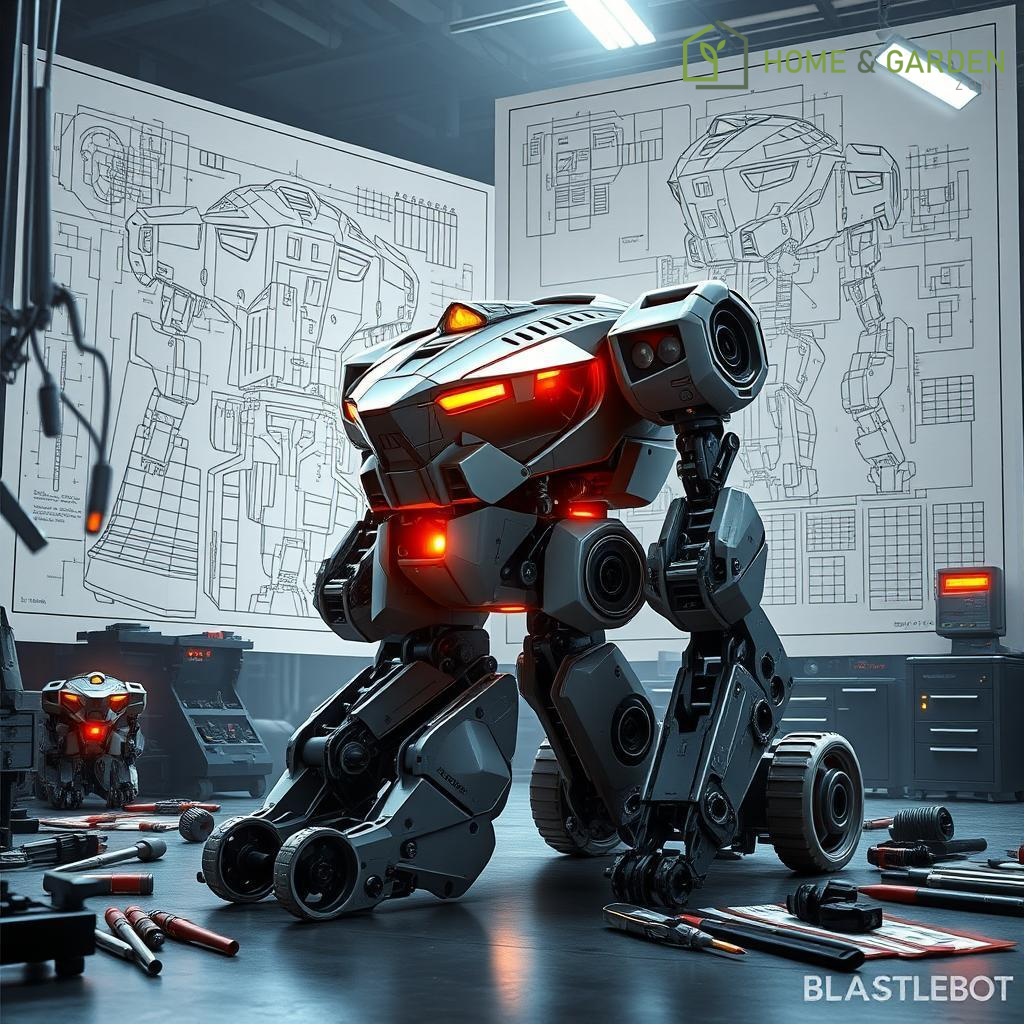
The journey for a Velez creation typically begins with an idea, often born from a perceived design gap or a desire to push mechanical boundaries. Initial concepts are translated into detailed sketches, not just as artistic renderings, but as foundational blueprints for functional components. This stage focuses on identifying core mechanisms and potential points of failure before any material is cut.
II. Rapid Prototyping and Material Selection
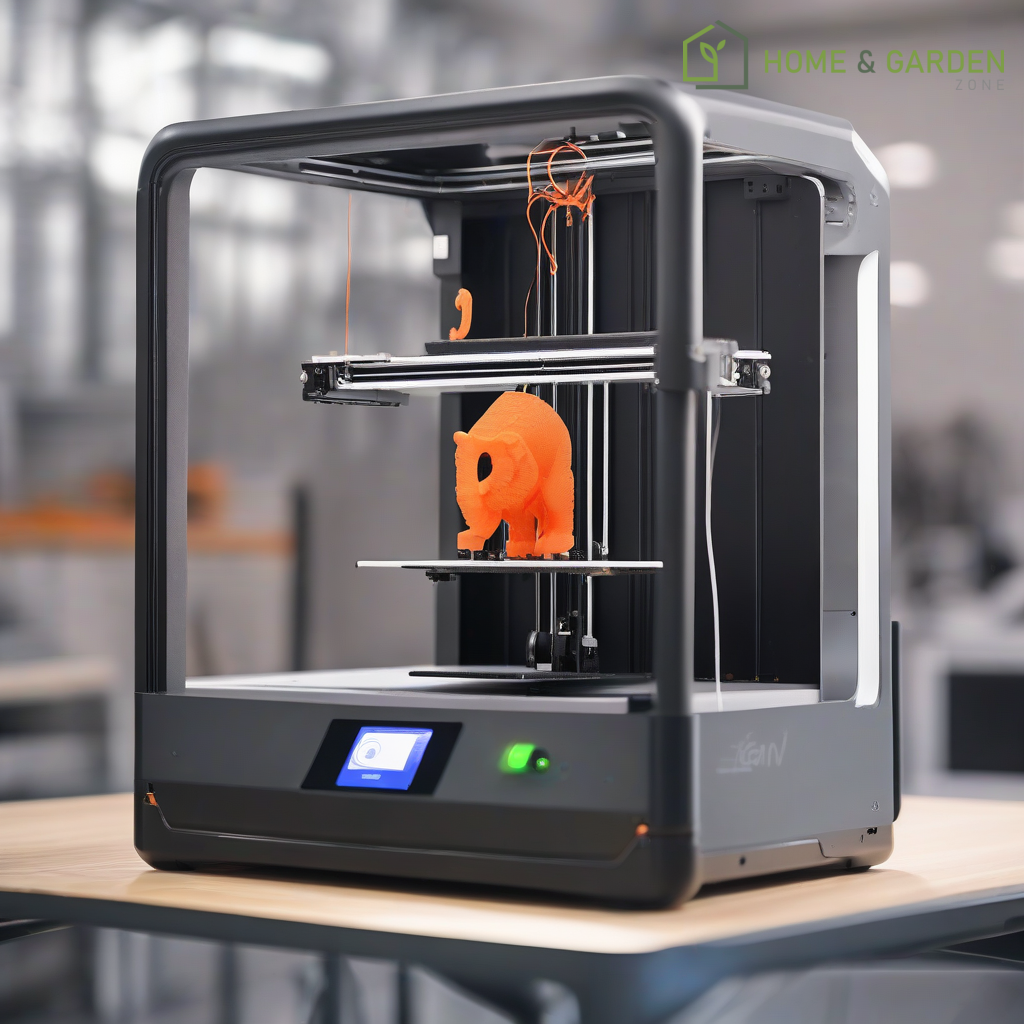
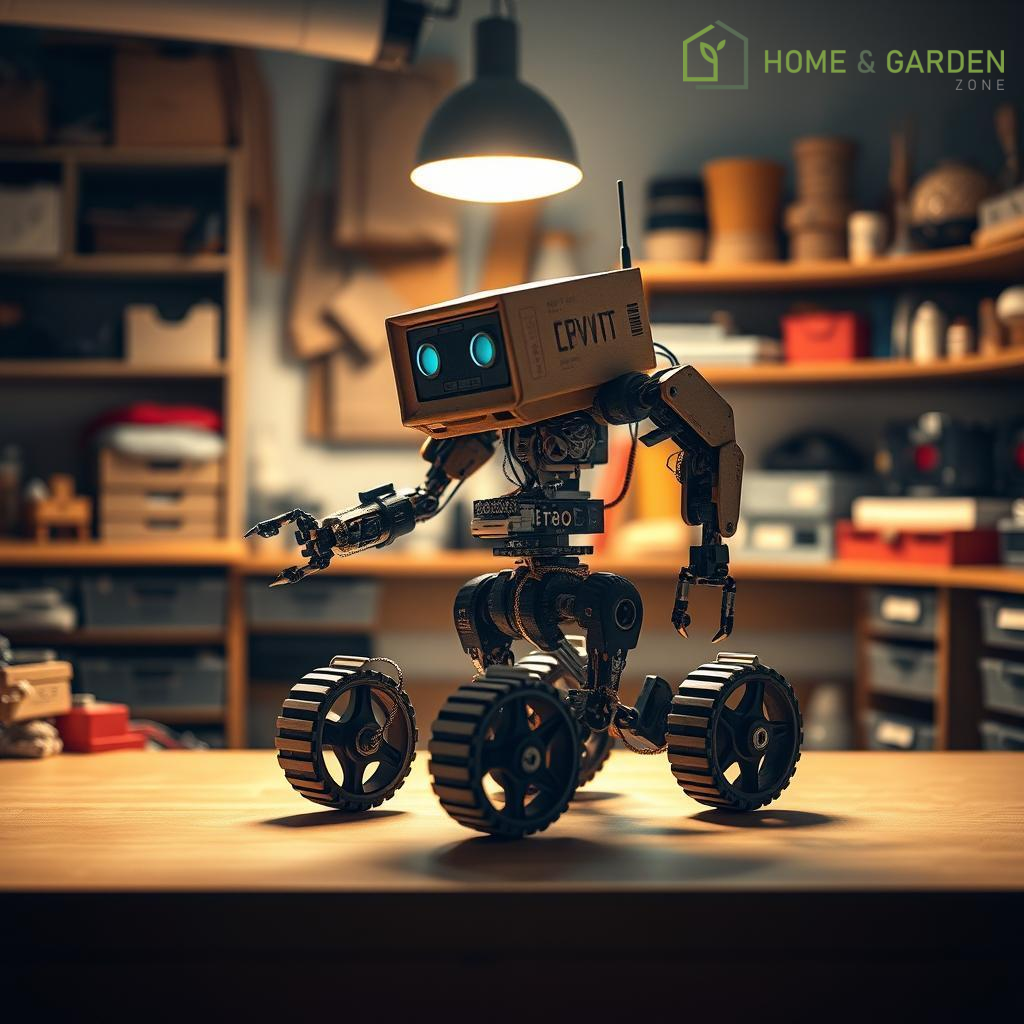
Unlike purely digital workflows, Velez's methodology embraces physical mock-ups early and often. Simple, inexpensive materials are frequently employed to test scale, fit, and basic functionality. This could involve anything from cardboard and wood for structural forms to 3D-printed components for intricate mechanisms. The emphasis is on speed and acquiring immediate feedback on ergonomic and mechanical interactions.
Material selection is critical, driven by a deep understanding of stress points and combat realities. While early prototypes might use less robust materials, the final product demands high-strength alloys, advanced polymers, and careful consideration of weight distribution and impact resistance—a direct lesson from the destructive arena of BattleBots.
III. Testing and Refinement in a High-Stakes Environment
The BattleBots arena serves as the ultimate proving ground for Velez's designs. This high-stress environment provides invaluable data, revealing weaknesses and unexpected strengths that simulations alone cannot fully predict. Each competition is a data-gathering exercise, informing subsequent design iterations. The ability to quickly diagnose issues, implement solutions, and re-engineer components under tight deadlines is a hallmark of his process.
Velez champions the concept of "failing forward," where design flaws are not setbacks but opportunities for innovation. This continuous loop of design, build, test, and refine is the bedrock of his success, ensuring that each successive prototype moves closer to optimal performance and resilience.
Summary
Jesse Velez's prototyping secrets highlight a return to fundamental engineering principles: a commitment to hands-on development, rapid physical iteration, and a profound respect for the lessons learned through real-world application. In a niche where authentic animatronics still captivate, his methodology proves that the most impressive sci-fi props and combat robots are forged not just from imagination, but from a disciplined and iterative journey from sketch to success.
Resources
- Make: Magazine (various articles on BattleBots and prototyping)
- BattleBots Official Website (team profiles and robot specifications)
- Savage Industries (Adam Savage's 'Tested' often features builders and their processes)
Details
Author




Latest articles




 }})
You can now watch HBO Max for $10
From Concept to Combat: The Art of Tangible Creation
In a digital landscape often dominated by computer-generated imagery, a distinct corner of innovation thrives on the tangible. Here, creators captivate audiences with the authentic marvel of real animatronics and intricate mechanical designs. Jesse Velez, a veteran designer renowned for his work in the high-octane world of BattleBots, stands at the forefront of this movement, offering a unique perspective on the prototyping secrets that transform initial sketches into formidable, functional creations.
Velez's approach to engineering is a masterclass in iterative design, emphasizing a hands-on philosophy that eschews theoretical perfection for practical, real-world testing. His robots, often a blend of raw power and intricate mechanics, are not merely built; they are evolved through a rigorous prototyping pipeline that prioritizes rapid iteration and learning from physical failures.
The Velez Prototyping Pipeline: Iteration, Impact, and Ingenuity
I. Conceptualization and Sketching
The journey for a Velez creation typically begins with an idea, often born from a perceived design gap or a desire to push mechanical boundaries. Initial concepts are translated into detailed sketches, not just as artistic renderings, but as foundational blueprints for functional components. This stage focuses on identifying core mechanisms and potential points of failure before any material is cut.
II. Rapid Prototyping and Material Selection
Unlike purely digital workflows, Velez's methodology embraces physical mock-ups early and often. Simple, inexpensive materials are frequently employed to test scale, fit, and basic functionality. This could involve anything from cardboard and wood for structural forms to 3D-printed components for intricate mechanisms. The emphasis is on speed and acquiring immediate feedback on ergonomic and mechanical interactions.
Material selection is critical, driven by a deep understanding of stress points and combat realities. While early prototypes might use less robust materials, the final product demands high-strength alloys, advanced polymers, and careful consideration of weight distribution and impact resistance—a direct lesson from the destructive arena of BattleBots.
III. Testing and Refinement in a High-Stakes Environment
The BattleBots arena serves as the ultimate proving ground for Velez's designs. This high-stress environment provides invaluable data, revealing weaknesses and unexpected strengths that simulations alone cannot fully predict. Each competition is a data-gathering exercise, informing subsequent design iterations. The ability to quickly diagnose issues, implement solutions, and re-engineer components under tight deadlines is a hallmark of his process.
Velez champions the concept of "failing forward," where design flaws are not setbacks but opportunities for innovation. This continuous loop of design, build, test, and refine is the bedrock of his success, ensuring that each successive prototype moves closer to optimal performance and resilience.
Summary
Jesse Velez's prototyping secrets highlight a return to fundamental engineering principles: a commitment to hands-on development, rapid physical iteration, and a profound respect for the lessons learned through real-world application. In a niche where authentic animatronics still captivate, his methodology proves that the most impressive sci-fi props and combat robots are forged not just from imagination, but from a disciplined and iterative journey from sketch to success.
Resources
- Make: Magazine (various articles on BattleBots and prototyping)
- BattleBots Official Website (team profiles and robot specifications)
- Savage Industries (Adam Savage's 'Tested' often features builders and their processes)
Latest articles
You can now watch HBO Max for $10
Similar posts


This is a page that only logged-in people can visit. Don't you feel special? Try clicking on a button below to do some things you can't do when you're logged out.
Example modal
At your leisure, please peruse this excerpt from a whale of a tale.
Chapter 1: Loomings.
Call me Ishmael. Some years ago—never mind how long precisely—having little or no money in my purse, and nothing particular to interest me on shore, I thought I would sail about a little and see the watery part of the world. It is a way I have of driving off the spleen and regulating the circulation. Whenever I find myself growing grim about the mouth; whenever it is a damp, drizzly November in my soul; whenever I find myself involuntarily pausing before coffin warehouses, and bringing up the rear of every funeral I meet; and especially whenever my hypos get such an upper hand of me, that it requires a strong moral principle to prevent me from deliberately stepping into the street, and methodically knocking people's hats off—then, I account it high time to get to sea as soon as I can. This is my substitute for pistol and ball. With a philosophical flourish Cato throws himself upon his sword; I quietly take to the ship. There is nothing surprising in this. If they but knew it, almost all men in their degree, some time or other, cherish very nearly the same feelings towards the ocean with me.
Comment