Nick Cave's Soundsuits: Transforming Trauma into Collective Joy and Anonymity on a Global Stage
The Genesis of Transformation: A Response to Injustice
In 1992, as the nation grappled with the brutal aftermath of the Rodney King beating and subsequent riots, artist Nick Cave, then a textile artist, found himself profoundly affected by the palpable anguish and systemic injustices. This moment of societal unrest served as the crucible for his seminal work, the "Soundsuits." Born from a visceral need to respond to a world where he, as a Black man, felt vulnerable and perceived as "other," Cave began crafting wearable sculptures from an array of found objects and discarded materials. The very first Soundsuit, constructed from twigs, was a direct attempt to create a second skin, a protective barrier that would simultaneously camouflage and transform the wearer, challenging preconceived notions of identity and fear.
An Evolving Language of Anonymity and Craft
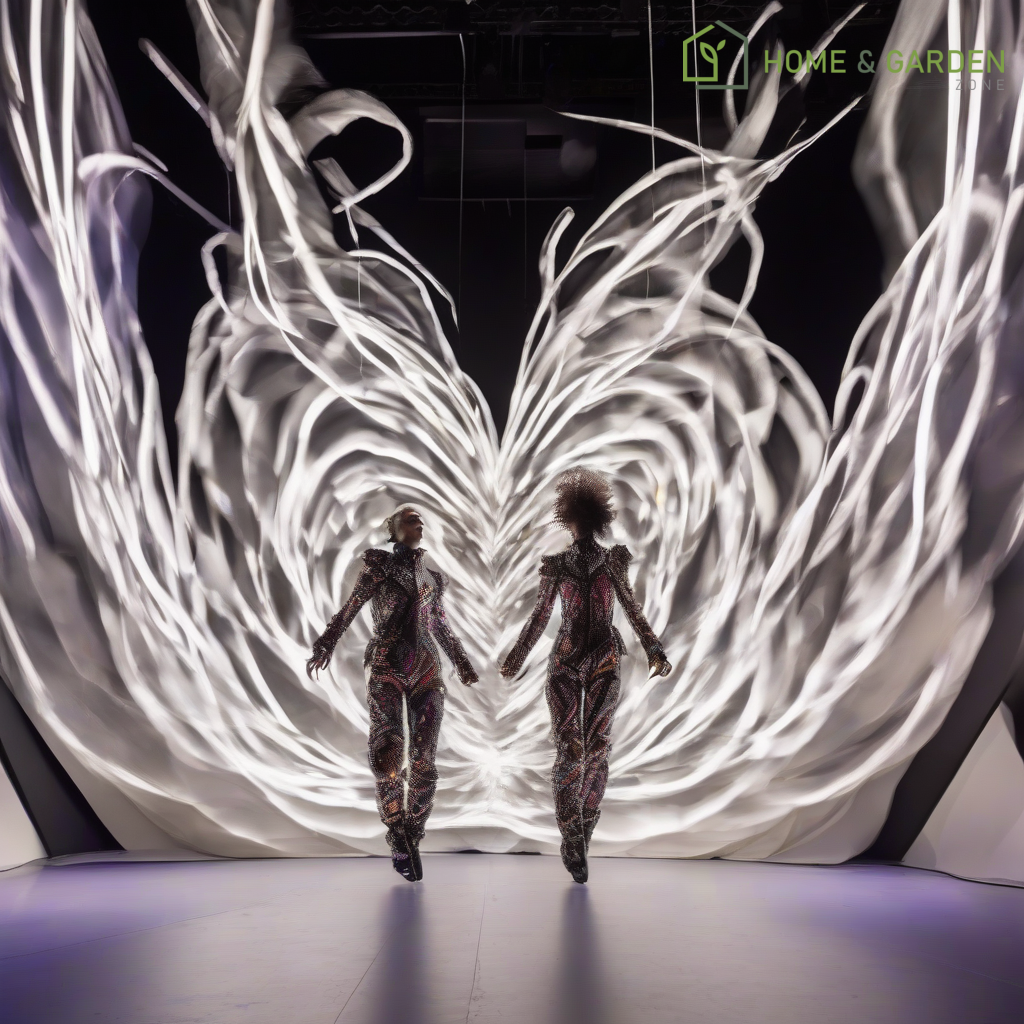
Over three decades, Cave's practice has evolved into a sophisticated and fluid language, where the Soundsuits transcend their initial function as mere costumes to become powerful vehicles for anonymity, intricate craft, and collective performance. Each Soundsuit is a meticulously constructed marvel, often adorned with beads, buttons, human hair, toys, sequins, and natural fibers, transforming the wearer into an otherworldly figure. This elaborate ornamentation serves a dual purpose: it mesmerizes and invites curiosity, while simultaneously obscuring the wearer's race, gender, and socio-economic status. In this state of visual ambiguity, the wearer sheds individual identity, becoming a conduit for a shared experience. The "sound" aspect of the suits, often generated by the rustling and clanking of their various components, further emphasizes movement and presence, drawing attention to the act of being rather than who is being.
Bringing the Stage into the Crowd: Collective Performance
What began as singular, sculptural works has blossomed into large-scale, immersive performances that deliberately dissolve the conventional boundaries between performer and audience. Cave's "Up Right" series and public performances, often involving dozens of participants, exemplify this shift. These events are not merely spectacles; they are meticulously choreographed movements designed to activate public spaces and engage communities directly. When Soundsuit wearers move through a crowd, the "stage" extends into the everyday environment, inviting onlookers to participate, to question, and to witness. The collective energy generated by these moving, rustling sculptures fosters a sense of unity and shared humanity, offering a powerful counter-narrative to division and conflict. By embodying joy, celebration, and a radical form of self-expression, the Soundsuits become catalysts for dialogue and healing, encouraging a collective embrace of difference and wonder.
Summary
Nick Cave's Soundsuits stand as a profound artistic response to the complexities of identity, race, and community. Rooted in a moment of personal and collective trauma, these elaborate, wearable sculptures have evolved into a dynamic art form that champions anonymity, celebrates meticulous craft, and orchestrates powerful collective performances. They dismantle barriers, foster shared experiences, and literally bring the transformative power of art directly into the fabric of public life, echoing with the sounds of resilience and hope.
Resources
- The Art Institute of Chicago
- The New York Times
- MASS MoCA (Massachusetts Museum of Contemporary Art)
Details
Author




Latest articles




 }})
You can now watch HBO Max for $10
The Genesis of Transformation: A Response to Injustice
In 1992, as the nation grappled with the brutal aftermath of the Rodney King beating and subsequent riots, artist Nick Cave, then a textile artist, found himself profoundly affected by the palpable anguish and systemic injustices. This moment of societal unrest served as the crucible for his seminal work, the "Soundsuits." Born from a visceral need to respond to a world where he, as a Black man, felt vulnerable and perceived as "other," Cave began crafting wearable sculptures from an array of found objects and discarded materials. The very first Soundsuit, constructed from twigs, was a direct attempt to create a second skin, a protective barrier that would simultaneously camouflage and transform the wearer, challenging preconceived notions of identity and fear.
An Evolving Language of Anonymity and Craft
Over three decades, Cave's practice has evolved into a sophisticated and fluid language, where the Soundsuits transcend their initial function as mere costumes to become powerful vehicles for anonymity, intricate craft, and collective performance. Each Soundsuit is a meticulously constructed marvel, often adorned with beads, buttons, human hair, toys, sequins, and natural fibers, transforming the wearer into an otherworldly figure. This elaborate ornamentation serves a dual purpose: it mesmerizes and invites curiosity, while simultaneously obscuring the wearer's race, gender, and socio-economic status. In this state of visual ambiguity, the wearer sheds individual identity, becoming a conduit for a shared experience. The "sound" aspect of the suits, often generated by the rustling and clanking of their various components, further emphasizes movement and presence, drawing attention to the act of being rather than who is being.
Bringing the Stage into the Crowd: Collective Performance
What began as singular, sculptural works has blossomed into large-scale, immersive performances that deliberately dissolve the conventional boundaries between performer and audience. Cave's "Up Right" series and public performances, often involving dozens of participants, exemplify this shift. These events are not merely spectacles; they are meticulously choreographed movements designed to activate public spaces and engage communities directly. When Soundsuit wearers move through a crowd, the "stage" extends into the everyday environment, inviting onlookers to participate, to question, and to witness. The collective energy generated by these moving, rustling sculptures fosters a sense of unity and shared humanity, offering a powerful counter-narrative to division and conflict. By embodying joy, celebration, and a radical form of self-expression, the Soundsuits become catalysts for dialogue and healing, encouraging a collective embrace of difference and wonder.
Summary
Nick Cave's Soundsuits stand as a profound artistic response to the complexities of identity, race, and community. Rooted in a moment of personal and collective trauma, these elaborate, wearable sculptures have evolved into a dynamic art form that champions anonymity, celebrates meticulous craft, and orchestrates powerful collective performances. They dismantle barriers, foster shared experiences, and literally bring the transformative power of art directly into the fabric of public life, echoing with the sounds of resilience and hope.
Resources
- The Art Institute of Chicago
- The New York Times
- MASS MoCA (Massachusetts Museum of Contemporary Art)
Latest articles
You can now watch HBO Max for $10
Similar posts




This is a page that only logged-in people can visit. Don't you feel special? Try clicking on a button below to do some things you can't do when you're logged out.
Example modal
At your leisure, please peruse this excerpt from a whale of a tale.
Chapter 1: Loomings.
Call me Ishmael. Some years ago—never mind how long precisely—having little or no money in my purse, and nothing particular to interest me on shore, I thought I would sail about a little and see the watery part of the world. It is a way I have of driving off the spleen and regulating the circulation. Whenever I find myself growing grim about the mouth; whenever it is a damp, drizzly November in my soul; whenever I find myself involuntarily pausing before coffin warehouses, and bringing up the rear of every funeral I meet; and especially whenever my hypos get such an upper hand of me, that it requires a strong moral principle to prevent me from deliberately stepping into the street, and methodically knocking people's hats off—then, I account it high time to get to sea as soon as I can. This is my substitute for pistol and ball. With a philosophical flourish Cato throws himself upon his sword; I quietly take to the ship. There is nothing surprising in this. If they but knew it, almost all men in their degree, some time or other, cherish very nearly the same feelings towards the ocean with me.
Comment