Digital Veil: How Algorithmic Garments Transform Visual Noise into an Impenetrable Shield Against AI Surveillance
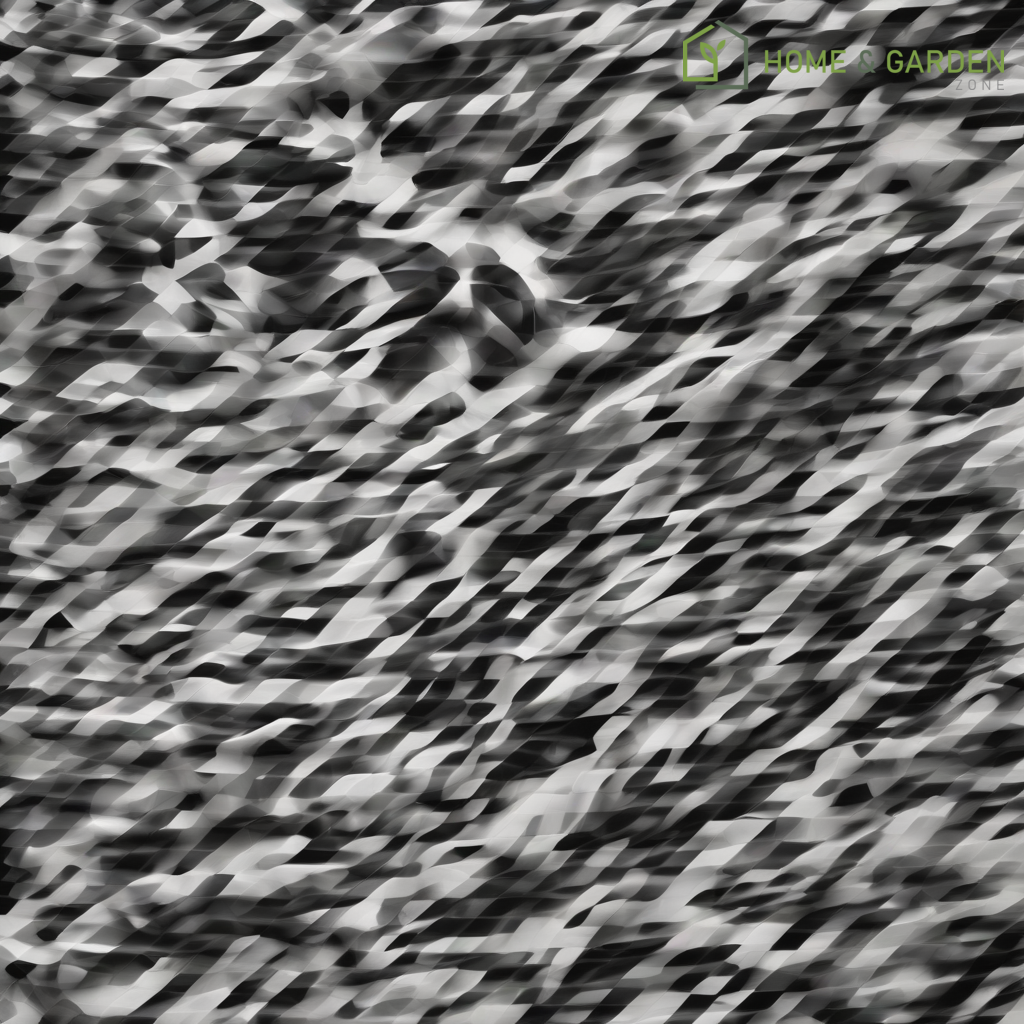
The Invisible Cloak: Fashion's New Frontier Against Algorithmic Eyes
In an era of pervasive artificial intelligence surveillance, where cameras and algorithms increasingly interpret our public lives, a novel form of defense is emerging from the intersection of design and data science. This innovation, dubbed "digital camouflage," moves beyond traditional concealment, employing sophisticated patterns to render individuals effectively invisible to machine vision systems. These garments are not merely fashion statements; they represent a strategic countermeasure, turning the very data that fuels AI into a protective, wearable shield.
Computational Disruption: How Garments Confuse AI
At the heart of this advanced camouflage lies the principle of computational noise and adversarial patterns. Unlike conventional camouflage designed to blend with natural environments, digital variants specifically manipulate visual data to challenge machine-based recognition. These patterns are engineered to introduce minute, yet significant, perturbations in an image that are imperceptible to the human eye but highly disruptive to AI algorithms. By altering pixel data in a precise, non-random manner, these designs confuse the neural networks responsible for facial recognition, object detection, and tracking. The garments essentially feed "noise" into the AI's computational process, causing misclassification, preventing detection, or even prompting the AI to identify something entirely different, thereby nullifying its surveillance capabilities.
Beyond Blending In: A New Aesthetic of Anonymity
The aesthetic of digital camouflage varies, but its objective remains consistent: to disrupt algorithmic interpretation without necessarily achieving human-level visual concealment. Designers integrate these adversarial patterns into everyday clothing—jackets, scarves, and even accessories—making privacy a functional element of personal style. The focus is not on disappearing from human sight but on providing a continuous pattern that generates visual data anomalies, making the wearer a computational ghost. This innovative approach redefines the very concept of "camouflage," shifting its purpose from military concealment to civilian privacy, where the battleground is digital data, not physical terrain.
Effectiveness and the Evolving Landscape of Digital Privacy
The efficacy of digital camouflage is a subject of ongoing research and development. While current iterations show promise in disrupting various AI vision systems, the technology exists within an evolving arms race. As AI surveillance capabilities advance, so too must the sophistication of counter-surveillance measures. The patterns must be continually refined to adapt to new algorithmic architectures and training data. Nevertheless, these garments represent a significant step forward in reclaiming personal anonymity in an increasingly monitored world, empowering individuals with a tangible defense against automated scrutiny and challenging the unchecked expansion of AI's visual reach.
Summary
Digital camouflage stands as a potent symbol of human ingenuity in the face of technological omnipresence. By weaponizing computational noise and integrating it into wearable designs, this innovation provides a unique and evolving defense against AI surveillance. It transforms clothing into an active participant in the struggle for digital privacy, offering a new frontier where fashion meets data science to create a wearable shield against algorithmic eyes.
Resources
- IEEE Transactions on Pattern Analysis and Machine Intelligence
- MIT Technology Review
- designboom | architecture & design magazine
Details
Author




Latest articles





 }})
You can now watch HBO Max for $10
The Invisible Cloak: Fashion's New Frontier Against Algorithmic Eyes
In an era of pervasive artificial intelligence surveillance, where cameras and algorithms increasingly interpret our public lives, a novel form of defense is emerging from the intersection of design and data science. This innovation, dubbed "digital camouflage," moves beyond traditional concealment, employing sophisticated patterns to render individuals effectively invisible to machine vision systems. These garments are not merely fashion statements; they represent a strategic countermeasure, turning the very data that fuels AI into a protective, wearable shield.
Computational Disruption: How Garments Confuse AI
At the heart of this advanced camouflage lies the principle of computational noise and adversarial patterns. Unlike conventional camouflage designed to blend with natural environments, digital variants specifically manipulate visual data to challenge machine-based recognition. These patterns are engineered to introduce minute, yet significant, perturbations in an image that are imperceptible to the human eye but highly disruptive to AI algorithms. By altering pixel data in a precise, non-random manner, these designs confuse the neural networks responsible for facial recognition, object detection, and tracking. The garments essentially feed "noise" into the AI's computational process, causing misclassification, preventing detection, or even prompting the AI to identify something entirely different, thereby nullifying its surveillance capabilities.
Beyond Blending In: A New Aesthetic of Anonymity
The aesthetic of digital camouflage varies, but its objective remains consistent: to disrupt algorithmic interpretation without necessarily achieving human-level visual concealment. Designers integrate these adversarial patterns into everyday clothing—jackets, scarves, and even accessories—making privacy a functional element of personal style. The focus is not on disappearing from human sight but on providing a continuous pattern that generates visual data anomalies, making the wearer a computational ghost. This innovative approach redefines the very concept of "camouflage," shifting its purpose from military concealment to civilian privacy, where the battleground is digital data, not physical terrain.
Effectiveness and the Evolving Landscape of Digital Privacy
The efficacy of digital camouflage is a subject of ongoing research and development. While current iterations show promise in disrupting various AI vision systems, the technology exists within an evolving arms race. As AI surveillance capabilities advance, so too must the sophistication of counter-surveillance measures. The patterns must be continually refined to adapt to new algorithmic architectures and training data. Nevertheless, these garments represent a significant step forward in reclaiming personal anonymity in an increasingly monitored world, empowering individuals with a tangible defense against automated scrutiny and challenging the unchecked expansion of AI's visual reach.
Summary
Digital camouflage stands as a potent symbol of human ingenuity in the face of technological omnipresence. By weaponizing computational noise and integrating it into wearable designs, this innovation provides a unique and evolving defense against AI surveillance. It transforms clothing into an active participant in the struggle for digital privacy, offering a new frontier where fashion meets data science to create a wearable shield against algorithmic eyes.
Resources
- IEEE Transactions on Pattern Analysis and Machine Intelligence
- MIT Technology Review
- designboom | architecture & design magazine
Latest articles
You can now watch HBO Max for $10
Similar posts




This is a page that only logged-in people can visit. Don't you feel special? Try clicking on a button below to do some things you can't do when you're logged out.
Example modal
At your leisure, please peruse this excerpt from a whale of a tale.
Chapter 1: Loomings.
Call me Ishmael. Some years ago—never mind how long precisely—having little or no money in my purse, and nothing particular to interest me on shore, I thought I would sail about a little and see the watery part of the world. It is a way I have of driving off the spleen and regulating the circulation. Whenever I find myself growing grim about the mouth; whenever it is a damp, drizzly November in my soul; whenever I find myself involuntarily pausing before coffin warehouses, and bringing up the rear of every funeral I meet; and especially whenever my hypos get such an upper hand of me, that it requires a strong moral principle to prevent me from deliberately stepping into the street, and methodically knocking people's hats off—then, I account it high time to get to sea as soon as I can. This is my substitute for pistol and ball. With a philosophical flourish Cato throws himself upon his sword; I quietly take to the ship. There is nothing surprising in this. If they but knew it, almost all men in their degree, some time or other, cherish very nearly the same feelings towards the ocean with me.
Comment