The Unsung Backbone: How Thoughtful Garden Paths Elevate Function and Form in Every Landscape
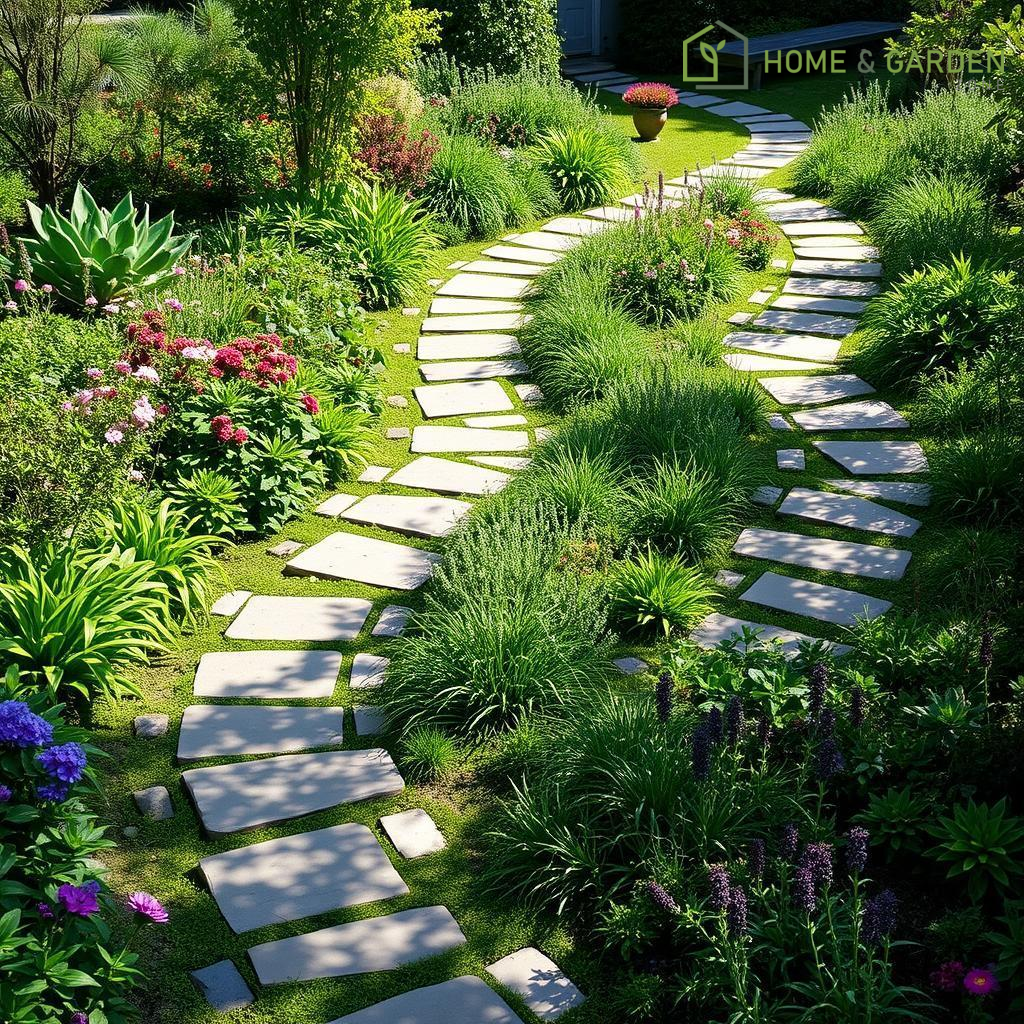
In the intricate tapestry of garden design, certain elements stand out not just for their beauty but for their profound functional significance. Among these, paths often receive less fanfare than their flamboyant floral counterparts, yet they may well be the most critical feature of any successful outdoor space. Far from mere conduits, paths are the circulatory system of a garden, directing flow, defining experience, and providing crucial access.
The Quintessential Connector: Access and Definition
The primary role of a garden path is unequivocally practical: to grant passage. Whether navigating a compact side garden in an urban setting or traversing expansive grounds, a well-conceived path ensures every corner of the landscape is accessible. This includes not only visitors wishing to explore but also gardeners needing to reach beds for planting, pruning, or watering. Without clear pathways, a garden can feel impenetrable, its features isolated and its beauty fragmented. Paths delineate spaces, transforming an amorphous yard into a series of distinct "rooms" or zones, each with its own character and purpose.
Beyond Utility: Aesthetic Imperatives
While utility is paramount, the aesthetic contribution of pathways cannot be overstated. A path introduces line, texture, and often color, dramatically influencing the garden's visual rhythm and overall mood. Consider the timeless elegance of a brick pathway, softened by the lush, voluminous blooms of hydrangeas. Such a design does more than guide; it creates a sensory journey, inviting contemplative strolls and framing picturesque vignettes. The choice of material, from formal cut stone to rustic gravel, profoundly impacts the garden's style, anchoring the design and complementing both the architecture of the home and the surrounding plantings.
Strategic Design: Maximizing Impact
The strategic placement and material selection for paths are crucial. In narrower spaces, such as typical side gardens, a thoughtfully designed path can visually expand the area, leading the eye and providing a sense of depth that might otherwise be absent. It facilitates maintenance and ensures that even these often-overlooked zones contribute meaningfully to the property's aesthetic and ecological value. Conversely, in larger landscapes, paths can create narrative, guiding the visitor through a sequence of discoveries, culminating in a focal point or a serene seating area. They can dictate pace, with meandering curves encouraging a slower, more immersive experience, while direct lines convey efficiency and purpose.
The Multi-Purpose Advantage
Ultimately, the true genius of a well-integrated garden path lies in its multi-purpose advantage. It is a workhorse that serves as both infrastructure and art. It channels rainwater, reduces compaction on garden beds, and offers a clean, stable surface underfoot. Simultaneously, it contributes to the garden's narrative, enhances curb appeal, and provides structure against which the exuberance of plant life can beautifully contrast. Neglecting this foundational element is to miss an opportunity to infuse a garden with both profound practicality and captivating charm.
Summary
Paths are far more than mere routes through a garden; they are the indispensable arteries that dictate flow, define spaces, and imbue the landscape with both functionality and beauty. From guiding maintenance efforts to shaping aesthetic experiences, a garden's pathways are fundamental to its coherence and allure. Investing in their thoughtful design and construction yields dividends in usability, visual appeal, and the overall enjoyment of an outdoor sanctuary.
Resources
Details
Author



Latest articles




 }})
You can now watch HBO Max for $10
In the intricate tapestry of garden design, certain elements stand out not just for their beauty but for their profound functional significance. Among these, paths often receive less fanfare than their flamboyant floral counterparts, yet they may well be the most critical feature of any successful outdoor space. Far from mere conduits, paths are the circulatory system of a garden, directing flow, defining experience, and providing crucial access.
The Quintessential Connector: Access and Definition
The primary role of a garden path is unequivocally practical: to grant passage. Whether navigating a compact side garden in an urban setting or traversing expansive grounds, a well-conceived path ensures every corner of the landscape is accessible. This includes not only visitors wishing to explore but also gardeners needing to reach beds for planting, pruning, or watering. Without clear pathways, a garden can feel impenetrable, its features isolated and its beauty fragmented. Paths delineate spaces, transforming an amorphous yard into a series of distinct "rooms" or zones, each with its own character and purpose.
Beyond Utility: Aesthetic Imperatives
While utility is paramount, the aesthetic contribution of pathways cannot be overstated. A path introduces line, texture, and often color, dramatically influencing the garden's visual rhythm and overall mood. Consider the timeless elegance of a brick pathway, softened by the lush, voluminous blooms of hydrangeas. Such a design does more than guide; it creates a sensory journey, inviting contemplative strolls and framing picturesque vignettes. The choice of material, from formal cut stone to rustic gravel, profoundly impacts the garden's style, anchoring the design and complementing both the architecture of the home and the surrounding plantings.
Strategic Design: Maximizing Impact
The strategic placement and material selection for paths are crucial. In narrower spaces, such as typical side gardens, a thoughtfully designed path can visually expand the area, leading the eye and providing a sense of depth that might otherwise be absent. It facilitates maintenance and ensures that even these often-overlooked zones contribute meaningfully to the property's aesthetic and ecological value. Conversely, in larger landscapes, paths can create narrative, guiding the visitor through a sequence of discoveries, culminating in a focal point or a serene seating area. They can dictate pace, with meandering curves encouraging a slower, more immersive experience, while direct lines convey efficiency and purpose.
The Multi-Purpose Advantage
Ultimately, the true genius of a well-integrated garden path lies in its multi-purpose advantage. It is a workhorse that serves as both infrastructure and art. It channels rainwater, reduces compaction on garden beds, and offers a clean, stable surface underfoot. Simultaneously, it contributes to the garden's narrative, enhances curb appeal, and provides structure against which the exuberance of plant life can beautifully contrast. Neglecting this foundational element is to miss an opportunity to infuse a garden with both profound practicality and captivating charm.
Summary
Paths are far more than mere routes through a garden; they are the indispensable arteries that dictate flow, define spaces, and imbue the landscape with both functionality and beauty. From guiding maintenance efforts to shaping aesthetic experiences, a garden's pathways are fundamental to its coherence and allure. Investing in their thoughtful design and construction yields dividends in usability, visual appeal, and the overall enjoyment of an outdoor sanctuary.
Resources
Latest articles
You can now watch HBO Max for $10
Similar posts


This is a page that only logged-in people can visit. Don't you feel special? Try clicking on a button below to do some things you can't do when you're logged out.
Example modal
At your leisure, please peruse this excerpt from a whale of a tale.
Chapter 1: Loomings.
Call me Ishmael. Some years ago—never mind how long precisely—having little or no money in my purse, and nothing particular to interest me on shore, I thought I would sail about a little and see the watery part of the world. It is a way I have of driving off the spleen and regulating the circulation. Whenever I find myself growing grim about the mouth; whenever it is a damp, drizzly November in my soul; whenever I find myself involuntarily pausing before coffin warehouses, and bringing up the rear of every funeral I meet; and especially whenever my hypos get such an upper hand of me, that it requires a strong moral principle to prevent me from deliberately stepping into the street, and methodically knocking people's hats off—then, I account it high time to get to sea as soon as I can. This is my substitute for pistol and ball. With a philosophical flourish Cato throws himself upon his sword; I quietly take to the ship. There is nothing surprising in this. If they but knew it, almost all men in their degree, some time or other, cherish very nearly the same feelings towards the ocean with me.
Comment