Allan Armitage and the Enduring Wisdom of Common Sense Gardening: Navigating a Digital-First World
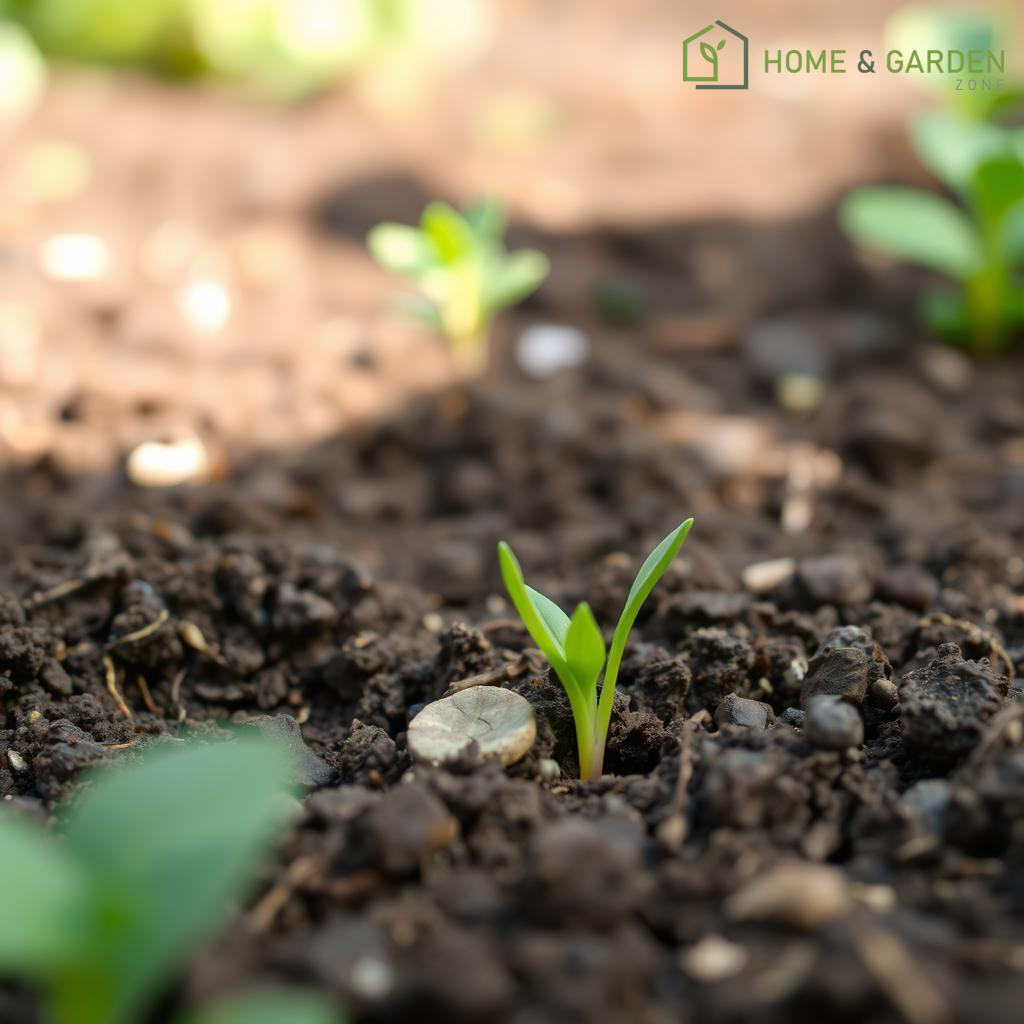
The Unseen Value of Horticultural Foundations in a Digital Age
In an era where instant gratification defines much of our information consumption, the pathway for aspiring gardeners has largely shifted from the tactile pages of a book to the flickering screens of digital tutorials. While platforms like YouTube offer immediate visual instruction, a deeper, more foundational understanding of horticulture risks being overlooked. This digital migration presents a compelling backdrop for revisiting the enduring relevance of horticultural stalwarts like Allan Armitage, whose extensive body of work champions a philosophy best described as "common sense gardening."
Who is Allan Armitage?
Allan Armitage stands as a titan in the world of horticulture. As a distinguished Professor Emeritus at the University of Georgia, his academic career has been dedicated to the study and propagation of herbaceous perennials and annuals. Beyond the academic realm, Armitage is a prolific author, speaker, and plant explorer, whose contributions have profoundly shaped contemporary gardening practices. His authoritative yet accessible approach has earned him a reputation as a trusted voice, guiding countless gardeners towards greater success through informed decisions.
Defining Common Sense Gardening Through Armitage's Lens
Armitage's "common sense gardening" isn't merely a collection of tips; it's a holistic philosophy rooted in observation, understanding, and realistic expectations. It advocates for working harmoniously with nature rather than attempting to conquer it. This approach emphasizes several core tenets:
- Right Plant, Right Place: Understanding the specific needs of a plant (light, soil, water, hardiness zone) and matching it to the appropriate garden environment.
- Observation as a Primary Tool: Encouraging gardeners to closely watch their plants and their garden's microclimates, learning from successes and failures.
- Simplicity and Practicality: Favoring straightforward, achievable methods over overly complex or labor-intensive techniques.
- Soil as Foundation: Recognizing the paramount importance of healthy soil structure and composition.
- Embracing Imperfection: Acknowledging that not every plant will thrive, and that gardening is a continuous learning process.
While a single book explicitly titled "Common Sense Gardening" by Armitage may not be the primary reference, his entire oeuvre—including seminal works like "Herbaceous Perennial Plants: A Treatise on Their Identification, Culture, and Garden Performance" and "Armitage's Garden Perennials"—is imbued with this practical, evidence-based wisdom. These texts serve as comprehensive guides, offering depth that often eludes condensed digital formats.
Books Versus Pixels: The Modern Gardener's Dilemma
The allure of digital content for new gardeners is undeniable. A quick search can yield a video tutorial on virtually any specific gardening task, offering immediate visual guidance. However, this convenience often comes at the cost of context and comprehensive understanding. Digital snippets, while excellent for "how-to" specifics, rarely delve into the "why" behind horticultural practices or offer the broader ecological and botanical framework that books provide.
Books, particularly those by authors of Armitage's caliber, offer curated, deeply researched, and cross-referenced information. They build foundational knowledge, fostering a more robust understanding of plant physiology, environmental factors, and long-term garden health. This comprehensive approach empowers gardeners to adapt to varied conditions and troubleshoot problems effectively, rather than relying solely on prescriptive, one-off solutions.
Conclusion
As the gardening world continues to evolve with technological advancements, the foundational principles espoused by figures like Allan Armitage remain indispensable. His "common sense" approach offers a timeless blueprint for cultivating not just successful gardens, but also knowledgeable and resilient gardeners. While digital resources serve a valuable role, the depth and authority found in well-researched books continue to be a cornerstone for genuinely understanding and mastering the art and science of horticulture. Embracing both traditional and modern learning pathways may indeed be the most sensible approach for the contemporary gardener.
Resources
- University of Georgia, College of Agricultural and Environmental Sciences: Information on Allan Armitage's academic contributions and publications.
- Timber Press: Publisher of many of Allan Armitage's authoritative gardening books.
- American Horticultural Society (AHS): A leading organization promoting horticulture, often referencing foundational works and experts like Armitage.
Details
Author




Latest articles





 }})
You can now watch HBO Max for $10
The Unseen Value of Horticultural Foundations in a Digital Age
In an era where instant gratification defines much of our information consumption, the pathway for aspiring gardeners has largely shifted from the tactile pages of a book to the flickering screens of digital tutorials. While platforms like YouTube offer immediate visual instruction, a deeper, more foundational understanding of horticulture risks being overlooked. This digital migration presents a compelling backdrop for revisiting the enduring relevance of horticultural stalwarts like Allan Armitage, whose extensive body of work champions a philosophy best described as "common sense gardening."
Who is Allan Armitage?
Allan Armitage stands as a titan in the world of horticulture. As a distinguished Professor Emeritus at the University of Georgia, his academic career has been dedicated to the study and propagation of herbaceous perennials and annuals. Beyond the academic realm, Armitage is a prolific author, speaker, and plant explorer, whose contributions have profoundly shaped contemporary gardening practices. His authoritative yet accessible approach has earned him a reputation as a trusted voice, guiding countless gardeners towards greater success through informed decisions.
Defining Common Sense Gardening Through Armitage's Lens
Armitage's "common sense gardening" isn't merely a collection of tips; it's a holistic philosophy rooted in observation, understanding, and realistic expectations. It advocates for working harmoniously with nature rather than attempting to conquer it. This approach emphasizes several core tenets:
- Right Plant, Right Place: Understanding the specific needs of a plant (light, soil, water, hardiness zone) and matching it to the appropriate garden environment.
- Observation as a Primary Tool: Encouraging gardeners to closely watch their plants and their garden's microclimates, learning from successes and failures.
- Simplicity and Practicality: Favoring straightforward, achievable methods over overly complex or labor-intensive techniques.
- Soil as Foundation: Recognizing the paramount importance of healthy soil structure and composition.
- Embracing Imperfection: Acknowledging that not every plant will thrive, and that gardening is a continuous learning process.
While a single book explicitly titled "Common Sense Gardening" by Armitage may not be the primary reference, his entire oeuvre—including seminal works like "Herbaceous Perennial Plants: A Treatise on Their Identification, Culture, and Garden Performance" and "Armitage's Garden Perennials"—is imbued with this practical, evidence-based wisdom. These texts serve as comprehensive guides, offering depth that often eludes condensed digital formats.
Books Versus Pixels: The Modern Gardener's Dilemma
The allure of digital content for new gardeners is undeniable. A quick search can yield a video tutorial on virtually any specific gardening task, offering immediate visual guidance. However, this convenience often comes at the cost of context and comprehensive understanding. Digital snippets, while excellent for "how-to" specifics, rarely delve into the "why" behind horticultural practices or offer the broader ecological and botanical framework that books provide.
Books, particularly those by authors of Armitage's caliber, offer curated, deeply researched, and cross-referenced information. They build foundational knowledge, fostering a more robust understanding of plant physiology, environmental factors, and long-term garden health. This comprehensive approach empowers gardeners to adapt to varied conditions and troubleshoot problems effectively, rather than relying solely on prescriptive, one-off solutions.
Conclusion
As the gardening world continues to evolve with technological advancements, the foundational principles espoused by figures like Allan Armitage remain indispensable. His "common sense" approach offers a timeless blueprint for cultivating not just successful gardens, but also knowledgeable and resilient gardeners. While digital resources serve a valuable role, the depth and authority found in well-researched books continue to be a cornerstone for genuinely understanding and mastering the art and science of horticulture. Embracing both traditional and modern learning pathways may indeed be the most sensible approach for the contemporary gardener.
Resources
- University of Georgia, College of Agricultural and Environmental Sciences: Information on Allan Armitage's academic contributions and publications.
- Timber Press: Publisher of many of Allan Armitage's authoritative gardening books.
- American Horticultural Society (AHS): A leading organization promoting horticulture, often referencing foundational works and experts like Armitage.
Latest articles
You can now watch HBO Max for $10
Similar posts




This is a page that only logged-in people can visit. Don't you feel special? Try clicking on a button below to do some things you can't do when you're logged out.
Example modal
At your leisure, please peruse this excerpt from a whale of a tale.
Chapter 1: Loomings.
Call me Ishmael. Some years ago—never mind how long precisely—having little or no money in my purse, and nothing particular to interest me on shore, I thought I would sail about a little and see the watery part of the world. It is a way I have of driving off the spleen and regulating the circulation. Whenever I find myself growing grim about the mouth; whenever it is a damp, drizzly November in my soul; whenever I find myself involuntarily pausing before coffin warehouses, and bringing up the rear of every funeral I meet; and especially whenever my hypos get such an upper hand of me, that it requires a strong moral principle to prevent me from deliberately stepping into the street, and methodically knocking people's hats off—then, I account it high time to get to sea as soon as I can. This is my substitute for pistol and ball. With a philosophical flourish Cato throws himself upon his sword; I quietly take to the ship. There is nothing surprising in this. If they but knew it, almost all men in their degree, some time or other, cherish very nearly the same feelings towards the ocean with me.
Comment