Featherlight FPV: Engineering the Sub-15 Gram Whoop Drone Challenge
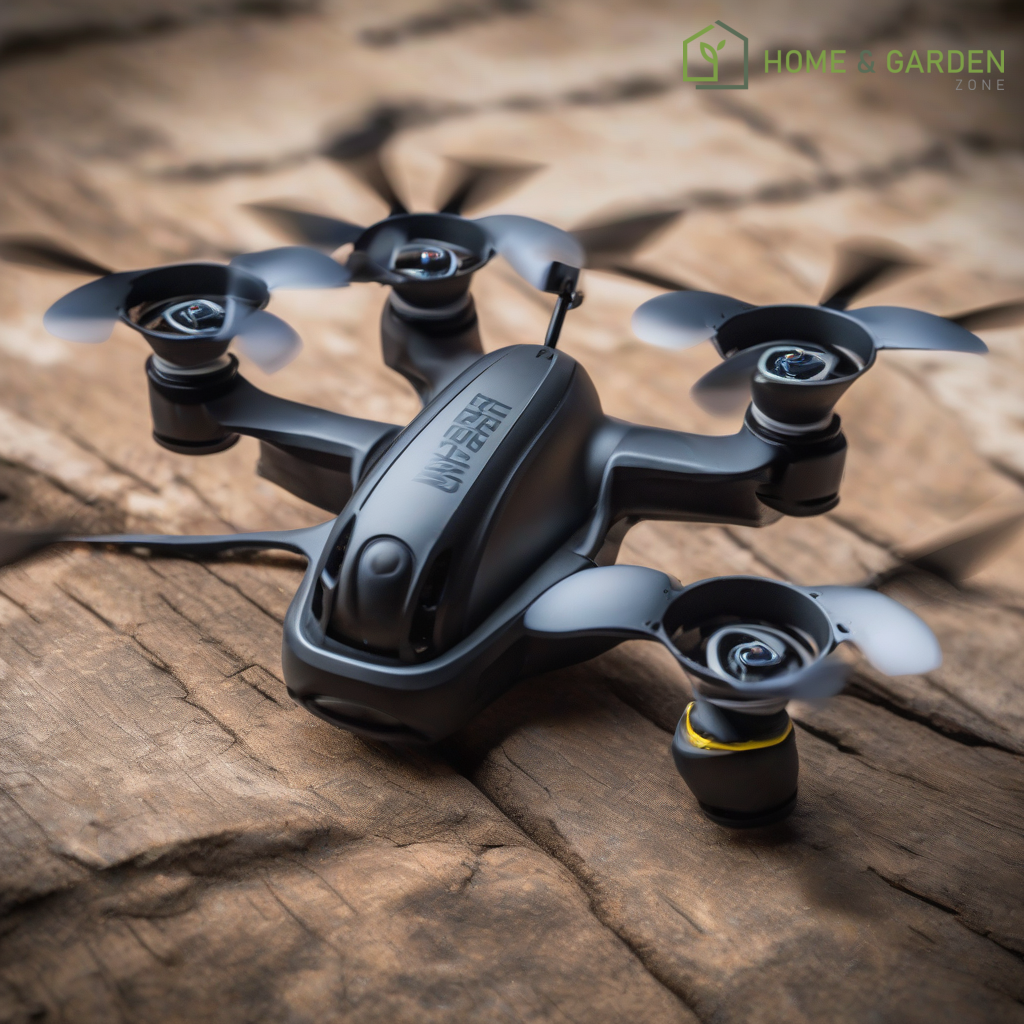
The pursuit of miniaturization in drone technology has always pushed the boundaries of engineering, but few challenges are as audacious as constructing a fully functional FPV (First Person View) whoop drone that weighs less than three US nickels. With each nickel weighing approximately five grams, the objective is to build a video-capable drone under the scarcely believable 15-gram threshold. This isn't merely an exercise in lightweight design; it's a deep dive into the compromises and innovations required at the absolute bleeding edge of micro-drone technology.
The Pursuit of Sub-15 Grams
Achieving a sub-15 gram flight weight for an FPV whoop, including its battery, demands meticulous attention to every single component and connection. Traditional tiny whoops often hover around 20-30 grams without a battery, making the target of under 15 grams for a complete, flying system an exceptional feat. This goal necessitates a radical re-evaluation of material choices, component integration, and assembly techniques to shave off every possible milligram.
Strategic Component Selection for Extreme Weight Savings
Success in this ultralight category hinges on selecting the lightest yet still functional components available, often pushing manufacturers to create specialized, stripped-down versions.
The Frame: Foundation of Lightness
The drone's frame is the structural heart, and its weight is paramount. Custom 3D-printed frames, often utilizing sparse infills and minimal designs from materials like flexible TPU (Thermoplastic Polyurethane), become critical. Alternatively, incredibly thin carbon fiber sheets or highly optimized injection-molded plastics are employed, often redesigned to eliminate any non-essential material while maintaining basic rigidity for mounting components and protecting propellers.
Propulsion System: Minimalist Power
For propulsion, the smallest available brushless motors, such as the 0603 series, are indispensable. These motors, while modest in power compared to their larger counterparts, offer the best power-to-weight ratio for such minute builds. Paired with miniature two-blade or three-blade propellers, typically ranging from 31mm to 40mm, they provide just enough thrust for stable flight. Any additional mass from larger motors or props would instantly exceed the target weight.
Flight Controller & ESC: The Integrated Brain
An All-In-One (AIO) flight controller and electronic speed controller (ESC) board is non-negotiable. These integrated units minimize wiring and overall footprint. Ultra-light 1S-compatible boards are chosen, often with connectors removed and components directly soldered to reduce every fractional gram of weight.
Camera & Video Transmitter (VTX): The FPV Eye
For FPV capability, the lightest possible camera and video transmitter combination is essential. Integrated camera/VTX units designed for micro-drones are typically used, sometimes even stripped of their plastic casings or featuring the most minimal lenses. Short, thin gauge wiring connects these critical visual components to the flight controller, avoiding any excess length or bulk.
Battery: The Heaviest Compromise
The battery is often the single heaviest component in these ultralight builds. To stay under 15 grams, a minuscule 1S LiPo or LiHV battery, usually in the range of 180mAh to 250mAh, is required. This drastically limits flight time, often to just a few minutes, but it's a necessary sacrifice to meet the stringent weight target.
Assembly Techniques for Extreme Weight Savings
Beyond component selection, the assembly process itself becomes an art form centered on weight reduction. Direct soldering of components, minimal wire lengths, and the complete absence of unnecessary hardware like screws or plastic standoffs are common practices. Enthusiasts often employ custom mounting solutions using double-sided tape or heat shrink tubing, further reducing the overall mass. Even shaving off excess plastic from component housings is a common, if extreme, tactic.
The Inherent Trade-offs
Achieving such an incredibly low weight inevitably introduces several trade-offs. The resulting drone is often:
- Extremely Fragile: The minimal materials and stripped-down components offer little in the way of crash protection.
- Limited Flight Time: The tiny batteries provide only a brief operational window.
- Compromised Performance: While capable of flight, maneuverability and aggressive flight characteristics are limited by the small motors and light mass.
- Challenging to Repair: The delicate nature and tightly packed components make repairs intricate and demanding.
Summary
Building an FPV whoop drone that weighs less than three nickels represents a pinnacle of micro-drone engineering, pushing the limits of what's possible with current technology. While these ultralight drones are not built for robust outdoor adventures or extended flight times, they demonstrate an impressive blend of innovative design and meticulous assembly. They serve as ideal platforms for serene indoor cruising or as a testament to the community's relentless pursuit of lighter, more agile flying machines.
Resources
Details
Author



Latest articles




 }})
You can now watch HBO Max for $10
The pursuit of miniaturization in drone technology has always pushed the boundaries of engineering, but few challenges are as audacious as constructing a fully functional FPV (First Person View) whoop drone that weighs less than three US nickels. With each nickel weighing approximately five grams, the objective is to build a video-capable drone under the scarcely believable 15-gram threshold. This isn't merely an exercise in lightweight design; it's a deep dive into the compromises and innovations required at the absolute bleeding edge of micro-drone technology.
The Pursuit of Sub-15 Grams
Achieving a sub-15 gram flight weight for an FPV whoop, including its battery, demands meticulous attention to every single component and connection. Traditional tiny whoops often hover around 20-30 grams without a battery, making the target of under 15 grams for a complete, flying system an exceptional feat. This goal necessitates a radical re-evaluation of material choices, component integration, and assembly techniques to shave off every possible milligram.
Strategic Component Selection for Extreme Weight Savings
Success in this ultralight category hinges on selecting the lightest yet still functional components available, often pushing manufacturers to create specialized, stripped-down versions.
The Frame: Foundation of Lightness
The drone's frame is the structural heart, and its weight is paramount. Custom 3D-printed frames, often utilizing sparse infills and minimal designs from materials like flexible TPU (Thermoplastic Polyurethane), become critical. Alternatively, incredibly thin carbon fiber sheets or highly optimized injection-molded plastics are employed, often redesigned to eliminate any non-essential material while maintaining basic rigidity for mounting components and protecting propellers.
Propulsion System: Minimalist Power
For propulsion, the smallest available brushless motors, such as the 0603 series, are indispensable. These motors, while modest in power compared to their larger counterparts, offer the best power-to-weight ratio for such minute builds. Paired with miniature two-blade or three-blade propellers, typically ranging from 31mm to 40mm, they provide just enough thrust for stable flight. Any additional mass from larger motors or props would instantly exceed the target weight.
Flight Controller & ESC: The Integrated Brain
An All-In-One (AIO) flight controller and electronic speed controller (ESC) board is non-negotiable. These integrated units minimize wiring and overall footprint. Ultra-light 1S-compatible boards are chosen, often with connectors removed and components directly soldered to reduce every fractional gram of weight.
Camera & Video Transmitter (VTX): The FPV Eye
For FPV capability, the lightest possible camera and video transmitter combination is essential. Integrated camera/VTX units designed for micro-drones are typically used, sometimes even stripped of their plastic casings or featuring the most minimal lenses. Short, thin gauge wiring connects these critical visual components to the flight controller, avoiding any excess length or bulk.
Battery: The Heaviest Compromise
The battery is often the single heaviest component in these ultralight builds. To stay under 15 grams, a minuscule 1S LiPo or LiHV battery, usually in the range of 180mAh to 250mAh, is required. This drastically limits flight time, often to just a few minutes, but it's a necessary sacrifice to meet the stringent weight target.
Assembly Techniques for Extreme Weight Savings
Beyond component selection, the assembly process itself becomes an art form centered on weight reduction. Direct soldering of components, minimal wire lengths, and the complete absence of unnecessary hardware like screws or plastic standoffs are common practices. Enthusiasts often employ custom mounting solutions using double-sided tape or heat shrink tubing, further reducing the overall mass. Even shaving off excess plastic from component housings is a common, if extreme, tactic.
The Inherent Trade-offs
Achieving such an incredibly low weight inevitably introduces several trade-offs. The resulting drone is often:
- Extremely Fragile: The minimal materials and stripped-down components offer little in the way of crash protection.
- Limited Flight Time: The tiny batteries provide only a brief operational window.
- Compromised Performance: While capable of flight, maneuverability and aggressive flight characteristics are limited by the small motors and light mass.
- Challenging to Repair: The delicate nature and tightly packed components make repairs intricate and demanding.
Summary
Building an FPV whoop drone that weighs less than three nickels represents a pinnacle of micro-drone engineering, pushing the limits of what's possible with current technology. While these ultralight drones are not built for robust outdoor adventures or extended flight times, they demonstrate an impressive blend of innovative design and meticulous assembly. They serve as ideal platforms for serene indoor cruising or as a testament to the community's relentless pursuit of lighter, more agile flying machines.
Resources
Latest articles
You can now watch HBO Max for $10
Similar posts




This is a page that only logged-in people can visit. Don't you feel special? Try clicking on a button below to do some things you can't do when you're logged out.
Example modal
At your leisure, please peruse this excerpt from a whale of a tale.
Chapter 1: Loomings.
Call me Ishmael. Some years ago—never mind how long precisely—having little or no money in my purse, and nothing particular to interest me on shore, I thought I would sail about a little and see the watery part of the world. It is a way I have of driving off the spleen and regulating the circulation. Whenever I find myself growing grim about the mouth; whenever it is a damp, drizzly November in my soul; whenever I find myself involuntarily pausing before coffin warehouses, and bringing up the rear of every funeral I meet; and especially whenever my hypos get such an upper hand of me, that it requires a strong moral principle to prevent me from deliberately stepping into the street, and methodically knocking people's hats off—then, I account it high time to get to sea as soon as I can. This is my substitute for pistol and ball. With a philosophical flourish Cato throws himself upon his sword; I quietly take to the ship. There is nothing surprising in this. If they but knew it, almost all men in their degree, some time or other, cherish very nearly the same feelings towards the ocean with me.
Comment