Book Review: "Make it Yourself" by NODE – An Essential Guide for the Modern Creator
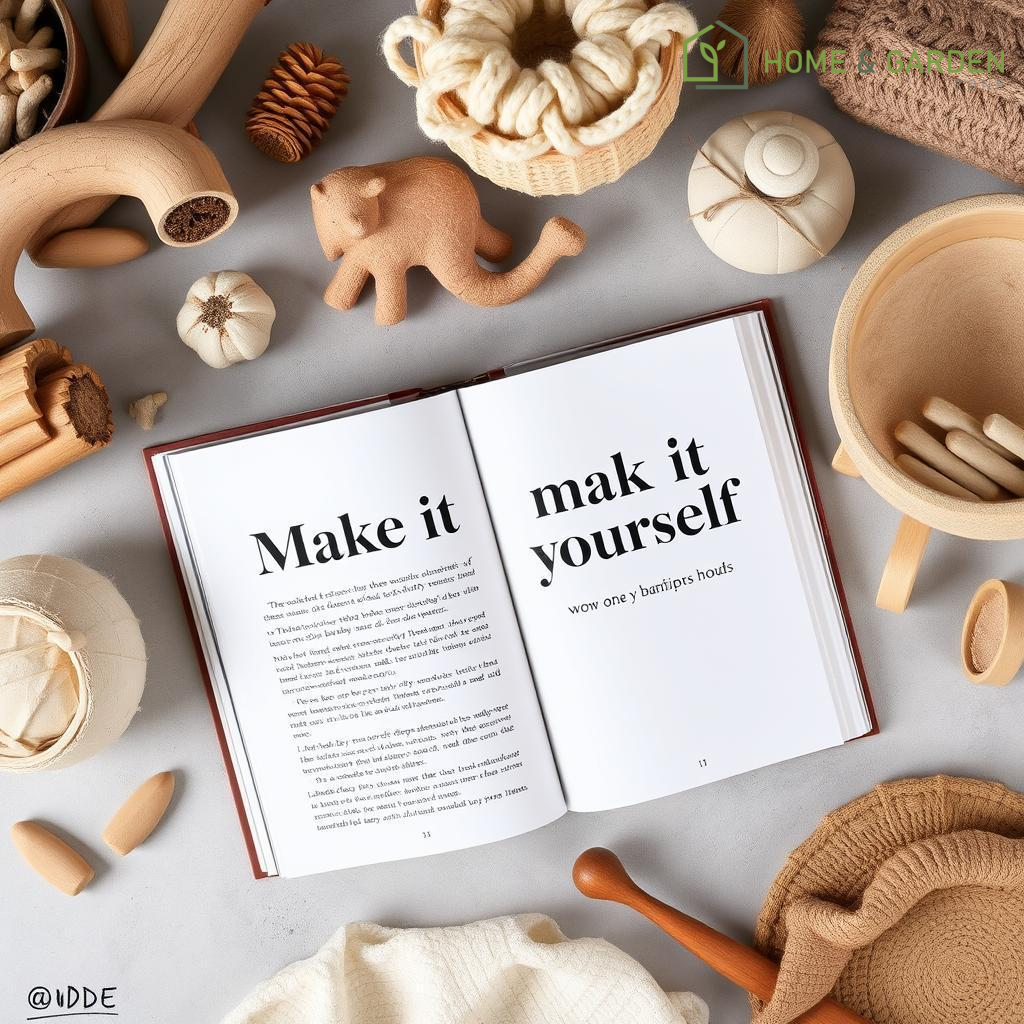
The Unveiling of an Indispensable Resource
In the expansive landscape of contemporary technology and creation, certain publications arrive not just as guides, but as affirmations of a movement. NODE's "Make it Yourself" is precisely such a work, a text that, upon its release, immediately evokes the sentiment that it should have existed far sooner. For a community of makers, hobbyists, and those deeply invested in understanding the underlying mechanisms of their digital tools, this book provides a meticulously crafted pathway to genuine self-sufficiency and deeper engagement with technology.
NODE, a figure synonymous with minimalist computing and a profound dedication to open-source principles, distills years of practical experience and philosophical insight into a cohesive narrative. The book serves as a vital resource for anyone looking to transcend mere consumption, instead empowering them to build, repair, and truly understand the devices that populate their lives. It champions a pragmatic approach to hardware and software, emphasizing utility, sustainability, and personal agency over proprietary ecosystems and planned obsolescence.
Embracing the Ethos of the Minimalist Hacker
"Make it Yourself" is not merely a collection of projects; it is a declaration of independence for the digital age. NODE articulates a vision where individuals reclaim control over their computing environments, fostering an intimate relationship with their tools rather than remaining passive recipients of corporate design. The book delves into various aspects of building and maintaining custom systems, from sourcing components to understanding schematics and basic programming principles. It speaks directly to the "minimalist hacker" ethos – a dedication to efficiency, transparency, and a profound understanding of how things work at their most fundamental level.
The content resonates deeply with the Make: community, which has long championed the spirit of innovation and hands-on learning. Creators everywhere will find inspiration and actionable insights within its pages, whether they are constructing a custom server, building a bespoke input device, or simply seeking to repair a household gadget. NODE's clear, no-nonsense prose demystifies complex topics, making them accessible to a broad audience while retaining intellectual rigor.
Summary
"Make it Yourself" by NODE is an essential addition to the library of any serious maker or tech enthusiast. It is more than a book; it is a movement encapsulated in print, advocating for a return to fundamental principles of design, ownership, and understanding in an increasingly complex technological world. Its timely arrival fills a palpable void, providing the tools and inspiration necessary for individuals to build, maintain, and truly own their digital existence. This book stands as a testament to the power of open-source philosophy and the enduring appeal of creating something tangible from scratch.
Resources
- Make: Magazine (makemagazine.com) - A long-standing publication and community hub for DIY projects and maker culture.
- NODE (youtube.com/@node) - The creator's YouTube channel, offering visual insights into his projects and philosophy.
- Internet Archive (archive.org) - A digital library that often hosts discussions and early reviews of significant open-source and DIY publications.
Details
Author



Latest articles

 }})
You can now watch HBO Max for $10
The Unveiling of an Indispensable Resource
In the expansive landscape of contemporary technology and creation, certain publications arrive not just as guides, but as affirmations of a movement. NODE's "Make it Yourself" is precisely such a work, a text that, upon its release, immediately evokes the sentiment that it should have existed far sooner. For a community of makers, hobbyists, and those deeply invested in understanding the underlying mechanisms of their digital tools, this book provides a meticulously crafted pathway to genuine self-sufficiency and deeper engagement with technology.
NODE, a figure synonymous with minimalist computing and a profound dedication to open-source principles, distills years of practical experience and philosophical insight into a cohesive narrative. The book serves as a vital resource for anyone looking to transcend mere consumption, instead empowering them to build, repair, and truly understand the devices that populate their lives. It champions a pragmatic approach to hardware and software, emphasizing utility, sustainability, and personal agency over proprietary ecosystems and planned obsolescence.
Embracing the Ethos of the Minimalist Hacker
"Make it Yourself" is not merely a collection of projects; it is a declaration of independence for the digital age. NODE articulates a vision where individuals reclaim control over their computing environments, fostering an intimate relationship with their tools rather than remaining passive recipients of corporate design. The book delves into various aspects of building and maintaining custom systems, from sourcing components to understanding schematics and basic programming principles. It speaks directly to the "minimalist hacker" ethos – a dedication to efficiency, transparency, and a profound understanding of how things work at their most fundamental level.
The content resonates deeply with the Make: community, which has long championed the spirit of innovation and hands-on learning. Creators everywhere will find inspiration and actionable insights within its pages, whether they are constructing a custom server, building a bespoke input device, or simply seeking to repair a household gadget. NODE's clear, no-nonsense prose demystifies complex topics, making them accessible to a broad audience while retaining intellectual rigor.
Summary
"Make it Yourself" by NODE is an essential addition to the library of any serious maker or tech enthusiast. It is more than a book; it is a movement encapsulated in print, advocating for a return to fundamental principles of design, ownership, and understanding in an increasingly complex technological world. Its timely arrival fills a palpable void, providing the tools and inspiration necessary for individuals to build, maintain, and truly own their digital existence. This book stands as a testament to the power of open-source philosophy and the enduring appeal of creating something tangible from scratch.
Resources
- Make: Magazine (makemagazine.com) - A long-standing publication and community hub for DIY projects and maker culture.
- NODE (youtube.com/@node) - The creator's YouTube channel, offering visual insights into his projects and philosophy.
- Internet Archive (archive.org) - A digital library that often hosts discussions and early reviews of significant open-source and DIY publications.
Latest articles
You can now watch HBO Max for $10
Similar posts



This is a page that only logged-in people can visit. Don't you feel special? Try clicking on a button below to do some things you can't do when you're logged out.
Example modal
At your leisure, please peruse this excerpt from a whale of a tale.
Chapter 1: Loomings.
Call me Ishmael. Some years ago—never mind how long precisely—having little or no money in my purse, and nothing particular to interest me on shore, I thought I would sail about a little and see the watery part of the world. It is a way I have of driving off the spleen and regulating the circulation. Whenever I find myself growing grim about the mouth; whenever it is a damp, drizzly November in my soul; whenever I find myself involuntarily pausing before coffin warehouses, and bringing up the rear of every funeral I meet; and especially whenever my hypos get such an upper hand of me, that it requires a strong moral principle to prevent me from deliberately stepping into the street, and methodically knocking people's hats off—then, I account it high time to get to sea as soon as I can. This is my substitute for pistol and ball. With a philosophical flourish Cato throws himself upon his sword; I quietly take to the ship. There is nothing surprising in this. If they but knew it, almost all men in their degree, some time or other, cherish very nearly the same feelings towards the ocean with me.
Comment