Teresa Van Dongen: Redefining Design Through the Lens of Living Systems and Microbial Energy
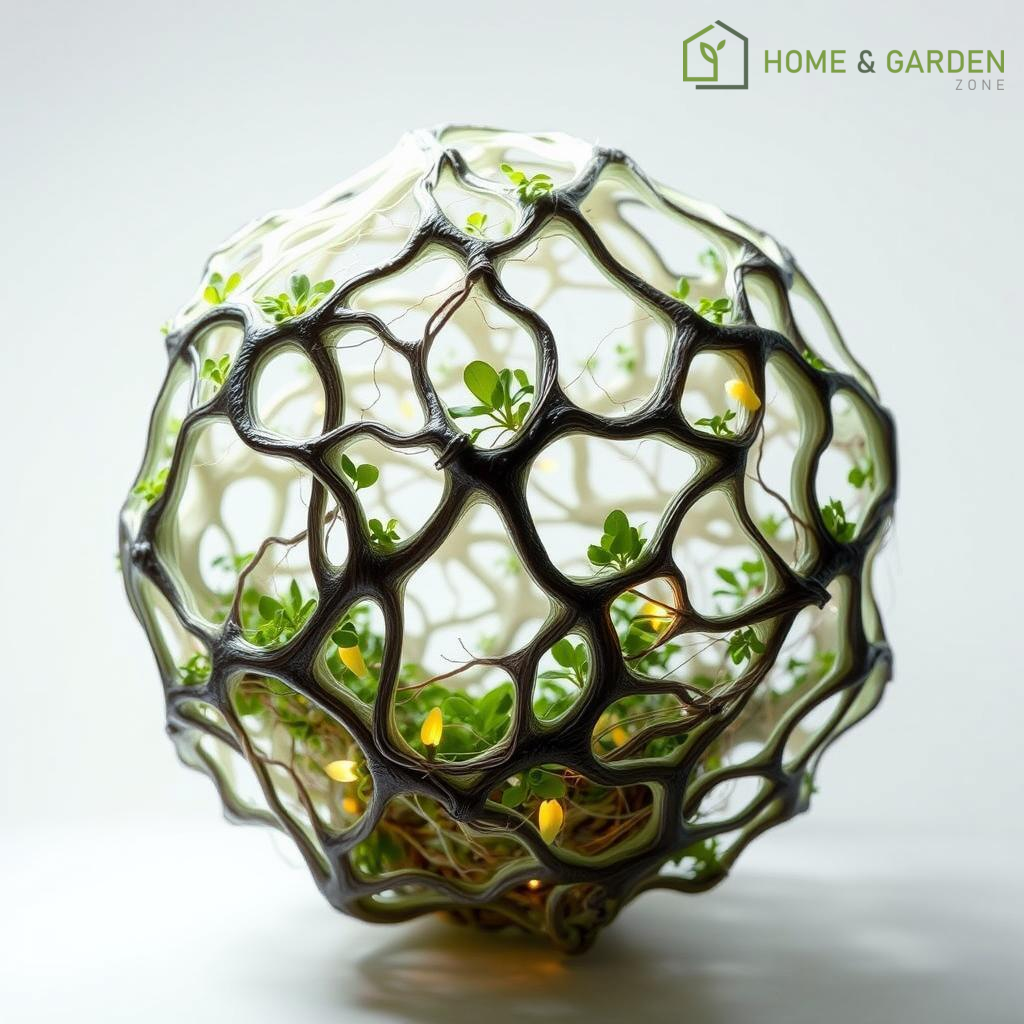
The Symbiotic Revolution: Design Beyond the Static
In an era increasingly focused on sustainability and ecological integration, designer Teresa van Dongen stands at the forefront of a movement that rethinks conventional product development. Her work, deeply rooted in the principles of living systems, challenges the inert nature of traditional objects, instead proposing a future where design actively engages with biological processes.
Van Dongen's profound engagement with microbial energy exemplifies this paradigm shift. She views microorganisms not merely as scientific curiosities but as active collaborators in creating products that are dynamic, responsive, and inherently more sustainable. This approach moves beyond simply mimicking nature; it integrates biological entities directly into the fabric of design, enabling objects to generate light, clean air, or even sustain themselves through natural cycles.
Microbial Futures: Energy and Interaction
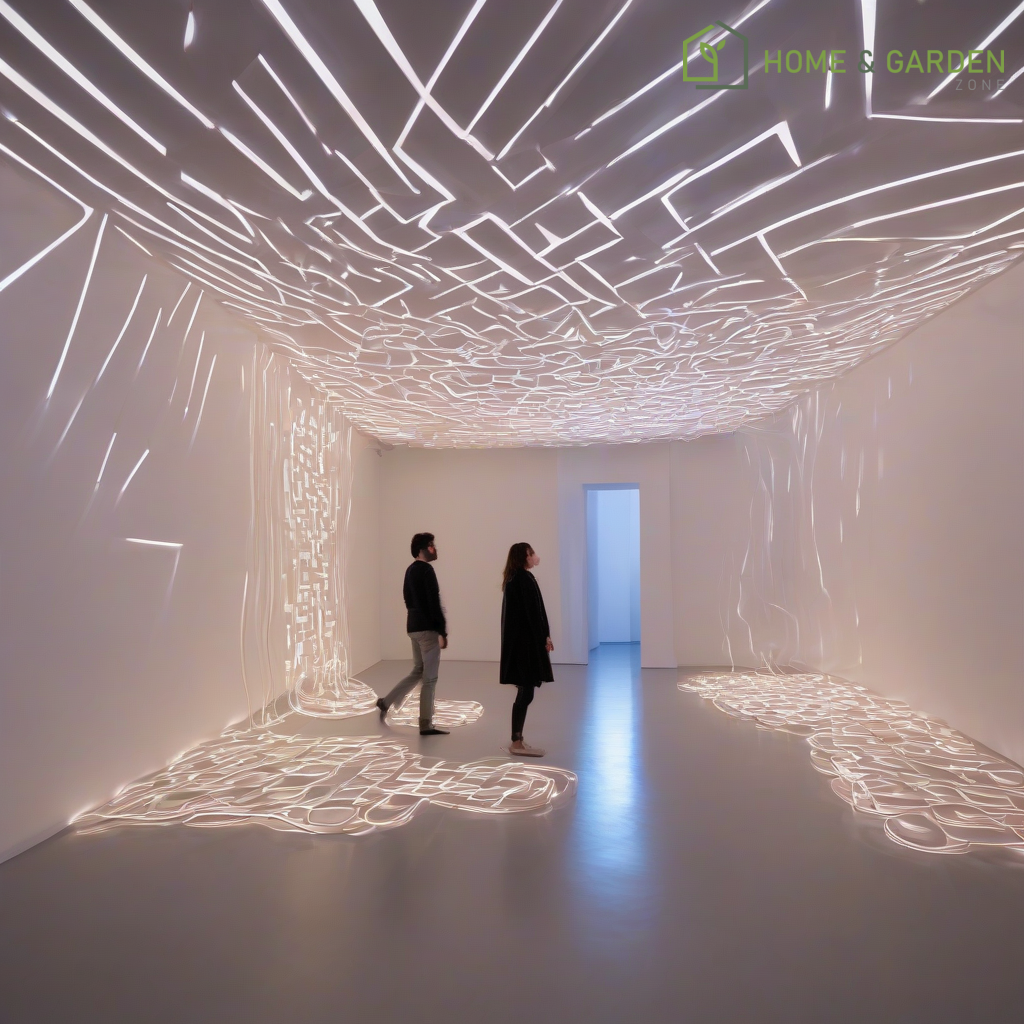
A cornerstone of van Dongen's philosophy is the exploration of microbial fuel cells and bioluminescence. Projects like "One Luminous Dot" and "Spark of Life" brilliantly illustrate how bacteria can be harnessed to produce light, offering alternatives to energy-intensive illumination. These installations are not just functional; they are designed to evoke a sense of wonder and connection, prompting viewers to consider the intricate life forms that share our environment.
The bio-designer reflects on how working with microbial energy fundamentally reshaped her understanding of products. No longer are items passive tools; they become living entities demanding care, observation, and respect. This perspective fosters a deeper connection between humans and their designed environment, moving away from a disposable culture towards one of symbiotic stewardship. The ephemeral nature of some of her biological designs also prompts contemplation on decay and renewal, integral processes often overlooked in industrial production.
Biology as a Transformative Lens for Care and Connection
Van Dongen's work extends beyond energy generation, influencing a broader re-evaluation of "care" in design. If a product is alive, it requires different forms of maintenance and interaction, fostering a more intimate relationship between user and object. This "care" becomes a form of connection, nurturing a sense of responsibility and empathy for the non-human elements within our constructed world.
By integrating living systems, she also addresses the issue of waste and resource depletion. Biological processes, by their very nature, are regenerative and cyclical. This offers a potent antidote to linear manufacturing models that extract, produce, and discard. Her designs often highlight the invisible forces at play, revealing the hidden biological narratives that underpin our existence.
Summary
Teresa van Dongen's visionary approach to design, centered on living systems and microbial energy, marks a significant departure from conventional methods. Her work transforms inanimate objects into dynamic, biological entities, fostering new understandings of product function, user interaction, and environmental responsibility. By engaging with the microscopic world, van Dongen not only creates innovative solutions but also inspires a profound shift in how we perceive and connect with the designed world, advocating for a future where design is inherently alive and symbiotic.
Resources
- Designboom | architecture & design magazine
- Dezeen.com
- Teresa van Dongen Official Website
Details
Author


Latest articles

 }})
You can now watch HBO Max for $10
The Symbiotic Revolution: Design Beyond the Static
In an era increasingly focused on sustainability and ecological integration, designer Teresa van Dongen stands at the forefront of a movement that rethinks conventional product development. Her work, deeply rooted in the principles of living systems, challenges the inert nature of traditional objects, instead proposing a future where design actively engages with biological processes.
Van Dongen's profound engagement with microbial energy exemplifies this paradigm shift. She views microorganisms not merely as scientific curiosities but as active collaborators in creating products that are dynamic, responsive, and inherently more sustainable. This approach moves beyond simply mimicking nature; it integrates biological entities directly into the fabric of design, enabling objects to generate light, clean air, or even sustain themselves through natural cycles.
Microbial Futures: Energy and Interaction
A cornerstone of van Dongen's philosophy is the exploration of microbial fuel cells and bioluminescence. Projects like "One Luminous Dot" and "Spark of Life" brilliantly illustrate how bacteria can be harnessed to produce light, offering alternatives to energy-intensive illumination. These installations are not just functional; they are designed to evoke a sense of wonder and connection, prompting viewers to consider the intricate life forms that share our environment.
The bio-designer reflects on how working with microbial energy fundamentally reshaped her understanding of products. No longer are items passive tools; they become living entities demanding care, observation, and respect. This perspective fosters a deeper connection between humans and their designed environment, moving away from a disposable culture towards one of symbiotic stewardship. The ephemeral nature of some of her biological designs also prompts contemplation on decay and renewal, integral processes often overlooked in industrial production.
Biology as a Transformative Lens for Care and Connection
Van Dongen's work extends beyond energy generation, influencing a broader re-evaluation of "care" in design. If a product is alive, it requires different forms of maintenance and interaction, fostering a more intimate relationship between user and object. This "care" becomes a form of connection, nurturing a sense of responsibility and empathy for the non-human elements within our constructed world.
By integrating living systems, she also addresses the issue of waste and resource depletion. Biological processes, by their very nature, are regenerative and cyclical. This offers a potent antidote to linear manufacturing models that extract, produce, and discard. Her designs often highlight the invisible forces at play, revealing the hidden biological narratives that underpin our existence.
Summary
Teresa van Dongen's visionary approach to design, centered on living systems and microbial energy, marks a significant departure from conventional methods. Her work transforms inanimate objects into dynamic, biological entities, fostering new understandings of product function, user interaction, and environmental responsibility. By engaging with the microscopic world, van Dongen not only creates innovative solutions but also inspires a profound shift in how we perceive and connect with the designed world, advocating for a future where design is inherently alive and symbiotic.
Resources
- Designboom | architecture & design magazine
- Dezeen.com
- Teresa van Dongen Official Website
Latest articles
You can now watch HBO Max for $10
Similar posts

This is a page that only logged-in people can visit. Don't you feel special? Try clicking on a button below to do some things you can't do when you're logged out.
Example modal
At your leisure, please peruse this excerpt from a whale of a tale.
Chapter 1: Loomings.
Call me Ishmael. Some years ago—never mind how long precisely—having little or no money in my purse, and nothing particular to interest me on shore, I thought I would sail about a little and see the watery part of the world. It is a way I have of driving off the spleen and regulating the circulation. Whenever I find myself growing grim about the mouth; whenever it is a damp, drizzly November in my soul; whenever I find myself involuntarily pausing before coffin warehouses, and bringing up the rear of every funeral I meet; and especially whenever my hypos get such an upper hand of me, that it requires a strong moral principle to prevent me from deliberately stepping into the street, and methodically knocking people's hats off—then, I account it high time to get to sea as soon as I can. This is my substitute for pistol and ball. With a philosophical flourish Cato throws himself upon his sword; I quietly take to the ship. There is nothing surprising in this. If they but knew it, almost all men in their degree, some time or other, cherish very nearly the same feelings towards the ocean with me.
Comment