The Evolving Landscape: A Deep Dive into Veddw Garden's Cornfield Redesign
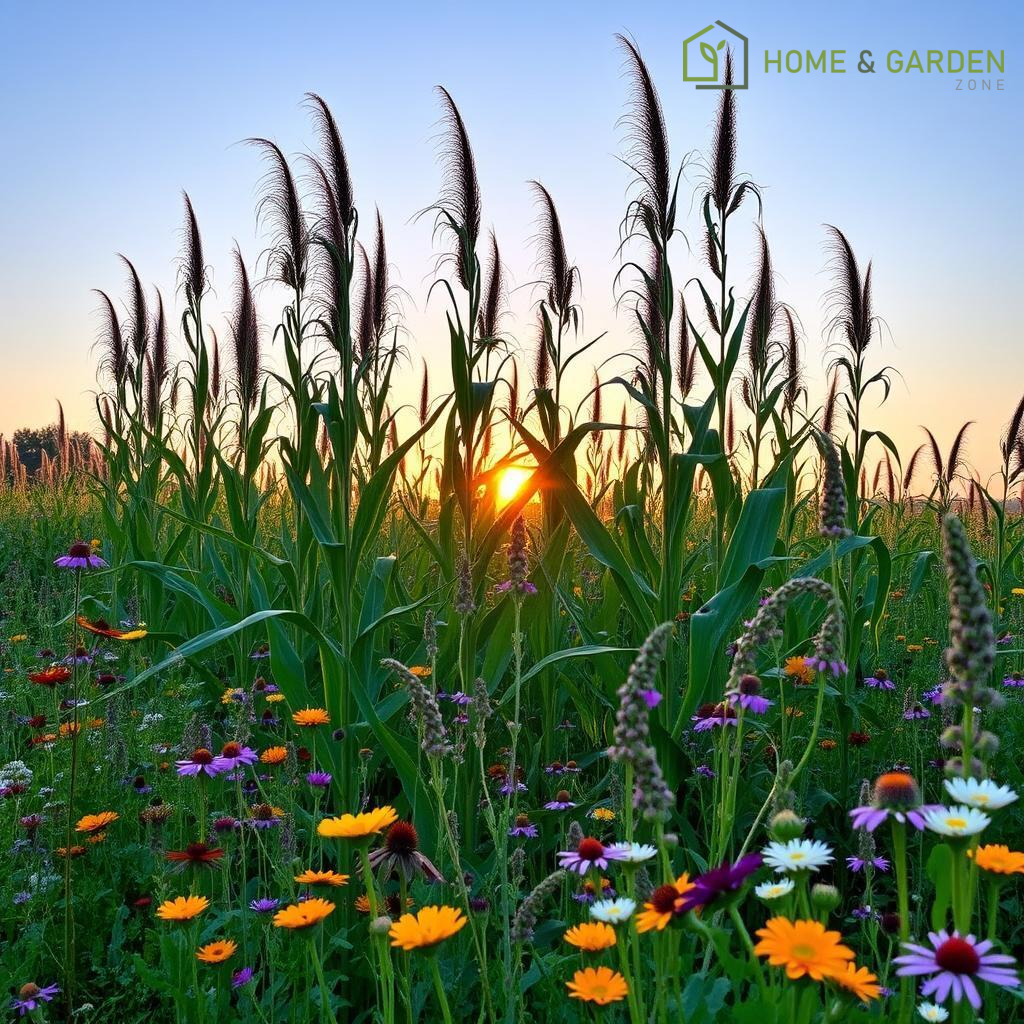
The Persistent Evolution of Veddw Garden's Cornfield
Veddw Garden, renowned for its innovative and often challenging approach to garden design, presents a compelling case study in iterative landscape architecture, particularly evident in its "Cornfield Garden" section. This specific area, as its creator Anne Wareham notes, has undergone no fewer than three significant transformations, a testament to the dynamic and often experimental nature of high-level horticultural design.
The journey of the Cornfield Garden illustrates a designer's unwavering commitment to achieving a vision, even if it requires repeated demolition and reconstruction. Initially conceived, built, and then twice reimagined, the enduring structure now stands with a sense of permanency, a stark contrast to the ever-changing palette of its planting. This fluidity in planting is a hallmark of experimental gardens, where seasonal and conceptual shifts are embraced rather than resisted.
Craftsmanship and Materiality: The Forest of Dean Bricks
A striking feature of the Cornfield Garden, particularly its structural elements, is the use of exquisite handmade bricks. Sourced from a specialized company nestled within the Forest of Dean, these bricks contribute significantly to the garden's unique aesthetic and tactile quality. The selection of such bespoke materials underscores a commitment to authenticity and regional craftsmanship.
The acquisition of "seconds" at a reported bargain price highlights a pragmatic yet artistic approach to material sourcing, blending economic sensibility with an appreciation for artisanal imperfection. These bricks, with their inherent variations and character, tell a story of provenance and skill, grounding the contemporary design firmly within a rich tradition of local manufacturing.
The Philosophy of Continuous Creation
The repeated redesign of the Cornfield Garden encapsulates a core philosophy prevalent at Veddw: that a garden is a living, breathing entity, perpetually in flux and open to reinterpretation. This approach defies the notion of a static, perfected landscape, instead advocating for a continuous dialogue between designer, environment, and evolving horticultural ideas. It is a bold statement against conventional garden planning, celebrating experimentation and the courage to adapt.
While the architectural bones of the Cornfield Garden now appear settled, the acknowledgement that its planting remains subject to change speaks volumes about the dynamic nature of gardening. It suggests that true garden artistry lies not just in the initial conception but in the ongoing process of observation, adaptation, and renewal.
Summary
Veddw Garden's Cornfield Garden stands as a powerful emblem of resilient design and horticultural evolution. Its multiple transformations, from initial concept to its current, more stable structure, underline a commitment to artistic vision and the experimental spirit. The thoughtful integration of handmade bricks from the Forest of Dean not only grounds the garden in local craftsmanship but also adds a layer of rich, tactile history. This garden exemplifies a philosophy where creation is an ongoing journey, with structure providing permanence amidst the dynamic ephemerality of planting.
Resources
- Veddw Garden Official Website
- GardenRant (Original publication platform for the "Making Veddw Garden" series)
- Anne Wareham's Official Website
Details
Author


Latest articles



 }})
You can now watch HBO Max for $10
The Persistent Evolution of Veddw Garden's Cornfield
Veddw Garden, renowned for its innovative and often challenging approach to garden design, presents a compelling case study in iterative landscape architecture, particularly evident in its "Cornfield Garden" section. This specific area, as its creator Anne Wareham notes, has undergone no fewer than three significant transformations, a testament to the dynamic and often experimental nature of high-level horticultural design.
The journey of the Cornfield Garden illustrates a designer's unwavering commitment to achieving a vision, even if it requires repeated demolition and reconstruction. Initially conceived, built, and then twice reimagined, the enduring structure now stands with a sense of permanency, a stark contrast to the ever-changing palette of its planting. This fluidity in planting is a hallmark of experimental gardens, where seasonal and conceptual shifts are embraced rather than resisted.
Craftsmanship and Materiality: The Forest of Dean Bricks
A striking feature of the Cornfield Garden, particularly its structural elements, is the use of exquisite handmade bricks. Sourced from a specialized company nestled within the Forest of Dean, these bricks contribute significantly to the garden's unique aesthetic and tactile quality. The selection of such bespoke materials underscores a commitment to authenticity and regional craftsmanship.
The acquisition of "seconds" at a reported bargain price highlights a pragmatic yet artistic approach to material sourcing, blending economic sensibility with an appreciation for artisanal imperfection. These bricks, with their inherent variations and character, tell a story of provenance and skill, grounding the contemporary design firmly within a rich tradition of local manufacturing.
The Philosophy of Continuous Creation
The repeated redesign of the Cornfield Garden encapsulates a core philosophy prevalent at Veddw: that a garden is a living, breathing entity, perpetually in flux and open to reinterpretation. This approach defies the notion of a static, perfected landscape, instead advocating for a continuous dialogue between designer, environment, and evolving horticultural ideas. It is a bold statement against conventional garden planning, celebrating experimentation and the courage to adapt.
While the architectural bones of the Cornfield Garden now appear settled, the acknowledgement that its planting remains subject to change speaks volumes about the dynamic nature of gardening. It suggests that true garden artistry lies not just in the initial conception but in the ongoing process of observation, adaptation, and renewal.
Summary
Veddw Garden's Cornfield Garden stands as a powerful emblem of resilient design and horticultural evolution. Its multiple transformations, from initial concept to its current, more stable structure, underline a commitment to artistic vision and the experimental spirit. The thoughtful integration of handmade bricks from the Forest of Dean not only grounds the garden in local craftsmanship but also adds a layer of rich, tactile history. This garden exemplifies a philosophy where creation is an ongoing journey, with structure providing permanence amidst the dynamic ephemerality of planting.
Resources
- Veddw Garden Official Website
- GardenRant (Original publication platform for the "Making Veddw Garden" series)
- Anne Wareham's Official Website
Latest articles
You can now watch HBO Max for $10
Similar posts
This is a page that only logged-in people can visit. Don't you feel special? Try clicking on a button below to do some things you can't do when you're logged out.
Example modal
At your leisure, please peruse this excerpt from a whale of a tale.
Chapter 1: Loomings.
Call me Ishmael. Some years ago—never mind how long precisely—having little or no money in my purse, and nothing particular to interest me on shore, I thought I would sail about a little and see the watery part of the world. It is a way I have of driving off the spleen and regulating the circulation. Whenever I find myself growing grim about the mouth; whenever it is a damp, drizzly November in my soul; whenever I find myself involuntarily pausing before coffin warehouses, and bringing up the rear of every funeral I meet; and especially whenever my hypos get such an upper hand of me, that it requires a strong moral principle to prevent me from deliberately stepping into the street, and methodically knocking people's hats off—then, I account it high time to get to sea as soon as I can. This is my substitute for pistol and ball. With a philosophical flourish Cato throws himself upon his sword; I quietly take to the ship. There is nothing surprising in this. If they but knew it, almost all men in their degree, some time or other, cherish very nearly the same feelings towards the ocean with me.
Comment