Cateto Club: Reimagining the Costa del Sol's Transient Allure Through Architectural Afterglow
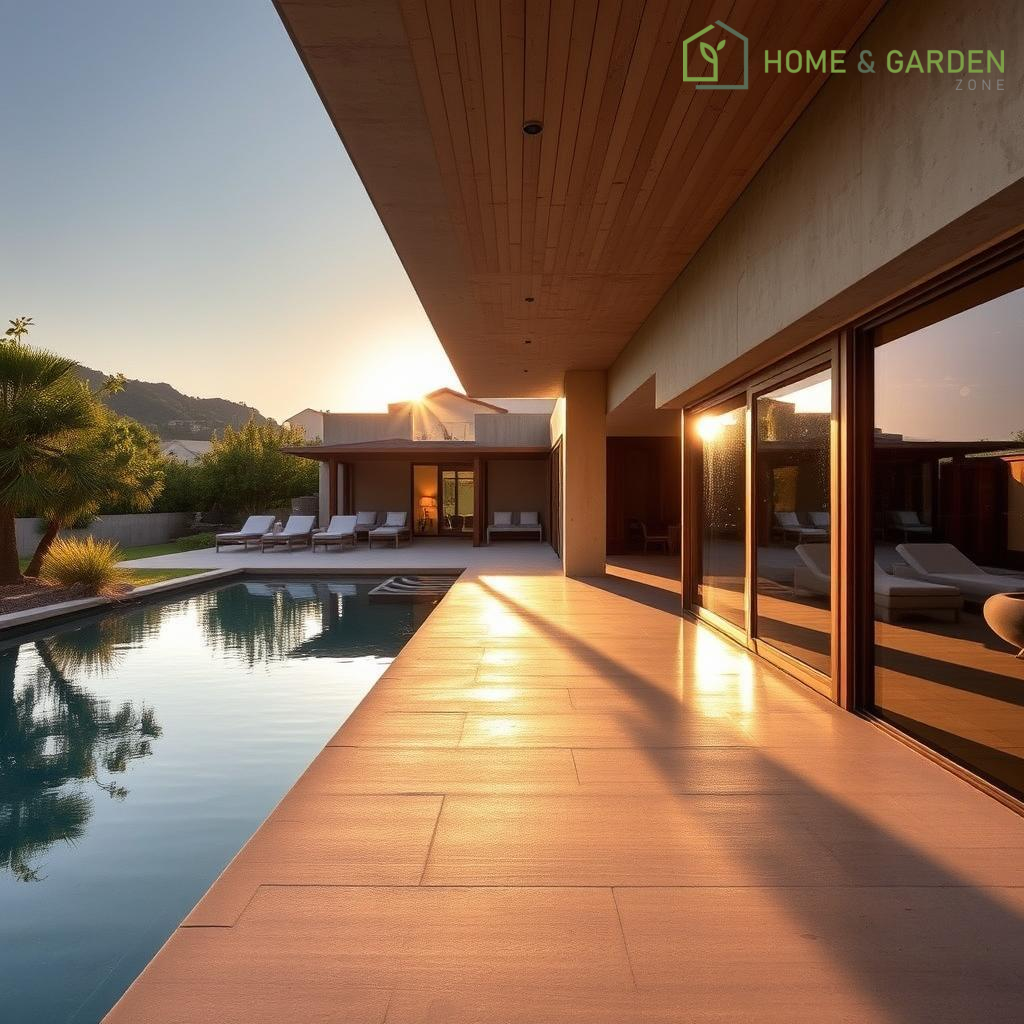
The Architecture of Memory and Place
The Costa del Sol, a sun-drenched stretch of southern Spain, has long been a canvas for shifting identities—from quaint fishing villages to a global tourism hotspot, marked by both opulent glamour and a distinctive roadside grit. It is within this complex tapestry that the Cateto Club emerges, not merely as a structure, but as a profound architectural statement, aptly termed an "Architecture of Afterglow." This concept channels the region's inherent dichotomies into a contemporary meditation on its spirit, offering a fresh lens through which to perceive its unique sense of place.
Capturing the Costa del Sol's Essence
Cateto Club deliberately avoids superficial pastiche, instead delving into the deeper, often overlooked, qualities that define the Costa del Sol. The "glamour" is interpreted not just as overt luxury, but as the enduring allure of its landscapes, the sparkle of its Mediterranean light, and the residual elegance of its mid-century modern developments. Simultaneously, the "roughness" is acknowledged through an appreciation for vernacular materials, the honest patina of age, and the pragmatic structures that dot the region's periphery. This interplay creates a dynamic tension, mirroring the area's evolution from idyllic retreat to a bustling, multi-faceted destination.
The Spectacle and the Sublime
Central to the Cateto Club's philosophy is the integration of the "roadside spectacle." This refers to the informal, often spontaneous, architectural and commercial expressions that line the region's thoroughfares—signage, petrol stations, roadside eateries, and unpretentious homes. Rather than dismissing these elements, the project elevates them, recognizing their intrinsic role in the Costa del Sol's visual and cultural lexicon. The "afterglow" itself speaks to the lingering impressions left by these transient experiences, the way a sunset leaves a lasting warmth, or a fleeting encounter leaves an indelible mark. It's about the residue of experience, distilled into built form.
Materiality and Form: Echoes of an Era
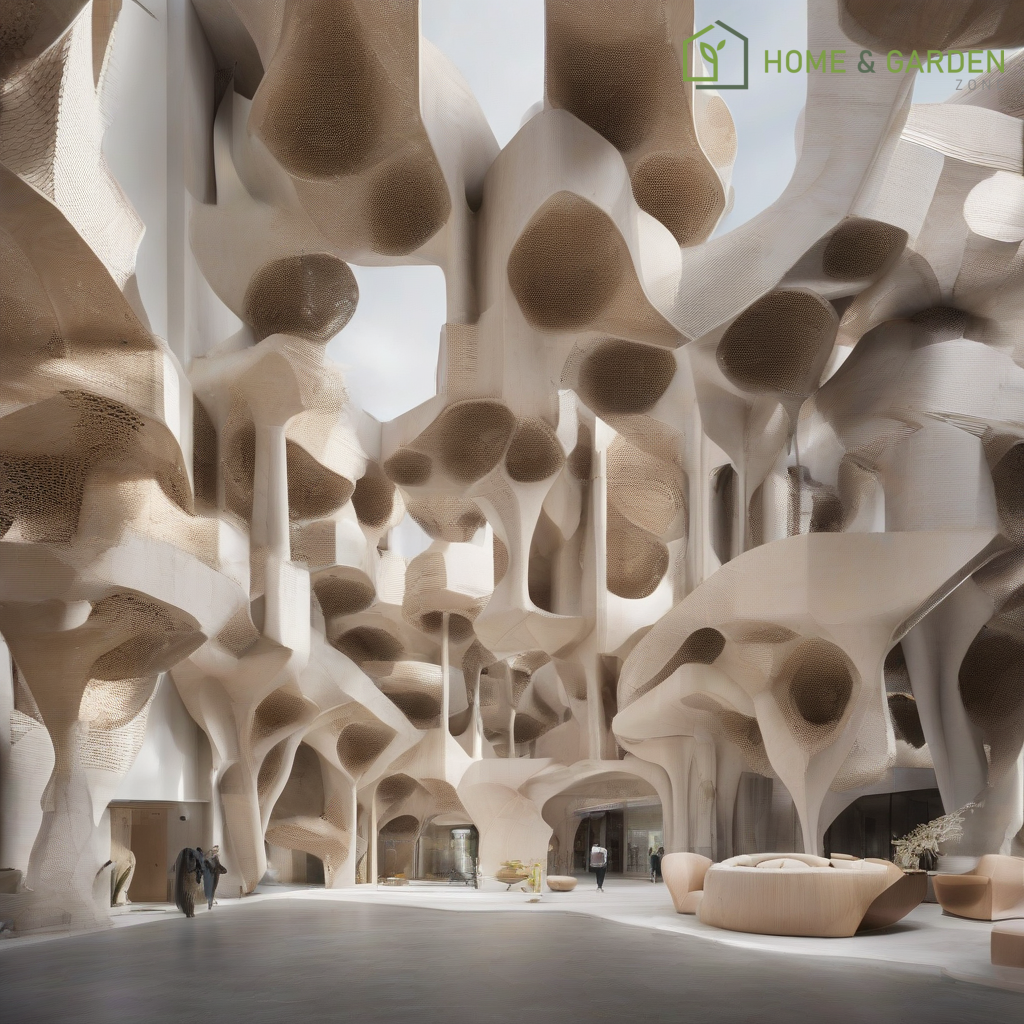
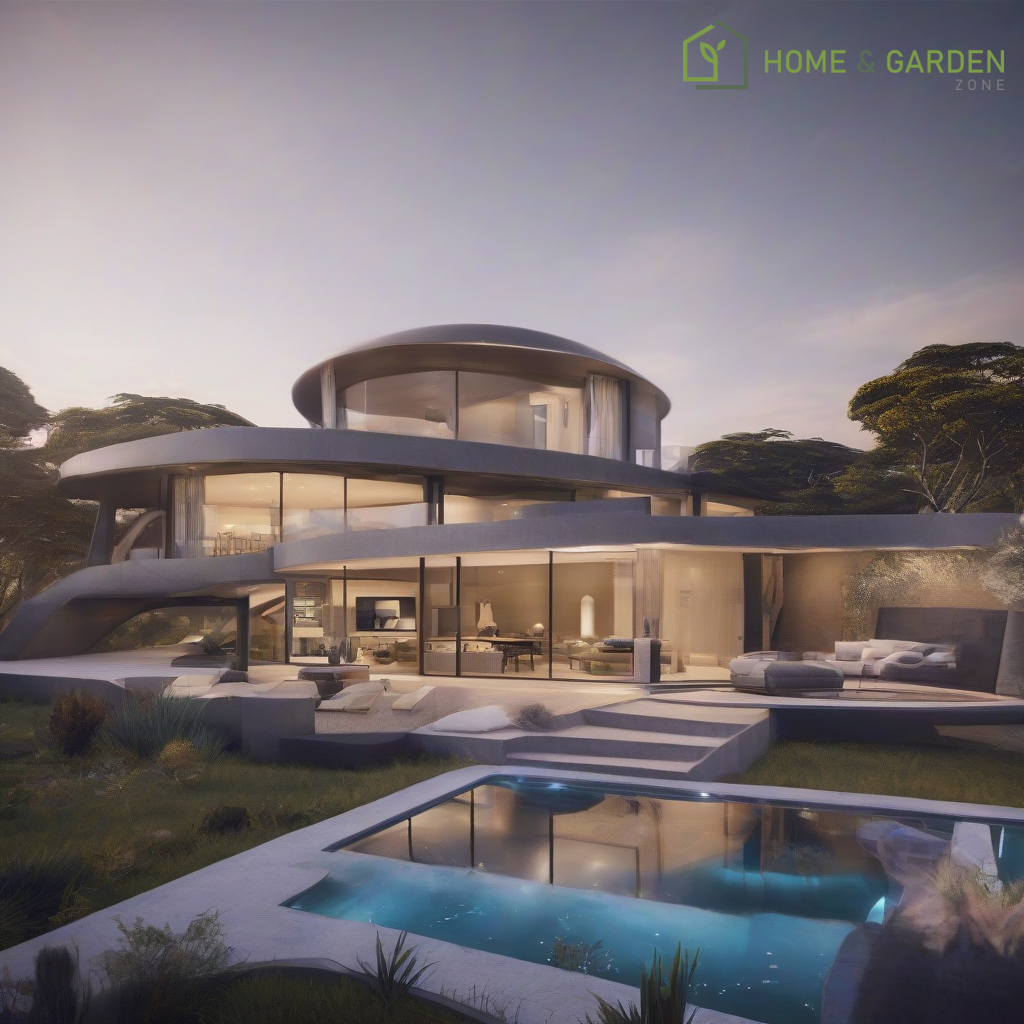
The architectural language of Cateto Club is characterized by a thoughtful selection of materials and forms that subtly evoke the region's past while firmly grounding it in the present. Textures, colors, and spatial arrangements are designed to reflect the local climate and material palette, fostering a dialogue between the building and its environment. There is a conscious effort to blend indoor and outdoor spaces, blurring boundaries in a manner reminiscent of traditional Mediterranean living, yet executed with a modern sensibility.
Summary
Cateto Club is more than a building; it is a critical re-evaluation of the Costa del Sol's identity, translated into an architectural language that is both sophisticated and deeply rooted. By embracing the glamour, roughness, and roadside spectacle, it crafts an "Architecture of Afterglow" that celebrates the layered complexities of a region often reduced to its tourist clichés. It stands as a contemporary meditation on how architecture can capture the intangible essence of a place, making the fleeting permanent and the ordinary extraordinary.
Resources
Details
Author



Latest articles


 }})
You can now watch HBO Max for $10
The Architecture of Memory and Place
The Costa del Sol, a sun-drenched stretch of southern Spain, has long been a canvas for shifting identities—from quaint fishing villages to a global tourism hotspot, marked by both opulent glamour and a distinctive roadside grit. It is within this complex tapestry that the Cateto Club emerges, not merely as a structure, but as a profound architectural statement, aptly termed an "Architecture of Afterglow." This concept channels the region's inherent dichotomies into a contemporary meditation on its spirit, offering a fresh lens through which to perceive its unique sense of place.
Capturing the Costa del Sol's Essence
Cateto Club deliberately avoids superficial pastiche, instead delving into the deeper, often overlooked, qualities that define the Costa del Sol. The "glamour" is interpreted not just as overt luxury, but as the enduring allure of its landscapes, the sparkle of its Mediterranean light, and the residual elegance of its mid-century modern developments. Simultaneously, the "roughness" is acknowledged through an appreciation for vernacular materials, the honest patina of age, and the pragmatic structures that dot the region's periphery. This interplay creates a dynamic tension, mirroring the area's evolution from idyllic retreat to a bustling, multi-faceted destination.
The Spectacle and the Sublime
Central to the Cateto Club's philosophy is the integration of the "roadside spectacle." This refers to the informal, often spontaneous, architectural and commercial expressions that line the region's thoroughfares—signage, petrol stations, roadside eateries, and unpretentious homes. Rather than dismissing these elements, the project elevates them, recognizing their intrinsic role in the Costa del Sol's visual and cultural lexicon. The "afterglow" itself speaks to the lingering impressions left by these transient experiences, the way a sunset leaves a lasting warmth, or a fleeting encounter leaves an indelible mark. It's about the residue of experience, distilled into built form.
Materiality and Form: Echoes of an Era
The architectural language of Cateto Club is characterized by a thoughtful selection of materials and forms that subtly evoke the region's past while firmly grounding it in the present. Textures, colors, and spatial arrangements are designed to reflect the local climate and material palette, fostering a dialogue between the building and its environment. There is a conscious effort to blend indoor and outdoor spaces, blurring boundaries in a manner reminiscent of traditional Mediterranean living, yet executed with a modern sensibility.
Summary
Cateto Club is more than a building; it is a critical re-evaluation of the Costa del Sol's identity, translated into an architectural language that is both sophisticated and deeply rooted. By embracing the glamour, roughness, and roadside spectacle, it crafts an "Architecture of Afterglow" that celebrates the layered complexities of a region often reduced to its tourist clichés. It stands as a contemporary meditation on how architecture can capture the intangible essence of a place, making the fleeting permanent and the ordinary extraordinary.
Resources
Latest articles
You can now watch HBO Max for $10
Similar posts



This is a page that only logged-in people can visit. Don't you feel special? Try clicking on a button below to do some things you can't do when you're logged out.
Example modal
At your leisure, please peruse this excerpt from a whale of a tale.
Chapter 1: Loomings.
Call me Ishmael. Some years ago—never mind how long precisely—having little or no money in my purse, and nothing particular to interest me on shore, I thought I would sail about a little and see the watery part of the world. It is a way I have of driving off the spleen and regulating the circulation. Whenever I find myself growing grim about the mouth; whenever it is a damp, drizzly November in my soul; whenever I find myself involuntarily pausing before coffin warehouses, and bringing up the rear of every funeral I meet; and especially whenever my hypos get such an upper hand of me, that it requires a strong moral principle to prevent me from deliberately stepping into the street, and methodically knocking people's hats off—then, I account it high time to get to sea as soon as I can. This is my substitute for pistol and ball. With a philosophical flourish Cato throws himself upon his sword; I quietly take to the ship. There is nothing surprising in this. If they but knew it, almost all men in their degree, some time or other, cherish very nearly the same feelings towards the ocean with me.
Comment