Reimagining the Sanctuary: Modern Approaches to Bedroom Design for Enhanced Well-being
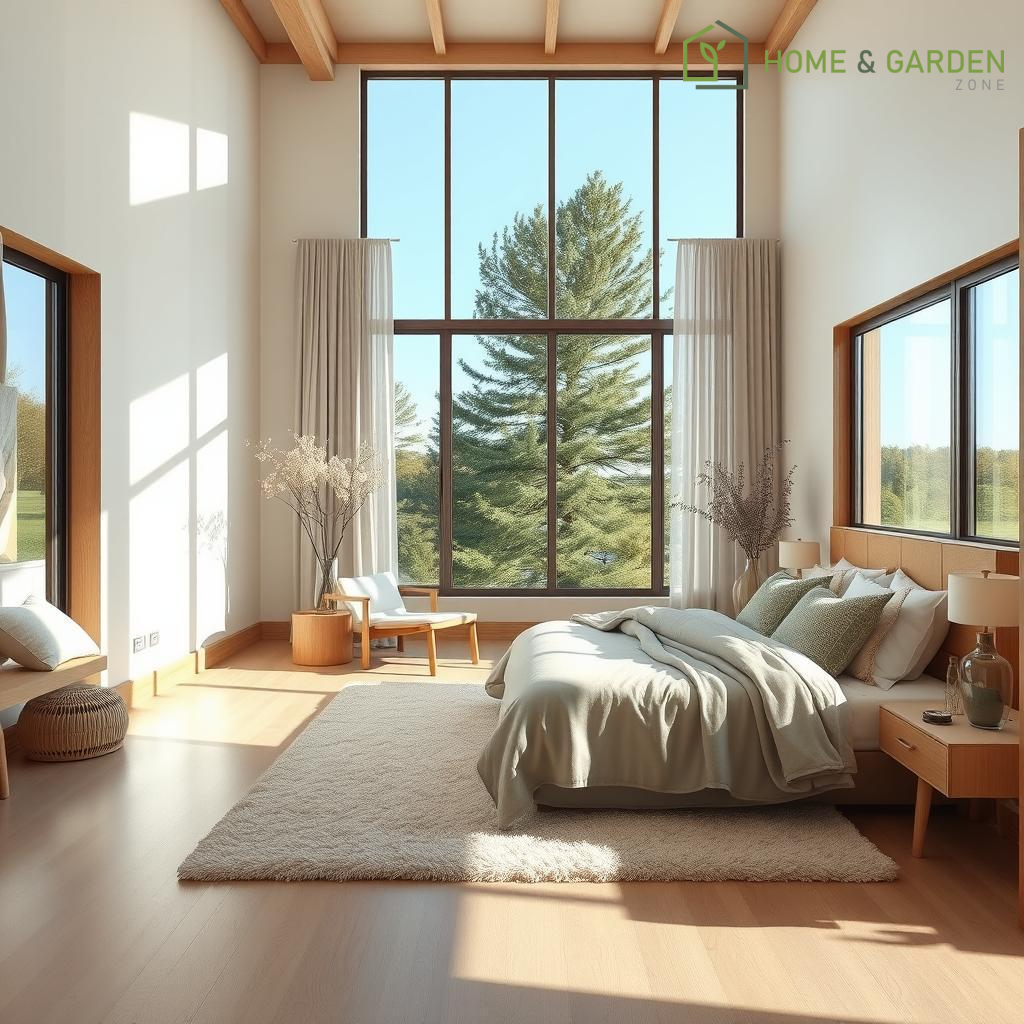
The bedroom, often considered the most personal space within a dwelling, is undergoing a significant transformation. Beyond its traditional role as a mere sleeping quarter, it is increasingly viewed as a multi-functional sanctuary for rest, rejuvenation, and individual expression. Contemporary design philosophies emphasize creating environments that actively contribute to well-being, moving beyond superficial aesthetics to embrace thoughtful functionality, sustainable practices, and a profound connection to the natural world.
The Evolving Bedroom Aesthetic
Modern bedroom design transcends fleeting trends, focusing instead on timeless principles that enhance the user experience. This evolution reflects a growing awareness of how our immediate surroundings influence our mood, productivity, and overall health.
Biophilic Integration: Connecting with Nature Indoors
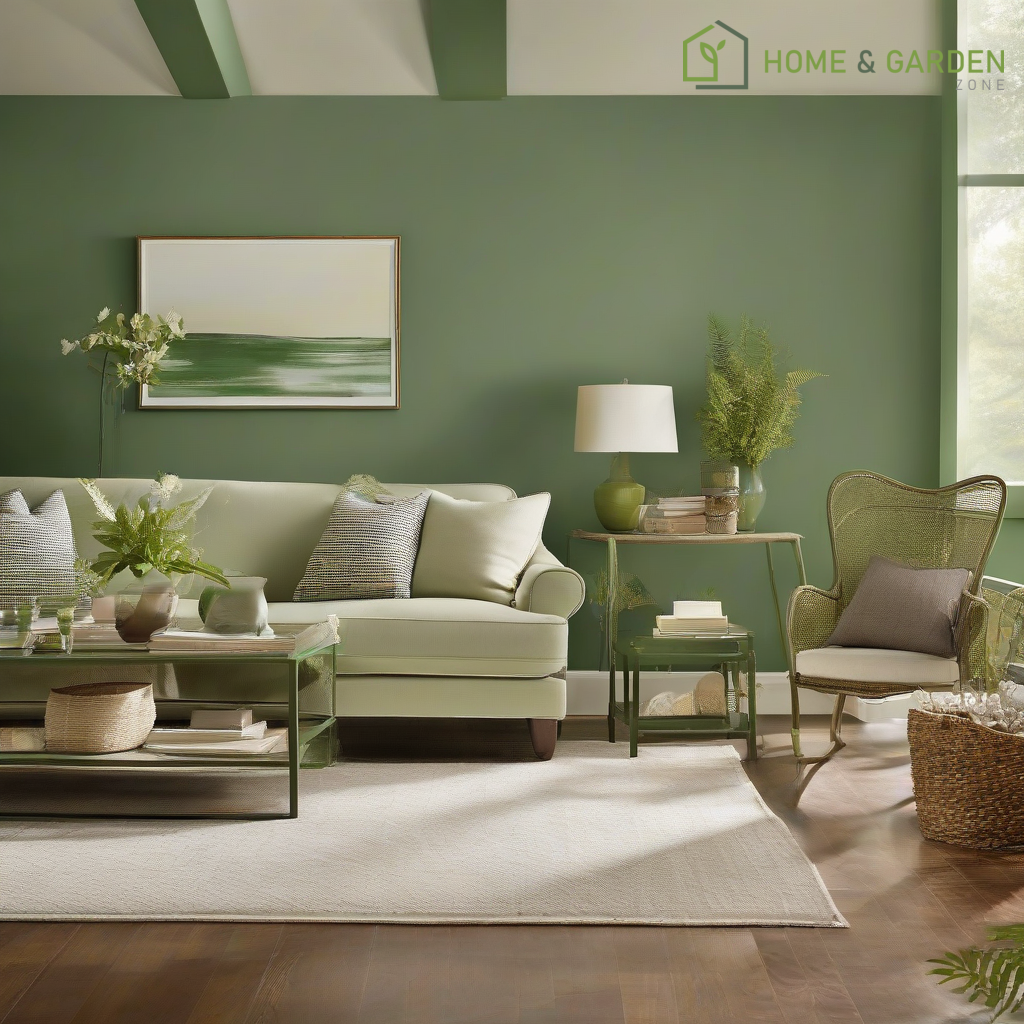
A prominent shift in design is the integration of biophilic elements. This approach seeks to bring the calming and revitalizing aspects of nature indoors. Incorporating natural materials such as wood, stone, and linen, along with strategic placement of indoor plants, fosters a sense of tranquility. Large windows that frame natural vistas, or even art depicting natural landscapes, can further enhance this connection, contributing to a more serene and less stressful environment.
Smart Functionality, Seamless Living
While technology has permeated every aspect of modern life, its integration into the bedroom demands subtlety. Smart home systems for lighting, climate control, and sound are now designed to be almost imperceptible, operating seamlessly in the background to optimize comfort without creating visual clutter. The focus is on enhancing relaxation and convenience—for instance, automated blackout blinds for better sleep hygiene or tunable lighting that adjusts to mimic natural daylight cycles.
Sustainable Choices for a Conscious Retreat
The imperative for sustainable living extends robustly into bedroom design. Consumers and designers alike are prioritizing furniture and decor crafted from recycled, reclaimed, or sustainably sourced materials. This includes ethically produced textiles, low-VOC paints, and furniture built to last, reducing the overall environmental footprint. Supporting local artisans and businesses also plays a role in fostering a more conscious and responsible approach to interior design.
Crafting Your Personal Haven
Translating these evolving aesthetics into a tangible space involves deliberate choices in color, texture, and layout.
Palette and Texture: The Art of Sensory Design
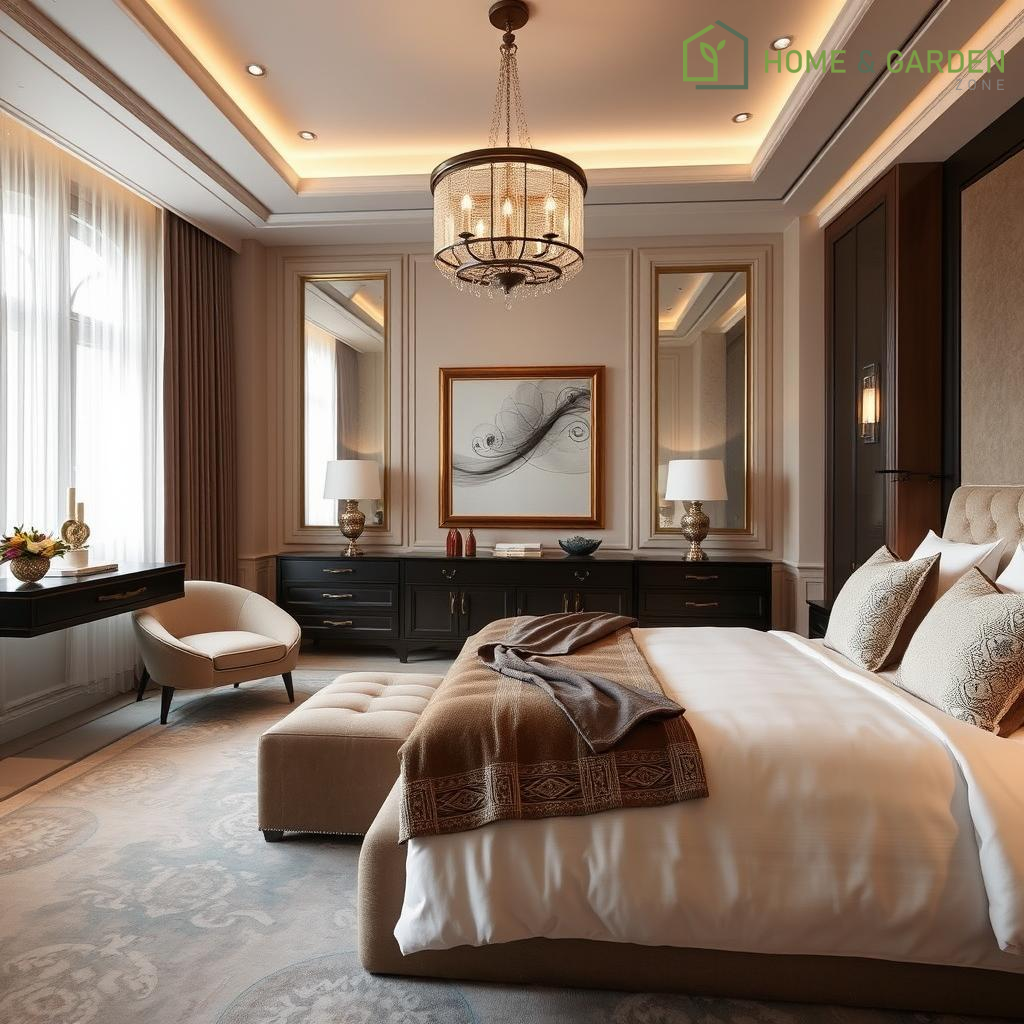
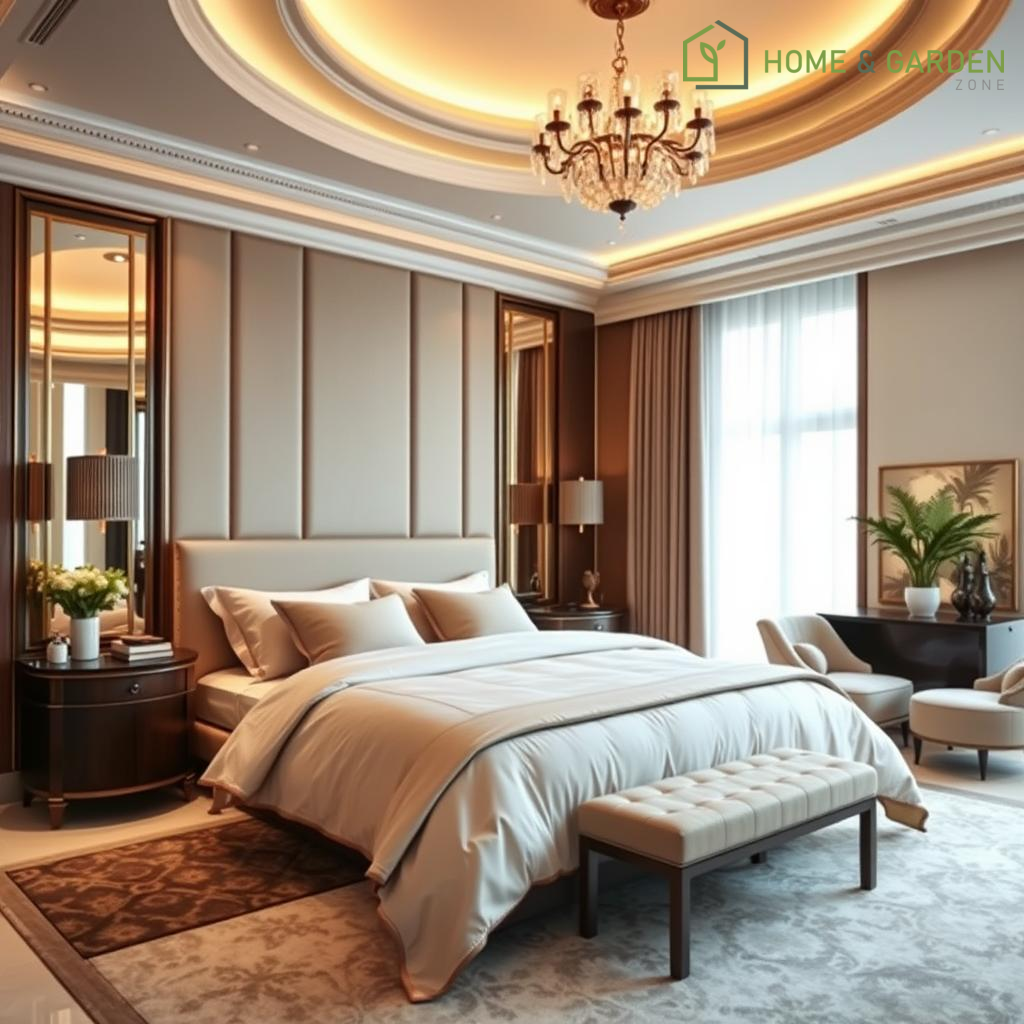
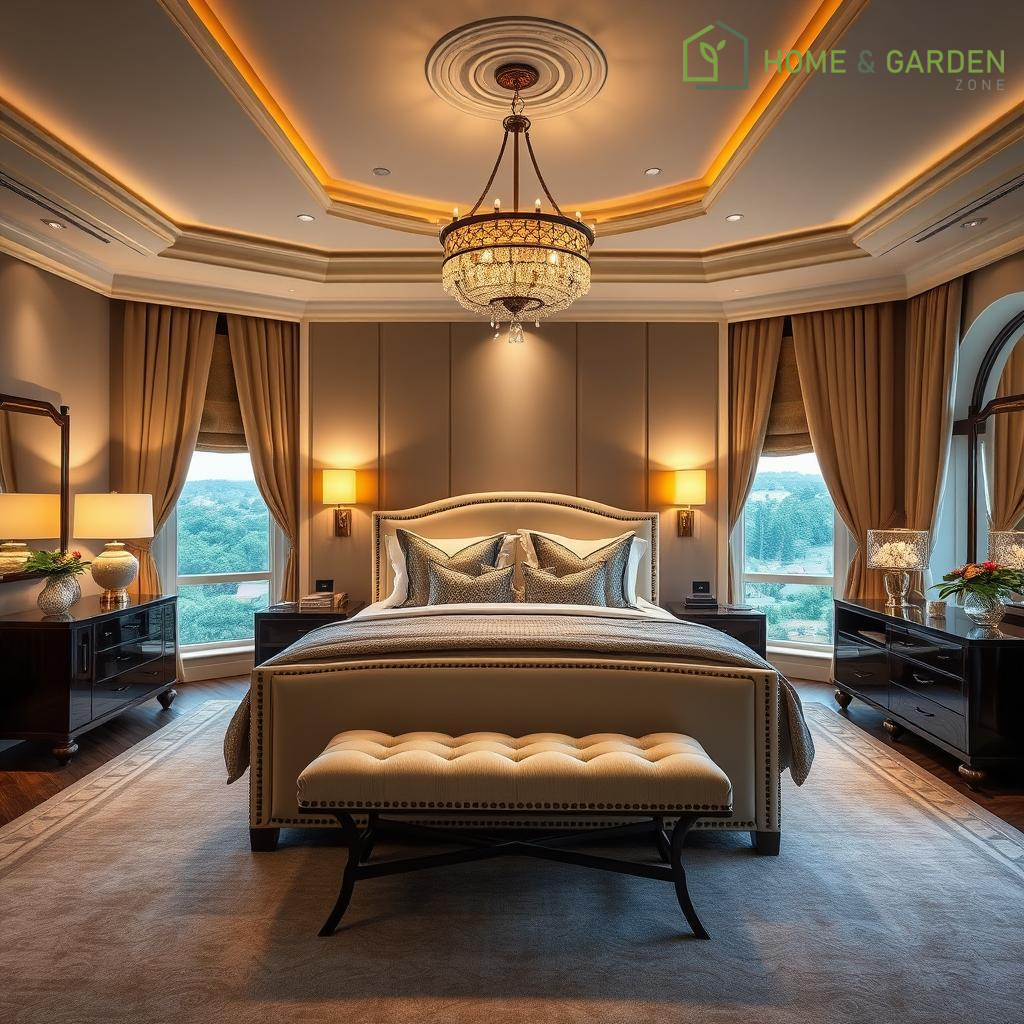
The selection of a color palette is foundational to setting the mood. Soft, muted tones—think calming blues, earthy greens, warm grays, and serene neutrals—dominate contemporary bedroom schemes, promoting relaxation. These palettes are often enriched by varied textures through bedding, rugs, curtains, and upholstered furniture. Layering different materials like soft knits, crisp cottons, plush velvets, and rugged linens adds depth, warmth, and a tactile richness that invites comfort.
Intentional Layout and Furnishings: Maximizing Space and Comfort
A well-considered layout ensures both functionality and flow. In smaller spaces, multi-functional furniture, such as beds with integrated storage or modular units, maximizes utility without compromising style. The choice of furnishings leans towards clean lines and ergonomic designs that prioritize comfort. Adequate lighting, incorporating a mix of ambient, task, and accent lighting, plays a crucial role in creating a versatile and inviting atmosphere at different times of the day.
Summary
The modern bedroom transcends its traditional definition, evolving into a meticulously designed sanctuary that supports holistic well-being. By integrating biophilic principles, thoughtful technology, and sustainable choices, individuals can create a personal haven that not only looks appealing but also profoundly enhances their quality of life. The emphasis is on crafting a space that is both aesthetically pleasing and deeply conducive to rest, rejuvenation, and personal harmony.
Resources
- Architectural Digest
- Houzz
- Interior Design Magazine
Details
Author


Latest articles



 }})
You can now watch HBO Max for $10
The bedroom, often considered the most personal space within a dwelling, is undergoing a significant transformation. Beyond its traditional role as a mere sleeping quarter, it is increasingly viewed as a multi-functional sanctuary for rest, rejuvenation, and individual expression. Contemporary design philosophies emphasize creating environments that actively contribute to well-being, moving beyond superficial aesthetics to embrace thoughtful functionality, sustainable practices, and a profound connection to the natural world.
The Evolving Bedroom Aesthetic
Modern bedroom design transcends fleeting trends, focusing instead on timeless principles that enhance the user experience. This evolution reflects a growing awareness of how our immediate surroundings influence our mood, productivity, and overall health.
Biophilic Integration: Connecting with Nature Indoors
A prominent shift in design is the integration of biophilic elements. This approach seeks to bring the calming and revitalizing aspects of nature indoors. Incorporating natural materials such as wood, stone, and linen, along with strategic placement of indoor plants, fosters a sense of tranquility. Large windows that frame natural vistas, or even art depicting natural landscapes, can further enhance this connection, contributing to a more serene and less stressful environment.
Smart Functionality, Seamless Living
While technology has permeated every aspect of modern life, its integration into the bedroom demands subtlety. Smart home systems for lighting, climate control, and sound are now designed to be almost imperceptible, operating seamlessly in the background to optimize comfort without creating visual clutter. The focus is on enhancing relaxation and convenience—for instance, automated blackout blinds for better sleep hygiene or tunable lighting that adjusts to mimic natural daylight cycles.
Sustainable Choices for a Conscious Retreat
The imperative for sustainable living extends robustly into bedroom design. Consumers and designers alike are prioritizing furniture and decor crafted from recycled, reclaimed, or sustainably sourced materials. This includes ethically produced textiles, low-VOC paints, and furniture built to last, reducing the overall environmental footprint. Supporting local artisans and businesses also plays a role in fostering a more conscious and responsible approach to interior design.
Crafting Your Personal Haven
Translating these evolving aesthetics into a tangible space involves deliberate choices in color, texture, and layout.
Palette and Texture: The Art of Sensory Design
The selection of a color palette is foundational to setting the mood. Soft, muted tones—think calming blues, earthy greens, warm grays, and serene neutrals—dominate contemporary bedroom schemes, promoting relaxation. These palettes are often enriched by varied textures through bedding, rugs, curtains, and upholstered furniture. Layering different materials like soft knits, crisp cottons, plush velvets, and rugged linens adds depth, warmth, and a tactile richness that invites comfort.
Intentional Layout and Furnishings: Maximizing Space and Comfort
A well-considered layout ensures both functionality and flow. In smaller spaces, multi-functional furniture, such as beds with integrated storage or modular units, maximizes utility without compromising style. The choice of furnishings leans towards clean lines and ergonomic designs that prioritize comfort. Adequate lighting, incorporating a mix of ambient, task, and accent lighting, plays a crucial role in creating a versatile and inviting atmosphere at different times of the day.
Summary
The modern bedroom transcends its traditional definition, evolving into a meticulously designed sanctuary that supports holistic well-being. By integrating biophilic principles, thoughtful technology, and sustainable choices, individuals can create a personal haven that not only looks appealing but also profoundly enhances their quality of life. The emphasis is on crafting a space that is both aesthetically pleasing and deeply conducive to rest, rejuvenation, and personal harmony.
Resources
- Architectural Digest
- Houzz
- Interior Design Magazine
Latest articles
You can now watch HBO Max for $10
Similar posts

This is a page that only logged-in people can visit. Don't you feel special? Try clicking on a button below to do some things you can't do when you're logged out.
Example modal
At your leisure, please peruse this excerpt from a whale of a tale.
Chapter 1: Loomings.
Call me Ishmael. Some years ago—never mind how long precisely—having little or no money in my purse, and nothing particular to interest me on shore, I thought I would sail about a little and see the watery part of the world. It is a way I have of driving off the spleen and regulating the circulation. Whenever I find myself growing grim about the mouth; whenever it is a damp, drizzly November in my soul; whenever I find myself involuntarily pausing before coffin warehouses, and bringing up the rear of every funeral I meet; and especially whenever my hypos get such an upper hand of me, that it requires a strong moral principle to prevent me from deliberately stepping into the street, and methodically knocking people's hats off—then, I account it high time to get to sea as soon as I can. This is my substitute for pistol and ball. With a philosophical flourish Cato throws himself upon his sword; I quietly take to the ship. There is nothing surprising in this. If they but knew it, almost all men in their degree, some time or other, cherish very nearly the same feelings towards the ocean with me.
Comment