The Elusive Snickerdoodle: Crafting the Classic Cinnamon Sugar Cookie Without Cream of Tartar
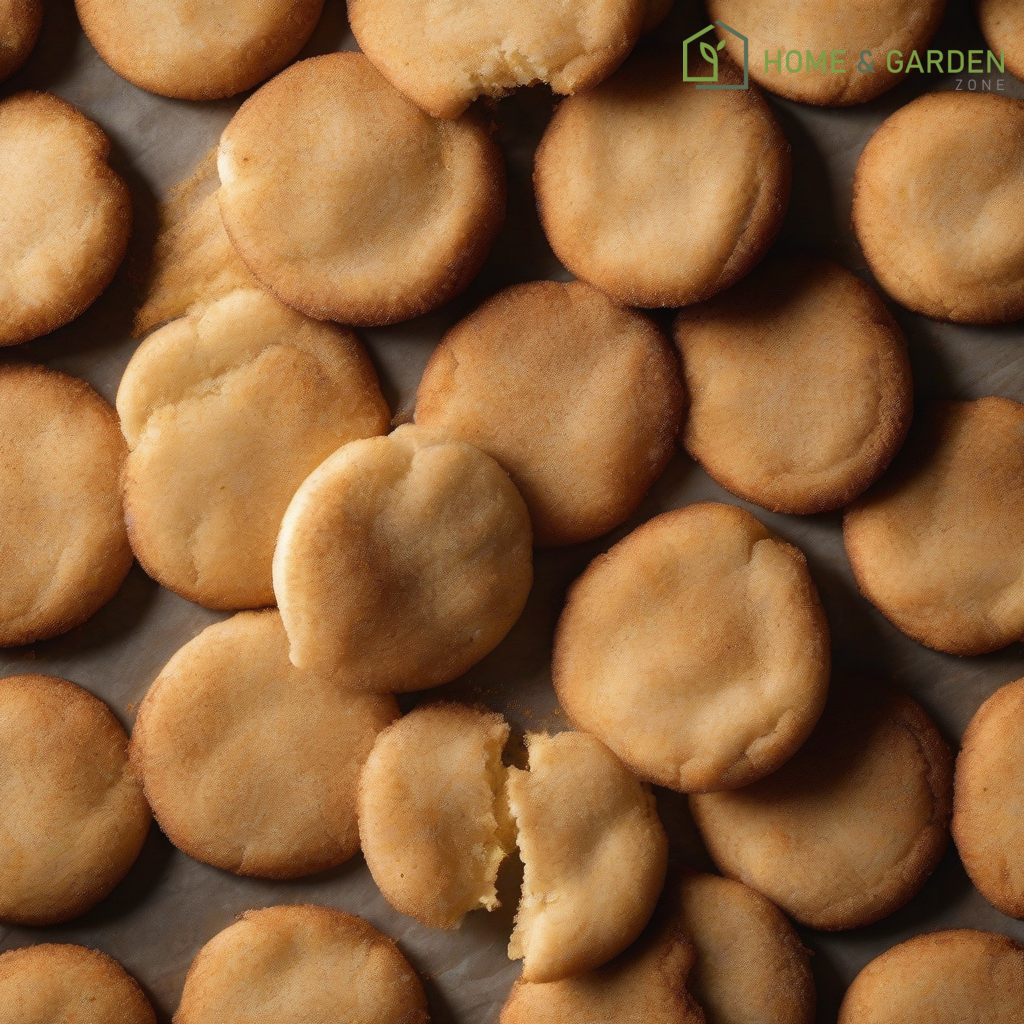
Snickerdoodles hold a special place in the hearts of many, revered for their distinctive soft, chewy texture and the comforting embrace of cinnamon sugar. For my husband, they represent a pinnacle of home baking. Yet, the very name of this beloved cookie remains an enigma, with culinary historians and enthusiasts alike debating its origins. Theories range from a German lineage, perhaps a playful corruption of "Schneckennudel" (a type of German pastry), to roots deep within Pennsylvania Dutch culinary traditions. Regardless of its etymological journey, the Snickerdoodle has solidified its status as an American classic.
The Culinary Role of Cream of Tartar
Traditionally, cream of tartar (potassium bitartrate) is considered a hallmark ingredient in Snickerdoodle recipes. This acidic powder plays a multifaceted role, contributing significantly to the cookie's signature characteristics:
- Leavening: When combined with baking soda, cream of tartar acts as a leavening agent, producing carbon dioxide gas that helps the cookies rise, yielding their characteristic puffy appearance before settling into a crinkly top.
- Texture: It prevents the sugar in the dough from crystallizing too quickly, which is crucial for achieving the desired soft, chewy interior rather than a crisp, brittle cookie. It also contributes to the cookie's distinct "tang" that balances the sweetness.
- Flavor: The subtle acidity imparts a unique, slightly tart counterpoint to the rich sweetness of the cinnamon-sugar coating.
Reimagining the Snickerdoodle: No Cream of Tartar Necessary
While cream of tartar is traditional, its absence does not preclude the creation of a delicious Snickerdoodle. Modern baking techniques and ingredient substitutions allow for equally satisfying results. When cream of tartar is omitted, the primary challenges are replicating the specific leavening action, maintaining the tender chew, and preserving that subtle tangy note.
Home bakers often employ several strategies:
- Baking Powder: As a pre-mixed leavening agent containing both an acid and a base, baking powder can often stand in for cream of tartar and baking soda. However, the cookie's texture might be slightly different, potentially less chewy or tangy.
- Acid + Baking Soda: To closely mimic the effect, one can combine baking soda with another acidic ingredient. Common choices include a small amount of lemon juice, white vinegar, or even buttermilk (if substituting for regular milk in the recipe). This combination helps activate the baking soda for leavening and introduces a similar tang. For every teaspoon of cream of tartar, approximately 1/2 teaspoon of lemon juice or vinegar with 1/4 teaspoon of baking soda can be a starting point for adjustment.
- Simply Omitting: Some recipes simply omit cream of tartar without a direct substitute, often increasing baking soda or powder slightly. This typically results in a flatter, more cake-like cookie with a purer cinnamon-sugar flavor, which some palates might even prefer.
A Modern Approach to a Timeless Treat
Crafting a Snickerdoodle without cream of tartar emphasizes careful balance. Focus on fats and sugars for chewiness, and ensure adequate leavening through baking powder or a baking soda/acid combination. The iconic cinnamon-sugar coating remains paramount, regardless of internal ingredient variations. Experimentation with alternative acids can yield a cookie that, while deviating from the strict traditional profile, still embodies the spirit of the Snickerdoodle: a comforting, soft, and utterly irresistible treat.
Summary
The Snickerdoodle, a cookie shrouded in naming mystery, traditionally relies on cream of tartar for its distinctive leavening, chewy texture, and tangy flavor. However, successful adaptations can be achieved without this ingredient by utilizing substitutes such as baking powder, or a combination of baking soda with acidic elements like lemon juice or vinegar. These alternatives ensure that the beloved soft, cinnamon-sugar cookie can still be enjoyed, proving that culinary creativity can navigate traditional constraints without sacrificing deliciousness.
Resources
- King Arthur Baking Company: "The Difference Between Baking Soda and Baking Powder"
- Serious Eats: "What Is Cream of Tartar, Anyway?"
- America's Test Kitchen: "Why Snickerdoodles Need Cream of Tartar"
Details
Author




Latest articles




 }})
You can now watch HBO Max for $10
Snickerdoodles hold a special place in the hearts of many, revered for their distinctive soft, chewy texture and the comforting embrace of cinnamon sugar. For my husband, they represent a pinnacle of home baking. Yet, the very name of this beloved cookie remains an enigma, with culinary historians and enthusiasts alike debating its origins. Theories range from a German lineage, perhaps a playful corruption of "Schneckennudel" (a type of German pastry), to roots deep within Pennsylvania Dutch culinary traditions. Regardless of its etymological journey, the Snickerdoodle has solidified its status as an American classic.
The Culinary Role of Cream of Tartar
Traditionally, cream of tartar (potassium bitartrate) is considered a hallmark ingredient in Snickerdoodle recipes. This acidic powder plays a multifaceted role, contributing significantly to the cookie's signature characteristics:
- Leavening: When combined with baking soda, cream of tartar acts as a leavening agent, producing carbon dioxide gas that helps the cookies rise, yielding their characteristic puffy appearance before settling into a crinkly top.
- Texture: It prevents the sugar in the dough from crystallizing too quickly, which is crucial for achieving the desired soft, chewy interior rather than a crisp, brittle cookie. It also contributes to the cookie's distinct "tang" that balances the sweetness.
- Flavor: The subtle acidity imparts a unique, slightly tart counterpoint to the rich sweetness of the cinnamon-sugar coating.
Reimagining the Snickerdoodle: No Cream of Tartar Necessary
While cream of tartar is traditional, its absence does not preclude the creation of a delicious Snickerdoodle. Modern baking techniques and ingredient substitutions allow for equally satisfying results. When cream of tartar is omitted, the primary challenges are replicating the specific leavening action, maintaining the tender chew, and preserving that subtle tangy note.
Home bakers often employ several strategies:
- Baking Powder: As a pre-mixed leavening agent containing both an acid and a base, baking powder can often stand in for cream of tartar and baking soda. However, the cookie's texture might be slightly different, potentially less chewy or tangy.
- Acid + Baking Soda: To closely mimic the effect, one can combine baking soda with another acidic ingredient. Common choices include a small amount of lemon juice, white vinegar, or even buttermilk (if substituting for regular milk in the recipe). This combination helps activate the baking soda for leavening and introduces a similar tang. For every teaspoon of cream of tartar, approximately 1/2 teaspoon of lemon juice or vinegar with 1/4 teaspoon of baking soda can be a starting point for adjustment.
- Simply Omitting: Some recipes simply omit cream of tartar without a direct substitute, often increasing baking soda or powder slightly. This typically results in a flatter, more cake-like cookie with a purer cinnamon-sugar flavor, which some palates might even prefer.
A Modern Approach to a Timeless Treat
Crafting a Snickerdoodle without cream of tartar emphasizes careful balance. Focus on fats and sugars for chewiness, and ensure adequate leavening through baking powder or a baking soda/acid combination. The iconic cinnamon-sugar coating remains paramount, regardless of internal ingredient variations. Experimentation with alternative acids can yield a cookie that, while deviating from the strict traditional profile, still embodies the spirit of the Snickerdoodle: a comforting, soft, and utterly irresistible treat.
Summary
The Snickerdoodle, a cookie shrouded in naming mystery, traditionally relies on cream of tartar for its distinctive leavening, chewy texture, and tangy flavor. However, successful adaptations can be achieved without this ingredient by utilizing substitutes such as baking powder, or a combination of baking soda with acidic elements like lemon juice or vinegar. These alternatives ensure that the beloved soft, cinnamon-sugar cookie can still be enjoyed, proving that culinary creativity can navigate traditional constraints without sacrificing deliciousness.
Resources
- King Arthur Baking Company: "The Difference Between Baking Soda and Baking Powder"
- Serious Eats: "What Is Cream of Tartar, Anyway?"
- America's Test Kitchen: "Why Snickerdoodles Need Cream of Tartar"
Latest articles
You can now watch HBO Max for $10
Similar posts




This is a page that only logged-in people can visit. Don't you feel special? Try clicking on a button below to do some things you can't do when you're logged out.
Example modal
At your leisure, please peruse this excerpt from a whale of a tale.
Chapter 1: Loomings.
Call me Ishmael. Some years ago—never mind how long precisely—having little or no money in my purse, and nothing particular to interest me on shore, I thought I would sail about a little and see the watery part of the world. It is a way I have of driving off the spleen and regulating the circulation. Whenever I find myself growing grim about the mouth; whenever it is a damp, drizzly November in my soul; whenever I find myself involuntarily pausing before coffin warehouses, and bringing up the rear of every funeral I meet; and especially whenever my hypos get such an upper hand of me, that it requires a strong moral principle to prevent me from deliberately stepping into the street, and methodically knocking people's hats off—then, I account it high time to get to sea as soon as I can. This is my substitute for pistol and ball. With a philosophical flourish Cato throws himself upon his sword; I quietly take to the ship. There is nothing surprising in this. If they but knew it, almost all men in their degree, some time or other, cherish very nearly the same feelings towards the ocean with me.
Comment