Penadés Forges a Terracotta Archipelago for Camper's Tokyo Outpost, Redefining Retail Aesthetics
A Sculptural Retail Experience in Chiyoda
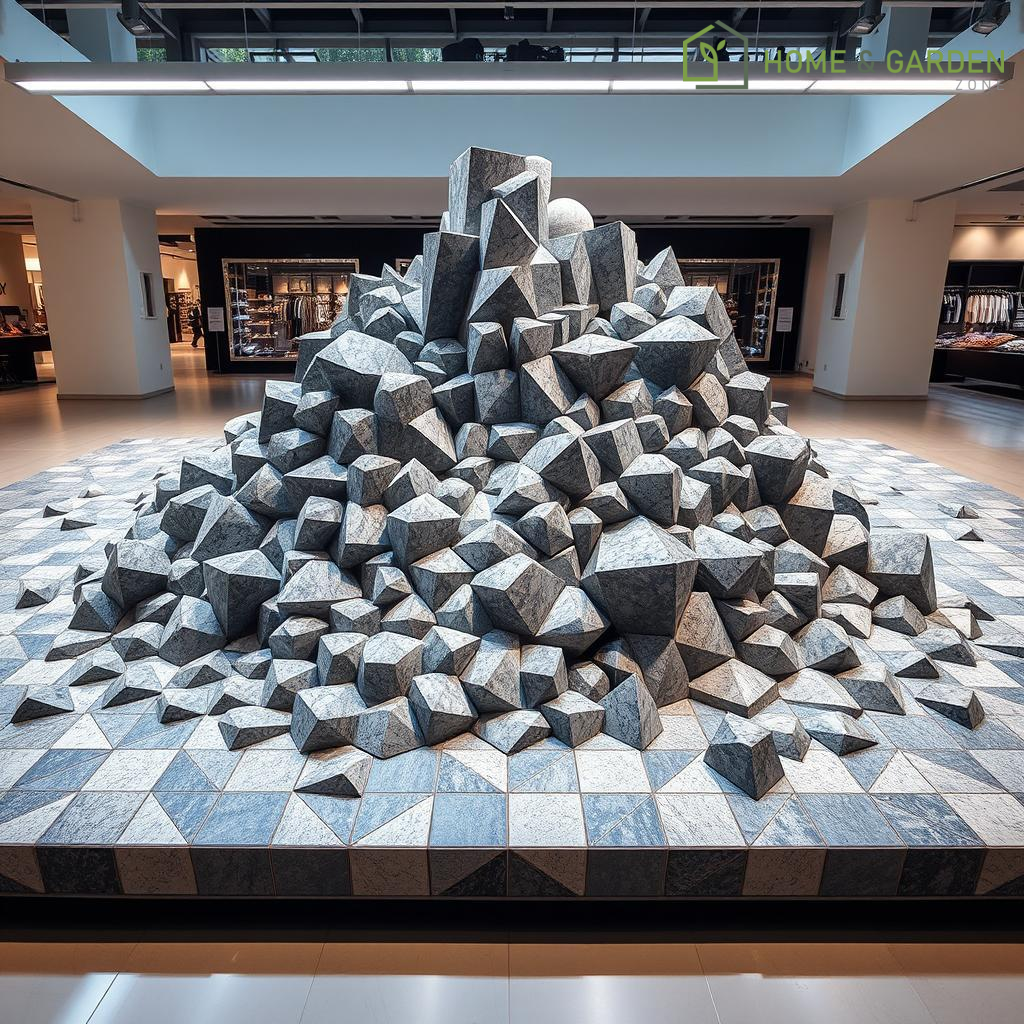
Madrid-based designer Jorge Penadés has unveiled a distinctive vision for the Camper Shin Maru store in Chiyoda, Tokyo, transforming the retail space into an "archipelago" of terracotta-tiled objects. This innovative approach moves beyond conventional display methods, offering a tactile and visually rich environment for the footwear brand.
The design concept centers on a series of curvaceous, clay-tiled blocks that serve as both display stands and integrated seating. These elements, reminiscent of natural landforms, are strategically arranged against a striking aquamarine backdrop, creating a compelling contrast that highlights both the architectural intervention and the products on display. Penadés's studio has meticulously crafted these forms, emphasizing material honesty and a connection to artisanal traditions through the use of terracotta.
The Tactility of Terracotta
The choice of terracotta tiles is central to the project's aesthetic and experiential goals. This ancient material, known for its warmth and earthy texture, brings a human scale and a sense of permanence to the contemporary retail setting. Each tile contributes to a larger, cohesive surface that invites interaction, encouraging customers to engage with the displays not just visually, but also through touch.
This material selection also plays a crucial role in grounding the design. While the overall composition feels dynamic and almost fluid, the inherent solidity of the terracotta anchors the "archipelago," preventing it from feeling ephemeral. The interplay between the reddish-brown hues of the tiles and the cool aquamarine walls creates a distinctive color palette that is both vibrant and sophisticated.
Innovation in Retail Environments
Penadés's design for Camper Shin Maru exemplifies a growing trend in retail architecture: the creation of immersive, experience-driven spaces. In an era where online shopping is prevalent, physical stores are evolving into destinations that offer more than just merchandise. They become platforms for brand storytelling, artistic expression, and sensory engagement.
The "archipelago" concept effectively breaks away from rigid, linear display systems. By employing a collection of individually sculpted elements, Penadés fosters a sense of discovery as customers navigate the store. Each turn reveals a new perspective, a different arrangement of shoes, and another facet of the meticulously designed interior.
Summary
Jorge Penadés's design for the Camper Shin Maru store in Tokyo represents a significant departure from traditional retail aesthetics. By employing an "archipelago" of terracotta-tiled objects against an aquamarine canvas, Penadés has crafted a space that is both visually arresting and deeply tactile. The project underscores the power of material choice and thoughtful spatial arrangement to create memorable and engaging retail experiences, reinforcing Camper's identity through a blend of artisanal craft and contemporary design principles.
Resources
Details
Author

Latest articles

 }})
You can now watch HBO Max for $10
A Sculptural Retail Experience in Chiyoda
Madrid-based designer Jorge Penadés has unveiled a distinctive vision for the Camper Shin Maru store in Chiyoda, Tokyo, transforming the retail space into an "archipelago" of terracotta-tiled objects. This innovative approach moves beyond conventional display methods, offering a tactile and visually rich environment for the footwear brand.
The design concept centers on a series of curvaceous, clay-tiled blocks that serve as both display stands and integrated seating. These elements, reminiscent of natural landforms, are strategically arranged against a striking aquamarine backdrop, creating a compelling contrast that highlights both the architectural intervention and the products on display. Penadés's studio has meticulously crafted these forms, emphasizing material honesty and a connection to artisanal traditions through the use of terracotta.
The Tactility of Terracotta
The choice of terracotta tiles is central to the project's aesthetic and experiential goals. This ancient material, known for its warmth and earthy texture, brings a human scale and a sense of permanence to the contemporary retail setting. Each tile contributes to a larger, cohesive surface that invites interaction, encouraging customers to engage with the displays not just visually, but also through touch.
This material selection also plays a crucial role in grounding the design. While the overall composition feels dynamic and almost fluid, the inherent solidity of the terracotta anchors the "archipelago," preventing it from feeling ephemeral. The interplay between the reddish-brown hues of the tiles and the cool aquamarine walls creates a distinctive color palette that is both vibrant and sophisticated.
Innovation in Retail Environments
Penadés's design for Camper Shin Maru exemplifies a growing trend in retail architecture: the creation of immersive, experience-driven spaces. In an era where online shopping is prevalent, physical stores are evolving into destinations that offer more than just merchandise. They become platforms for brand storytelling, artistic expression, and sensory engagement.
The "archipelago" concept effectively breaks away from rigid, linear display systems. By employing a collection of individually sculpted elements, Penadés fosters a sense of discovery as customers navigate the store. Each turn reveals a new perspective, a different arrangement of shoes, and another facet of the meticulously designed interior.
Summary
Jorge Penadés's design for the Camper Shin Maru store in Tokyo represents a significant departure from traditional retail aesthetics. By employing an "archipelago" of terracotta-tiled objects against an aquamarine canvas, Penadés has crafted a space that is both visually arresting and deeply tactile. The project underscores the power of material choice and thoughtful spatial arrangement to create memorable and engaging retail experiences, reinforcing Camper's identity through a blend of artisanal craft and contemporary design principles.
Resources
Latest articles
You can now watch HBO Max for $10
Similar posts
This is a page that only logged-in people can visit. Don't you feel special? Try clicking on a button below to do some things you can't do when you're logged out.
Example modal
At your leisure, please peruse this excerpt from a whale of a tale.
Chapter 1: Loomings.
Call me Ishmael. Some years ago—never mind how long precisely—having little or no money in my purse, and nothing particular to interest me on shore, I thought I would sail about a little and see the watery part of the world. It is a way I have of driving off the spleen and regulating the circulation. Whenever I find myself growing grim about the mouth; whenever it is a damp, drizzly November in my soul; whenever I find myself involuntarily pausing before coffin warehouses, and bringing up the rear of every funeral I meet; and especially whenever my hypos get such an upper hand of me, that it requires a strong moral principle to prevent me from deliberately stepping into the street, and methodically knocking people's hats off—then, I account it high time to get to sea as soon as I can. This is my substitute for pistol and ball. With a philosophical flourish Cato throws himself upon his sword; I quietly take to the ship. There is nothing surprising in this. If they but knew it, almost all men in their degree, some time or other, cherish very nearly the same feelings towards the ocean with me.
Comment