Studio We Live Revitalizes 1950s Chinese Cinema into Dynamic Teahouse with Evocative Wooden Canopy
A Cinematic Revival: From Projection Screen to Porcelain Cup
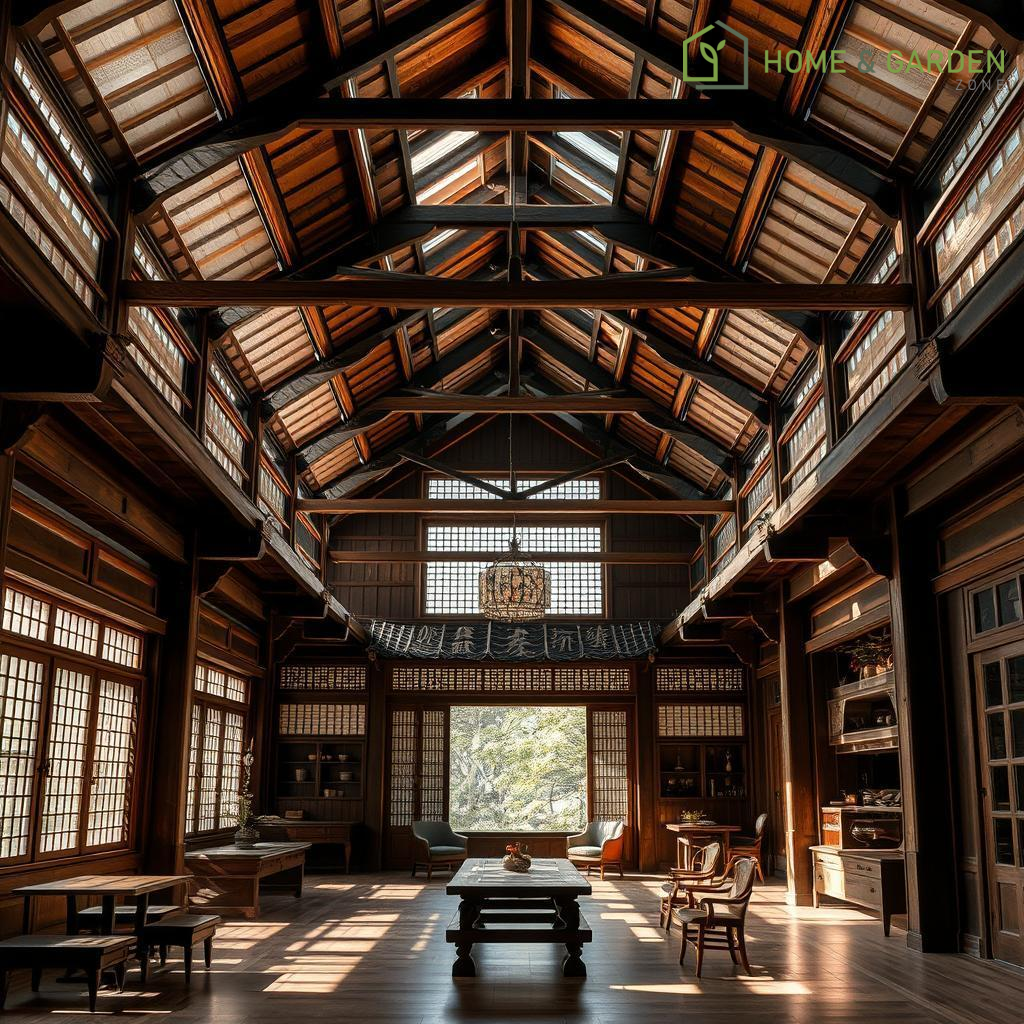
In a compelling act of architectural reimagining, the Chinese firm Studio We Live has meticulously transformed a derelict 1950s cinema in Chongqing into a bustling teahouse and food market. This ambitious adaptive reuse project, which preserves the intrinsic nostalgic charm of the old workers' picturehouse, offers a vibrant new community hub while honoring its industrial heritage.
The Legacy of Jiangling Machinery Factory Cinema
Nestled in Wucun, Dashiba, the building's history is deeply intertwined with China's mid-century industrial boom. Erected in 1957, it originally served as the staff cinema for the Jiangling Machinery Factory, a dedicated space for workers to unwind and engage with culture. Over time, as industrial landscapes evolved and entertainment shifted, the cinema fell into disuse, becoming a forgotten relic within the urban fabric of Chongqing.
Studio We Live's Vision: Blending Past and Present
Studio We Live approached the transformation with a sensitive hand, aiming to inject new life without erasing the building's storied past. A defining feature of their design is the striking wooden canopy that now graces the interior, serving both as a contemporary architectural statement and a subtle nod to traditional Chinese craftsmanship. This intervention creates a warm, inviting atmosphere, contrasting with the raw, exposed elements of the original structure. The architects meticulously preserved existing textures and features, allowing the patina of history to remain visible, while introducing modern amenities necessary for its new function as a teahouse and market.
The adaptive reuse strategy not only provides a functional space for social interaction and commerce but also ensures the longevity of a significant piece of local heritage. By converting the cinema into a teahouse and food market, Studio We Live has created a dynamic venue that caters to contemporary needs while offering a tangible connection to the area's past.
Summary
The transformation of the 1950s Jiangling Machinery Factory cinema by Studio We Live stands as a prime example of successful adaptive reuse. Through thoughtful design, including the introduction of a distinctive wooden canopy, the project breathes new life into a forgotten industrial landmark, creating a vibrant teahouse and food market that respects its historical context while serving as a modern community asset in Chongqing.
Resources
- Dezeen - Studio We Live transforms 1950s Chinese cinema into teahouse with wooden canopy
- ArchDaily - Adaptive Reuse Projects (General category, for context on similar projects)
- Designboom - Studio We Live projects (For insights into the firm's broader work and philosophy)
Details
Author



Latest articles



 }})
You can now watch HBO Max for $10
A Cinematic Revival: From Projection Screen to Porcelain Cup
In a compelling act of architectural reimagining, the Chinese firm Studio We Live has meticulously transformed a derelict 1950s cinema in Chongqing into a bustling teahouse and food market. This ambitious adaptive reuse project, which preserves the intrinsic nostalgic charm of the old workers' picturehouse, offers a vibrant new community hub while honoring its industrial heritage.
The Legacy of Jiangling Machinery Factory Cinema
Nestled in Wucun, Dashiba, the building's history is deeply intertwined with China's mid-century industrial boom. Erected in 1957, it originally served as the staff cinema for the Jiangling Machinery Factory, a dedicated space for workers to unwind and engage with culture. Over time, as industrial landscapes evolved and entertainment shifted, the cinema fell into disuse, becoming a forgotten relic within the urban fabric of Chongqing.
Studio We Live's Vision: Blending Past and Present
Studio We Live approached the transformation with a sensitive hand, aiming to inject new life without erasing the building's storied past. A defining feature of their design is the striking wooden canopy that now graces the interior, serving both as a contemporary architectural statement and a subtle nod to traditional Chinese craftsmanship. This intervention creates a warm, inviting atmosphere, contrasting with the raw, exposed elements of the original structure. The architects meticulously preserved existing textures and features, allowing the patina of history to remain visible, while introducing modern amenities necessary for its new function as a teahouse and market.
The adaptive reuse strategy not only provides a functional space for social interaction and commerce but also ensures the longevity of a significant piece of local heritage. By converting the cinema into a teahouse and food market, Studio We Live has created a dynamic venue that caters to contemporary needs while offering a tangible connection to the area's past.
Summary
The transformation of the 1950s Jiangling Machinery Factory cinema by Studio We Live stands as a prime example of successful adaptive reuse. Through thoughtful design, including the introduction of a distinctive wooden canopy, the project breathes new life into a forgotten industrial landmark, creating a vibrant teahouse and food market that respects its historical context while serving as a modern community asset in Chongqing.
Resources
- Dezeen - Studio We Live transforms 1950s Chinese cinema into teahouse with wooden canopy
- ArchDaily - Adaptive Reuse Projects (General category, for context on similar projects)
- Designboom - Studio We Live projects (For insights into the firm's broader work and philosophy)
Latest articles
You can now watch HBO Max for $10
Similar posts


This is a page that only logged-in people can visit. Don't you feel special? Try clicking on a button below to do some things you can't do when you're logged out.
Example modal
At your leisure, please peruse this excerpt from a whale of a tale.
Chapter 1: Loomings.
Call me Ishmael. Some years ago—never mind how long precisely—having little or no money in my purse, and nothing particular to interest me on shore, I thought I would sail about a little and see the watery part of the world. It is a way I have of driving off the spleen and regulating the circulation. Whenever I find myself growing grim about the mouth; whenever it is a damp, drizzly November in my soul; whenever I find myself involuntarily pausing before coffin warehouses, and bringing up the rear of every funeral I meet; and especially whenever my hypos get such an upper hand of me, that it requires a strong moral principle to prevent me from deliberately stepping into the street, and methodically knocking people's hats off—then, I account it high time to get to sea as soon as I can. This is my substitute for pistol and ball. With a philosophical flourish Cato throws himself upon his sword; I quietly take to the ship. There is nothing surprising in this. If they but knew it, almost all men in their degree, some time or other, cherish very nearly the same feelings towards the ocean with me.
Comment