Domestic Companions: Pet-Inspired Designs Elevate Robotic Vacuum Cleaners from Utility to Endearing Home Helpers
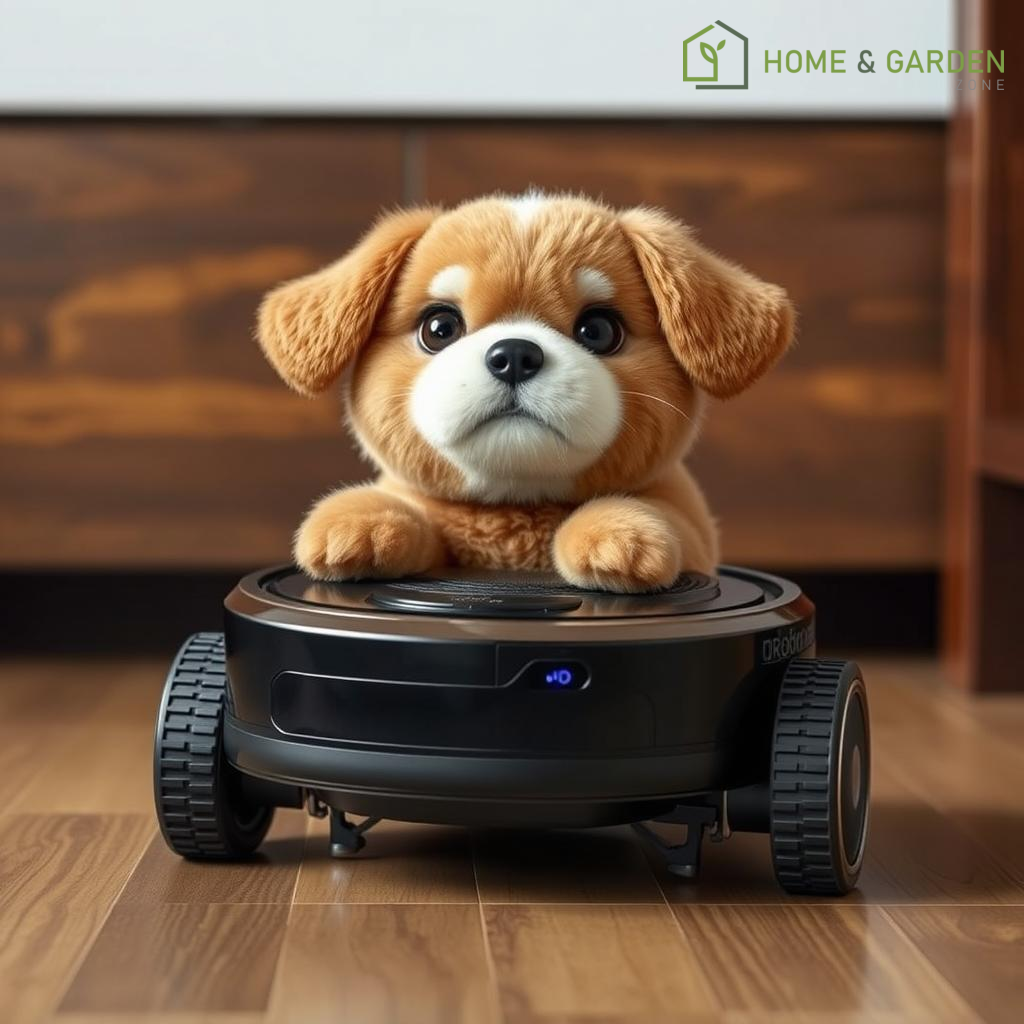
The landscape of home automation is undergoing a fascinating transformation, moving beyond mere utility to embrace emotional connection and personalized aesthetics. Robotic vacuum cleaners, once solely defined by their cleaning prowess, are now being reimagined as endearing domestic companions through innovative design elements such as folding ears and customizable face decorations. This shift signals a burgeoning trend where technology is not just functional, but also resonates with the human desire for companionship and playfulness, particularly for pet owners.
The Evolution of Aesthetic Robotics
Traditionally, robotic vacuum cleaners have adhered to a sleek, utilitarian design, prioritizing efficiency and unobtrusiveness. However, a notable departure from this norm is the introduction of pet-inspired aesthetics, as highlighted by publications like designboom. This design philosophy introduces features like "folding ears" and various "face designs," allowing these household robots to mimic the appearance of beloved pets. Users are afforded the option to select from a range of pre-designed faces or even customize their device to resemble their own furry friends, thereby infusing a sense of personality and warmth into an otherwise purely mechanical appliance.
Crafting Companion Bots: Design and Consumer Appeal
The appeal of these pet-inspired robotic cleaners extends beyond mere novelty; it taps into deeper psychological connections. For many, pets are integral family members, and extending that sense of companionship to home technology creates a more inviting and less sterile environment. Anthropomorphism, the attribution of human characteristics or behavior to an animal or object, plays a significant role here. By imbuing robotic vacuums with pet-like features, designers aim to foster a stronger emotional bond between user and machine. This personalization makes the technology feel more approachable, friendly, and even a playful extension of the home’s inhabitants. For pet owners, in particular, a vacuum cleaner that subtly mirrors their animal companion can transform a mundane chore into a more endearing interaction.
Beyond Novelty: A Glimpse into the Future of Home Tech
This design evolution hints at a broader trajectory for smart home technology. It suggests a future where appliances are not just intelligent but also emotionally intelligent, designed to integrate seamlessly into the fabric of daily life by appealing to our senses and sentiments. The integration of such whimsical yet thoughtful design elements could pave the way for more personalized home ecosystems, where technology adapts not just to our needs, but also to our aesthetic preferences and emotional well-being. It underscores a growing demand for products that offer more than efficiency—they offer experience, connection, and a touch of joy.
Summary
The trend of adorning robotic vacuum cleaners with pet-like features like folding ears and customizable faces represents a compelling convergence of utility and emotional design. It transforms a functional device into an endearing domestic companion, catering to a desire for personalized technology and fostering deeper human-machine connection, particularly for pet enthusiasts. This innovation signifies a progressive step in product design, highlighting the increasing importance of aesthetics and emotional resonance in the smart home landscape.
Resources
- Designboom | Architecture & Design Magazine
- MIT Media Lab - Personal Robots Group
- NielsenIQ - Global Consumer Trends Report
Details
Author


Latest articles

 }})
You can now watch HBO Max for $10
The landscape of home automation is undergoing a fascinating transformation, moving beyond mere utility to embrace emotional connection and personalized aesthetics. Robotic vacuum cleaners, once solely defined by their cleaning prowess, are now being reimagined as endearing domestic companions through innovative design elements such as folding ears and customizable face decorations. This shift signals a burgeoning trend where technology is not just functional, but also resonates with the human desire for companionship and playfulness, particularly for pet owners.
The Evolution of Aesthetic Robotics
Traditionally, robotic vacuum cleaners have adhered to a sleek, utilitarian design, prioritizing efficiency and unobtrusiveness. However, a notable departure from this norm is the introduction of pet-inspired aesthetics, as highlighted by publications like designboom. This design philosophy introduces features like "folding ears" and various "face designs," allowing these household robots to mimic the appearance of beloved pets. Users are afforded the option to select from a range of pre-designed faces or even customize their device to resemble their own furry friends, thereby infusing a sense of personality and warmth into an otherwise purely mechanical appliance.
Crafting Companion Bots: Design and Consumer Appeal
The appeal of these pet-inspired robotic cleaners extends beyond mere novelty; it taps into deeper psychological connections. For many, pets are integral family members, and extending that sense of companionship to home technology creates a more inviting and less sterile environment. Anthropomorphism, the attribution of human characteristics or behavior to an animal or object, plays a significant role here. By imbuing robotic vacuums with pet-like features, designers aim to foster a stronger emotional bond between user and machine. This personalization makes the technology feel more approachable, friendly, and even a playful extension of the home’s inhabitants. For pet owners, in particular, a vacuum cleaner that subtly mirrors their animal companion can transform a mundane chore into a more endearing interaction.
Beyond Novelty: A Glimpse into the Future of Home Tech
This design evolution hints at a broader trajectory for smart home technology. It suggests a future where appliances are not just intelligent but also emotionally intelligent, designed to integrate seamlessly into the fabric of daily life by appealing to our senses and sentiments. The integration of such whimsical yet thoughtful design elements could pave the way for more personalized home ecosystems, where technology adapts not just to our needs, but also to our aesthetic preferences and emotional well-being. It underscores a growing demand for products that offer more than efficiency—they offer experience, connection, and a touch of joy.
Summary
The trend of adorning robotic vacuum cleaners with pet-like features like folding ears and customizable faces represents a compelling convergence of utility and emotional design. It transforms a functional device into an endearing domestic companion, catering to a desire for personalized technology and fostering deeper human-machine connection, particularly for pet enthusiasts. This innovation signifies a progressive step in product design, highlighting the increasing importance of aesthetics and emotional resonance in the smart home landscape.
Resources
- Designboom | Architecture & Design Magazine
- MIT Media Lab - Personal Robots Group
- NielsenIQ - Global Consumer Trends Report
Latest articles
You can now watch HBO Max for $10
Similar posts



This is a page that only logged-in people can visit. Don't you feel special? Try clicking on a button below to do some things you can't do when you're logged out.
Example modal
At your leisure, please peruse this excerpt from a whale of a tale.
Chapter 1: Loomings.
Call me Ishmael. Some years ago—never mind how long precisely—having little or no money in my purse, and nothing particular to interest me on shore, I thought I would sail about a little and see the watery part of the world. It is a way I have of driving off the spleen and regulating the circulation. Whenever I find myself growing grim about the mouth; whenever it is a damp, drizzly November in my soul; whenever I find myself involuntarily pausing before coffin warehouses, and bringing up the rear of every funeral I meet; and especially whenever my hypos get such an upper hand of me, that it requires a strong moral principle to prevent me from deliberately stepping into the street, and methodically knocking people's hats off—then, I account it high time to get to sea as soon as I can. This is my substitute for pistol and ball. With a philosophical flourish Cato throws himself upon his sword; I quietly take to the ship. There is nothing surprising in this. If they but knew it, almost all men in their degree, some time or other, cherish very nearly the same feelings towards the ocean with me.
Comment