OMA's Oberon: The New Museum's Cork-Clad 'Jewel Box' Restaurant Masterfully Concealed in Plain Sight Within Its Manhattan Expansion
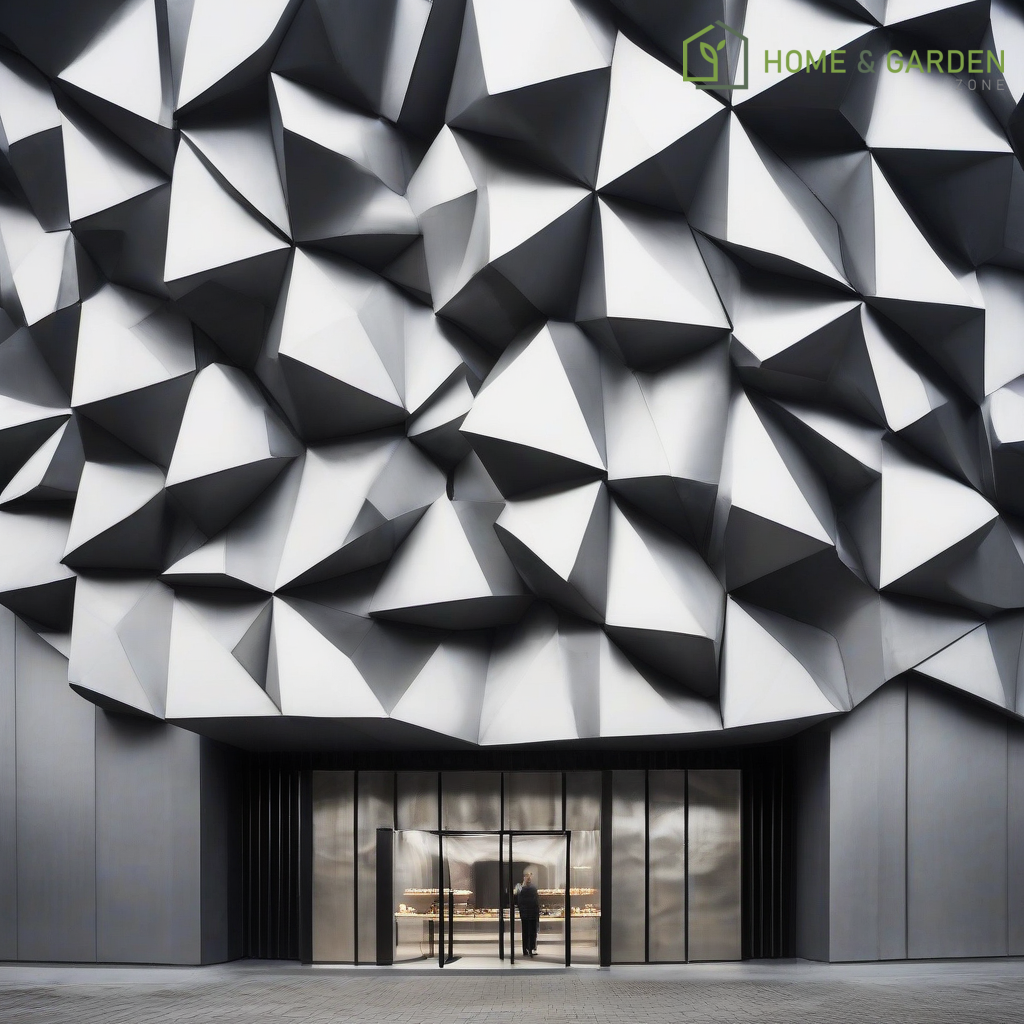
New York City's dynamic cultural landscape continually evolves, and with it, the spaces that define its experiences. A recent architectural unveiling at the New Museum in Manhattan, the OMA-designed extension, has brought forth not just expanded gallery space but also a culinary gem: Oberon. Described as a "jewel box" by its architects, this all-day bar and restaurant has piqued the interest of critics and patrons alike, largely due to its intriguing design philosophy and its seemingly paradoxical placement – "hidden in plain sight" within the museum's new architectural chapter.
A Subtle Integration in a Bold Expansion
The original New Museum, an iconic stacked volume by SANAA, now stands alongside a significant new companion. OMA New York's recently completed expansion thoughtfully extends the museum’s footprint, aiming to enhance visitor circulation and program offerings. It is within this architectural dialogue that Oberon finds its home. Situated strategically adjacent to the lobby on the expansion's ground floor, its location is both central and subtly recessed. This adjacency allows for immediate access for museum-goers and street-level patrons, yet its distinct material palette and interior world offer a departure from the museum’s public thoroughfares.
Crafting a Culinary Sanctuary: The Cork Aesthetic
OMA’s design for Oberon is a testament to material focus and intimate spatial curation. The "jewel box" appellation is apt, reflecting a space designed to encapsulate and protect a precious experience. Central to this vision is the extensive use of cork cladding. This choice is deliberate, imbuing the restaurant with a unique sensory experience – visual warmth, tactile softness, and acoustic dampening. Beyond its aesthetic appeal, cork speaks to sustainability and a grounding materiality, creating an inviting counterpoint to the urban dynamism outside. The material’s rich texture and natural tones contribute to an ambiance that is both sophisticated and remarkably approachable, setting Oberon apart from conventional museum dining.
"Hidden in Plain Sight": A Masterclass in Subtlety
The notion of Oberon being "hidden in plain sight" is not merely a catchy phrase but encapsulates OMA's nuanced approach. While physically present and accessible at a prominent ground-floor location next to the lobby, the restaurant's distinct material language and interior focus create an inward-looking sanctuary. It doesn't loudly announce itself but rather beckons discovery, offering a sense of intimate enclosure amidst the bustling museum environment. This deliberate subtlety fosters a feeling of finding a special place, a refuge where culinary artistry and architectural ingenuity converge.
Summary
OMA's Oberon at the New Museum is more than just a restaurant; it is a carefully calibrated architectural statement. Through its thoughtful integration within a larger expansion, its distinctive cork-clad "jewel box" design, and its inherent "hidden in plain sight" allure, it redefines the role of dining within a contemporary art institution. It offers a unique blend of sophisticated design and an inviting atmosphere, poised to become a destination in its own right.
Resources
- Dezeen
- Architectural Record
- OMA Official Website
Details
Author


Latest articles


 }})
You can now watch HBO Max for $10
New York City's dynamic cultural landscape continually evolves, and with it, the spaces that define its experiences. A recent architectural unveiling at the New Museum in Manhattan, the OMA-designed extension, has brought forth not just expanded gallery space but also a culinary gem: Oberon. Described as a "jewel box" by its architects, this all-day bar and restaurant has piqued the interest of critics and patrons alike, largely due to its intriguing design philosophy and its seemingly paradoxical placement – "hidden in plain sight" within the museum's new architectural chapter.
A Subtle Integration in a Bold Expansion
The original New Museum, an iconic stacked volume by SANAA, now stands alongside a significant new companion. OMA New York's recently completed expansion thoughtfully extends the museum’s footprint, aiming to enhance visitor circulation and program offerings. It is within this architectural dialogue that Oberon finds its home. Situated strategically adjacent to the lobby on the expansion's ground floor, its location is both central and subtly recessed. This adjacency allows for immediate access for museum-goers and street-level patrons, yet its distinct material palette and interior world offer a departure from the museum’s public thoroughfares.
Crafting a Culinary Sanctuary: The Cork Aesthetic
OMA’s design for Oberon is a testament to material focus and intimate spatial curation. The "jewel box" appellation is apt, reflecting a space designed to encapsulate and protect a precious experience. Central to this vision is the extensive use of cork cladding. This choice is deliberate, imbuing the restaurant with a unique sensory experience – visual warmth, tactile softness, and acoustic dampening. Beyond its aesthetic appeal, cork speaks to sustainability and a grounding materiality, creating an inviting counterpoint to the urban dynamism outside. The material’s rich texture and natural tones contribute to an ambiance that is both sophisticated and remarkably approachable, setting Oberon apart from conventional museum dining.
"Hidden in Plain Sight": A Masterclass in Subtlety
The notion of Oberon being "hidden in plain sight" is not merely a catchy phrase but encapsulates OMA's nuanced approach. While physically present and accessible at a prominent ground-floor location next to the lobby, the restaurant's distinct material language and interior focus create an inward-looking sanctuary. It doesn't loudly announce itself but rather beckons discovery, offering a sense of intimate enclosure amidst the bustling museum environment. This deliberate subtlety fosters a feeling of finding a special place, a refuge where culinary artistry and architectural ingenuity converge.
Summary
OMA's Oberon at the New Museum is more than just a restaurant; it is a carefully calibrated architectural statement. Through its thoughtful integration within a larger expansion, its distinctive cork-clad "jewel box" design, and its inherent "hidden in plain sight" allure, it redefines the role of dining within a contemporary art institution. It offers a unique blend of sophisticated design and an inviting atmosphere, poised to become a destination in its own right.
Resources
- Dezeen
- Architectural Record
- OMA Official Website
Latest articles
You can now watch HBO Max for $10
Similar posts

This is a page that only logged-in people can visit. Don't you feel special? Try clicking on a button below to do some things you can't do when you're logged out.
Example modal
At your leisure, please peruse this excerpt from a whale of a tale.
Chapter 1: Loomings.
Call me Ishmael. Some years ago—never mind how long precisely—having little or no money in my purse, and nothing particular to interest me on shore, I thought I would sail about a little and see the watery part of the world. It is a way I have of driving off the spleen and regulating the circulation. Whenever I find myself growing grim about the mouth; whenever it is a damp, drizzly November in my soul; whenever I find myself involuntarily pausing before coffin warehouses, and bringing up the rear of every funeral I meet; and especially whenever my hypos get such an upper hand of me, that it requires a strong moral principle to prevent me from deliberately stepping into the street, and methodically knocking people's hats off—then, I account it high time to get to sea as soon as I can. This is my substitute for pistol and ball. With a philosophical flourish Cato throws himself upon his sword; I quietly take to the ship. There is nothing surprising in this. If they but knew it, almost all men in their degree, some time or other, cherish very nearly the same feelings towards the ocean with me.
Comment