Sanctuaries of Serenity: Eight Home Interiors Embracing Monastic Minimalism
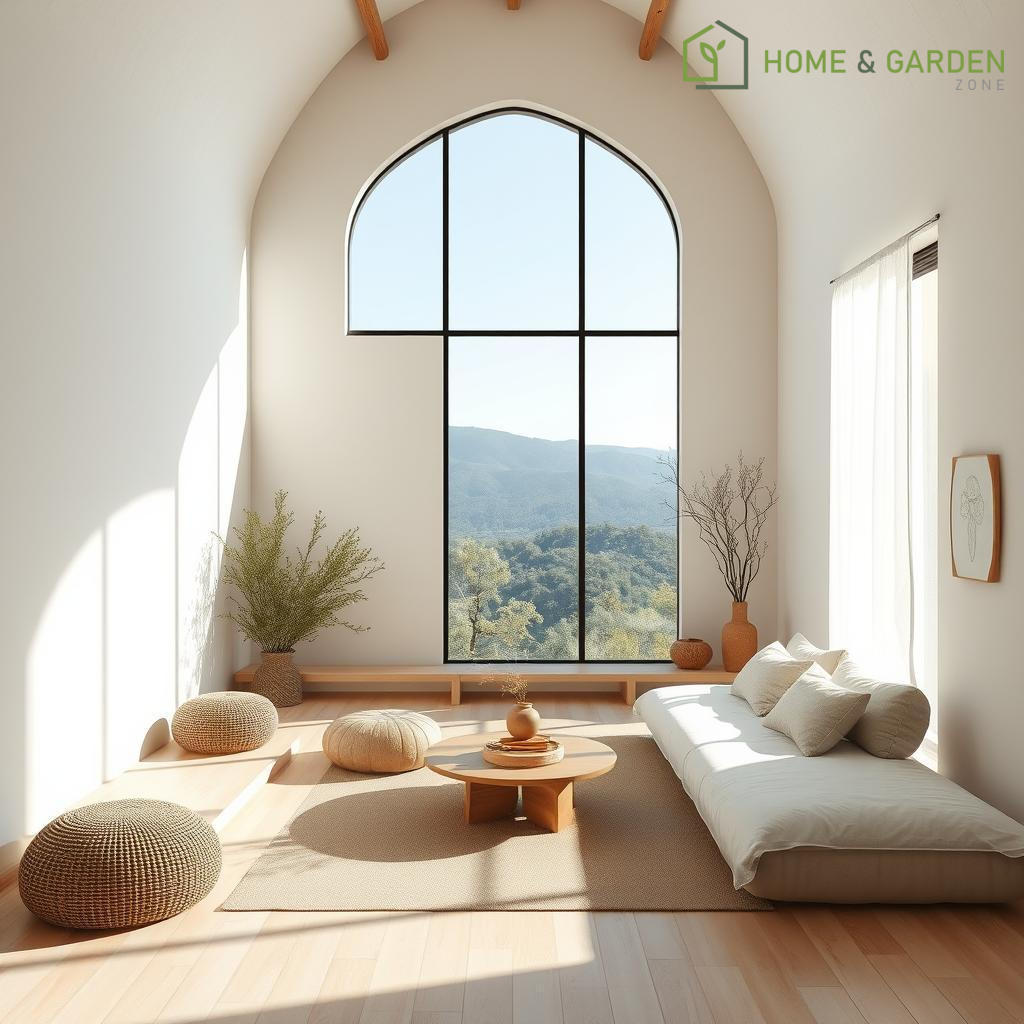
In an era frequently defined by sensory overload, a burgeoning desire for tranquility and stripped-back authenticity is reshaping contemporary interior design. This movement finds profound inspiration in the timeless principles of monastic living – a philosophy where every object, every space, serves a purpose greater than mere aesthetics. Monastic minimalism, far from being austere, cultivates environments that are sanctuaries for the soul, fostering contemplation and inner peace through considered design.
The Essence of Monastic Minimalism
Derived from the ancient discipline of monastic communities, this design ethos champions simplicity, functionality, and a deep connection to natural forms and materials. It's a deliberate rejection of excess, focusing instead on the intrinsic beauty of raw elements and the profound impact of intentional space. Key characteristics include:
- Natural Materials: Stone, unfinished wood, linen, and plaster are foundational, celebrated for their tactile qualities and inherent warmth.
- Vaulted Ceilings and Expansive Spaces: Echoing the grand yet humble scale of cloisters, vaulted or high ceilings evoke a sense of spiritual upliftment and spaciousness.
- Utilitarian Furniture: Pieces are chosen for their function and honest craftsmanship, often bespoke or handmade, eschewing ornamentation for pure form.
- Harmonious Palette: Muted earth tones, off-whites, and natural wood hues dominate, creating a calming visual backdrop.
- Abundant Natural Light: Maximizing daylight is paramount, filtering through large windows or skylights to illuminate spaces gently and dynamically.
Eight Interiors Embodying Serene Simplicity
Explore a collection of residential spaces that translate these monastic ideals into modern havens:
1. The Contemplative Living Room
A living area defined by a single, low-slung sofa upholstered in natural linen, facing a stark, stone fireplace. Light filters through tall, arched windows, illuminating a hand-woven rug. Absence of television or excessive decor encourages quiet reflection and conversation.
2. The Refectory-Inspired Dining Space
A long, solid timber table, unvarnished and robust, anchors a dining room. Simple wooden benches or chairs line its sides. Overhead, a vaulted ceiling amplifies the natural light, turning meals into deliberate, communal rituals.
3. The Hermit's Bedroom
Stripped to essentials, this bedroom features a platform bed crafted from raw oak, adorned only with organic cotton bedding. Walls are finished in a muted lime wash, and a single, carefully chosen ceramic vessel sits on a minimalist bedside table, offering a focal point for calm.
4. The Cloister Kitchen
Functionality reigns supreme in a kitchen where natural wood cabinetry meets honed stone countertops. Open shelving displays only essential, handcrafted ceramics. The layout is efficient, promoting mindful preparation and a quiet culinary experience.
5. The Sacred Study Nook
Tucked beneath a graceful archway, a small, built-in wooden desk with a simple, ergonomically designed chair provides a dedicated space for work or reading. Natural light, a single task lamp, and a minimalist bookshelf complete this productive sanctuary.
6. The Cleansing Bathroom Retreat
A walk-in shower clad in large format, undressed stone slabs, paired with a freestanding, sculptural basin. The room is uncluttered, focusing on pure forms and tactile surfaces, creating a spa-like atmosphere conducive to rejuvenation.
7. The Vestibule of Welcome
An entrance hall distinguished by its simplicity: a robust, built-in wooden bench for removing shoes, a single peg rail for coats, and a large, full-length mirror with an unadorned frame. The space speaks of order and a clear transition from the external world.
8. The Meditation Atelier
A dedicated room or corner, sparsely furnished with only a comfortable floor cushion and a small, low table for a tea ceremony. Walls are kept bare, allowing the mind to wander without visual distraction, embodying profound tranquility.
Summary
Monastic minimalism offers a compelling alternative to contemporary design trends, proposing that true luxury lies in simplicity, intentionality, and a deep respect for materials and space. By embracing the principles of clarity, restraint, and natural beauty, these interiors transform homes into enduring havens – places not just to live, but to thrive with a heightened sense of peace and purpose.
Resources
- Dezeen (dezeen.com) - A leading online architecture and design magazine, frequently showcasing minimalist and contemplative designs.
- Architectural Digest (architecturaldigest.com) - Features high-end residential projects often highlighting sophisticated minimalist aesthetics.
- The Monocle Guide to Cosy Homes (monocle.com) - A publication that often explores thoughtful, design-conscious living environments, including those with a pared-back aesthetic.
Details
Author


Latest articles



 }})
You can now watch HBO Max for $10
In an era frequently defined by sensory overload, a burgeoning desire for tranquility and stripped-back authenticity is reshaping contemporary interior design. This movement finds profound inspiration in the timeless principles of monastic living – a philosophy where every object, every space, serves a purpose greater than mere aesthetics. Monastic minimalism, far from being austere, cultivates environments that are sanctuaries for the soul, fostering contemplation and inner peace through considered design.
The Essence of Monastic Minimalism
Derived from the ancient discipline of monastic communities, this design ethos champions simplicity, functionality, and a deep connection to natural forms and materials. It's a deliberate rejection of excess, focusing instead on the intrinsic beauty of raw elements and the profound impact of intentional space. Key characteristics include:
- Natural Materials: Stone, unfinished wood, linen, and plaster are foundational, celebrated for their tactile qualities and inherent warmth.
- Vaulted Ceilings and Expansive Spaces: Echoing the grand yet humble scale of cloisters, vaulted or high ceilings evoke a sense of spiritual upliftment and spaciousness.
- Utilitarian Furniture: Pieces are chosen for their function and honest craftsmanship, often bespoke or handmade, eschewing ornamentation for pure form.
- Harmonious Palette: Muted earth tones, off-whites, and natural wood hues dominate, creating a calming visual backdrop.
- Abundant Natural Light: Maximizing daylight is paramount, filtering through large windows or skylights to illuminate spaces gently and dynamically.
Eight Interiors Embodying Serene Simplicity
Explore a collection of residential spaces that translate these monastic ideals into modern havens:
1. The Contemplative Living Room
A living area defined by a single, low-slung sofa upholstered in natural linen, facing a stark, stone fireplace. Light filters through tall, arched windows, illuminating a hand-woven rug. Absence of television or excessive decor encourages quiet reflection and conversation.
2. The Refectory-Inspired Dining Space
A long, solid timber table, unvarnished and robust, anchors a dining room. Simple wooden benches or chairs line its sides. Overhead, a vaulted ceiling amplifies the natural light, turning meals into deliberate, communal rituals.
3. The Hermit's Bedroom
Stripped to essentials, this bedroom features a platform bed crafted from raw oak, adorned only with organic cotton bedding. Walls are finished in a muted lime wash, and a single, carefully chosen ceramic vessel sits on a minimalist bedside table, offering a focal point for calm.
4. The Cloister Kitchen
Functionality reigns supreme in a kitchen where natural wood cabinetry meets honed stone countertops. Open shelving displays only essential, handcrafted ceramics. The layout is efficient, promoting mindful preparation and a quiet culinary experience.
5. The Sacred Study Nook
Tucked beneath a graceful archway, a small, built-in wooden desk with a simple, ergonomically designed chair provides a dedicated space for work or reading. Natural light, a single task lamp, and a minimalist bookshelf complete this productive sanctuary.
6. The Cleansing Bathroom Retreat
A walk-in shower clad in large format, undressed stone slabs, paired with a freestanding, sculptural basin. The room is uncluttered, focusing on pure forms and tactile surfaces, creating a spa-like atmosphere conducive to rejuvenation.
7. The Vestibule of Welcome
An entrance hall distinguished by its simplicity: a robust, built-in wooden bench for removing shoes, a single peg rail for coats, and a large, full-length mirror with an unadorned frame. The space speaks of order and a clear transition from the external world.
8. The Meditation Atelier
A dedicated room or corner, sparsely furnished with only a comfortable floor cushion and a small, low table for a tea ceremony. Walls are kept bare, allowing the mind to wander without visual distraction, embodying profound tranquility.
Summary
Monastic minimalism offers a compelling alternative to contemporary design trends, proposing that true luxury lies in simplicity, intentionality, and a deep respect for materials and space. By embracing the principles of clarity, restraint, and natural beauty, these interiors transform homes into enduring havens – places not just to live, but to thrive with a heightened sense of peace and purpose.
Resources
- Dezeen (dezeen.com) - A leading online architecture and design magazine, frequently showcasing minimalist and contemplative designs.
- Architectural Digest (architecturaldigest.com) - Features high-end residential projects often highlighting sophisticated minimalist aesthetics.
- The Monocle Guide to Cosy Homes (monocle.com) - A publication that often explores thoughtful, design-conscious living environments, including those with a pared-back aesthetic.
Latest articles
You can now watch HBO Max for $10
Similar posts


This is a page that only logged-in people can visit. Don't you feel special? Try clicking on a button below to do some things you can't do when you're logged out.
Example modal
At your leisure, please peruse this excerpt from a whale of a tale.
Chapter 1: Loomings.
Call me Ishmael. Some years ago—never mind how long precisely—having little or no money in my purse, and nothing particular to interest me on shore, I thought I would sail about a little and see the watery part of the world. It is a way I have of driving off the spleen and regulating the circulation. Whenever I find myself growing grim about the mouth; whenever it is a damp, drizzly November in my soul; whenever I find myself involuntarily pausing before coffin warehouses, and bringing up the rear of every funeral I meet; and especially whenever my hypos get such an upper hand of me, that it requires a strong moral principle to prevent me from deliberately stepping into the street, and methodically knocking people's hats off—then, I account it high time to get to sea as soon as I can. This is my substitute for pistol and ball. With a philosophical flourish Cato throws himself upon his sword; I quietly take to the ship. There is nothing surprising in this. If they but knew it, almost all men in their degree, some time or other, cherish very nearly the same feelings towards the ocean with me.
Comment