April 2026: Open Source Hardware Certifications Highlight SDR, Nature Camera, & Smart Home Sensor Innovations

Forging the Future: Open Source Hardware Certifications of April 2026
In the evolving landscape of technological innovation, open source hardware continues to carve out a critical niche, fostering transparency, collaboration, and rapid development. April 2026 marked a significant period for the community, as several innovative projects achieved their coveted open source hardware certifications. These endorsements not only validate the projects' adherence to open principles but also signal their readiness for broader adoption and impact.
Our analysis of the April 2026 certifications reveals a particularly vibrant period for community-driven development, with three standout projects exemplifying the diversity and ingenuity inherent in the open hardware movement: a sophisticated software-defined radio (SDR) peripheral, an advanced nature camera, and an intuitive home automation sensor.
Spotlight on Notable Certifications
The Versatile Software-Defined Radio Peripheral
Among the certified projects, a new software-defined radio peripheral garnered considerable attention. This device, designed with a fully open architecture, allows users unprecedented flexibility in exploring the radio spectrum. Its certification underscores a commitment to allowing researchers, hobbyists, and developers to understand, modify, and improve its capabilities without proprietary restrictions. This openness promises to accelerate advancements in areas ranging from telecommunications research to amateur radio applications, reinforcing the core tenet that hardware should be as adaptable as its software counterpart.
An Intelligent Open Source Nature Camera
Another compelling project to achieve certification in April 2026 was a rugged nature camera. Engineered for environmental monitoring and wildlife observation, this camera integrates open source software and hardware designs, providing a powerful tool for citizen scientists and researchers alike. Its transparent design means users can customize sensors, improve imaging algorithms, and adapt the device for specific ecological studies, ensuring long-term usability and community-driven enhancements in the field of biodiversity monitoring.
The Modular Home Automation Sensor
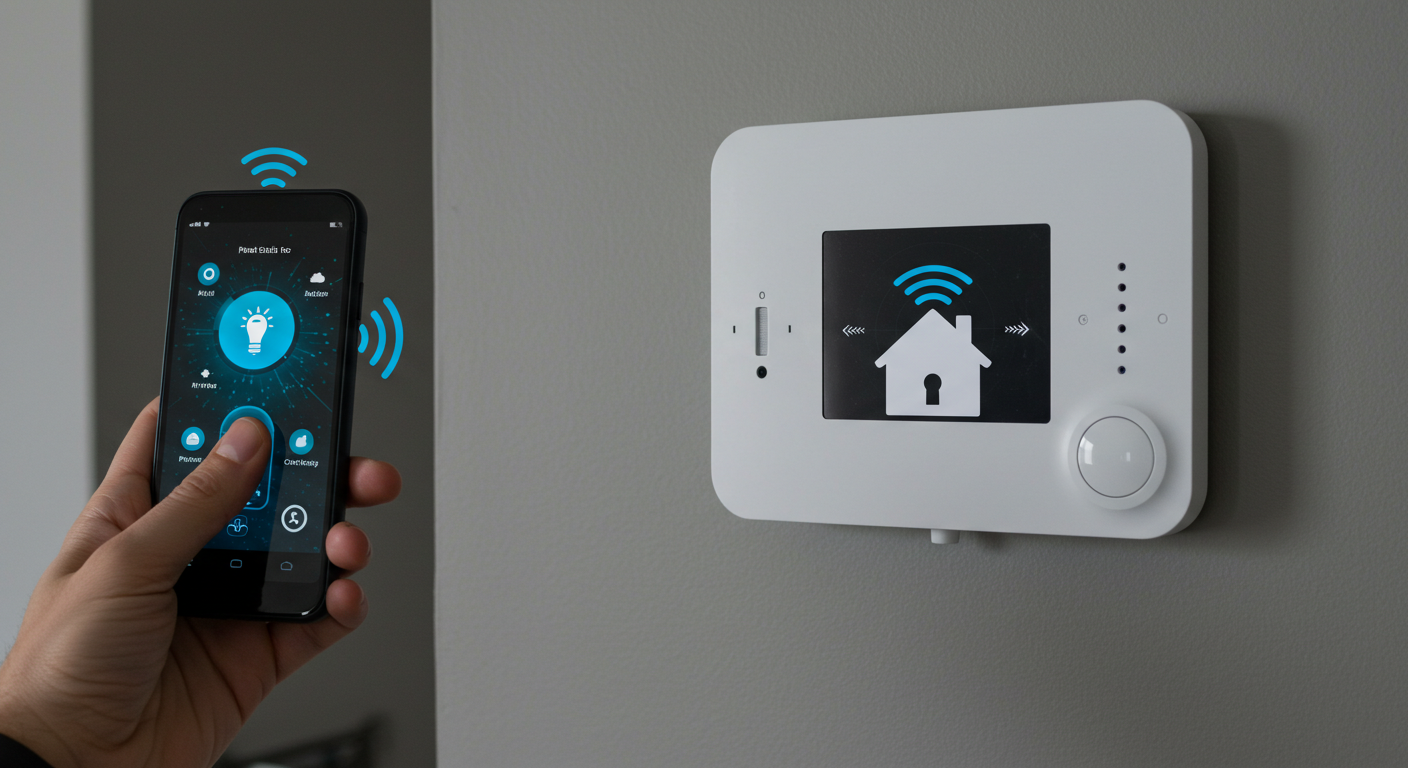
Rounding out the trio of impactful certifications was an innovative home automation sensor. This device challenges the closed ecosystems prevalent in smart home technology by offering a fully open platform. Certified in April 2026, the sensor provides makers and enthusiasts with the ability to integrate it seamlessly into various home automation systems, modify its functionalities, or even re-purpose it for entirely new applications. Its modular design and open documentation significantly lower the barrier to entry for developing personalized and secure smart home solutions, empowering users with genuine control over their connected environments.
The Significance of Certification
Open source hardware certification, often overseen by bodies like the Open Source Hardware Association (OSHWA), plays a crucial role in the ecosystem. It provides a formal verification that a project truly adheres to the principles of open source, ensuring that design files, schematics, and relevant documentation are freely available and modifiable. This not only builds trust within the community but also fosters innovation by encouraging derivative works and collaborative improvements. For consumers, it signifies a commitment to longevity, repairability, and ethical production.
Summary
The open source hardware certifications of April 2026 vividly demonstrate the ongoing vitality and expanding influence of the maker movement. From advanced scientific tools like the SDR peripheral and the nature camera to practical consumer technologies such as the home automation sensor, open source principles are driving innovation across diverse sectors. These certified projects are not just products; they are platforms for future development, embodying the collaborative spirit that defines open source hardware and setting a precedent for transparent technology in the years to come.
Resources
Details
Author



Latest articles





 }})
You can now watch HBO Max for $10
Forging the Future: Open Source Hardware Certifications of April 2026
In the evolving landscape of technological innovation, open source hardware continues to carve out a critical niche, fostering transparency, collaboration, and rapid development. April 2026 marked a significant period for the community, as several innovative projects achieved their coveted open source hardware certifications. These endorsements not only validate the projects' adherence to open principles but also signal their readiness for broader adoption and impact.
Our analysis of the April 2026 certifications reveals a particularly vibrant period for community-driven development, with three standout projects exemplifying the diversity and ingenuity inherent in the open hardware movement: a sophisticated software-defined radio (SDR) peripheral, an advanced nature camera, and an intuitive home automation sensor.
Spotlight on Notable Certifications
The Versatile Software-Defined Radio Peripheral
Among the certified projects, a new software-defined radio peripheral garnered considerable attention. This device, designed with a fully open architecture, allows users unprecedented flexibility in exploring the radio spectrum. Its certification underscores a commitment to allowing researchers, hobbyists, and developers to understand, modify, and improve its capabilities without proprietary restrictions. This openness promises to accelerate advancements in areas ranging from telecommunications research to amateur radio applications, reinforcing the core tenet that hardware should be as adaptable as its software counterpart.
An Intelligent Open Source Nature Camera
Another compelling project to achieve certification in April 2026 was a rugged nature camera. Engineered for environmental monitoring and wildlife observation, this camera integrates open source software and hardware designs, providing a powerful tool for citizen scientists and researchers alike. Its transparent design means users can customize sensors, improve imaging algorithms, and adapt the device for specific ecological studies, ensuring long-term usability and community-driven enhancements in the field of biodiversity monitoring.
The Modular Home Automation Sensor
Rounding out the trio of impactful certifications was an innovative home automation sensor. This device challenges the closed ecosystems prevalent in smart home technology by offering a fully open platform. Certified in April 2026, the sensor provides makers and enthusiasts with the ability to integrate it seamlessly into various home automation systems, modify its functionalities, or even re-purpose it for entirely new applications. Its modular design and open documentation significantly lower the barrier to entry for developing personalized and secure smart home solutions, empowering users with genuine control over their connected environments.
The Significance of Certification
Open source hardware certification, often overseen by bodies like the Open Source Hardware Association (OSHWA), plays a crucial role in the ecosystem. It provides a formal verification that a project truly adheres to the principles of open source, ensuring that design files, schematics, and relevant documentation are freely available and modifiable. This not only builds trust within the community but also fosters innovation by encouraging derivative works and collaborative improvements. For consumers, it signifies a commitment to longevity, repairability, and ethical production.
Summary
The open source hardware certifications of April 2026 vividly demonstrate the ongoing vitality and expanding influence of the maker movement. From advanced scientific tools like the SDR peripheral and the nature camera to practical consumer technologies such as the home automation sensor, open source principles are driving innovation across diverse sectors. These certified projects are not just products; they are platforms for future development, embodying the collaborative spirit that defines open source hardware and setting a precedent for transparent technology in the years to come.
Resources
Latest articles
You can now watch HBO Max for $10
Similar posts




This is a page that only logged-in people can visit. Don't you feel special? Try clicking on a button below to do some things you can't do when you're logged out.
Example modal
At your leisure, please peruse this excerpt from a whale of a tale.
Chapter 1: Loomings.
Call me Ishmael. Some years ago—never mind how long precisely—having little or no money in my purse, and nothing particular to interest me on shore, I thought I would sail about a little and see the watery part of the world. It is a way I have of driving off the spleen and regulating the circulation. Whenever I find myself growing grim about the mouth; whenever it is a damp, drizzly November in my soul; whenever I find myself involuntarily pausing before coffin warehouses, and bringing up the rear of every funeral I meet; and especially whenever my hypos get such an upper hand of me, that it requires a strong moral principle to prevent me from deliberately stepping into the street, and methodically knocking people's hats off—then, I account it high time to get to sea as soon as I can. This is my substitute for pistol and ball. With a philosophical flourish Cato throws himself upon his sword; I quietly take to the ship. There is nothing surprising in this. If they but knew it, almost all men in their degree, some time or other, cherish very nearly the same feelings towards the ocean with me.
Comment