DeRoche Projects Transforms Osu Backyard Garden into a Sustainable Urban Oasis in Accra
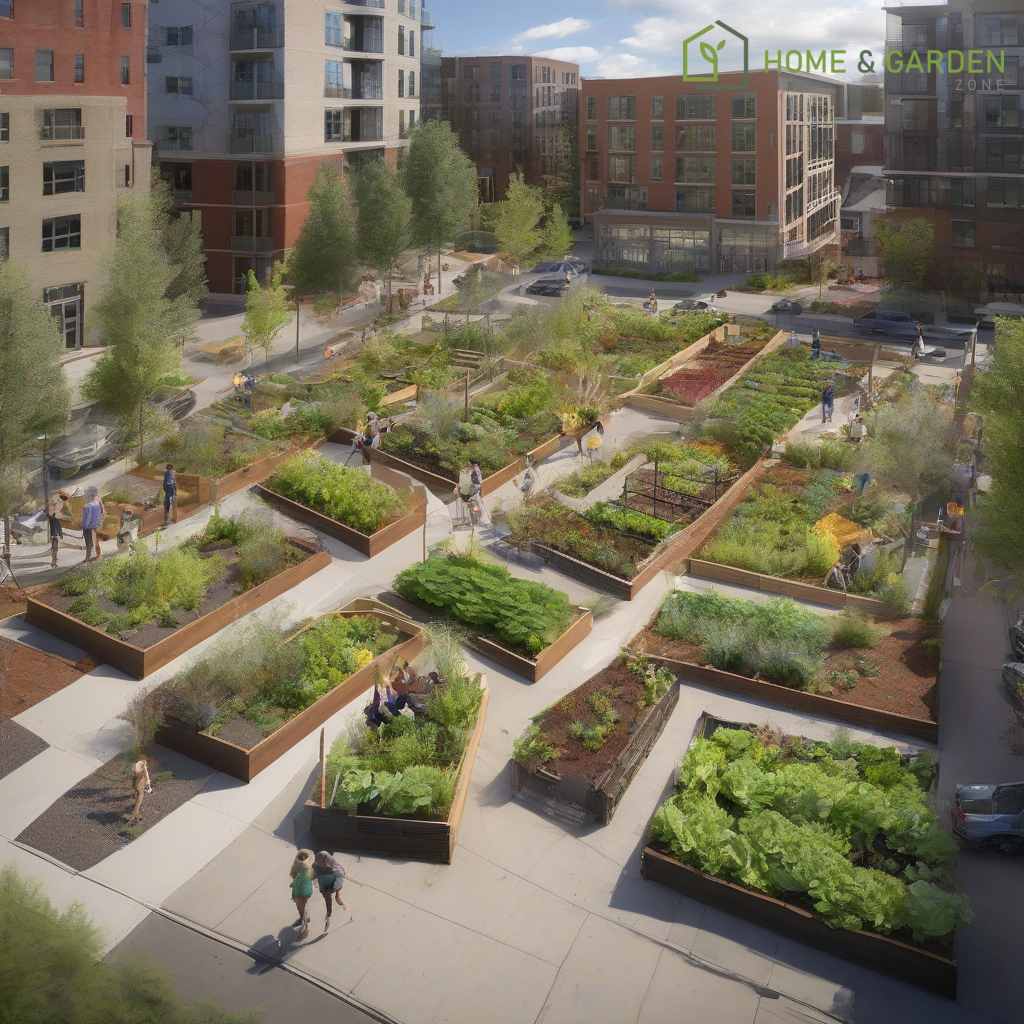
A Verdant Transformation in Accra: Osu Community Garden by deRoche Projects
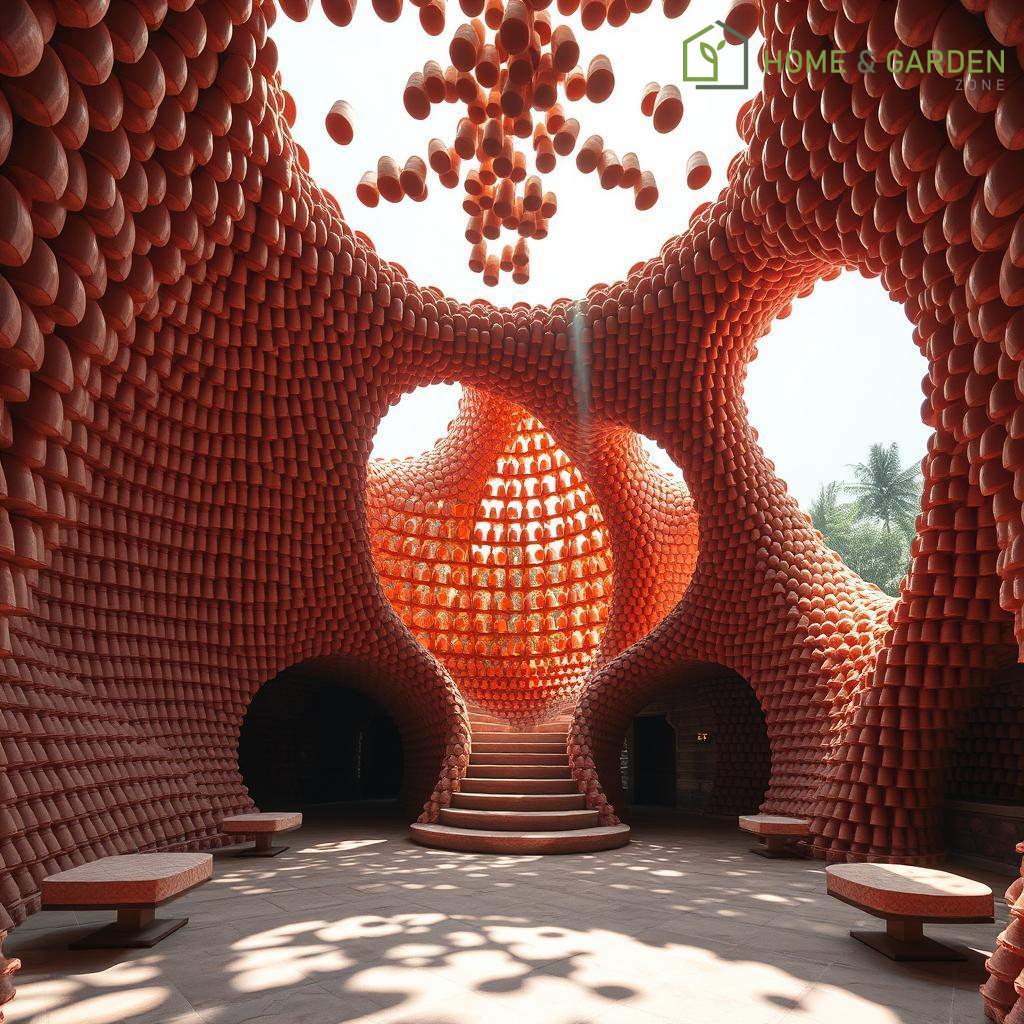
In the vibrant heart of Osu, a bustling district in Accra, Ghana, a remarkable transformation has taken place. deRoche Projects, a firm known for its innovative architectural and design solutions, has converted a traditional backyard space into a highly productive and sustainable public landscape. This initiative is not merely about aesthetics; it embodies a sophisticated blend of ecological principles, local materials, and community engagement, setting a new benchmark for urban green spaces in West Africa.
Integrating Indigenous Techniques with Modern Sustainability
The Osu community garden project stands out for its thoughtful integration of several key sustainable design elements:
- Rammed Earth Construction: Utilizing a millennia-old building technique, rammed earth walls are a prominent feature. This method, which compacts natural raw materials like earth, chalk, lime, or gravel into forms, provides excellent thermal mass, reducing the need for artificial cooling and heating. It also minimizes environmental impact by sourcing materials locally and reducing embodied energy.
- Edible Planting Systems: Beyond ornamental value, the garden is designed as a food-producing ecosystem. A diverse array of edible plants is cultivated, providing fresh produce for the community and fostering local food security. This approach redefines the utility of urban green spaces, shifting them from passive areas to active contributors to well-being.
- Rainwater Harvesting: Recognizing the value of water, the project incorporates an efficient rainwater harvesting system. This infrastructure collects and stores precipitation, reducing reliance on municipal water sources for irrigation and promoting water conservation, a critical aspect in many urban environments.
- West African Agricultural Grids: Drawing inspiration from traditional agricultural practices across West Africa, the garden employs specific planting grids. These patterns are often optimized for local climate conditions, soil types, and crop rotation, enhancing productivity and resilience. This cultural integration ensures the garden is not only sustainable but also deeply rooted in its regional context.
Community Empowerment and Environmental Stewardship
The deRoche Projects initiative in Osu extends beyond physical infrastructure. It serves as a vital hub for community interaction, education, and empowerment. By involving local residents in the planning, planting, and maintenance, the project fosters a sense of ownership and collective responsibility. It provides a tangible example of how neglected urban spaces can be revitalized to offer ecological benefits, aesthetic pleasure, and tangible resources, all while educating the populace on sustainable living practices.
Summary
The Osu community garden by deRoche Projects is a compelling exemplar of how thoughtful design, local resources, and community collaboration can transform urban landscapes into productive, sustainable, and culturally resonant spaces. By cleverly combining rammed earth, edible planting, rainwater harvesting, and West African agricultural grids, the project offers a replicable model for urban resilience and environmental stewardship, deeply enriching the lives of Accra's residents.
Resources
Details
Author




Latest articles




 }})
You can now watch HBO Max for $10
A Verdant Transformation in Accra: Osu Community Garden by deRoche Projects
In the vibrant heart of Osu, a bustling district in Accra, Ghana, a remarkable transformation has taken place. deRoche Projects, a firm known for its innovative architectural and design solutions, has converted a traditional backyard space into a highly productive and sustainable public landscape. This initiative is not merely about aesthetics; it embodies a sophisticated blend of ecological principles, local materials, and community engagement, setting a new benchmark for urban green spaces in West Africa.
Integrating Indigenous Techniques with Modern Sustainability
The Osu community garden project stands out for its thoughtful integration of several key sustainable design elements:
- Rammed Earth Construction: Utilizing a millennia-old building technique, rammed earth walls are a prominent feature. This method, which compacts natural raw materials like earth, chalk, lime, or gravel into forms, provides excellent thermal mass, reducing the need for artificial cooling and heating. It also minimizes environmental impact by sourcing materials locally and reducing embodied energy.
- Edible Planting Systems: Beyond ornamental value, the garden is designed as a food-producing ecosystem. A diverse array of edible plants is cultivated, providing fresh produce for the community and fostering local food security. This approach redefines the utility of urban green spaces, shifting them from passive areas to active contributors to well-being.
- Rainwater Harvesting: Recognizing the value of water, the project incorporates an efficient rainwater harvesting system. This infrastructure collects and stores precipitation, reducing reliance on municipal water sources for irrigation and promoting water conservation, a critical aspect in many urban environments.
- West African Agricultural Grids: Drawing inspiration from traditional agricultural practices across West Africa, the garden employs specific planting grids. These patterns are often optimized for local climate conditions, soil types, and crop rotation, enhancing productivity and resilience. This cultural integration ensures the garden is not only sustainable but also deeply rooted in its regional context.
Community Empowerment and Environmental Stewardship
The deRoche Projects initiative in Osu extends beyond physical infrastructure. It serves as a vital hub for community interaction, education, and empowerment. By involving local residents in the planning, planting, and maintenance, the project fosters a sense of ownership and collective responsibility. It provides a tangible example of how neglected urban spaces can be revitalized to offer ecological benefits, aesthetic pleasure, and tangible resources, all while educating the populace on sustainable living practices.
Summary
The Osu community garden by deRoche Projects is a compelling exemplar of how thoughtful design, local resources, and community collaboration can transform urban landscapes into productive, sustainable, and culturally resonant spaces. By cleverly combining rammed earth, edible planting, rainwater harvesting, and West African agricultural grids, the project offers a replicable model for urban resilience and environmental stewardship, deeply enriching the lives of Accra's residents.
Resources
Latest articles
You can now watch HBO Max for $10
Similar posts

This is a page that only logged-in people can visit. Don't you feel special? Try clicking on a button below to do some things you can't do when you're logged out.
Example modal
At your leisure, please peruse this excerpt from a whale of a tale.
Chapter 1: Loomings.
Call me Ishmael. Some years ago—never mind how long precisely—having little or no money in my purse, and nothing particular to interest me on shore, I thought I would sail about a little and see the watery part of the world. It is a way I have of driving off the spleen and regulating the circulation. Whenever I find myself growing grim about the mouth; whenever it is a damp, drizzly November in my soul; whenever I find myself involuntarily pausing before coffin warehouses, and bringing up the rear of every funeral I meet; and especially whenever my hypos get such an upper hand of me, that it requires a strong moral principle to prevent me from deliberately stepping into the street, and methodically knocking people's hats off—then, I account it high time to get to sea as soon as I can. This is my substitute for pistol and ball. With a philosophical flourish Cato throws himself upon his sword; I quietly take to the ship. There is nothing surprising in this. If they but knew it, almost all men in their degree, some time or other, cherish very nearly the same feelings towards the ocean with me.
Comment