From Karoo Rains to Woven Narratives: Frances van Hasselt Forges a Women-Led Mohair Legacy in South Africa
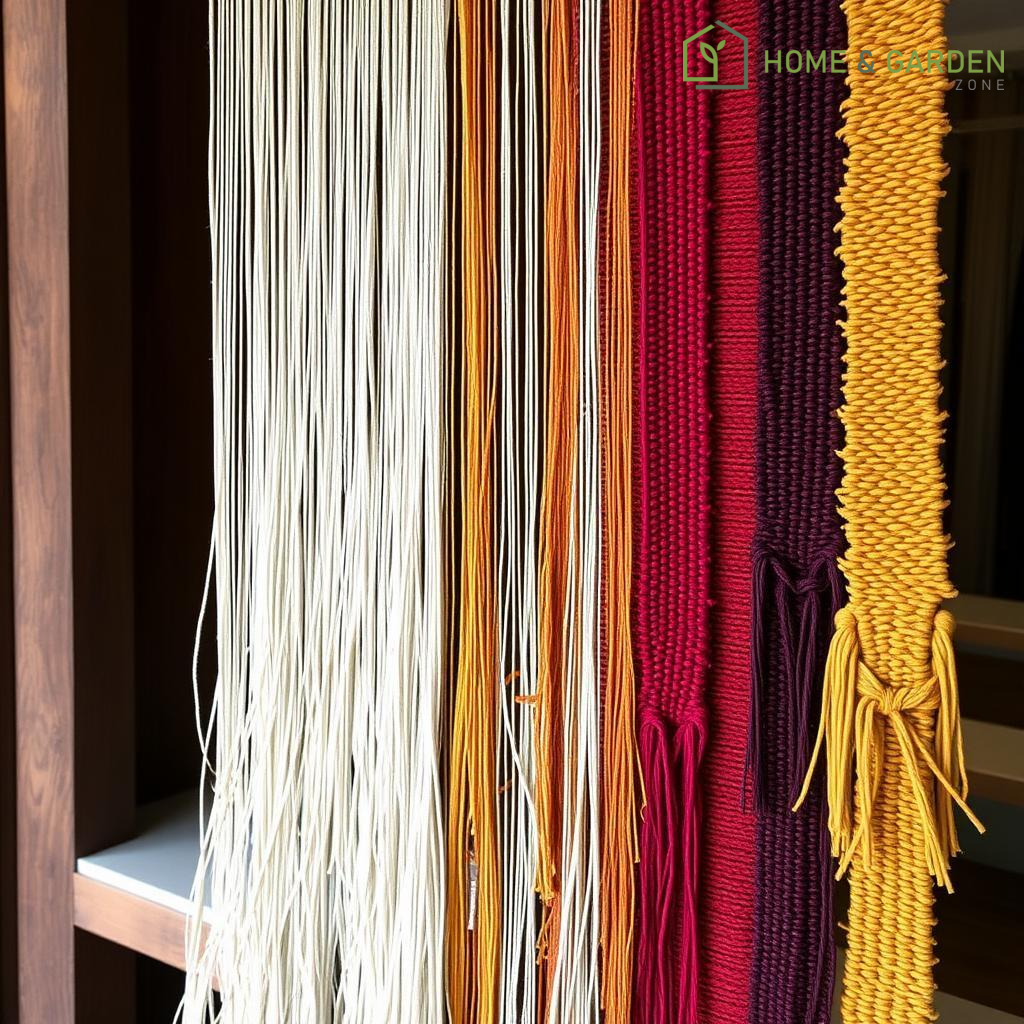
A Tapestry of Terroir and Talent: Frances van Hasselt's Karoo Vision
In the arid expanse of South Africa's Karoo desert, where the rhythm of life is dictated by infrequent rainfall and the whispers of ancient landscapes, textile designer Frances van Hasselt is meticulously crafting a different narrative. Her eponymous practice is not merely about producing mohair textiles; it is a profound exploration of connection – between land and fiber, tradition and innovation, and crucially, between women whose collective skills transform raw material into objects of profound beauty and resilience.
Van Hasselt's approach stands in stark contrast to the rapid cycles of global manufacturing. She champions a "slow" practice, one deeply rooted in the specific ecological and cultural context of the Karoo. This methodology prioritizes ethical production, environmental stewardship, and the empowerment of local communities, primarily focusing on the skilled hands of women artisans.
The Karoo's Golden Fleece: Mohair and its Origins
The foundation of van Hasselt's work lies in mohair, often referred to as the "diamond fibre," sourced from Angora goats thriving in the Karoo. This region, with its semi-desert climate and unique vegetation, provides ideal conditions for producing high-quality mohair known for its luster, strength, and durability. Van Hasselt's process begins not with a factory order, but with the land itself – understanding the impact of rainfall, the health of the pastures, and the welfare of the animals. This intimate connection ensures a sustainable and ethical starting point for every piece.
The journey from rainfall to textile is an intricate dance of natural processes and human intervention. The initial shearing, the careful sorting of fleeces, and the subsequent cleaning and spinning are all undertaken with a reverence for the material and the environment. This foundational stage emphasizes traditional knowledge passed down through generations, ensuring the integrity of the fibre is maintained.
Artisanal Knowledge and Collective Care: A Women-Led Practice
Central to Frances van Hasselt's philosophy is the unwavering belief in the power of artisanal knowledge and collective care. Her practice is distinctly women-led, providing meaningful employment and fostering skill development within rural communities. Women are involved at every stage, from hand-spinning the mohair yarn – a meticulous process that imbues each thread with unique character – to the intricate weaving and finishing techniques.
This collaborative model extends beyond mere labor; it cultivates a sense of ownership, pride, and shared purpose. By investing in the skills and livelihoods of these women, van Hasselt not only produces exceptional textiles but also contributes to the socio-economic upliftment of the Karoo region. The handcrafted nature of the textiles means that each piece carries the imprint of the individual artisan, telling a story of dedication and skill that machine production cannot replicate.
From Raw Fibre to Finished Object: A Testament to Patience
The transformation of raw mohair into a finished textile object under van Hasselt's guidance is a testament to patience and meticulous craftsmanship. Unlike mass-produced items, her pieces are characterized by subtle variations and an inherent warmth that speaks to their handmade origin. Whether it's a luxurious throw, a woven rug, or an art piece, each creation reflects a conscious decision to slow down, to honor the material, and to celebrate the human touch.
This deliberate pace allows for an extraordinary level of attention to detail, resulting in textiles that are not only aesthetically pleasing but also possess a tactile richness and a deep narrative. They are designed to be cherished, to age gracefully, and to become heirlooms, embodying a sustainable ethos that transcends fleeting trends.
Summary
Frances van Hasselt's practice is a compelling exemplar of how sustainable design, artisanal craft, and social responsibility can converge to create profound impact. By anchoring her mohair production in the unique environment of the Karoo desert and empowering a network of women artisans, she demonstrates that it is possible to cultivate a thriving creative enterprise that is both environmentally conscious and socially equitable. Her work is a powerful reminder of the value inherent in slowing down, connecting with origins, and honoring the hands that shape our world.
Resources
- Frances van Hasselt Official Website
- Design Indaba
- Visi Magazine (South Africa)
Details
Author




Latest articles



 }})
You can now watch HBO Max for $10
A Tapestry of Terroir and Talent: Frances van Hasselt's Karoo Vision
In the arid expanse of South Africa's Karoo desert, where the rhythm of life is dictated by infrequent rainfall and the whispers of ancient landscapes, textile designer Frances van Hasselt is meticulously crafting a different narrative. Her eponymous practice is not merely about producing mohair textiles; it is a profound exploration of connection – between land and fiber, tradition and innovation, and crucially, between women whose collective skills transform raw material into objects of profound beauty and resilience.
Van Hasselt's approach stands in stark contrast to the rapid cycles of global manufacturing. She champions a "slow" practice, one deeply rooted in the specific ecological and cultural context of the Karoo. This methodology prioritizes ethical production, environmental stewardship, and the empowerment of local communities, primarily focusing on the skilled hands of women artisans.
The Karoo's Golden Fleece: Mohair and its Origins
The foundation of van Hasselt's work lies in mohair, often referred to as the "diamond fibre," sourced from Angora goats thriving in the Karoo. This region, with its semi-desert climate and unique vegetation, provides ideal conditions for producing high-quality mohair known for its luster, strength, and durability. Van Hasselt's process begins not with a factory order, but with the land itself – understanding the impact of rainfall, the health of the pastures, and the welfare of the animals. This intimate connection ensures a sustainable and ethical starting point for every piece.
The journey from rainfall to textile is an intricate dance of natural processes and human intervention. The initial shearing, the careful sorting of fleeces, and the subsequent cleaning and spinning are all undertaken with a reverence for the material and the environment. This foundational stage emphasizes traditional knowledge passed down through generations, ensuring the integrity of the fibre is maintained.
Artisanal Knowledge and Collective Care: A Women-Led Practice
Central to Frances van Hasselt's philosophy is the unwavering belief in the power of artisanal knowledge and collective care. Her practice is distinctly women-led, providing meaningful employment and fostering skill development within rural communities. Women are involved at every stage, from hand-spinning the mohair yarn – a meticulous process that imbues each thread with unique character – to the intricate weaving and finishing techniques.
This collaborative model extends beyond mere labor; it cultivates a sense of ownership, pride, and shared purpose. By investing in the skills and livelihoods of these women, van Hasselt not only produces exceptional textiles but also contributes to the socio-economic upliftment of the Karoo region. The handcrafted nature of the textiles means that each piece carries the imprint of the individual artisan, telling a story of dedication and skill that machine production cannot replicate.
From Raw Fibre to Finished Object: A Testament to Patience
The transformation of raw mohair into a finished textile object under van Hasselt's guidance is a testament to patience and meticulous craftsmanship. Unlike mass-produced items, her pieces are characterized by subtle variations and an inherent warmth that speaks to their handmade origin. Whether it's a luxurious throw, a woven rug, or an art piece, each creation reflects a conscious decision to slow down, to honor the material, and to celebrate the human touch.
This deliberate pace allows for an extraordinary level of attention to detail, resulting in textiles that are not only aesthetically pleasing but also possess a tactile richness and a deep narrative. They are designed to be cherished, to age gracefully, and to become heirlooms, embodying a sustainable ethos that transcends fleeting trends.
Summary
Frances van Hasselt's practice is a compelling exemplar of how sustainable design, artisanal craft, and social responsibility can converge to create profound impact. By anchoring her mohair production in the unique environment of the Karoo desert and empowering a network of women artisans, she demonstrates that it is possible to cultivate a thriving creative enterprise that is both environmentally conscious and socially equitable. Her work is a powerful reminder of the value inherent in slowing down, connecting with origins, and honoring the hands that shape our world.
Resources
- Frances van Hasselt Official Website
- Design Indaba
- Visi Magazine (South Africa)
Latest articles
You can now watch HBO Max for $10
Similar posts



This is a page that only logged-in people can visit. Don't you feel special? Try clicking on a button below to do some things you can't do when you're logged out.
Example modal
At your leisure, please peruse this excerpt from a whale of a tale.
Chapter 1: Loomings.
Call me Ishmael. Some years ago—never mind how long precisely—having little or no money in my purse, and nothing particular to interest me on shore, I thought I would sail about a little and see the watery part of the world. It is a way I have of driving off the spleen and regulating the circulation. Whenever I find myself growing grim about the mouth; whenever it is a damp, drizzly November in my soul; whenever I find myself involuntarily pausing before coffin warehouses, and bringing up the rear of every funeral I meet; and especially whenever my hypos get such an upper hand of me, that it requires a strong moral principle to prevent me from deliberately stepping into the street, and methodically knocking people's hats off—then, I account it high time to get to sea as soon as I can. This is my substitute for pistol and ball. With a philosophical flourish Cato throws himself upon his sword; I quietly take to the ship. There is nothing surprising in this. If they but knew it, almost all men in their degree, some time or other, cherish very nearly the same feelings towards the ocean with me.
Comment