Torch It! Yakisugi: The Ancient Japanese Charred Timber Finish Igniting Modern Architectural Design
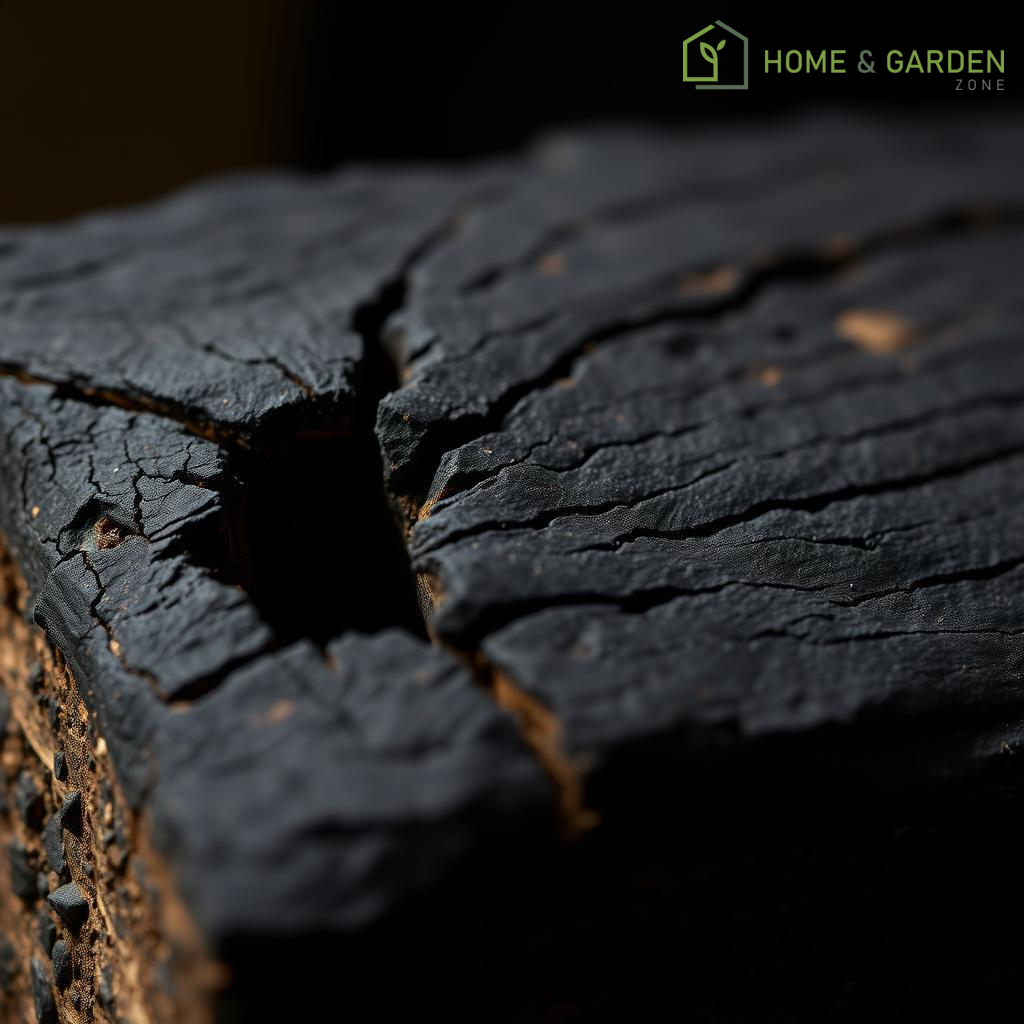
Torch It! Yakisugi: The Ancient Art of Charred Timber for Modern Design
In a world increasingly seeking sustainable and resilient building materials, an ancient Japanese technique known as Yakisugi offers a compelling solution. Far more than a mere aesthetic trend, Yakisugi—literally "charred cedar"—is a time-honored method of preserving wood through controlled burning, transforming its surface into a remarkably durable, fire-resistant, and visually striking finish. This investigative look delves into the enduring appeal and practical benefits of this traditional craft now embraced by contemporary design globally.
A Timeless Craft: The Origins of Yakisugi
The practice of Yakisugi dates back centuries in Japan, born out of necessity and ingenuity. Originally developed to protect cedar (sugi) wood, particularly for exterior siding on traditional Japanese homes and fences, the method provided a natural and chemical-free defense against the elements. Its primary purpose was to render wood more resistant to rot, insects, and even fire, leveraging the transformative power of controlled flame to create a carbonized outer layer. This historical context underscores its foundational principles of longevity and minimal maintenance.
The Transformative Fire: Understanding the Process
The traditional Yakisugi process is a testament to skilled craftsmanship. It typically involves binding three planks of wood together to form a triangular chimney. A fire is then carefully lit inside this structure, allowing the flames to char the inner surfaces evenly. The duration and intensity of the charring dictate the final appearance and depth of the carbon layer. Once the desired char is achieved, the planks are separated, and the fire is extinguished with water. Following this, the charred surface is meticulously brushed to remove loose soot, revealing a rich, often silvery, and highly textured finish. While some applications might leave the surface untouched for a more rugged look, a final application of natural oil can further seal and protect the wood, enhancing its luster and durability.
Beyond Aesthetics: The Enduring Benefits
The appeal of Yakisugi extends far beyond its distinctive visual characteristics. The charring process imparts a multitude of practical benefits:
- Enhanced Durability: The carbonized layer makes the wood highly resistant to rot, decay, and fungal growth.
- Natural Pest Repellent: Insects, including termites, are deterred by the charred surface, eliminating the need for chemical treatments.
- Increased Fire Resistance: Paradoxically, the charred exterior acts as a protective barrier, making the wood less susceptible to ignition.
- Water Repellency: The heat treatment reduces the wood's porosity, minimizing water absorption and making it more resistant to warping and swelling.
- Minimal Maintenance: Once properly installed, Yakisugi timber can last for decades with very little ongoing upkeep, making it a cost-effective choice over its lifespan.
Yakisugi in the Modern Era
While rooted in ancient Japanese tradition, Yakisugi has experienced a significant resurgence in contemporary architecture and interior design worldwide. Modern interpretations often apply the technique to various wood species beyond traditional cedar, such as cypress, pine, and Douglas fir, each yielding unique textures and color variations. Architects and designers are drawn to its sustainable credentials, its dramatic aesthetic versatility—from deep matte black to shimmering metallic silver—and its proven performance in diverse climates. It is frequently employed for exterior cladding on minimalist homes, feature walls in high-end interiors, bespoke furniture, and artistic installations, offering a tactile and visually compelling alternative to conventional finishes.
Summary
Yakisugi stands as a powerful example of how ancient wisdom can inform modern solutions. By harnessing the transformative power of fire, this Japanese timber finish delivers unparalleled durability, natural protection, and striking aesthetic appeal. As a testament to sustainable craftsmanship, Yakisugi offers a robust and beautiful alternative for those seeking to build with integrity and a deep respect for natural materials.
Resources
- Western Red Cedar Lumber Association (WRCLA): Provides technical insights and sustainable practices for wood products, including charred finishes.
- Dezeen: A leading architecture and design magazine often featuring contemporary projects utilizing Yakisugi.
- F.L. Wright School of Architecture (Archives): Offers historical and practical documentation on natural building materials and traditional techniques.
Details
Author



Latest articles

 }})
You can now watch HBO Max for $10
Torch It! Yakisugi: The Ancient Art of Charred Timber for Modern Design
In a world increasingly seeking sustainable and resilient building materials, an ancient Japanese technique known as Yakisugi offers a compelling solution. Far more than a mere aesthetic trend, Yakisugi—literally "charred cedar"—is a time-honored method of preserving wood through controlled burning, transforming its surface into a remarkably durable, fire-resistant, and visually striking finish. This investigative look delves into the enduring appeal and practical benefits of this traditional craft now embraced by contemporary design globally.
A Timeless Craft: The Origins of Yakisugi
The practice of Yakisugi dates back centuries in Japan, born out of necessity and ingenuity. Originally developed to protect cedar (sugi) wood, particularly for exterior siding on traditional Japanese homes and fences, the method provided a natural and chemical-free defense against the elements. Its primary purpose was to render wood more resistant to rot, insects, and even fire, leveraging the transformative power of controlled flame to create a carbonized outer layer. This historical context underscores its foundational principles of longevity and minimal maintenance.
The Transformative Fire: Understanding the Process
The traditional Yakisugi process is a testament to skilled craftsmanship. It typically involves binding three planks of wood together to form a triangular chimney. A fire is then carefully lit inside this structure, allowing the flames to char the inner surfaces evenly. The duration and intensity of the charring dictate the final appearance and depth of the carbon layer. Once the desired char is achieved, the planks are separated, and the fire is extinguished with water. Following this, the charred surface is meticulously brushed to remove loose soot, revealing a rich, often silvery, and highly textured finish. While some applications might leave the surface untouched for a more rugged look, a final application of natural oil can further seal and protect the wood, enhancing its luster and durability.
Beyond Aesthetics: The Enduring Benefits
The appeal of Yakisugi extends far beyond its distinctive visual characteristics. The charring process imparts a multitude of practical benefits:
- Enhanced Durability: The carbonized layer makes the wood highly resistant to rot, decay, and fungal growth.
- Natural Pest Repellent: Insects, including termites, are deterred by the charred surface, eliminating the need for chemical treatments.
- Increased Fire Resistance: Paradoxically, the charred exterior acts as a protective barrier, making the wood less susceptible to ignition.
- Water Repellency: The heat treatment reduces the wood's porosity, minimizing water absorption and making it more resistant to warping and swelling.
- Minimal Maintenance: Once properly installed, Yakisugi timber can last for decades with very little ongoing upkeep, making it a cost-effective choice over its lifespan.
Yakisugi in the Modern Era
While rooted in ancient Japanese tradition, Yakisugi has experienced a significant resurgence in contemporary architecture and interior design worldwide. Modern interpretations often apply the technique to various wood species beyond traditional cedar, such as cypress, pine, and Douglas fir, each yielding unique textures and color variations. Architects and designers are drawn to its sustainable credentials, its dramatic aesthetic versatility—from deep matte black to shimmering metallic silver—and its proven performance in diverse climates. It is frequently employed for exterior cladding on minimalist homes, feature walls in high-end interiors, bespoke furniture, and artistic installations, offering a tactile and visually compelling alternative to conventional finishes.
Summary
Yakisugi stands as a powerful example of how ancient wisdom can inform modern solutions. By harnessing the transformative power of fire, this Japanese timber finish delivers unparalleled durability, natural protection, and striking aesthetic appeal. As a testament to sustainable craftsmanship, Yakisugi offers a robust and beautiful alternative for those seeking to build with integrity and a deep respect for natural materials.
Resources
- Western Red Cedar Lumber Association (WRCLA): Provides technical insights and sustainable practices for wood products, including charred finishes.
- Dezeen: A leading architecture and design magazine often featuring contemporary projects utilizing Yakisugi.
- F.L. Wright School of Architecture (Archives): Offers historical and practical documentation on natural building materials and traditional techniques.
Latest articles
You can now watch HBO Max for $10
Similar posts


This is a page that only logged-in people can visit. Don't you feel special? Try clicking on a button below to do some things you can't do when you're logged out.
Example modal
At your leisure, please peruse this excerpt from a whale of a tale.
Chapter 1: Loomings.
Call me Ishmael. Some years ago—never mind how long precisely—having little or no money in my purse, and nothing particular to interest me on shore, I thought I would sail about a little and see the watery part of the world. It is a way I have of driving off the spleen and regulating the circulation. Whenever I find myself growing grim about the mouth; whenever it is a damp, drizzly November in my soul; whenever I find myself involuntarily pausing before coffin warehouses, and bringing up the rear of every funeral I meet; and especially whenever my hypos get such an upper hand of me, that it requires a strong moral principle to prevent me from deliberately stepping into the street, and methodically knocking people's hats off—then, I account it high time to get to sea as soon as I can. This is my substitute for pistol and ball. With a philosophical flourish Cato throws himself upon his sword; I quietly take to the ship. There is nothing surprising in this. If they but knew it, almost all men in their degree, some time or other, cherish very nearly the same feelings towards the ocean with me.
Comment