February's Botanical Paradox: Navigating the Ugly, Appreciating the Bad, and Celebrating the Good in the Winter Garden
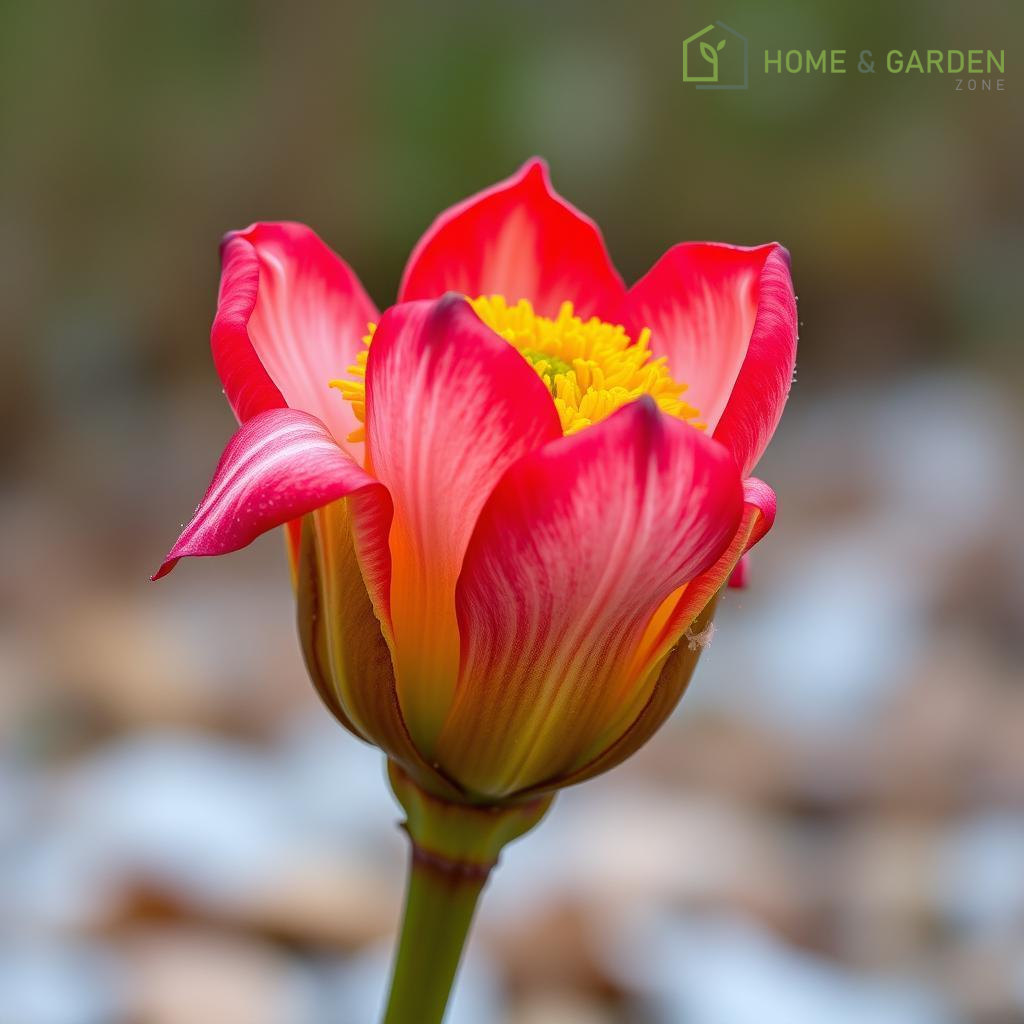
As February unfolds, the garden often presents a stark dichotomy: moments of profound desolation juxtaposed with surprising displays of resilience and nascent life. For the keen observer, this month offers a masterclass in horticultural survival, revealing which species endure, which falter, and which, against all odds, flourish.
The Ugly: February's Horticultural Realities
The remnants of winter can be particularly unforgiving in February. Frost heave, a phenomenon where alternating freezing and thawing cycles lift shallow-rooted plants from the soil, is a common sight, leaving specimens vulnerable to desiccation and damage. Evergreen foliage, particularly on less hardy shrubs and broadleaf evergreens like rhododendrons and hollies, can suffer from 'winter burn'. This occurs when cold winds strip moisture from leaves while the ground remains frozen, preventing roots from replenishing the lost water, leading to unsightly browning and dieback.
Beyond the visible damage, the latent threats of fungal diseases and overwintering pests often lie dormant, waiting for the slight warming trends to become active. Gardeners may notice lingering traces of black spot on rose canes or powdery mildew spores clinging to last season's debris, underscoring the importance of winter sanitation.
The Bad: When Plants Underperform
Even robust plants can exhibit 'bad' behavior under specific climatic pressures. The concept of a "fertile droughty year," as experienced in some regions, presents a unique challenge. While certain drought-tolerant species might set an unusual abundance of fruit, others, particularly those accustomed to consistent moisture, may struggle considerably. Their growth might be stunted, flowering sparse, or foliage discolored, even leading to premature leaf or fruit drop as they attempt to conserve resources. This serves as a stark reminder of the critical importance of selecting plants suited to local microclimates and anticipated weather patterns, rather than forcing a species into unsuitable conditions.
Tender perennials or marginally hardy shrubs that were not adequately protected can also fall into this category, succumbing to an unexpected cold snap or prolonged periods below their tolerance threshold, transforming once vibrant specimens into dormant casualties.
The Good: February's Resilient Beauties
Despite the challenges, February also delivers moments of extraordinary botanical beauty. The resilience of certain plants ensures that the garden is never entirely without interest. Early bulbs, such as the delicate snowdrops (Galanthus nivalis) and cheerful winter aconites (Eranthis hyemalis), bravely push through frozen ground, offering the first true signs of spring. Hellebores, with their nodding, often speckled blooms, provide a sophisticated palette of whites, pinks, and deep purples that defy the chill.
Shrubs like the fragrant Sweet Box (Sarcococca confusa) perfume the air with their inconspicuous white flowers, while various Witch Hazels (Hamamelis spp.) blaze with fiery, ribbon-like petals, injecting much-needed color. And indeed, a "fertile droughty year" can paradoxically lead to a spectacular display of berries on resilient species like certain hollies (Ilex spp.) or pyracantha, which, perhaps due to stressed growth focusing energy on fruit production or simply less competition, provide an extended feast for both the eye and wintering birds.
Conclusion
February in the garden is a period of quiet transition, a testament to nature's enduring cycle of dormancy and renewal. It teaches us to appreciate the subtle beauty of resilience and to learn from the challenges. Understanding the specific needs of our plants and observing the subtle cues of the environment allows us to navigate the month's complexities, transforming potential 'ugliness' into lessons and celebrating the 'good' with renewed appreciation for the enduring spirit of the natural world.
Resources
- Royal Horticultural Society (RHS) - https://www.rhs.org.uk/
- University of California Agriculture and Natural Resources (UC ANR) - https://ucanr.edu/
- Missouri Botanical Garden - https://www.missouribotanicalgarden.org/
Details
Author




Latest articles





 }})
You can now watch HBO Max for $10
As February unfolds, the garden often presents a stark dichotomy: moments of profound desolation juxtaposed with surprising displays of resilience and nascent life. For the keen observer, this month offers a masterclass in horticultural survival, revealing which species endure, which falter, and which, against all odds, flourish.
The Ugly: February's Horticultural Realities
The remnants of winter can be particularly unforgiving in February. Frost heave, a phenomenon where alternating freezing and thawing cycles lift shallow-rooted plants from the soil, is a common sight, leaving specimens vulnerable to desiccation and damage. Evergreen foliage, particularly on less hardy shrubs and broadleaf evergreens like rhododendrons and hollies, can suffer from 'winter burn'. This occurs when cold winds strip moisture from leaves while the ground remains frozen, preventing roots from replenishing the lost water, leading to unsightly browning and dieback.
Beyond the visible damage, the latent threats of fungal diseases and overwintering pests often lie dormant, waiting for the slight warming trends to become active. Gardeners may notice lingering traces of black spot on rose canes or powdery mildew spores clinging to last season's debris, underscoring the importance of winter sanitation.
The Bad: When Plants Underperform
Even robust plants can exhibit 'bad' behavior under specific climatic pressures. The concept of a "fertile droughty year," as experienced in some regions, presents a unique challenge. While certain drought-tolerant species might set an unusual abundance of fruit, others, particularly those accustomed to consistent moisture, may struggle considerably. Their growth might be stunted, flowering sparse, or foliage discolored, even leading to premature leaf or fruit drop as they attempt to conserve resources. This serves as a stark reminder of the critical importance of selecting plants suited to local microclimates and anticipated weather patterns, rather than forcing a species into unsuitable conditions.
Tender perennials or marginally hardy shrubs that were not adequately protected can also fall into this category, succumbing to an unexpected cold snap or prolonged periods below their tolerance threshold, transforming once vibrant specimens into dormant casualties.
The Good: February's Resilient Beauties
Despite the challenges, February also delivers moments of extraordinary botanical beauty. The resilience of certain plants ensures that the garden is never entirely without interest. Early bulbs, such as the delicate snowdrops (Galanthus nivalis) and cheerful winter aconites (Eranthis hyemalis), bravely push through frozen ground, offering the first true signs of spring. Hellebores, with their nodding, often speckled blooms, provide a sophisticated palette of whites, pinks, and deep purples that defy the chill.
Shrubs like the fragrant Sweet Box (Sarcococca confusa) perfume the air with their inconspicuous white flowers, while various Witch Hazels (Hamamelis spp.) blaze with fiery, ribbon-like petals, injecting much-needed color. And indeed, a "fertile droughty year" can paradoxically lead to a spectacular display of berries on resilient species like certain hollies (Ilex spp.) or pyracantha, which, perhaps due to stressed growth focusing energy on fruit production or simply less competition, provide an extended feast for both the eye and wintering birds.
Conclusion
February in the garden is a period of quiet transition, a testament to nature's enduring cycle of dormancy and renewal. It teaches us to appreciate the subtle beauty of resilience and to learn from the challenges. Understanding the specific needs of our plants and observing the subtle cues of the environment allows us to navigate the month's complexities, transforming potential 'ugliness' into lessons and celebrating the 'good' with renewed appreciation for the enduring spirit of the natural world.
Resources
- Royal Horticultural Society (RHS) - https://www.rhs.org.uk/
- University of California Agriculture and Natural Resources (UC ANR) - https://ucanr.edu/
- Missouri Botanical Garden - https://www.missouribotanicalgarden.org/
Latest articles
You can now watch HBO Max for $10
Similar posts




This is a page that only logged-in people can visit. Don't you feel special? Try clicking on a button below to do some things you can't do when you're logged out.
Example modal
At your leisure, please peruse this excerpt from a whale of a tale.
Chapter 1: Loomings.
Call me Ishmael. Some years ago—never mind how long precisely—having little or no money in my purse, and nothing particular to interest me on shore, I thought I would sail about a little and see the watery part of the world. It is a way I have of driving off the spleen and regulating the circulation. Whenever I find myself growing grim about the mouth; whenever it is a damp, drizzly November in my soul; whenever I find myself involuntarily pausing before coffin warehouses, and bringing up the rear of every funeral I meet; and especially whenever my hypos get such an upper hand of me, that it requires a strong moral principle to prevent me from deliberately stepping into the street, and methodically knocking people's hats off—then, I account it high time to get to sea as soon as I can. This is my substitute for pistol and ball. With a philosophical flourish Cato throws himself upon his sword; I quietly take to the ship. There is nothing surprising in this. If they but knew it, almost all men in their degree, some time or other, cherish very nearly the same feelings towards the ocean with me.
Comment