Storm Goretti: A Winter Tempest Unearths Carnage in Cornwall's Cherished Gardens
The Unforgiving Dawn of January 8th
Thursday, the 8th of January, began much like any other winter's day for the dedicated horticulturalists of Cornwall. A persistent chill, coupled with the heavy, familiar drumming of rain, presaged strong winds. Yet, even for this south-westernmost tip of Britain, renowned for its dramatic coastline battered by the Atlantic from the north, west, and south, the sheer ferocity of what was to become known as Storm Goretti would prove exceptional. What started as a forecast for strong gusts quickly escalated into a tempest of destructive power, leaving a trail of unprecedented damage across the Duchy's iconic gardens.
A Landscape Transformed: The Devastation Unveiled
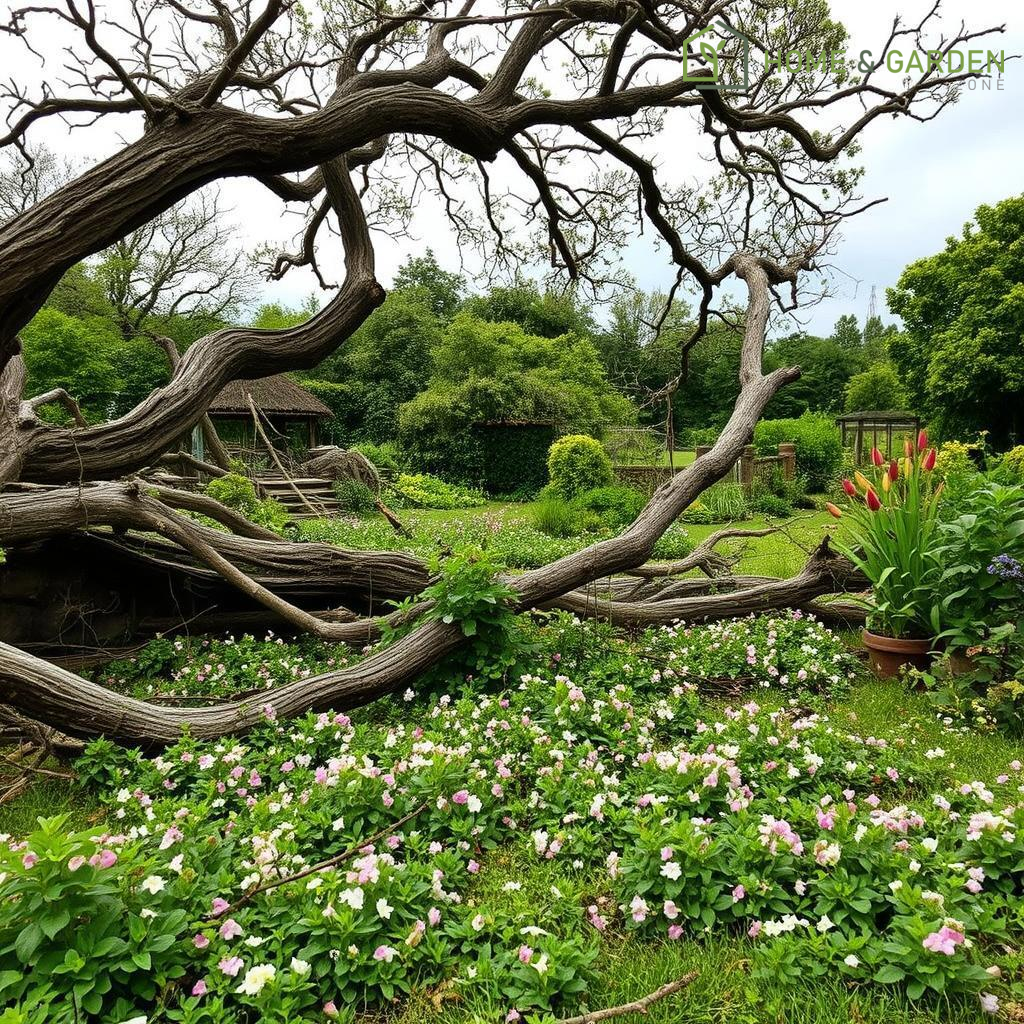
As Storm Goretti unleashed its full power, the region's famed gardens – sanctuaries of exotic and native flora, often boasting unique microclimates – bore the brunt of the tempest. Reports from across Cornwall detail a landscape irrevocably altered. Ancient specimen trees, some centuries old and integral to the character of these historic estates, succumbed to the gale-force winds. Their massive trunks splintered, and vast branches were strewn across pathways and horticultural displays, posing significant challenges for access and safety. The damage extended beyond mere debris, impacting glasshouses, protective structures, and intricate planting schemes built over decades.
Beyond the visible structural damage, the insidious effects of sustained wind exposure and salt-laden spray have begun to manifest. Delicate sub-tropical species, a hallmark of Cornwall's unique growing conditions, are showing signs of severe desiccation and cellular damage, particularly in exposed coastal gardens. The sheer volume of rainfall accompanying Goretti also contributed to significant soil erosion, especially on steeper garden terraces and vulnerable coastal paths, further compromising plant stability and long-term soil health.
Resilience Amidst Ruin: The Path to Recovery
The scale of the clean-up operation is monumental, requiring coordinated efforts from major garden trusts, independent estates, and a dedicated community of volunteers. Horticultural teams, seasoned veterans accustomed to the unpredictable vagaries of Cornish weather, are now undertaking complex arboricultural work, meticulously clearing debris, restoring compromised pathways, and assessing the long-term viability of irreplaceable plant collections. This process often involves expert consultation for tree surgery, soil stabilization, and the careful propagation of rare species for future replanting, a testament to the enduring commitment to these botanical treasures.
Summary
Storm Goretti serves as a stark reminder of nature's immense power and the delicate balance maintained within Cornwall's cherished gardens. While the immediate aftermath presents a scene of significant damage and loss, the collective spirit of resilience, combined with expert horticultural knowledge and community support, underscores the enduring value these green spaces hold for the region, its biodiversity, and its cultural heritage. The path to full recovery will be long, but the determination to restore these vital landscapes remains unwavering.
Resources
Details
Author




Latest articles





 }})
You can now watch HBO Max for $10
The Unforgiving Dawn of January 8th
Thursday, the 8th of January, began much like any other winter's day for the dedicated horticulturalists of Cornwall. A persistent chill, coupled with the heavy, familiar drumming of rain, presaged strong winds. Yet, even for this south-westernmost tip of Britain, renowned for its dramatic coastline battered by the Atlantic from the north, west, and south, the sheer ferocity of what was to become known as Storm Goretti would prove exceptional. What started as a forecast for strong gusts quickly escalated into a tempest of destructive power, leaving a trail of unprecedented damage across the Duchy's iconic gardens.
A Landscape Transformed: The Devastation Unveiled
As Storm Goretti unleashed its full power, the region's famed gardens – sanctuaries of exotic and native flora, often boasting unique microclimates – bore the brunt of the tempest. Reports from across Cornwall detail a landscape irrevocably altered. Ancient specimen trees, some centuries old and integral to the character of these historic estates, succumbed to the gale-force winds. Their massive trunks splintered, and vast branches were strewn across pathways and horticultural displays, posing significant challenges for access and safety. The damage extended beyond mere debris, impacting glasshouses, protective structures, and intricate planting schemes built over decades.
Beyond the visible structural damage, the insidious effects of sustained wind exposure and salt-laden spray have begun to manifest. Delicate sub-tropical species, a hallmark of Cornwall's unique growing conditions, are showing signs of severe desiccation and cellular damage, particularly in exposed coastal gardens. The sheer volume of rainfall accompanying Goretti also contributed to significant soil erosion, especially on steeper garden terraces and vulnerable coastal paths, further compromising plant stability and long-term soil health.
Resilience Amidst Ruin: The Path to Recovery
The scale of the clean-up operation is monumental, requiring coordinated efforts from major garden trusts, independent estates, and a dedicated community of volunteers. Horticultural teams, seasoned veterans accustomed to the unpredictable vagaries of Cornish weather, are now undertaking complex arboricultural work, meticulously clearing debris, restoring compromised pathways, and assessing the long-term viability of irreplaceable plant collections. This process often involves expert consultation for tree surgery, soil stabilization, and the careful propagation of rare species for future replanting, a testament to the enduring commitment to these botanical treasures.
Summary
Storm Goretti serves as a stark reminder of nature's immense power and the delicate balance maintained within Cornwall's cherished gardens. While the immediate aftermath presents a scene of significant damage and loss, the collective spirit of resilience, combined with expert horticultural knowledge and community support, underscores the enduring value these green spaces hold for the region, its biodiversity, and its cultural heritage. The path to full recovery will be long, but the determination to restore these vital landscapes remains unwavering.
Resources
Latest articles
You can now watch HBO Max for $10
Similar posts




This is a page that only logged-in people can visit. Don't you feel special? Try clicking on a button below to do some things you can't do when you're logged out.
Example modal
At your leisure, please peruse this excerpt from a whale of a tale.
Chapter 1: Loomings.
Call me Ishmael. Some years ago—never mind how long precisely—having little or no money in my purse, and nothing particular to interest me on shore, I thought I would sail about a little and see the watery part of the world. It is a way I have of driving off the spleen and regulating the circulation. Whenever I find myself growing grim about the mouth; whenever it is a damp, drizzly November in my soul; whenever I find myself involuntarily pausing before coffin warehouses, and bringing up the rear of every funeral I meet; and especially whenever my hypos get such an upper hand of me, that it requires a strong moral principle to prevent me from deliberately stepping into the street, and methodically knocking people's hats off—then, I account it high time to get to sea as soon as I can. This is my substitute for pistol and ball. With a philosophical flourish Cato throws himself upon his sword; I quietly take to the ship. There is nothing surprising in this. If they but knew it, almost all men in their degree, some time or other, cherish very nearly the same feelings towards the ocean with me.
Comment