Architectural Canvas: How Exterior House Colors Elevate Garden Aesthetics
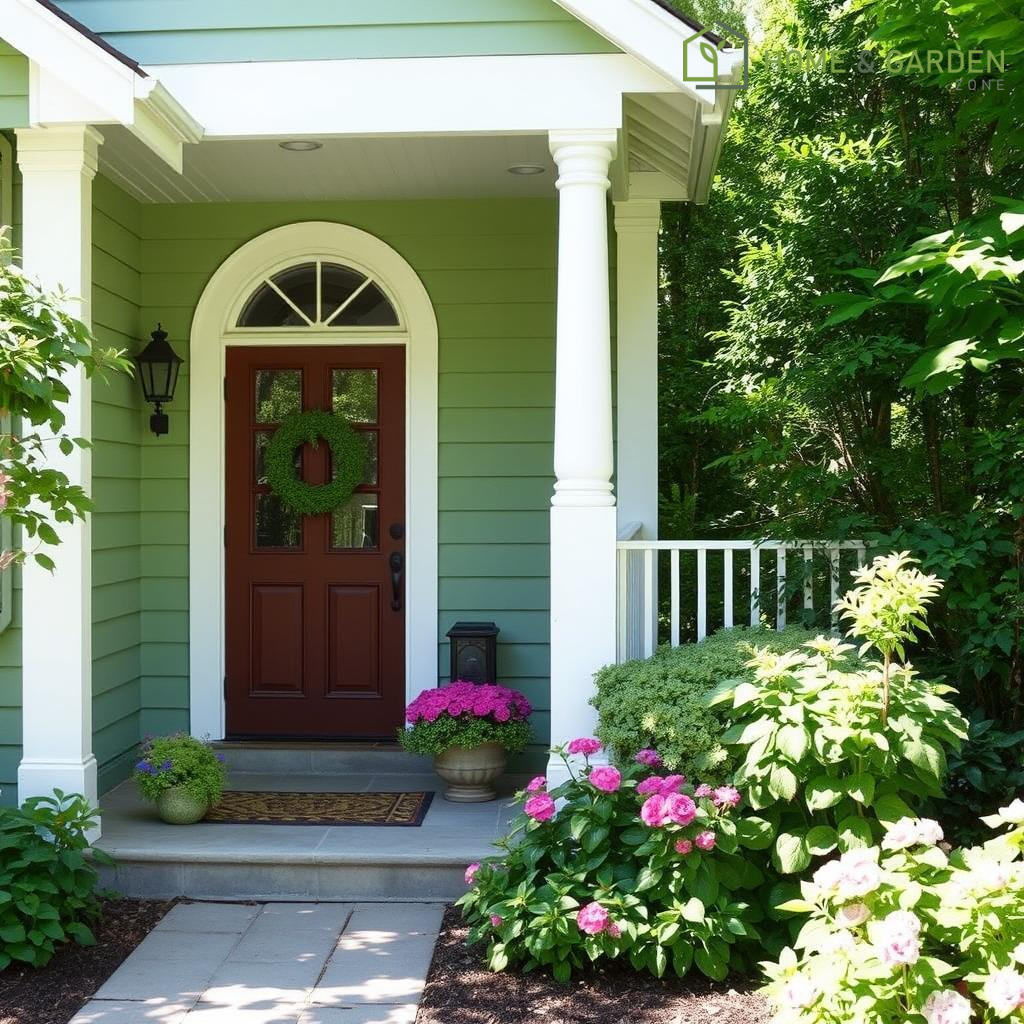
From My Photo Archives: House Colors that MAKE the Garden
In the intricate tapestry of landscape design, the color of a home’s exterior is not merely an afterthought; it is a foundational element that dictates the entire visual narrative of the surrounding garden. What began as a personal observation from diverse locales—from the vibrant streets of Oakland, California, to the serene expanses of Long Island, New York; the sun-drenched yards of Austin, Texas; and the charming enclaves of Takoma Park, Maryland—reveals a profound truth: a house’s hue can either dramatically enhance or subtly detract from its cultivated environment.
The Symbiotic Relationship: The House as an Intentional Backdrop
A home’s façade is the largest fixed element in any garden composition, inherently establishing the primary visual context. Its color acts as the predominant backdrop against which all flora is viewed, fundamentally shaping perceptions of scale, mood, and aesthetic cohesion. A judiciously chosen exterior palette can transform a garden from a collection of individual plantings into a unified, captivating outdoor experience.
Consider the effect of a home painted in a muted, earthy tone. Such a choice often allows the garden to emerge as the undisputed star, its greens, blooms, and textures bursting forth with uninhibited vibrancy. Conversely, a house boasting a bold, vivid color demands a garden that can either stand in harmonious partnership or offer a deliberate, balancing contrast to prevent visual discord. The interplay is dynamic, a constant dialogue between the built and the natural.
Strategic Palettes: Crafting Visual Harmony
The strategic application of color theory to home exteriors is paramount for creating gardens that resonate with depth and intention:
- Earthy Neutrals (Greens, Browns, Greys): These palettes excel at fostering seamless transitions from architectural structure to natural landscape. They recede gently, creating a sophisticated foundation that allows the natural forms and colors of the garden to take center stage, ideal for serene, nature-inspired or native plant gardens.
- Cool Hues (Blues, Silvers): Homes adorned in shades of blue or silver evoke a sense of tranquility and elegance. These colors can visually cool a landscape, making them particularly effective alongside water features, cool-toned foliage, or in climates where a calming aesthetic is desired. They pair beautifully with white, purple, and pink flowers.
- Warm Tones (Yellows, Terracottas): Injecting warmth and cheerfulness, hues like soft yellows or rich terracottas radiate an inviting energy. They enhance sun-loving plants, amplify the glow of golden hour, and can make a garden feel perpetually bright and welcoming. These colors harmonize well with the warm tones often found in brick or stone.
- Crisp Whites and Off-Whites: Classic and remarkably versatile, white serves as an immaculate canvas. It creates sharp contrasts that make all garden colors—from the deepest greens to the most vivid reds—pop with remarkable clarity. Whites can lend a fresh, contemporary feel or a timeless, traditional charm, depending on architectural style.
- Bold Statements (Deep Reds, Blues, Blacks): For homes making an emphatic architectural declaration, deep and intense colors require a garden equally robust in character or one simplified to provide strategic contrast. These choices often create dramatic curb appeal, demanding thoughtfully designed landscapes that can hold their own against such powerful backdrops.
Beyond Aesthetics: The Regional Influence
The examples from the original brief—Oakland, Long Island, Austin, and Takoma Park—underscore the significant role of regional context and architectural vernacular in color selection. Local climate, historical styles, and prevalent plant communities often guide what colors feel 'right' for a particular area. A pastel home might flourish in a coastal town, while earthier tones might dominate a desert landscape, each choice reflecting a deep understanding of place and tradition.
Summary
The choice of house color is far more than a decorative decision; it is a critical act of landscape architecture. When approached with intention, the exterior palette of a home becomes an integral partner in garden design, capable of transforming a mere collection of plants into a breathtaking outdoor sanctuary. By understanding the symbiotic relationship between architecture and horticulture, homeowners and designers can create truly immersive and visually harmonious environments where house and garden mutually elevate each other’s inherent beauty.
Resources
- Architectural Digest: Insights into exterior home design and color trends.
- Better Homes & Gardens: Extensive features on landscape design and enhancing curb appeal.
- Sherwin-Williams ColorSnap Visualizer: Tools and inspiration for exterior color palettes and their environmental impact.
Details
Author


Latest articles



 }})
You can now watch HBO Max for $10
From My Photo Archives: House Colors that MAKE the Garden
In the intricate tapestry of landscape design, the color of a home’s exterior is not merely an afterthought; it is a foundational element that dictates the entire visual narrative of the surrounding garden. What began as a personal observation from diverse locales—from the vibrant streets of Oakland, California, to the serene expanses of Long Island, New York; the sun-drenched yards of Austin, Texas; and the charming enclaves of Takoma Park, Maryland—reveals a profound truth: a house’s hue can either dramatically enhance or subtly detract from its cultivated environment.
The Symbiotic Relationship: The House as an Intentional Backdrop
A home’s façade is the largest fixed element in any garden composition, inherently establishing the primary visual context. Its color acts as the predominant backdrop against which all flora is viewed, fundamentally shaping perceptions of scale, mood, and aesthetic cohesion. A judiciously chosen exterior palette can transform a garden from a collection of individual plantings into a unified, captivating outdoor experience.
Consider the effect of a home painted in a muted, earthy tone. Such a choice often allows the garden to emerge as the undisputed star, its greens, blooms, and textures bursting forth with uninhibited vibrancy. Conversely, a house boasting a bold, vivid color demands a garden that can either stand in harmonious partnership or offer a deliberate, balancing contrast to prevent visual discord. The interplay is dynamic, a constant dialogue between the built and the natural.
Strategic Palettes: Crafting Visual Harmony
The strategic application of color theory to home exteriors is paramount for creating gardens that resonate with depth and intention:
- Earthy Neutrals (Greens, Browns, Greys): These palettes excel at fostering seamless transitions from architectural structure to natural landscape. They recede gently, creating a sophisticated foundation that allows the natural forms and colors of the garden to take center stage, ideal for serene, nature-inspired or native plant gardens.
- Cool Hues (Blues, Silvers): Homes adorned in shades of blue or silver evoke a sense of tranquility and elegance. These colors can visually cool a landscape, making them particularly effective alongside water features, cool-toned foliage, or in climates where a calming aesthetic is desired. They pair beautifully with white, purple, and pink flowers.
- Warm Tones (Yellows, Terracottas): Injecting warmth and cheerfulness, hues like soft yellows or rich terracottas radiate an inviting energy. They enhance sun-loving plants, amplify the glow of golden hour, and can make a garden feel perpetually bright and welcoming. These colors harmonize well with the warm tones often found in brick or stone.
- Crisp Whites and Off-Whites: Classic and remarkably versatile, white serves as an immaculate canvas. It creates sharp contrasts that make all garden colors—from the deepest greens to the most vivid reds—pop with remarkable clarity. Whites can lend a fresh, contemporary feel or a timeless, traditional charm, depending on architectural style.
- Bold Statements (Deep Reds, Blues, Blacks): For homes making an emphatic architectural declaration, deep and intense colors require a garden equally robust in character or one simplified to provide strategic contrast. These choices often create dramatic curb appeal, demanding thoughtfully designed landscapes that can hold their own against such powerful backdrops.
Beyond Aesthetics: The Regional Influence
The examples from the original brief—Oakland, Long Island, Austin, and Takoma Park—underscore the significant role of regional context and architectural vernacular in color selection. Local climate, historical styles, and prevalent plant communities often guide what colors feel 'right' for a particular area. A pastel home might flourish in a coastal town, while earthier tones might dominate a desert landscape, each choice reflecting a deep understanding of place and tradition.
Summary
The choice of house color is far more than a decorative decision; it is a critical act of landscape architecture. When approached with intention, the exterior palette of a home becomes an integral partner in garden design, capable of transforming a mere collection of plants into a breathtaking outdoor sanctuary. By understanding the symbiotic relationship between architecture and horticulture, homeowners and designers can create truly immersive and visually harmonious environments where house and garden mutually elevate each other’s inherent beauty.
Resources
- Architectural Digest: Insights into exterior home design and color trends.
- Better Homes & Gardens: Extensive features on landscape design and enhancing curb appeal.
- Sherwin-Williams ColorSnap Visualizer: Tools and inspiration for exterior color palettes and their environmental impact.
Latest articles
You can now watch HBO Max for $10
Similar posts
This is a page that only logged-in people can visit. Don't you feel special? Try clicking on a button below to do some things you can't do when you're logged out.
Example modal
At your leisure, please peruse this excerpt from a whale of a tale.
Chapter 1: Loomings.
Call me Ishmael. Some years ago—never mind how long precisely—having little or no money in my purse, and nothing particular to interest me on shore, I thought I would sail about a little and see the watery part of the world. It is a way I have of driving off the spleen and regulating the circulation. Whenever I find myself growing grim about the mouth; whenever it is a damp, drizzly November in my soul; whenever I find myself involuntarily pausing before coffin warehouses, and bringing up the rear of every funeral I meet; and especially whenever my hypos get such an upper hand of me, that it requires a strong moral principle to prevent me from deliberately stepping into the street, and methodically knocking people's hats off—then, I account it high time to get to sea as soon as I can. This is my substitute for pistol and ball. With a philosophical flourish Cato throws himself upon his sword; I quietly take to the ship. There is nothing surprising in this. If they but knew it, almost all men in their degree, some time or other, cherish very nearly the same feelings towards the ocean with me.
Comment