Caneplexus Pioneers Climate-Responsive Architecture with Artisanal Bamboo, Rattan, and Seagrass Systems
Introduction: Redefining Natural Fibers in Modern Architecture
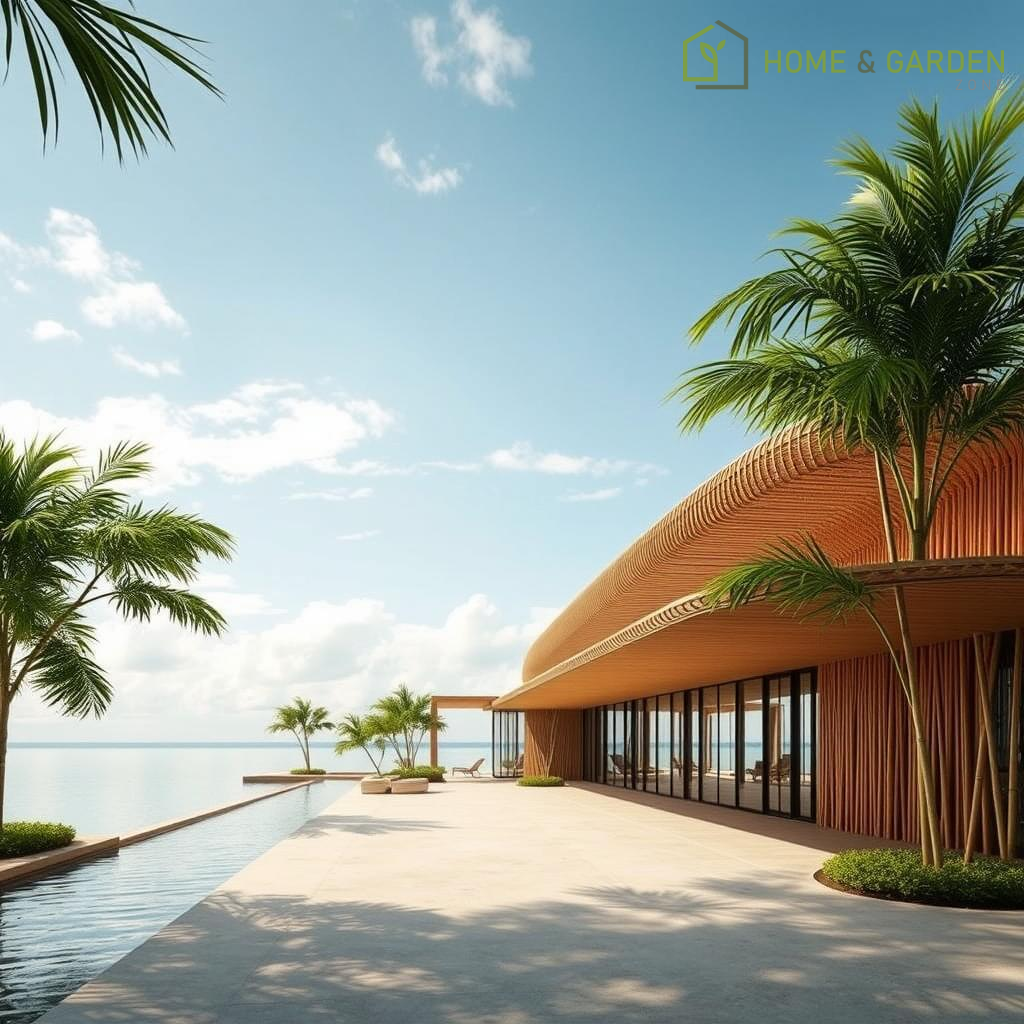
Caneeplexus is at the forefront of a design movement that re-evaluates traditional building materials for contemporary architectural demands. By meticulously adapting natural fibers such as bamboo, rattan, and seagrass, the firm crafts innovative, artisanal woven systems that redefine climate-responsive construction. This approach not only champions ecological sustainability but also celebrates the inherent beauty and structural integrity of these often-overlooked resources.
The Caneeplexus Approach: Blending Tradition with Innovation
Caneeplexus bridges ancestral craftsmanship with modern design principles. Their methodology transcends mere material application, focusing on developing sophisticated woven systems that serve both functional and aesthetic purposes. This involves extensive research into material properties, structural integrity, and traditional weaving techniques, meticulously adapted for contemporary architectural scale and performance requirements. The result is a unique blend of heritage and high-performance design, offering bespoke solutions that respond dynamically to environmental conditions.
Materials at the Forefront: Bamboo, Rattan, and Seagrass
Bamboo: The Sustainable Powerhouse
Revered for its remarkable growth rate and exceptional strength-to-weight ratio, bamboo stands as a premier sustainable building material. Caneeplexus leverages bamboo's natural thermal insulation properties and significant carbon sequestration capabilities, integrating it into structures that reduce energy consumption and environmental footprint. Its versatility allows for a range of applications, from structural elements to intricate facade systems.
Rattan: Flexibility and Form
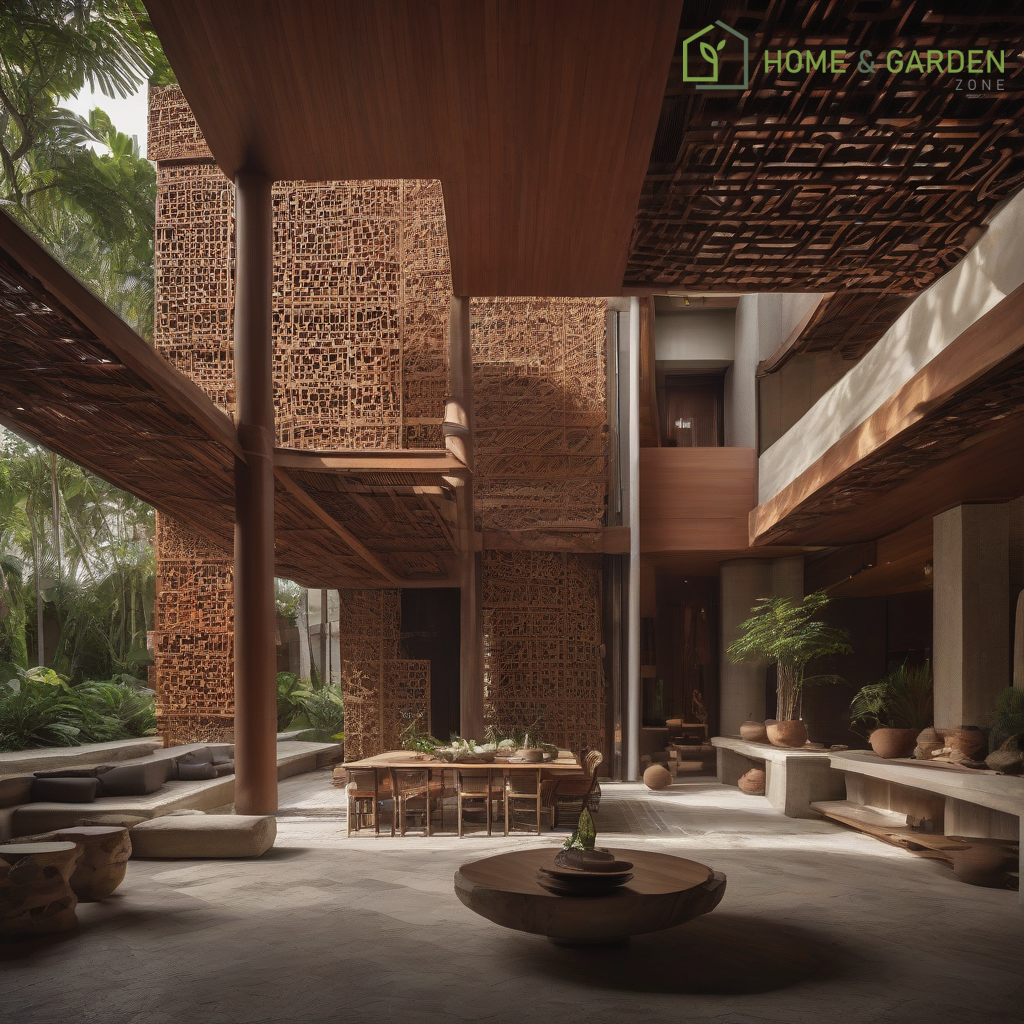
Originating from climbing palms, rattan is celebrated for its incredible flexibility, durability, and lightweight nature. Caneeplexus harnesses these attributes to create fluid, organic forms and intricate woven patterns that provide natural shading, ventilation, and a unique textural aesthetic. Rattan's capacity for intricate bending enables the creation of complex architectural elements that are both visually striking and inherently functional.
Seagrass: Coastal Resilience and Texture
As a renewable aquatic plant, seagrass offers distinct advantages for architectural application, particularly in woven systems. Its inherent resilience and fibrous texture lend themselves to creating robust, breathable panels and surfaces. Caneeplexus utilizes seagrass to enhance indoor air quality through natural humidity regulation and to introduce a calming, tactile quality to interiors and semi-enclosed spaces, drawing inspiration from coastal ecosystems.
Climate Responsiveness: Engineered for a Sustainable Future
The integration of bamboo, rattan, and seagrass into architectural design by Caneeplexus exemplifies true climate responsiveness. These materials inherently contribute to passive design strategies. Their natural properties facilitate effective shading, optimize natural ventilation, and provide excellent thermal regulation, significantly reducing reliance on mechanical heating, ventilation, and air conditioning systems. This not only lowers operational energy consumption but also reduces the embodied energy associated with conventional construction materials, marking a substantial stride towards a more sustainable built environment.
Summary
Caneeplexus stands as a pioneer in redefining sustainable architecture through its innovative use of natural fibers. By thoughtfully integrating bamboo, rattan, and seagrass into artisanal woven systems, the firm offers compelling climate-responsive solutions that merge ecological responsibility with refined aesthetic and structural performance. Their work demonstrates a viable path toward a future where buildings are not only beautiful and functional but also deeply attuned to their natural surroundings and the imperatives of environmental stewardship.
Resources
Details
Author


Latest articles
 }})
You can now watch HBO Max for $10
Introduction: Redefining Natural Fibers in Modern Architecture
Caneeplexus is at the forefront of a design movement that re-evaluates traditional building materials for contemporary architectural demands. By meticulously adapting natural fibers such as bamboo, rattan, and seagrass, the firm crafts innovative, artisanal woven systems that redefine climate-responsive construction. This approach not only champions ecological sustainability but also celebrates the inherent beauty and structural integrity of these often-overlooked resources.
The Caneeplexus Approach: Blending Tradition with Innovation
Caneeplexus bridges ancestral craftsmanship with modern design principles. Their methodology transcends mere material application, focusing on developing sophisticated woven systems that serve both functional and aesthetic purposes. This involves extensive research into material properties, structural integrity, and traditional weaving techniques, meticulously adapted for contemporary architectural scale and performance requirements. The result is a unique blend of heritage and high-performance design, offering bespoke solutions that respond dynamically to environmental conditions.
Materials at the Forefront: Bamboo, Rattan, and Seagrass
Bamboo: The Sustainable Powerhouse
Revered for its remarkable growth rate and exceptional strength-to-weight ratio, bamboo stands as a premier sustainable building material. Caneeplexus leverages bamboo's natural thermal insulation properties and significant carbon sequestration capabilities, integrating it into structures that reduce energy consumption and environmental footprint. Its versatility allows for a range of applications, from structural elements to intricate facade systems.
Rattan: Flexibility and Form
Originating from climbing palms, rattan is celebrated for its incredible flexibility, durability, and lightweight nature. Caneeplexus harnesses these attributes to create fluid, organic forms and intricate woven patterns that provide natural shading, ventilation, and a unique textural aesthetic. Rattan's capacity for intricate bending enables the creation of complex architectural elements that are both visually striking and inherently functional.
Seagrass: Coastal Resilience and Texture
As a renewable aquatic plant, seagrass offers distinct advantages for architectural application, particularly in woven systems. Its inherent resilience and fibrous texture lend themselves to creating robust, breathable panels and surfaces. Caneeplexus utilizes seagrass to enhance indoor air quality through natural humidity regulation and to introduce a calming, tactile quality to interiors and semi-enclosed spaces, drawing inspiration from coastal ecosystems.
Climate Responsiveness: Engineered for a Sustainable Future
The integration of bamboo, rattan, and seagrass into architectural design by Caneeplexus exemplifies true climate responsiveness. These materials inherently contribute to passive design strategies. Their natural properties facilitate effective shading, optimize natural ventilation, and provide excellent thermal regulation, significantly reducing reliance on mechanical heating, ventilation, and air conditioning systems. This not only lowers operational energy consumption but also reduces the embodied energy associated with conventional construction materials, marking a substantial stride towards a more sustainable built environment.
Summary
Caneeplexus stands as a pioneer in redefining sustainable architecture through its innovative use of natural fibers. By thoughtfully integrating bamboo, rattan, and seagrass into artisanal woven systems, the firm offers compelling climate-responsive solutions that merge ecological responsibility with refined aesthetic and structural performance. Their work demonstrates a viable path toward a future where buildings are not only beautiful and functional but also deeply attuned to their natural surroundings and the imperatives of environmental stewardship.
Resources
Latest articles
You can now watch HBO Max for $10
Similar posts


This is a page that only logged-in people can visit. Don't you feel special? Try clicking on a button below to do some things you can't do when you're logged out.
Example modal
At your leisure, please peruse this excerpt from a whale of a tale.
Chapter 1: Loomings.
Call me Ishmael. Some years ago—never mind how long precisely—having little or no money in my purse, and nothing particular to interest me on shore, I thought I would sail about a little and see the watery part of the world. It is a way I have of driving off the spleen and regulating the circulation. Whenever I find myself growing grim about the mouth; whenever it is a damp, drizzly November in my soul; whenever I find myself involuntarily pausing before coffin warehouses, and bringing up the rear of every funeral I meet; and especially whenever my hypos get such an upper hand of me, that it requires a strong moral principle to prevent me from deliberately stepping into the street, and methodically knocking people's hats off—then, I account it high time to get to sea as soon as I can. This is my substitute for pistol and ball. With a philosophical flourish Cato throws himself upon his sword; I quietly take to the ship. There is nothing surprising in this. If they but knew it, almost all men in their degree, some time or other, cherish very nearly the same feelings towards the ocean with me.
Comment