The Enduring Resonance of Kawai Kanjira: Japan Society Unveils a Century of Mingei Beauty in New York
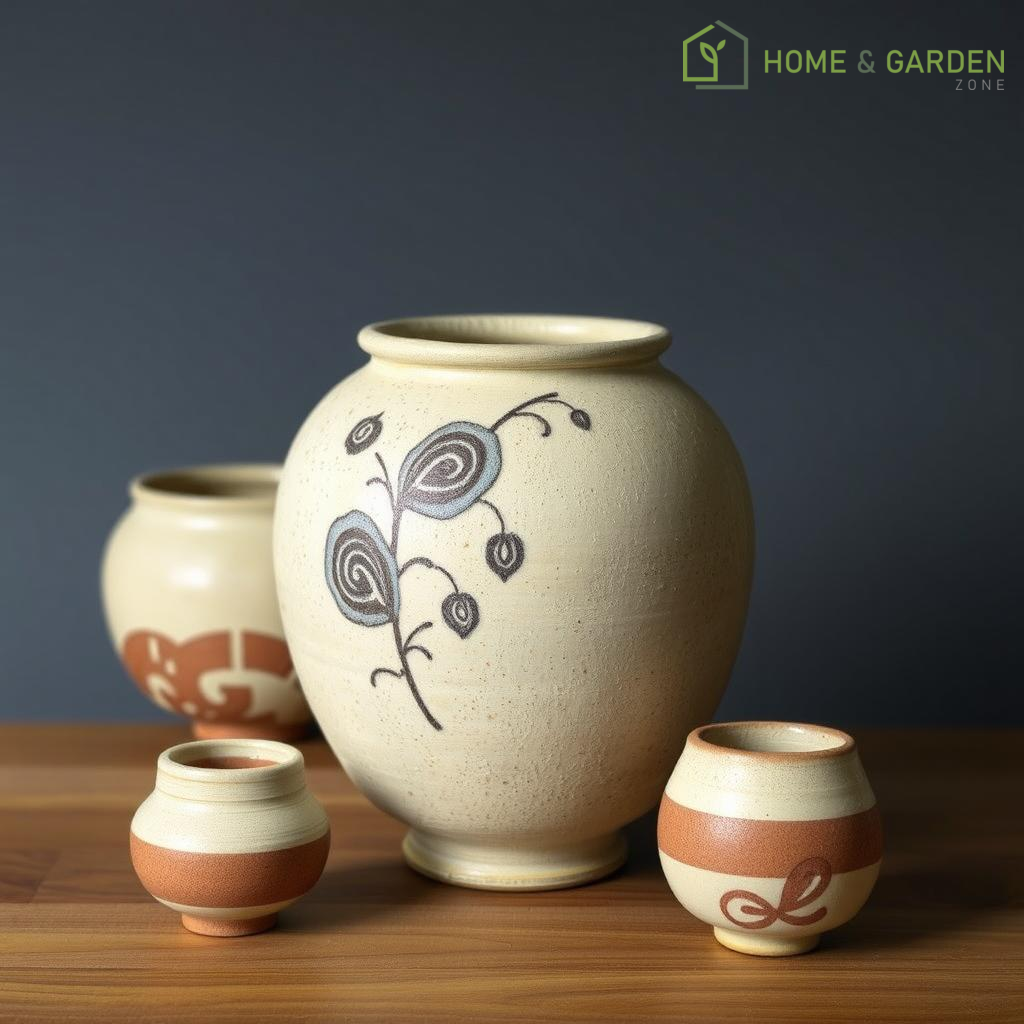
As the Japanese mingei (folk craft) movement commemorates its centenary, New York’s esteemed Japan Society is presenting a pivotal U.S. retrospective dedicated to the work of Kawai Kanjira, an artist whose profound impact helped define and exemplify the movement’s core philosophy. This landmark exhibition offers a rare opportunity to explore the intricate layers of truth and beauty inherent in Kanjira’s pottery, revealing how his masterful craft transcended mere utility to become timeless art.
Kawai Kanjira: Architect of Everyday Aesthetics
Kawai Kanjira (1890–1966), often celebrated alongside figures like Yanagi Sōetsu and Hamada Shōji, was more than just a potter; he was a philosopher whose hands gave form to his deep convictions about the inherent beauty of everyday objects. His works, spanning a diverse range of forms and glazes, embody the mingei ideal: art created by unknown craftspeople, made for daily use, possessing a natural, unadorned beauty. Kanjira’s pieces — from robust functional vessels to more sculptural forms — reflect a profound respect for materials and process, often characterized by bold brushwork, innovative glazing techniques, and a powerful, earthy sensibility. He believed pottery should be honest, direct, and unpretentious, serving as a conduit for human spirit rather than merely a display of technical prowess.
The Mingei Philosophy: Beauty in Utility
The mingei movement, initiated in the mid-1920s, sought to elevate and preserve the traditional crafts of ordinary people, arguing for their artistic merit against a backdrop of increasing industrialization and Western influence. Yanagi Sōetsu coined the term "mingei," a portmanteau of "minshū" (the people) and "kōgei" (crafts), to describe this aesthetic. The movement championed the beauty found in utilitarian objects made by hand, often by anonymous artisans, emphasizing qualities such as honesty, sincerity, and a connection to local materials and traditions. Kanjira’s work perfectly encapsulated these ideals, demonstrating how profound artistry could emerge from the crucible of daily necessity and humble materials.
The Japan Society Retrospective: A Window into Legacy
The Japan Society’s retrospective marks the first major U.S. exhibition dedicated solely to Kawai Kanjira, providing an unparalleled opportunity for American audiences to engage with his extraordinary legacy. Curated to illustrate the breadth and depth of his artistic journey, the exhibition traces Kanjira’s evolution from his early, more traditional ceramics to his later, freer expressions. Visitors are presented with an intimate narrative of his artistic development, highlighting his innovative approaches to form, surface, and glaze. The display not only showcases individual masterpieces but also contextualizes them within the broader mingei philosophy, allowing viewers to appreciate the enduring relevance of Kanjira’s vision in contemporary craft and design discussions.
Summary
Kawai Kanjira stands as a colossus in the history of Japanese craft, a primary force behind the mingei movement, whose centenary is now celebrated. His dedication to finding profound beauty in the honest utility of everyday objects continues to inspire artisans and art enthusiasts globally. The Japan Society’s comprehensive U.S. retrospective serves as a timely and essential testament to Kanjira’s artistic genius, offering a deep dive into the philosophy that transformed humble clay into vessels of enduring truth and aesthetic grace.
Resources
- Japan Society, New York
- Mingei International Museum
- The Metropolitan Museum of Art
Details
Author




Latest articles





 }})
You can now watch HBO Max for $10
As the Japanese mingei (folk craft) movement commemorates its centenary, New York’s esteemed Japan Society is presenting a pivotal U.S. retrospective dedicated to the work of Kawai Kanjira, an artist whose profound impact helped define and exemplify the movement’s core philosophy. This landmark exhibition offers a rare opportunity to explore the intricate layers of truth and beauty inherent in Kanjira’s pottery, revealing how his masterful craft transcended mere utility to become timeless art.
Kawai Kanjira: Architect of Everyday Aesthetics
Kawai Kanjira (1890–1966), often celebrated alongside figures like Yanagi Sōetsu and Hamada Shōji, was more than just a potter; he was a philosopher whose hands gave form to his deep convictions about the inherent beauty of everyday objects. His works, spanning a diverse range of forms and glazes, embody the mingei ideal: art created by unknown craftspeople, made for daily use, possessing a natural, unadorned beauty. Kanjira’s pieces — from robust functional vessels to more sculptural forms — reflect a profound respect for materials and process, often characterized by bold brushwork, innovative glazing techniques, and a powerful, earthy sensibility. He believed pottery should be honest, direct, and unpretentious, serving as a conduit for human spirit rather than merely a display of technical prowess.
The Mingei Philosophy: Beauty in Utility
The mingei movement, initiated in the mid-1920s, sought to elevate and preserve the traditional crafts of ordinary people, arguing for their artistic merit against a backdrop of increasing industrialization and Western influence. Yanagi Sōetsu coined the term "mingei," a portmanteau of "minshū" (the people) and "kōgei" (crafts), to describe this aesthetic. The movement championed the beauty found in utilitarian objects made by hand, often by anonymous artisans, emphasizing qualities such as honesty, sincerity, and a connection to local materials and traditions. Kanjira’s work perfectly encapsulated these ideals, demonstrating how profound artistry could emerge from the crucible of daily necessity and humble materials.
The Japan Society Retrospective: A Window into Legacy
The Japan Society’s retrospective marks the first major U.S. exhibition dedicated solely to Kawai Kanjira, providing an unparalleled opportunity for American audiences to engage with his extraordinary legacy. Curated to illustrate the breadth and depth of his artistic journey, the exhibition traces Kanjira’s evolution from his early, more traditional ceramics to his later, freer expressions. Visitors are presented with an intimate narrative of his artistic development, highlighting his innovative approaches to form, surface, and glaze. The display not only showcases individual masterpieces but also contextualizes them within the broader mingei philosophy, allowing viewers to appreciate the enduring relevance of Kanjira’s vision in contemporary craft and design discussions.
Summary
Kawai Kanjira stands as a colossus in the history of Japanese craft, a primary force behind the mingei movement, whose centenary is now celebrated. His dedication to finding profound beauty in the honest utility of everyday objects continues to inspire artisans and art enthusiasts globally. The Japan Society’s comprehensive U.S. retrospective serves as a timely and essential testament to Kanjira’s artistic genius, offering a deep dive into the philosophy that transformed humble clay into vessels of enduring truth and aesthetic grace.
Resources
- Japan Society, New York
- Mingei International Museum
- The Metropolitan Museum of Art
Latest articles
You can now watch HBO Max for $10
Similar posts


This is a page that only logged-in people can visit. Don't you feel special? Try clicking on a button below to do some things you can't do when you're logged out.
Example modal
At your leisure, please peruse this excerpt from a whale of a tale.
Chapter 1: Loomings.
Call me Ishmael. Some years ago—never mind how long precisely—having little or no money in my purse, and nothing particular to interest me on shore, I thought I would sail about a little and see the watery part of the world. It is a way I have of driving off the spleen and regulating the circulation. Whenever I find myself growing grim about the mouth; whenever it is a damp, drizzly November in my soul; whenever I find myself involuntarily pausing before coffin warehouses, and bringing up the rear of every funeral I meet; and especially whenever my hypos get such an upper hand of me, that it requires a strong moral principle to prevent me from deliberately stepping into the street, and methodically knocking people's hats off—then, I account it high time to get to sea as soon as I can. This is my substitute for pistol and ball. With a philosophical flourish Cato throws himself upon his sword; I quietly take to the ship. There is nothing surprising in this. If they but knew it, almost all men in their degree, some time or other, cherish very nearly the same feelings towards the ocean with me.
Comment