Materializing the Future: Indian Architects Charting a Course Towards Regenerative Design
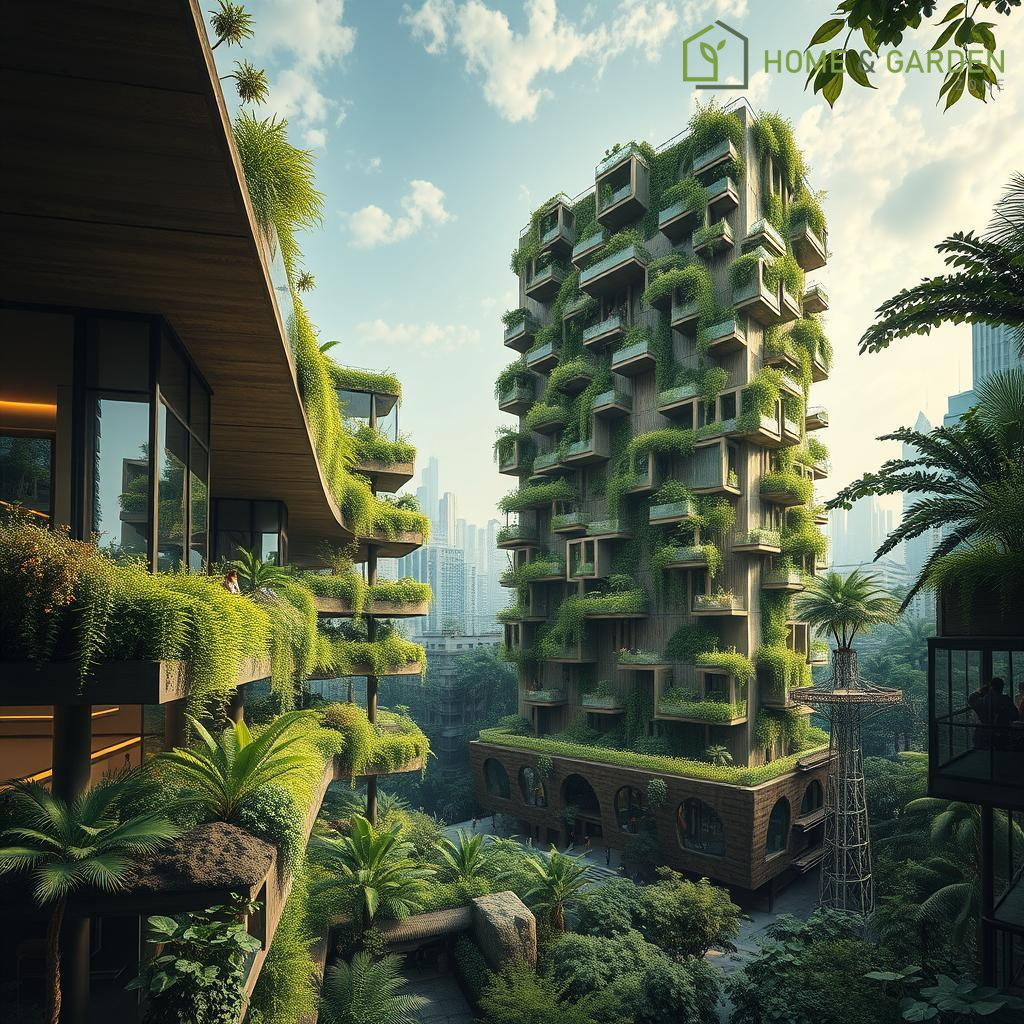
A New Dawn in Indian Architecture: Embracing Regeneration
As India continues its unprecedented urban expansion, the architectural landscape is undergoing a profound transformation. Moving beyond the foundational principles of sustainability, a growing cohort of Indian architects is championing regenerative design – an approach that not only minimizes harm but actively restores and enhances ecological systems. This shift marks a pivotal moment, envisioning a future where built environments contribute positively to the planet, echoing the ethos explored in movements around circular architecture, from raw local materials to the power of pure light.
From Linear to Circular: Rethinking the Lifecycle
The traditional linear model of "take-make-dispose" is being decisively challenged. Indian architectural practices are increasingly integrating circular economy principles, designing buildings not as static entities with a finite lifespan, but as dynamic systems where materials are continually valued, reused, and recycled. This involves meticulous planning for deconstruction, opting for materials with high recycled content, and ensuring components can be repurposed at the end of a building's primary use. The aim is to close material loops, drastically reducing waste and reliance on virgin resources.
The Wisdom of the Earth: Local Materials Reimagined
A cornerstone of this regenerative movement is a renewed reverence for indigenous and locally sourced materials. Indian architects are rediscovering the inherent value of terracotta, bamboo, stabilised earth blocks, and various forms of locally quarried stone. Beyond their aesthetic appeal and cultural resonance, these materials dramatically reduce embodied energy by cutting down transportation distances and supporting local economies and craftspeople. Furthermore, a focus on bio-based materials and traditional construction techniques, often refined over centuries to suit specific climates, is being integrated with modern innovation to create resilient and contextually appropriate structures.
Harnessing the Unseen: The Power of Pure Light and Air
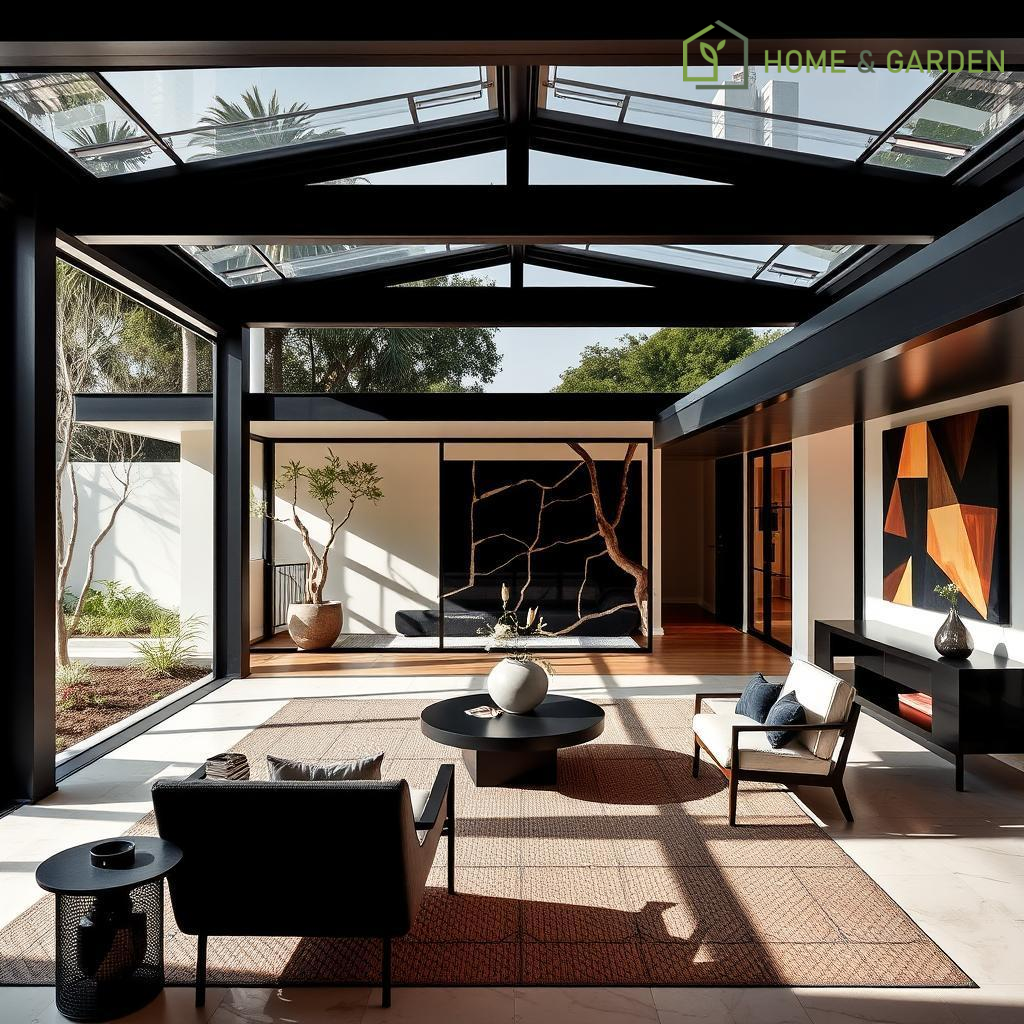
The pursuit of energy efficiency and occupant well-being is driving a sophisticated re-evaluation of passive design strategies. Indian architects are masterfully integrating natural light and ventilation, drawing inspiration from historical architectural marvels. Strategic building orientation, carefully designed courtyards, intricate jali screens, and thoughtfully placed fenestration are employed to optimize daylight penetration while mitigating heat gain. This intelligent manipulation of natural elements reduces the need for artificial lighting and mechanical cooling, significantly lowering operational energy consumption and fostering healthier, more comfortable indoor environments.
Summary
The shift towards regenerative design among Indian architects is more than a trend; it is a fundamental recalibration of how we conceive, construct, and interact with our built environment. By embracing circularity, championing local materials, and intelligently harnessing natural forces like light and air, these visionaries are not just erecting structures but are actively contributing to a more sustainable, equitable, and resilient future for India and beyond. This transformative approach promises a regenerative architecture that truly gives back to the earth and its inhabitants.
Resources
- Council on Energy, Environment and Water (CEEW) - Reports and analyses on sustainable development in India.
- Indian Green Building Council (IGBC) - Promotes green building concepts and practices in India.
- Architectural Digest India - Features contemporary sustainable architectural projects and interviews with leading Indian architects.
Details
Author




Latest articles



 }})
You can now watch HBO Max for $10
A New Dawn in Indian Architecture: Embracing Regeneration
As India continues its unprecedented urban expansion, the architectural landscape is undergoing a profound transformation. Moving beyond the foundational principles of sustainability, a growing cohort of Indian architects is championing regenerative design – an approach that not only minimizes harm but actively restores and enhances ecological systems. This shift marks a pivotal moment, envisioning a future where built environments contribute positively to the planet, echoing the ethos explored in movements around circular architecture, from raw local materials to the power of pure light.
From Linear to Circular: Rethinking the Lifecycle
The traditional linear model of "take-make-dispose" is being decisively challenged. Indian architectural practices are increasingly integrating circular economy principles, designing buildings not as static entities with a finite lifespan, but as dynamic systems where materials are continually valued, reused, and recycled. This involves meticulous planning for deconstruction, opting for materials with high recycled content, and ensuring components can be repurposed at the end of a building's primary use. The aim is to close material loops, drastically reducing waste and reliance on virgin resources.
The Wisdom of the Earth: Local Materials Reimagined
A cornerstone of this regenerative movement is a renewed reverence for indigenous and locally sourced materials. Indian architects are rediscovering the inherent value of terracotta, bamboo, stabilised earth blocks, and various forms of locally quarried stone. Beyond their aesthetic appeal and cultural resonance, these materials dramatically reduce embodied energy by cutting down transportation distances and supporting local economies and craftspeople. Furthermore, a focus on bio-based materials and traditional construction techniques, often refined over centuries to suit specific climates, is being integrated with modern innovation to create resilient and contextually appropriate structures.
Harnessing the Unseen: The Power of Pure Light and Air
The pursuit of energy efficiency and occupant well-being is driving a sophisticated re-evaluation of passive design strategies. Indian architects are masterfully integrating natural light and ventilation, drawing inspiration from historical architectural marvels. Strategic building orientation, carefully designed courtyards, intricate jali screens, and thoughtfully placed fenestration are employed to optimize daylight penetration while mitigating heat gain. This intelligent manipulation of natural elements reduces the need for artificial lighting and mechanical cooling, significantly lowering operational energy consumption and fostering healthier, more comfortable indoor environments.
Summary
The shift towards regenerative design among Indian architects is more than a trend; it is a fundamental recalibration of how we conceive, construct, and interact with our built environment. By embracing circularity, championing local materials, and intelligently harnessing natural forces like light and air, these visionaries are not just erecting structures but are actively contributing to a more sustainable, equitable, and resilient future for India and beyond. This transformative approach promises a regenerative architecture that truly gives back to the earth and its inhabitants.
Resources
- Council on Energy, Environment and Water (CEEW) - Reports and analyses on sustainable development in India.
- Indian Green Building Council (IGBC) - Promotes green building concepts and practices in India.
- Architectural Digest India - Features contemporary sustainable architectural projects and interviews with leading Indian architects.
Latest articles
You can now watch HBO Max for $10
Similar posts



This is a page that only logged-in people can visit. Don't you feel special? Try clicking on a button below to do some things you can't do when you're logged out.
Example modal
At your leisure, please peruse this excerpt from a whale of a tale.
Chapter 1: Loomings.
Call me Ishmael. Some years ago—never mind how long precisely—having little or no money in my purse, and nothing particular to interest me on shore, I thought I would sail about a little and see the watery part of the world. It is a way I have of driving off the spleen and regulating the circulation. Whenever I find myself growing grim about the mouth; whenever it is a damp, drizzly November in my soul; whenever I find myself involuntarily pausing before coffin warehouses, and bringing up the rear of every funeral I meet; and especially whenever my hypos get such an upper hand of me, that it requires a strong moral principle to prevent me from deliberately stepping into the street, and methodically knocking people's hats off—then, I account it high time to get to sea as soon as I can. This is my substitute for pistol and ball. With a philosophical flourish Cato throws himself upon his sword; I quietly take to the ship. There is nothing surprising in this. If they but knew it, almost all men in their degree, some time or other, cherish very nearly the same feelings towards the ocean with me.
Comment