Beyond the Canvas: Nimrod Weis on Skateboarding's Spirit, Japanese Aesthetics, and the Art of Ceramics
Introduction: The Polymath of Play
Nimrod Weis, the visionary co-founder and Creative Director of the acclaimed art and technology studio ENESS, embodies a distinctive blend of influences that transcend traditional creative boundaries. His journey from the dynamic street culture of skateboarding to the meticulous craft of ceramics, intertwined with a profound appreciation for Japanese aesthetics, paints a portrait of an artist whose inspiration is as diverse as his studio's innovative public art installations. Weis's approach to creativity is a testament to how seemingly disparate passions can converge to fuel ground-breaking artistic and technological endeavours.
The Rhythms of the Street: Skateboarding's Enduring Influence
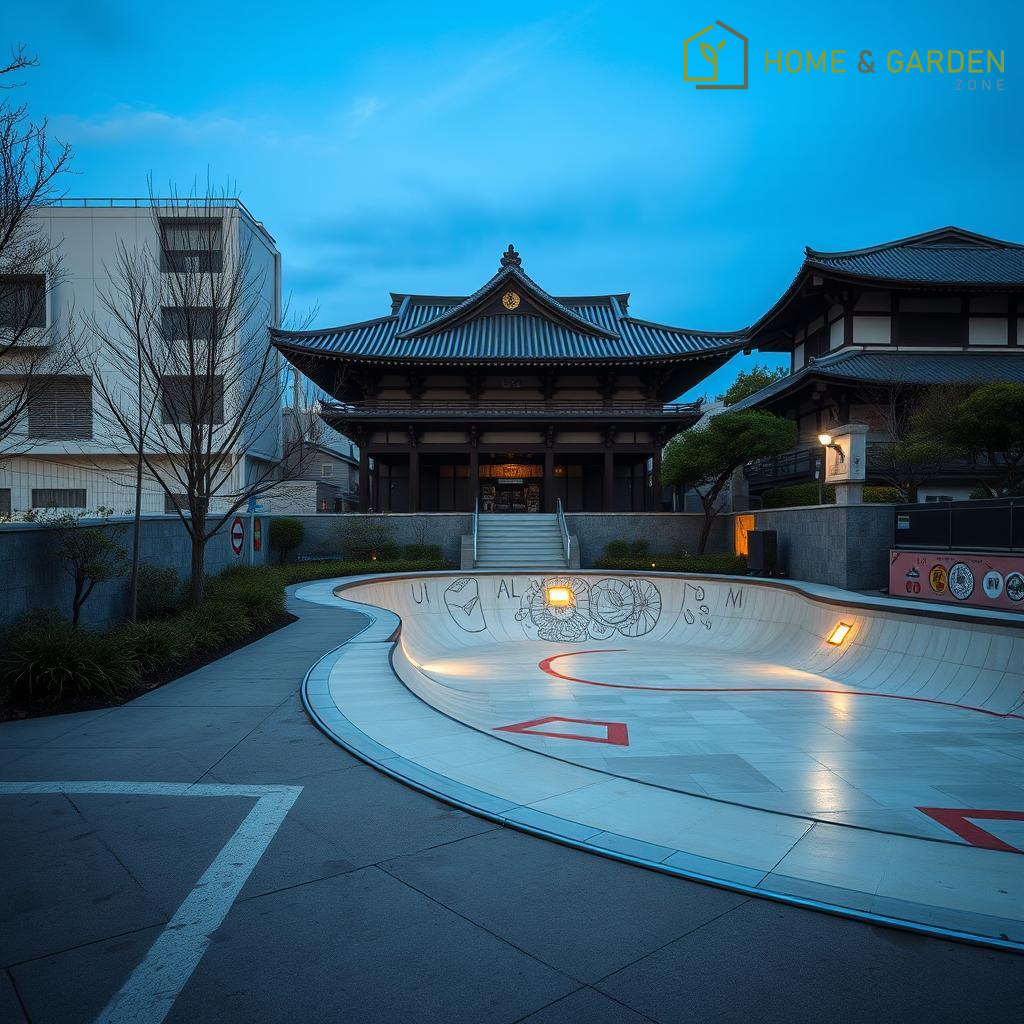
Weis's early immersion in the skateboarding scene of the 1980s was more than a youthful pastime; it was a foundational experience that instilled a unique perspective on urban landscapes and human interaction. Skateboarding fosters a keen sense of observation, improvisation, and an understanding of how individuals navigate and redefine public spaces. This early exposure to street culture and its inherent creativity laid the groundwork for his later work, where he and ENESS frequently engage with public environments, transforming them into interactive, playful, and thought-provoking spaces. The spirit of experimentation and the pursuit of mastery inherent in skateboarding continue to resonate in his professional life.
A Deep Dive into Japanese Aesthetics and Culture
Japan holds a special place in Weis's creative lexicon, serving as a wellspring of inspiration for its profound aesthetic principles, innovative design, and meticulous craftsmanship. His fascination extends beyond the superficial, delving into the philosophical underpinnings of Japanese art and daily life, where harmony, simplicity, and a deep respect for materials are paramount. This cultural immersion informs his design sensibilities, influencing how ENESS approaches material choices, spatial arrangements, and the subtle narratives embedded within their interactive artworks. The Japanese concept of wabi-sabi, finding beauty in imperfection, and the precision of their technical innovations, offer a compelling counterpoint and complement to his other interests.
The Tactile World of Ceramics: Finding Form and Function
In contrast to the often digital and ephemeral nature of interactive art, Weis discovered a profound connection with the ancient craft of ceramics. This hands-on pursuit offers a grounding experience, demanding patience, precision, and an intimate understanding of form and material. The process of transforming raw clay into a tangible object provides a meditative counterpoint to the fast-paced world of technology. This engagement with a traditional art form not only enriches his personal creative practice but also offers fresh perspectives on texture, dimension, and the physical interaction between an object and its observer, insights that subtly inform the physical presence and material quality of ENESS's installations.
From Safety Signs to Sensory Experiences: The Art of Observation
Weis's keen eye extends to the most mundane aspects of the urban environment, including the ubiquitous presence of safety signs. Far from being mere utilitarian markers, these symbols represent universal communication, a language of immediate understanding that transcends linguistic barriers. This observation highlights his capacity to find inspiration in everyday systems and objects, dissecting their underlying design principles and how they guide human behaviour. This analytical approach to visual cues and their impact on public interaction is a cornerstone of ENESS's philosophy, enabling them to craft intuitive and engaging experiences that resonate with a broad audience, transforming ordinary spaces into extraordinary sensory journeys.
Summary: Weaving Passions into Innovation
Nimrod Weis stands as a testament to the power of diverse interests in fostering innovative thought. His journey, marked by the rebellious freedom of skateboarding, the refined aesthetics of Japan, the grounding discipline of ceramics, and a unique sensitivity to environmental cues, demonstrates how varied experiences coalesce into a singular, authoritative creative voice. Through ENESS, these personal passions are transmuted into public spectacles, inviting audiences worldwide to engage with art that is not only visually stunning but also deeply interactive and conceptually rich, redefining the intersection of art, technology, and human experience.
Resources
Details
Author




Latest articles



 }})
You can now watch HBO Max for $10
Introduction: The Polymath of Play
Nimrod Weis, the visionary co-founder and Creative Director of the acclaimed art and technology studio ENESS, embodies a distinctive blend of influences that transcend traditional creative boundaries. His journey from the dynamic street culture of skateboarding to the meticulous craft of ceramics, intertwined with a profound appreciation for Japanese aesthetics, paints a portrait of an artist whose inspiration is as diverse as his studio's innovative public art installations. Weis's approach to creativity is a testament to how seemingly disparate passions can converge to fuel ground-breaking artistic and technological endeavours.
The Rhythms of the Street: Skateboarding's Enduring Influence
Weis's early immersion in the skateboarding scene of the 1980s was more than a youthful pastime; it was a foundational experience that instilled a unique perspective on urban landscapes and human interaction. Skateboarding fosters a keen sense of observation, improvisation, and an understanding of how individuals navigate and redefine public spaces. This early exposure to street culture and its inherent creativity laid the groundwork for his later work, where he and ENESS frequently engage with public environments, transforming them into interactive, playful, and thought-provoking spaces. The spirit of experimentation and the pursuit of mastery inherent in skateboarding continue to resonate in his professional life.
A Deep Dive into Japanese Aesthetics and Culture
Japan holds a special place in Weis's creative lexicon, serving as a wellspring of inspiration for its profound aesthetic principles, innovative design, and meticulous craftsmanship. His fascination extends beyond the superficial, delving into the philosophical underpinnings of Japanese art and daily life, where harmony, simplicity, and a deep respect for materials are paramount. This cultural immersion informs his design sensibilities, influencing how ENESS approaches material choices, spatial arrangements, and the subtle narratives embedded within their interactive artworks. The Japanese concept of wabi-sabi, finding beauty in imperfection, and the precision of their technical innovations, offer a compelling counterpoint and complement to his other interests.
The Tactile World of Ceramics: Finding Form and Function
In contrast to the often digital and ephemeral nature of interactive art, Weis discovered a profound connection with the ancient craft of ceramics. This hands-on pursuit offers a grounding experience, demanding patience, precision, and an intimate understanding of form and material. The process of transforming raw clay into a tangible object provides a meditative counterpoint to the fast-paced world of technology. This engagement with a traditional art form not only enriches his personal creative practice but also offers fresh perspectives on texture, dimension, and the physical interaction between an object and its observer, insights that subtly inform the physical presence and material quality of ENESS's installations.
From Safety Signs to Sensory Experiences: The Art of Observation
Weis's keen eye extends to the most mundane aspects of the urban environment, including the ubiquitous presence of safety signs. Far from being mere utilitarian markers, these symbols represent universal communication, a language of immediate understanding that transcends linguistic barriers. This observation highlights his capacity to find inspiration in everyday systems and objects, dissecting their underlying design principles and how they guide human behaviour. This analytical approach to visual cues and their impact on public interaction is a cornerstone of ENESS's philosophy, enabling them to craft intuitive and engaging experiences that resonate with a broad audience, transforming ordinary spaces into extraordinary sensory journeys.
Summary: Weaving Passions into Innovation
Nimrod Weis stands as a testament to the power of diverse interests in fostering innovative thought. His journey, marked by the rebellious freedom of skateboarding, the refined aesthetics of Japan, the grounding discipline of ceramics, and a unique sensitivity to environmental cues, demonstrates how varied experiences coalesce into a singular, authoritative creative voice. Through ENESS, these personal passions are transmuted into public spectacles, inviting audiences worldwide to engage with art that is not only visually stunning but also deeply interactive and conceptually rich, redefining the intersection of art, technology, and human experience.
Resources
Latest articles
You can now watch HBO Max for $10
Similar posts


This is a page that only logged-in people can visit. Don't you feel special? Try clicking on a button below to do some things you can't do when you're logged out.
Example modal
At your leisure, please peruse this excerpt from a whale of a tale.
Chapter 1: Loomings.
Call me Ishmael. Some years ago—never mind how long precisely—having little or no money in my purse, and nothing particular to interest me on shore, I thought I would sail about a little and see the watery part of the world. It is a way I have of driving off the spleen and regulating the circulation. Whenever I find myself growing grim about the mouth; whenever it is a damp, drizzly November in my soul; whenever I find myself involuntarily pausing before coffin warehouses, and bringing up the rear of every funeral I meet; and especially whenever my hypos get such an upper hand of me, that it requires a strong moral principle to prevent me from deliberately stepping into the street, and methodically knocking people's hats off—then, I account it high time to get to sea as soon as I can. This is my substitute for pistol and ball. With a philosophical flourish Cato throws himself upon his sword; I quietly take to the ship. There is nothing surprising in this. If they but knew it, almost all men in their degree, some time or other, cherish very nearly the same feelings towards the ocean with me.
Comment