Éter Chair: A Modern Interpretation of Danish Design by Ramón Esteve Estudio
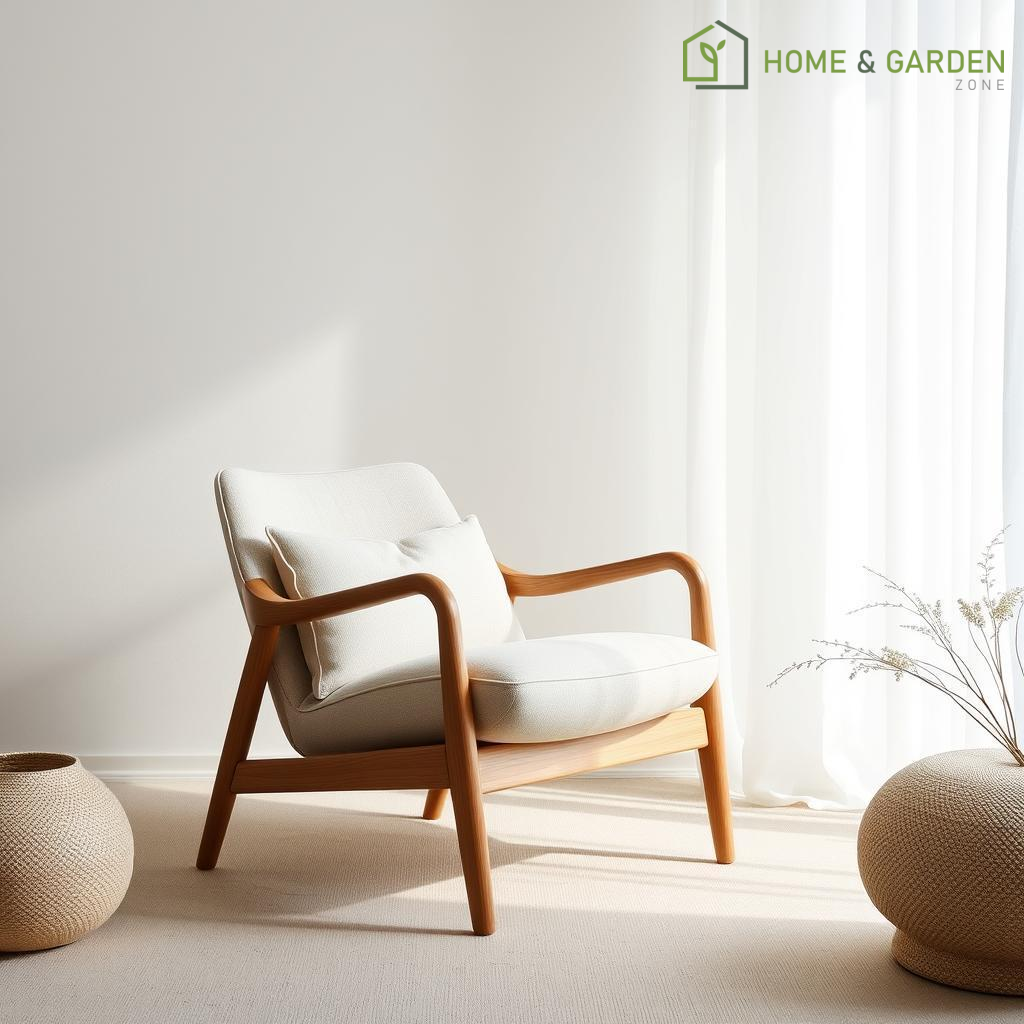
In the realm of contemporary furniture design, the Éter Chair, a creation by the renowned Ramón Esteve Estudio, stands out as a compelling reinterpretation of classic Danish design principles. This meticulously crafted piece, rendered in solid oak, expertly navigates the delicate balance between historical reverence, ergonomic comfort, and modern aesthetic sensibilities.
Heritage Meets Modernity: The Éter Design Philosophy
The essence of the Éter Chair lies in its ability to draw inspiration from the rich legacy of Danish furniture, known for its functionalism, clean lines, and enduring quality, while simultaneously imbuing it with a distinctly contemporary character. Ramón Esteve Estudio's approach is not one of mere replication but of thoughtful evolution. The design softens the often-rigid structural elements found in traditional Scandinavian pieces, introducing curves and gentle transitions that enhance both visual appeal and tactile experience.
The choice of solid oak as the primary material is foundational to the chair's identity. This robust and timeless wood not only speaks to the chair's durability but also connects it directly to the natural world, a common thread in Nordic design. The grain of the oak provides a subtle texture and warmth, inviting interaction and establishing a connection with its surroundings.
Ergonomics and Aesthetic Refinement
Beyond its aesthetic appeal, the Éter Chair prioritizes comfort. The design features a subtly sculpted backrest and a carefully angled seat, engineered to provide support for extended periods. This focus on the user experience is a hallmark of good design, ensuring that the chair is not just a visual statement but a functional piece of furniture that enhances daily living. The "softened take" alluded to in its description refers not only to its gentle curves but also to its inherent approachability and the inviting nature of its form.
The chair's silhouette is characterized by its understated elegance. It avoids excessive ornamentation, allowing the quality of the materials and the precision of its craftsmanship to take precedence. This minimalist philosophy ensures the Éter Chair can seamlessly integrate into a variety of interior styles, from classic to ultra-modern, making it a versatile addition to any space.
Summary
The Éter Chair by Ramón Esteve Estudio is a testament to the enduring appeal of well-conceived design. By thoughtfully blending the heritage of Danish classicism with contemporary design language, it offers a piece that is both timeless and relevant. Its solid oak construction, combined with its ergonomic considerations and refined aesthetics, positions it as a significant contribution to modern furniture, embodying comfort, elegance, and a quiet sophistication.
Resources
- Ramón Esteve Estudio Official Website
- ArchDaily
- Designboom
Details
Author



Latest articles



 }})
You can now watch HBO Max for $10
In the realm of contemporary furniture design, the Éter Chair, a creation by the renowned Ramón Esteve Estudio, stands out as a compelling reinterpretation of classic Danish design principles. This meticulously crafted piece, rendered in solid oak, expertly navigates the delicate balance between historical reverence, ergonomic comfort, and modern aesthetic sensibilities.
Heritage Meets Modernity: The Éter Design Philosophy
The essence of the Éter Chair lies in its ability to draw inspiration from the rich legacy of Danish furniture, known for its functionalism, clean lines, and enduring quality, while simultaneously imbuing it with a distinctly contemporary character. Ramón Esteve Estudio's approach is not one of mere replication but of thoughtful evolution. The design softens the often-rigid structural elements found in traditional Scandinavian pieces, introducing curves and gentle transitions that enhance both visual appeal and tactile experience.
The choice of solid oak as the primary material is foundational to the chair's identity. This robust and timeless wood not only speaks to the chair's durability but also connects it directly to the natural world, a common thread in Nordic design. The grain of the oak provides a subtle texture and warmth, inviting interaction and establishing a connection with its surroundings.
Ergonomics and Aesthetic Refinement
Beyond its aesthetic appeal, the Éter Chair prioritizes comfort. The design features a subtly sculpted backrest and a carefully angled seat, engineered to provide support for extended periods. This focus on the user experience is a hallmark of good design, ensuring that the chair is not just a visual statement but a functional piece of furniture that enhances daily living. The "softened take" alluded to in its description refers not only to its gentle curves but also to its inherent approachability and the inviting nature of its form.
The chair's silhouette is characterized by its understated elegance. It avoids excessive ornamentation, allowing the quality of the materials and the precision of its craftsmanship to take precedence. This minimalist philosophy ensures the Éter Chair can seamlessly integrate into a variety of interior styles, from classic to ultra-modern, making it a versatile addition to any space.
Summary
The Éter Chair by Ramón Esteve Estudio is a testament to the enduring appeal of well-conceived design. By thoughtfully blending the heritage of Danish classicism with contemporary design language, it offers a piece that is both timeless and relevant. Its solid oak construction, combined with its ergonomic considerations and refined aesthetics, positions it as a significant contribution to modern furniture, embodying comfort, elegance, and a quiet sophistication.
Resources
- Ramón Esteve Estudio Official Website
- ArchDaily
- Designboom
Latest articles
You can now watch HBO Max for $10
Similar posts


This is a page that only logged-in people can visit. Don't you feel special? Try clicking on a button below to do some things you can't do when you're logged out.
Example modal
At your leisure, please peruse this excerpt from a whale of a tale.
Chapter 1: Loomings.
Call me Ishmael. Some years ago—never mind how long precisely—having little or no money in my purse, and nothing particular to interest me on shore, I thought I would sail about a little and see the watery part of the world. It is a way I have of driving off the spleen and regulating the circulation. Whenever I find myself growing grim about the mouth; whenever it is a damp, drizzly November in my soul; whenever I find myself involuntarily pausing before coffin warehouses, and bringing up the rear of every funeral I meet; and especially whenever my hypos get such an upper hand of me, that it requires a strong moral principle to prevent me from deliberately stepping into the street, and methodically knocking people's hats off—then, I account it high time to get to sea as soon as I can. This is my substitute for pistol and ball. With a philosophical flourish Cato throws himself upon his sword; I quietly take to the ship. There is nothing surprising in this. If they but knew it, almost all men in their degree, some time or other, cherish very nearly the same feelings towards the ocean with me.
Comment