Envisioning Tomorrow's Metropolis: Students Unveil Radical Urban Futures Through Speculative Design
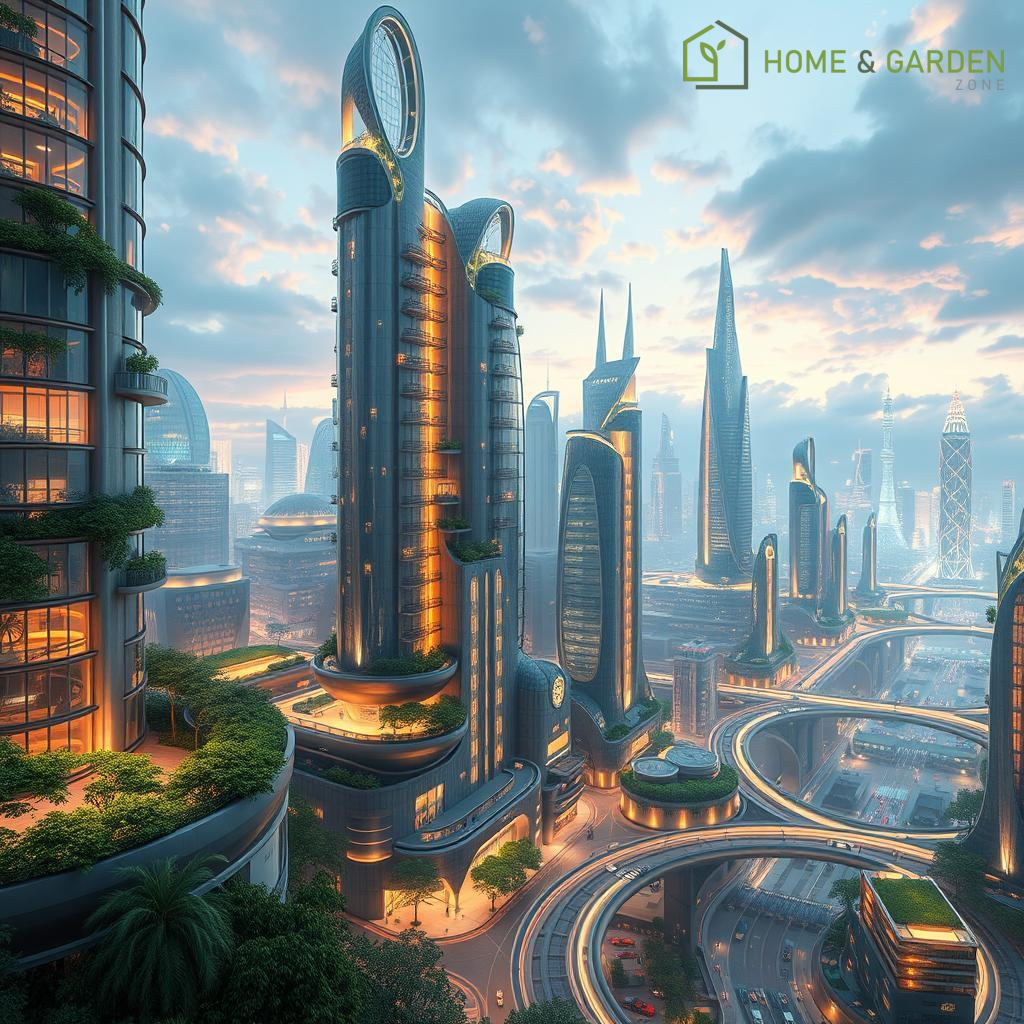
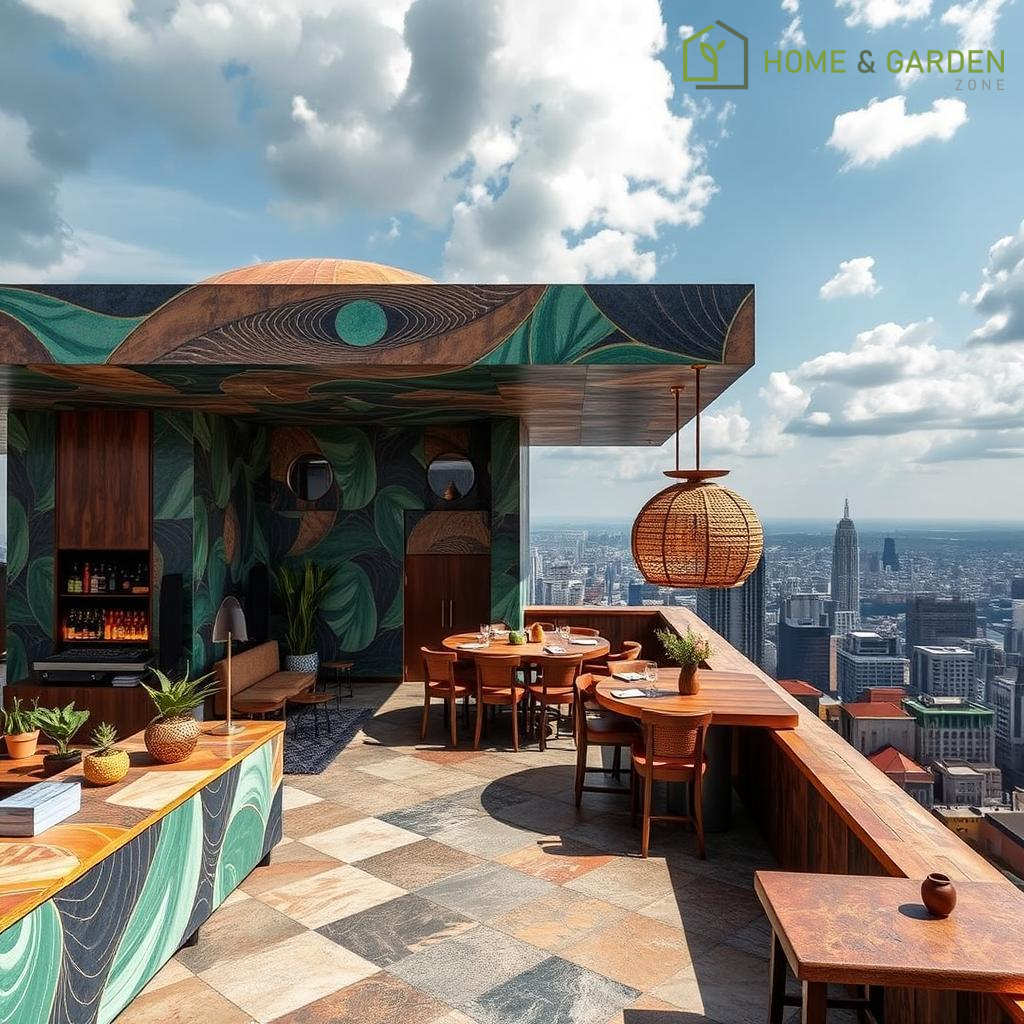
In an increasingly complex world grappling with rapid urbanization, climate change, and technological advancement, envisioning the future of our cities is not merely an academic exercise but a critical imperative. The "ideas para después" (ipd) exhibition, a groundbreaking showcase of student innovation, recently brought this imperative to the forefront, inviting audiences to explore radical alternative urban futures through the lens of speculative design.
The Urgency of Speculative Urbanism
Speculative design serves as a powerful methodology for anticipating potential futures, challenging conventional thinking, and sparking critical discourse on complex societal issues. Rather than merely solving existing problems, it posits "what if" scenarios, creating tangible representations of possible worlds. This approach is particularly vital in urban planning, where long-term decisions have profound and lasting impacts on communities and environments. The ipd exhibition harnessed this potential, positioning students as visionary architects of tomorrow's urban landscapes.
Installations, Objects, and Narratives: A Glimpse into Tomorrow
The exhibition featured an array of compelling installations, conceptual objects, and intricate visual narratives, each meticulously crafted by emerging designers. These works moved beyond theoretical frameworks, offering immersive experiences that challenged perceptions of urban living. Projects explored diverse themes, including:
- Adaptive Architectures: Concepts for structures designed to flex and evolve with environmental shifts, addressing issues like rising sea levels or extreme weather patterns.
- Hyper-Local Ecologies: Visions of self-sustaining urban micro-climates, integrating advanced hydroponics, vertical farms, and closed-loop resource management systems directly into the city fabric.
- Societal Reconfigurations: Narratives depicting new social contracts and community structures, reimagining public spaces and communal living arrangements in response to shifting demographics and technological integration.
- Ethical Tech Integration: Explorations of how emerging technologies, from AI to advanced robotics, could be ethically integrated into daily urban life, enhancing mobility, public services, and citizen engagement without compromising privacy or equity.
Each piece served as a meticulously constructed provocation, prompting visitors to ponder not only the desirability but also the feasibility and implications of these envisioned futures.
Fostering Critical Dialogue and Future Leadership
The "ideas para después" exhibition underscored the vital role of educational institutions in nurturing critical thinking and innovation among the next generation of urbanists. By providing a platform for speculative inquiry, the exhibition not only showcased remarkable creativity but also fostered a necessary dialogue about the trajectory of urban development. The student-led projects demonstrated a profound understanding of contemporary challenges and an inspiring commitment to exploring imaginative, often audacious, solutions.
Summary
The "ideas para después" (ipd) exhibition provided a compelling and thought-provoking exploration of future urban life through the innovative lens of speculative design. Showcasing a diverse collection of student-developed installations, objects, and visual narratives, the exhibition successfully imagined alternative urban realities. It served as a critical platform for emerging designers to present their visions for sustainable, equitable, and technologically integrated cities, stimulating essential discourse on the future trajectory of urban environments.
Resources
- Designboom | Architecture & Design Magazine
- The Speculative Design Archive
- A relevant academic institution (e.g., School of Design, Royal College of Art)
Details
Author


Latest articles


 }})
You can now watch HBO Max for $10
In an increasingly complex world grappling with rapid urbanization, climate change, and technological advancement, envisioning the future of our cities is not merely an academic exercise but a critical imperative. The "ideas para después" (ipd) exhibition, a groundbreaking showcase of student innovation, recently brought this imperative to the forefront, inviting audiences to explore radical alternative urban futures through the lens of speculative design.
The Urgency of Speculative Urbanism
Speculative design serves as a powerful methodology for anticipating potential futures, challenging conventional thinking, and sparking critical discourse on complex societal issues. Rather than merely solving existing problems, it posits "what if" scenarios, creating tangible representations of possible worlds. This approach is particularly vital in urban planning, where long-term decisions have profound and lasting impacts on communities and environments. The ipd exhibition harnessed this potential, positioning students as visionary architects of tomorrow's urban landscapes.
Installations, Objects, and Narratives: A Glimpse into Tomorrow
The exhibition featured an array of compelling installations, conceptual objects, and intricate visual narratives, each meticulously crafted by emerging designers. These works moved beyond theoretical frameworks, offering immersive experiences that challenged perceptions of urban living. Projects explored diverse themes, including:
- Adaptive Architectures: Concepts for structures designed to flex and evolve with environmental shifts, addressing issues like rising sea levels or extreme weather patterns.
- Hyper-Local Ecologies: Visions of self-sustaining urban micro-climates, integrating advanced hydroponics, vertical farms, and closed-loop resource management systems directly into the city fabric.
- Societal Reconfigurations: Narratives depicting new social contracts and community structures, reimagining public spaces and communal living arrangements in response to shifting demographics and technological integration.
- Ethical Tech Integration: Explorations of how emerging technologies, from AI to advanced robotics, could be ethically integrated into daily urban life, enhancing mobility, public services, and citizen engagement without compromising privacy or equity.
Each piece served as a meticulously constructed provocation, prompting visitors to ponder not only the desirability but also the feasibility and implications of these envisioned futures.
Fostering Critical Dialogue and Future Leadership
The "ideas para después" exhibition underscored the vital role of educational institutions in nurturing critical thinking and innovation among the next generation of urbanists. By providing a platform for speculative inquiry, the exhibition not only showcased remarkable creativity but also fostered a necessary dialogue about the trajectory of urban development. The student-led projects demonstrated a profound understanding of contemporary challenges and an inspiring commitment to exploring imaginative, often audacious, solutions.
Summary
The "ideas para después" (ipd) exhibition provided a compelling and thought-provoking exploration of future urban life through the innovative lens of speculative design. Showcasing a diverse collection of student-developed installations, objects, and visual narratives, the exhibition successfully imagined alternative urban realities. It served as a critical platform for emerging designers to present their visions for sustainable, equitable, and technologically integrated cities, stimulating essential discourse on the future trajectory of urban environments.
Resources
- Designboom | Architecture & Design Magazine
- The Speculative Design Archive
- A relevant academic institution (e.g., School of Design, Royal College of Art)
Latest articles
You can now watch HBO Max for $10
Similar posts

This is a page that only logged-in people can visit. Don't you feel special? Try clicking on a button below to do some things you can't do when you're logged out.
Example modal
At your leisure, please peruse this excerpt from a whale of a tale.
Chapter 1: Loomings.
Call me Ishmael. Some years ago—never mind how long precisely—having little or no money in my purse, and nothing particular to interest me on shore, I thought I would sail about a little and see the watery part of the world. It is a way I have of driving off the spleen and regulating the circulation. Whenever I find myself growing grim about the mouth; whenever it is a damp, drizzly November in my soul; whenever I find myself involuntarily pausing before coffin warehouses, and bringing up the rear of every funeral I meet; and especially whenever my hypos get such an upper hand of me, that it requires a strong moral principle to prevent me from deliberately stepping into the street, and methodically knocking people's hats off—then, I account it high time to get to sea as soon as I can. This is my substitute for pistol and ball. With a philosophical flourish Cato throws himself upon his sword; I quietly take to the ship. There is nothing surprising in this. If they but knew it, almost all men in their degree, some time or other, cherish very nearly the same feelings towards the ocean with me.
Comment