Rethinking Tomorrow: Architecture, Interiors, and Design Trends Shaping 2026

As the design world pivots towards a future defined by radical shifts and urgent global challenges, 2026 is poised to be a landmark year for architectural, interior, and product design innovation. Esteemed industry voices, including Reinier de Graaf, Tola Ojuolape, and Luca Nichetto, have offered their prescient insights into the evolving landscape, emphasizing a profound re-evaluation of our built environment's purpose and impact.
Architecture: A Mandate for Redefinition
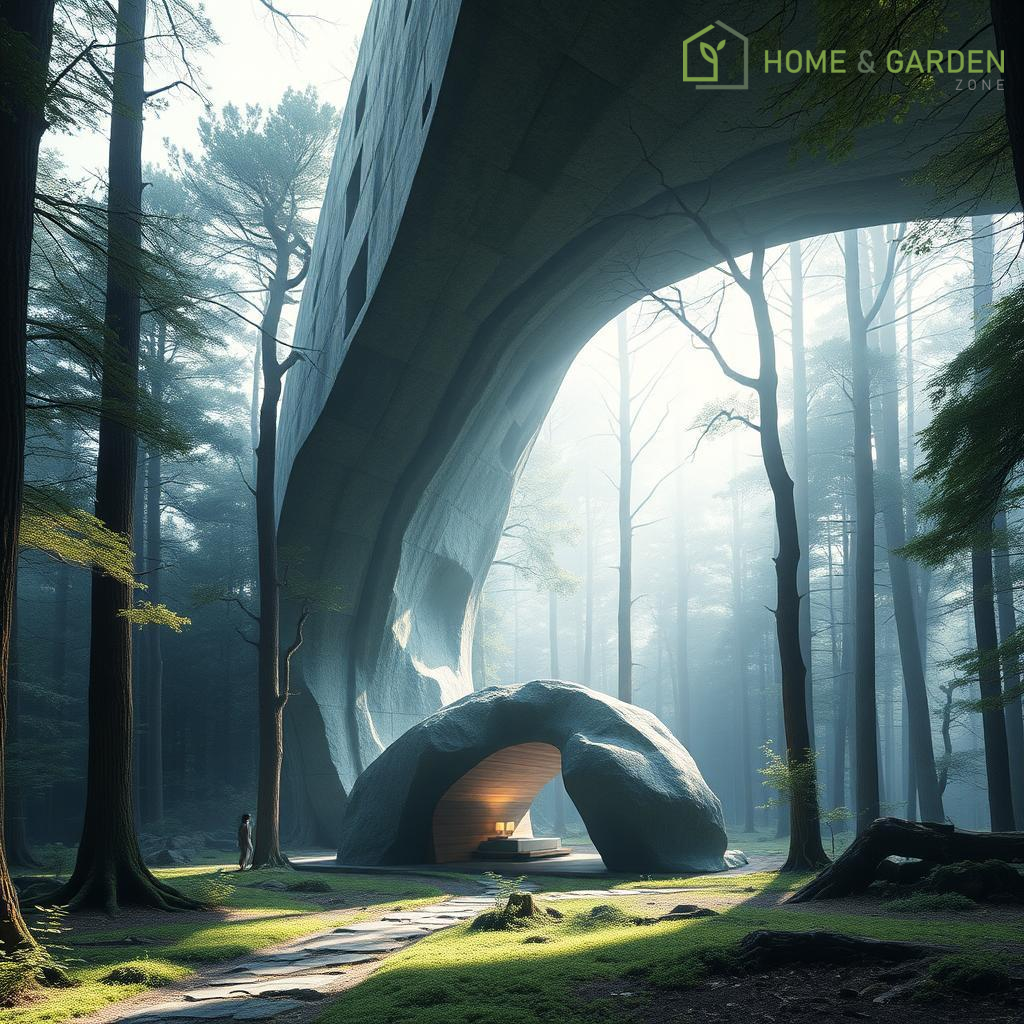
The call to action from Dezeen's architecture reporter, Amy Peacock, resonates deeply: architects "must rethink how and why we build" in 2026. This isn't merely a suggestion but a directive for a fundamental paradigm shift. Leading the discourse, Reinier de Graaf, known for his incisive critique of urban development, underscores the imperative for architectures that are not just sustainable but regenerative. Expect a strong move away from speculative new builds towards adaptive reuse, material circularity, and designs that actively contribute to ecological and social well-being. Modular construction, advanced bio-materials, and hyper-local sourcing will dominate, driven by a commitment to decarbonization and resource efficiency. The emphasis will be on creating resilient structures that serve community needs and foster genuine human connection, moving beyond mere aesthetic spectacle to profound social utility.
Interior Design: Sanctuary, Sustainability, and Sensory Experience
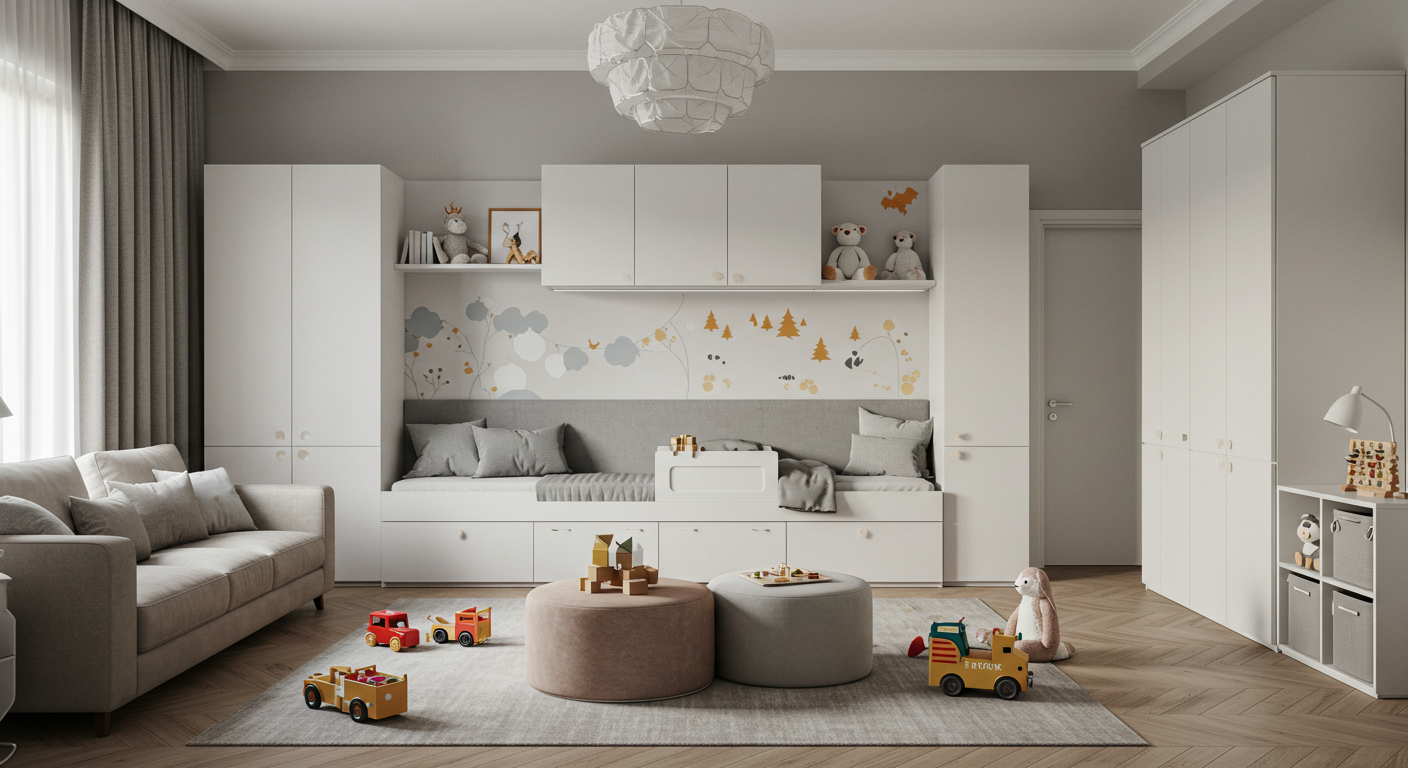
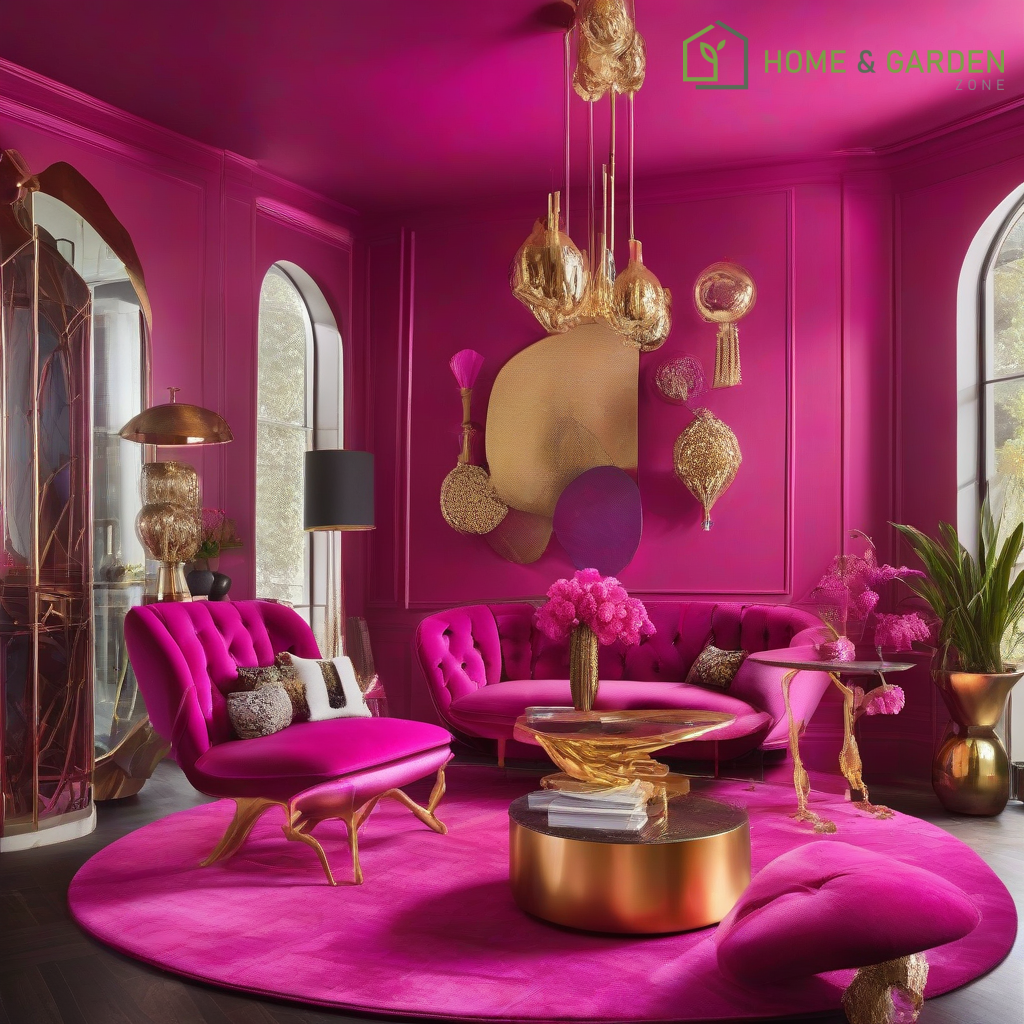
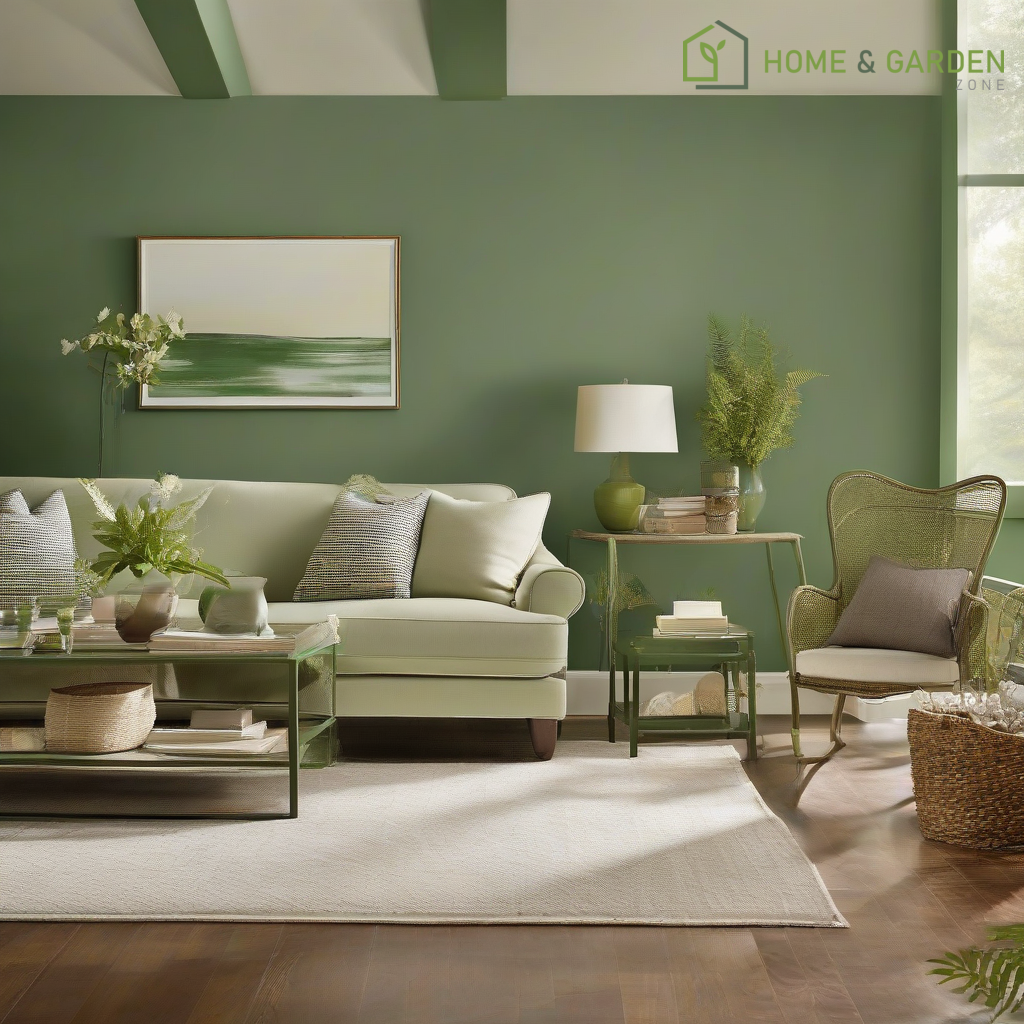
Interior spaces in 2026 will evolve into multi-sensory havens, reflecting a deeper understanding of human psychology and environmental responsibility. Tola Ojuolape highlights the growing importance of material transparency and culturally informed aesthetics. We anticipate a surge in biophilic design, integrating natural elements and views to enhance well-being and productivity. Furnishings will prioritize longevity, repairability, and responsible sourcing, with a renewed appreciation for craftsmanship and artisanal techniques. Flexible layouts and transformable furniture will accommodate dynamic living and working patterns, while discreet technological integration will enhance comfort and personal customization without overwhelming the senses. The focus will be on creating authentic, restorative environments that tell a story and minimize their ecological footprint.
Product Design: Longevity, Emotion, and Ethical Production
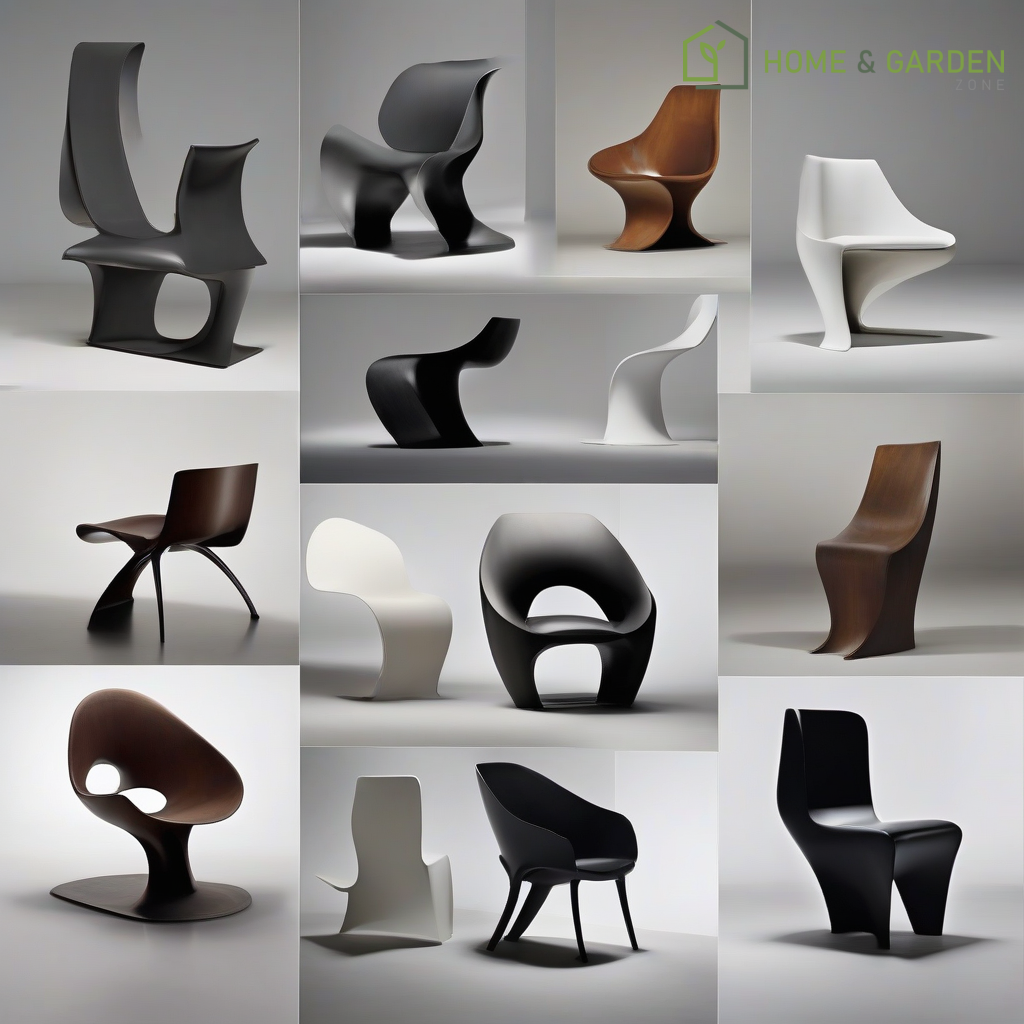
Luca Nichetto's influence on design often blends meticulous craftsmanship with industrial innovation, a direction that will define product trends in 2026. The era of disposability is unequivocally ending. Products will be designed for enduring quality, emotional resonance, and ease of repair, championing a circular economy ethos. Expect innovations in material science that yield durable, biodegradable, or endlessly recyclable components. The aesthetic will lean towards understated elegance and timeless forms, eschewing fleeting fads for objects that enrich daily life through their functionality and tactile qualities. Personalization, achieved through digital fabrication or artisanal finishing, will offer a bespoke experience, fostering a deeper connection between user and object. Ethical production practices, from supply chain to labor, will become non-negotiable consumer expectations.
Conclusion
The landscape of design, architecture, and interiors in 2026 is characterized by an urgent and profound introspection. The industry is moving beyond superficial trends to embrace deep-seated values of sustainability, human-centricity, and ethical responsibility. The collective insights from thought leaders point towards a future where every design decision is scrutinized for its long-term impact on people and planet, fostering environments that are not only beautiful but also inherently beneficial and enduring.
Resources
- Dezeen: www.dezeen.com
- OMA (Office for Metropolitan Architecture): oma.eu (Relevant for Reinier de Graaf's insights)
- World Economic Forum: Architecture & Urban Planning discussions (often covers future trends and sustainability in design)
Details
Author


Latest articles

 }})
You can now watch HBO Max for $10
As the design world pivots towards a future defined by radical shifts and urgent global challenges, 2026 is poised to be a landmark year for architectural, interior, and product design innovation. Esteemed industry voices, including Reinier de Graaf, Tola Ojuolape, and Luca Nichetto, have offered their prescient insights into the evolving landscape, emphasizing a profound re-evaluation of our built environment's purpose and impact.
Architecture: A Mandate for Redefinition
The call to action from Dezeen's architecture reporter, Amy Peacock, resonates deeply: architects "must rethink how and why we build" in 2026. This isn't merely a suggestion but a directive for a fundamental paradigm shift. Leading the discourse, Reinier de Graaf, known for his incisive critique of urban development, underscores the imperative for architectures that are not just sustainable but regenerative. Expect a strong move away from speculative new builds towards adaptive reuse, material circularity, and designs that actively contribute to ecological and social well-being. Modular construction, advanced bio-materials, and hyper-local sourcing will dominate, driven by a commitment to decarbonization and resource efficiency. The emphasis will be on creating resilient structures that serve community needs and foster genuine human connection, moving beyond mere aesthetic spectacle to profound social utility.
Interior Design: Sanctuary, Sustainability, and Sensory Experience
Interior spaces in 2026 will evolve into multi-sensory havens, reflecting a deeper understanding of human psychology and environmental responsibility. Tola Ojuolape highlights the growing importance of material transparency and culturally informed aesthetics. We anticipate a surge in biophilic design, integrating natural elements and views to enhance well-being and productivity. Furnishings will prioritize longevity, repairability, and responsible sourcing, with a renewed appreciation for craftsmanship and artisanal techniques. Flexible layouts and transformable furniture will accommodate dynamic living and working patterns, while discreet technological integration will enhance comfort and personal customization without overwhelming the senses. The focus will be on creating authentic, restorative environments that tell a story and minimize their ecological footprint.
Product Design: Longevity, Emotion, and Ethical Production
Luca Nichetto's influence on design often blends meticulous craftsmanship with industrial innovation, a direction that will define product trends in 2026. The era of disposability is unequivocally ending. Products will be designed for enduring quality, emotional resonance, and ease of repair, championing a circular economy ethos. Expect innovations in material science that yield durable, biodegradable, or endlessly recyclable components. The aesthetic will lean towards understated elegance and timeless forms, eschewing fleeting fads for objects that enrich daily life through their functionality and tactile qualities. Personalization, achieved through digital fabrication or artisanal finishing, will offer a bespoke experience, fostering a deeper connection between user and object. Ethical production practices, from supply chain to labor, will become non-negotiable consumer expectations.
Conclusion
The landscape of design, architecture, and interiors in 2026 is characterized by an urgent and profound introspection. The industry is moving beyond superficial trends to embrace deep-seated values of sustainability, human-centricity, and ethical responsibility. The collective insights from thought leaders point towards a future where every design decision is scrutinized for its long-term impact on people and planet, fostering environments that are not only beautiful but also inherently beneficial and enduring.
Resources
- Dezeen: www.dezeen.com
- OMA (Office for Metropolitan Architecture): oma.eu (Relevant for Reinier de Graaf's insights)
- World Economic Forum: Architecture & Urban Planning discussions (often covers future trends and sustainability in design)
Latest articles
You can now watch HBO Max for $10
Similar posts
This is a page that only logged-in people can visit. Don't you feel special? Try clicking on a button below to do some things you can't do when you're logged out.
Example modal
At your leisure, please peruse this excerpt from a whale of a tale.
Chapter 1: Loomings.
Call me Ishmael. Some years ago—never mind how long precisely—having little or no money in my purse, and nothing particular to interest me on shore, I thought I would sail about a little and see the watery part of the world. It is a way I have of driving off the spleen and regulating the circulation. Whenever I find myself growing grim about the mouth; whenever it is a damp, drizzly November in my soul; whenever I find myself involuntarily pausing before coffin warehouses, and bringing up the rear of every funeral I meet; and especially whenever my hypos get such an upper hand of me, that it requires a strong moral principle to prevent me from deliberately stepping into the street, and methodically knocking people's hats off—then, I account it high time to get to sea as soon as I can. This is my substitute for pistol and ball. With a philosophical flourish Cato throws himself upon his sword; I quietly take to the ship. There is nothing surprising in this. If they but knew it, almost all men in their degree, some time or other, cherish very nearly the same feelings towards the ocean with me.
Comment