OMA Unveils Domed Concrete Pavilion for Art and Mycology at Casa Wabi, Mexico
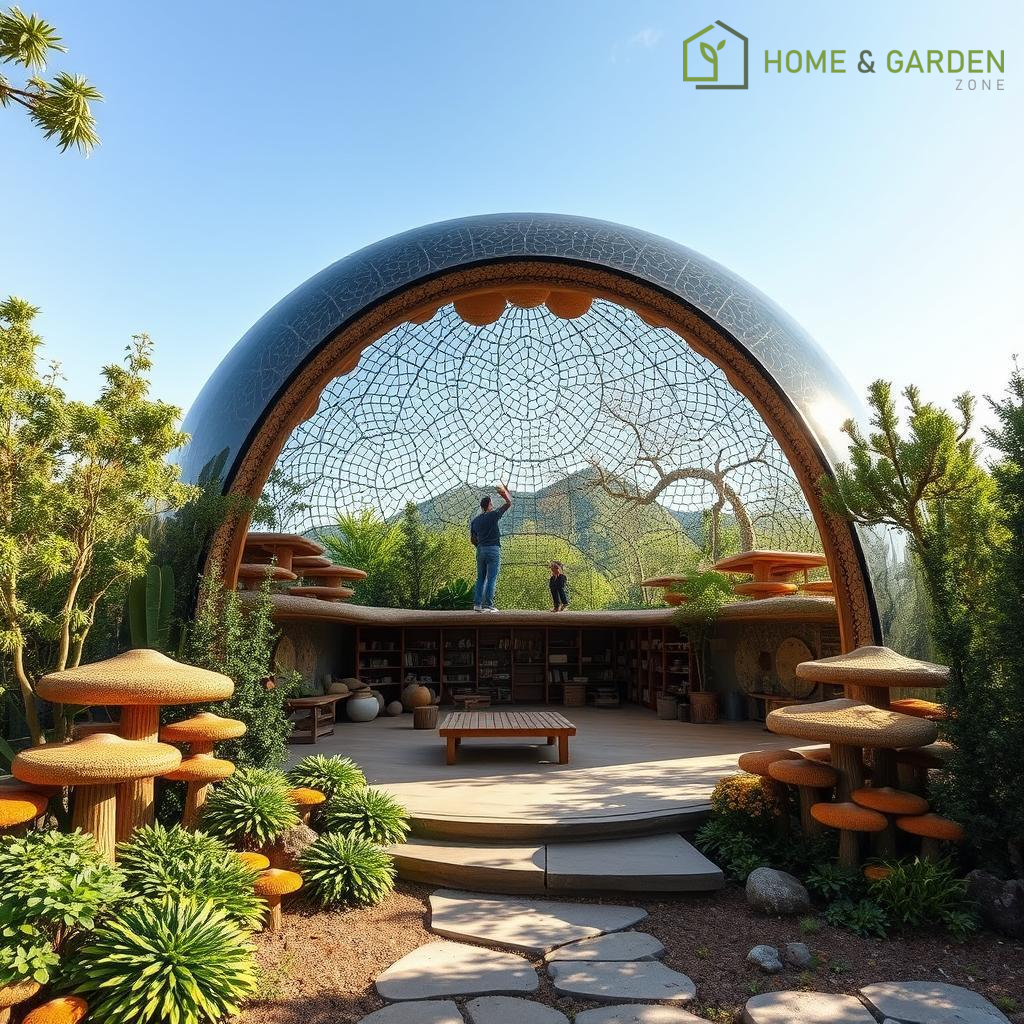
A Symbiotic Structure for Creativity and Cultivation
The renowned architectural firm OMA has completed a unique domed pavilion at Casa Wabi, a renowned art foundation nestled on the Pacific coast of Oaxaca, Mexico. This distinctive concrete structure is envisioned not merely as an architectural statement but as a vibrant hub designed to foster both artistic exploration and the burgeoning practice of mushroom cultivation. The pavilion embodies a profound commitment to integrating culture with natural processes, creating a space where artists and the local community can converge, collaborate, and engage with sustainable practices.
Architectural Ingenuity Meets Biological Function
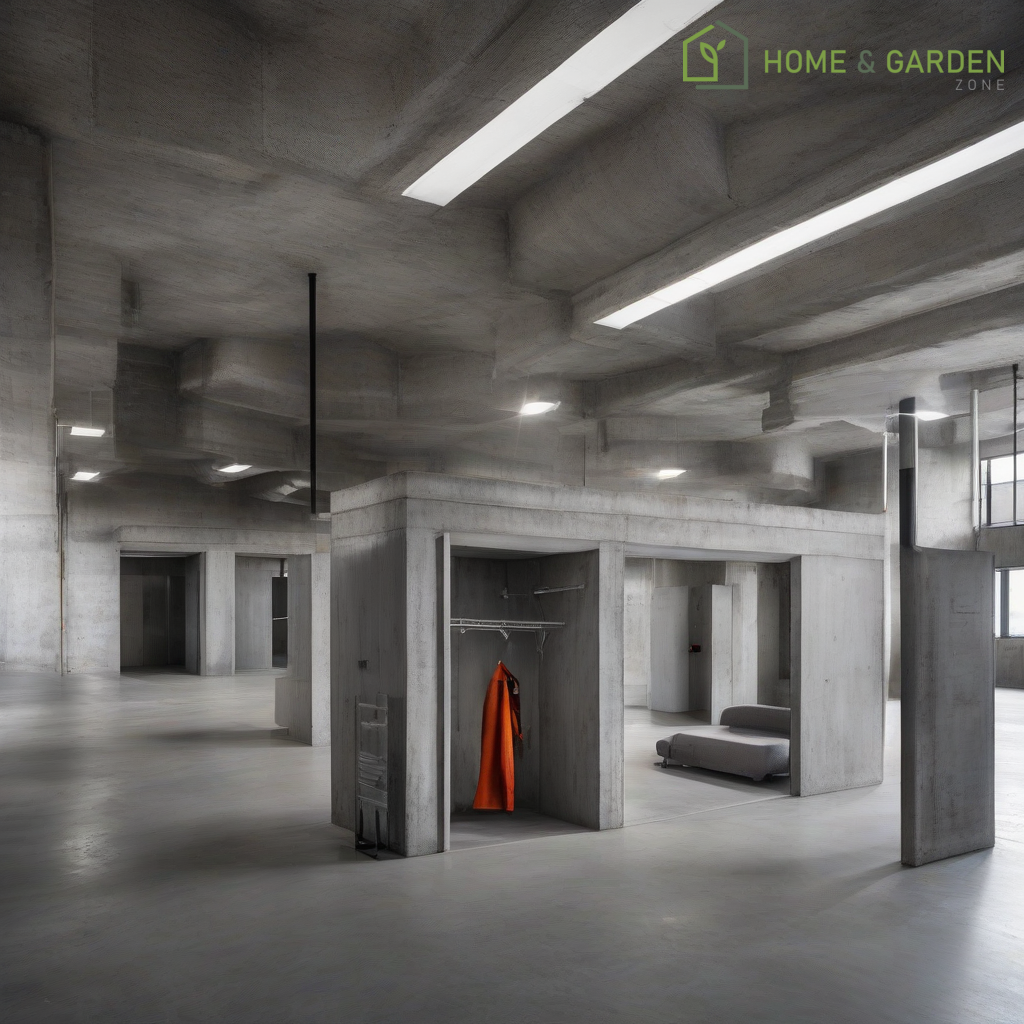
Designed with OMA's characteristic innovative approach, the pavilion is a testament to the firm's ability to blend minimalist aesthetics with profound functionality. Its raw, exposed concrete shell forms a singular domed volume, creating an immersive internal environment. This design choice is deliberate, providing optimal conditions for the delicate ecosystem required for mushroom growth, while simultaneously offering a naturally tempered space conducive to creative work and communal gatherings. The structure's robust materiality ensures longevity and a harmonious integration with the rugged coastal landscape of Casa Wabi, a site already celebrated for its contemplative atmosphere and connection to the natural world.
A Hub for Community and Creative Exchange
Beyond its horticultural purpose, the OMA pavilion at Casa Wabi is conceived as a vital community asset. It serves as an adaptable venue for workshops, discussions, and artistic interventions, extending Casa Wabi's mission to promote the exchange of ideas and experiences between artists of various disciplines and the surrounding local communities. The integration of mushroom cultivation within this artistic context highlights an innovative approach to sustainability, offering educational opportunities and potentially new economic avenues for the region, all within an architecturally significant setting.
Summary
OMA's new domed concrete pavilion at Casa Wabi represents a compelling fusion of art, architecture, and agro-ecology. By creating a dedicated space for both artistic expression and the cultivation of mushrooms, the project underscores a contemporary understanding of sustainability, community engagement, and architectural innovation. It stands as a powerful example of how design can thoughtfully respond to both cultural and environmental imperatives, fostering new dialogues and creative practices within a unique Mexican landscape.
Resources
- Designboom
- ArchDaily
- OMA - Office for Metropolitan Architecture
Details
Author




Latest articles




 }})
You can now watch HBO Max for $10
A Symbiotic Structure for Creativity and Cultivation
The renowned architectural firm OMA has completed a unique domed pavilion at Casa Wabi, a renowned art foundation nestled on the Pacific coast of Oaxaca, Mexico. This distinctive concrete structure is envisioned not merely as an architectural statement but as a vibrant hub designed to foster both artistic exploration and the burgeoning practice of mushroom cultivation. The pavilion embodies a profound commitment to integrating culture with natural processes, creating a space where artists and the local community can converge, collaborate, and engage with sustainable practices.
Architectural Ingenuity Meets Biological Function
Designed with OMA's characteristic innovative approach, the pavilion is a testament to the firm's ability to blend minimalist aesthetics with profound functionality. Its raw, exposed concrete shell forms a singular domed volume, creating an immersive internal environment. This design choice is deliberate, providing optimal conditions for the delicate ecosystem required for mushroom growth, while simultaneously offering a naturally tempered space conducive to creative work and communal gatherings. The structure's robust materiality ensures longevity and a harmonious integration with the rugged coastal landscape of Casa Wabi, a site already celebrated for its contemplative atmosphere and connection to the natural world.
A Hub for Community and Creative Exchange
Beyond its horticultural purpose, the OMA pavilion at Casa Wabi is conceived as a vital community asset. It serves as an adaptable venue for workshops, discussions, and artistic interventions, extending Casa Wabi's mission to promote the exchange of ideas and experiences between artists of various disciplines and the surrounding local communities. The integration of mushroom cultivation within this artistic context highlights an innovative approach to sustainability, offering educational opportunities and potentially new economic avenues for the region, all within an architecturally significant setting.
Summary
OMA's new domed concrete pavilion at Casa Wabi represents a compelling fusion of art, architecture, and agro-ecology. By creating a dedicated space for both artistic expression and the cultivation of mushrooms, the project underscores a contemporary understanding of sustainability, community engagement, and architectural innovation. It stands as a powerful example of how design can thoughtfully respond to both cultural and environmental imperatives, fostering new dialogues and creative practices within a unique Mexican landscape.
Resources
- Designboom
- ArchDaily
- OMA - Office for Metropolitan Architecture
Latest articles
You can now watch HBO Max for $10
Similar posts
This is a page that only logged-in people can visit. Don't you feel special? Try clicking on a button below to do some things you can't do when you're logged out.
Example modal
At your leisure, please peruse this excerpt from a whale of a tale.
Chapter 1: Loomings.
Call me Ishmael. Some years ago—never mind how long precisely—having little or no money in my purse, and nothing particular to interest me on shore, I thought I would sail about a little and see the watery part of the world. It is a way I have of driving off the spleen and regulating the circulation. Whenever I find myself growing grim about the mouth; whenever it is a damp, drizzly November in my soul; whenever I find myself involuntarily pausing before coffin warehouses, and bringing up the rear of every funeral I meet; and especially whenever my hypos get such an upper hand of me, that it requires a strong moral principle to prevent me from deliberately stepping into the street, and methodically knocking people's hats off—then, I account it high time to get to sea as soon as I can. This is my substitute for pistol and ball. With a philosophical flourish Cato throws himself upon his sword; I quietly take to the ship. There is nothing surprising in this. If they but knew it, almost all men in their degree, some time or other, cherish very nearly the same feelings towards the ocean with me.
Comment