Experiments in Love and Revolution to Occupy Malta Pavilion at Venice Art Biennale 2026: A Deep Dive into Enduring Narratives
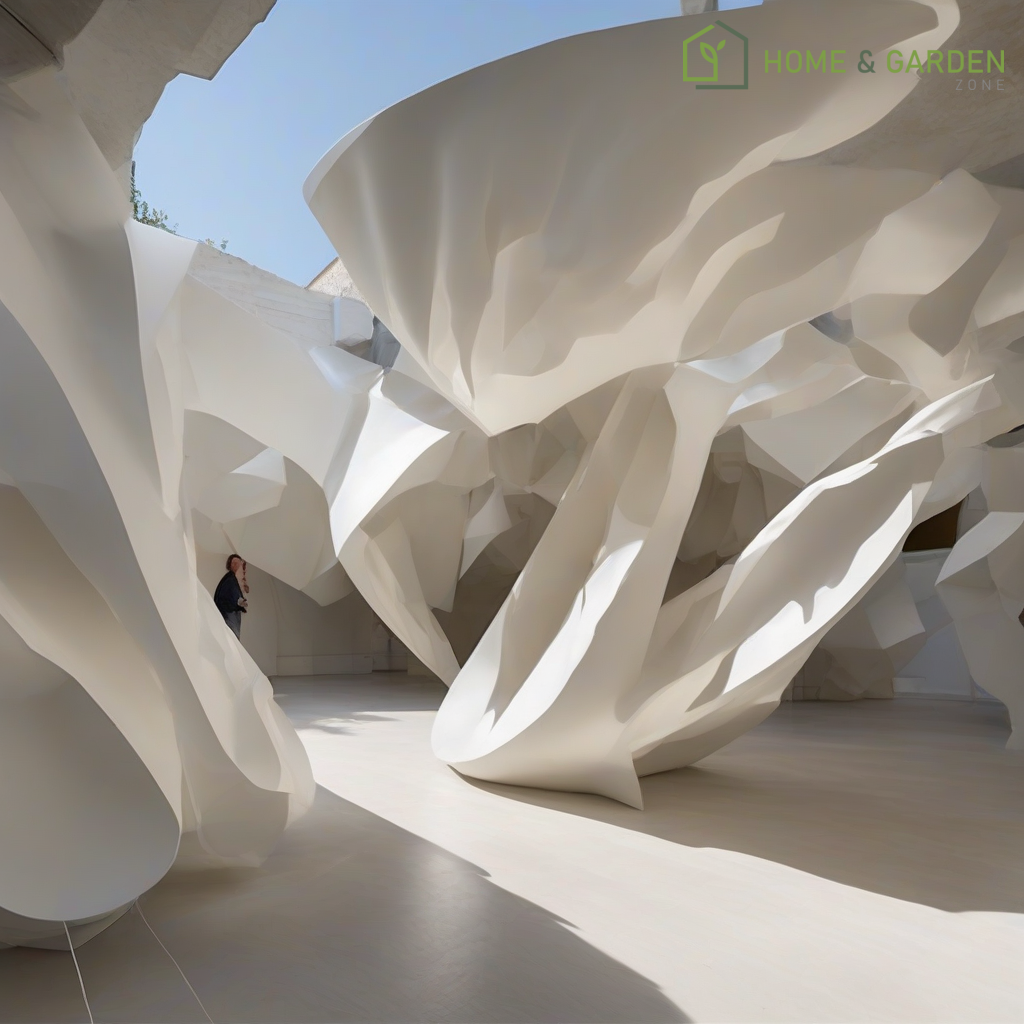
The esteemed Malta Pavilion at the Venice Art Biennale has consistently presented thought-provoking contemporary art, often delving into the nation's rich historical tapestry and evolving identity. While the prompt refers to 2026, the critically acclaimed exhibition titled ‘No Need to Sparkle; Experiments in Love and Revolution’ was a highlight of the 60th International Art Exhibition – La Biennale di Venezia in 2024. This significant presentation explored how entrenched mythologies and historical narratives intricately shape contemporary Maltese society, inviting a profound re-evaluation of national consciousness through artistic experimentation.
Deciphering Maltese Identity Through Art
Curated by Nadia Horbachuk and Alessandro Vincentelli, ‘No Need to Sparkle; Experiments in Love and Revolution’ served as a powerful lens through which to examine Malta’s complex relationship with its past. The exhibition transcended mere historical recounting, instead focusing on the living legacy of myths and societal stories that continue to influence the island nation. Through a compelling blend of contemporary art forms, the show sought to illuminate themes of resilience, transformative shifts, and the ongoing process of self-reinvention that characterises Maltese identity.
The curatorial vision successfully deconstructed conventional historical perspectives, presenting alternative narratives that challenged visitors to consider the nuanced interplay between memory, folklore, and the present-day social fabric. This approach resonated deeply, offering fresh insights into how a nation, situated at a historical crossroads, continually negotiates its identity amidst external influences and internal reflections.
Artistic Voices and Curatorial Vision
The exhibition brought together three distinguished Maltese artists—Matthew Attard, Denise Muscat, and Trevor Borg—each contributing a distinct perspective to the overarching theme. Their collective works explored the intersections of tradition and modernity, often employing innovative techniques to reinterpret historical and mythological sources.
Matthew Attard: Digital Archaeology
Matthew Attard’s contributions often bridge the chasm between archaic forms of expression and digital innovation. His work frequently involves a 'digital archaeology', where traditional drawing techniques merge with contemporary digital processes. This synthesis allows him to excavate and reimagine historical data and cultural symbols, questioning the authenticity and interpretation of narratives in an increasingly mediated world. Attard’s pieces encourage viewers to contemplate the fluidity of history and memory within the digital age.
Denise Muscat: Reimagining Material Histories
Denise Muscat’s artistic practice typically engages with the materiality of objects and the historical weight they carry. Her installations and sculptures often repurpose or recontextualize elements that evoke specific cultural or societal memories. Through meticulous craftsmanship and conceptual rigor, Muscat’s work in the exhibition likely delved into the tangible and intangible aspects of Maltese history, presenting a material-driven exploration of heritage and transformation.
Trevor Borg: Mythopoetic Landscapes
Trevor Borg’s work is characterized by its deep immersion in anthropological research and the creation of immersive, often mythopoetic environments. His artistic narratives frequently draw from local folklore, geology, and archaeology, constructing intricate worlds that blur the lines between reality and fiction. Borg’s pieces in ‘No Need to Sparkle; Experiments in Love and Revolution’ challenged established truths and invited contemplation on the cyclical nature of myth-making and its enduring power in shaping collective consciousness.
Summary: A Reflection on Enduring Narratives
‘No Need to Sparkle; Experiments in Love and Revolution’ at the Malta Pavilion in 2024 was more than an art exhibition; it was an investigative journey into the soul of a nation. By juxtaposing ancient myths with contemporary realities and employing diverse artistic methodologies, the exhibition successfully articulated the complexities of Maltese identity. It underscored the profound influence of inherited narratives on present-day society and demonstrated how artistic expression can serve as a vital tool for critical reflection, fostering a deeper understanding of cultural heritage and future aspirations.
Resources
- Arts Council Malta: https://www.artscouncilmalta.org/news/malta-pavilion-at-the-60th-international-art-exhibition-la-biennale-di-venezia
- designboom: https://www.designboom.com/art/malta-pavilion-venice-art-biennale-2024-no-need-to-sparkle-experiments-love-revolution-03-22-2024/
- e-flux: https://www.e-flux.com/announcements/581559/malta-pavilion-at-the-60th-venice-biennale/
Details
Author




Latest articles




 }})
You can now watch HBO Max for $10
The esteemed Malta Pavilion at the Venice Art Biennale has consistently presented thought-provoking contemporary art, often delving into the nation's rich historical tapestry and evolving identity. While the prompt refers to 2026, the critically acclaimed exhibition titled ‘No Need to Sparkle; Experiments in Love and Revolution’ was a highlight of the 60th International Art Exhibition – La Biennale di Venezia in 2024. This significant presentation explored how entrenched mythologies and historical narratives intricately shape contemporary Maltese society, inviting a profound re-evaluation of national consciousness through artistic experimentation.
Deciphering Maltese Identity Through Art
Curated by Nadia Horbachuk and Alessandro Vincentelli, ‘No Need to Sparkle; Experiments in Love and Revolution’ served as a powerful lens through which to examine Malta’s complex relationship with its past. The exhibition transcended mere historical recounting, instead focusing on the living legacy of myths and societal stories that continue to influence the island nation. Through a compelling blend of contemporary art forms, the show sought to illuminate themes of resilience, transformative shifts, and the ongoing process of self-reinvention that characterises Maltese identity.
The curatorial vision successfully deconstructed conventional historical perspectives, presenting alternative narratives that challenged visitors to consider the nuanced interplay between memory, folklore, and the present-day social fabric. This approach resonated deeply, offering fresh insights into how a nation, situated at a historical crossroads, continually negotiates its identity amidst external influences and internal reflections.
Artistic Voices and Curatorial Vision
The exhibition brought together three distinguished Maltese artists—Matthew Attard, Denise Muscat, and Trevor Borg—each contributing a distinct perspective to the overarching theme. Their collective works explored the intersections of tradition and modernity, often employing innovative techniques to reinterpret historical and mythological sources.
Matthew Attard: Digital Archaeology
Matthew Attard’s contributions often bridge the chasm between archaic forms of expression and digital innovation. His work frequently involves a 'digital archaeology', where traditional drawing techniques merge with contemporary digital processes. This synthesis allows him to excavate and reimagine historical data and cultural symbols, questioning the authenticity and interpretation of narratives in an increasingly mediated world. Attard’s pieces encourage viewers to contemplate the fluidity of history and memory within the digital age.
Denise Muscat: Reimagining Material Histories
Denise Muscat’s artistic practice typically engages with the materiality of objects and the historical weight they carry. Her installations and sculptures often repurpose or recontextualize elements that evoke specific cultural or societal memories. Through meticulous craftsmanship and conceptual rigor, Muscat’s work in the exhibition likely delved into the tangible and intangible aspects of Maltese history, presenting a material-driven exploration of heritage and transformation.
Trevor Borg: Mythopoetic Landscapes
Trevor Borg’s work is characterized by its deep immersion in anthropological research and the creation of immersive, often mythopoetic environments. His artistic narratives frequently draw from local folklore, geology, and archaeology, constructing intricate worlds that blur the lines between reality and fiction. Borg’s pieces in ‘No Need to Sparkle; Experiments in Love and Revolution’ challenged established truths and invited contemplation on the cyclical nature of myth-making and its enduring power in shaping collective consciousness.
Summary: A Reflection on Enduring Narratives
‘No Need to Sparkle; Experiments in Love and Revolution’ at the Malta Pavilion in 2024 was more than an art exhibition; it was an investigative journey into the soul of a nation. By juxtaposing ancient myths with contemporary realities and employing diverse artistic methodologies, the exhibition successfully articulated the complexities of Maltese identity. It underscored the profound influence of inherited narratives on present-day society and demonstrated how artistic expression can serve as a vital tool for critical reflection, fostering a deeper understanding of cultural heritage and future aspirations.
Resources
- Arts Council Malta: https://www.artscouncilmalta.org/news/malta-pavilion-at-the-60th-international-art-exhibition-la-biennale-di-venezia
- designboom: https://www.designboom.com/art/malta-pavilion-venice-art-biennale-2024-no-need-to-sparkle-experiments-love-revolution-03-22-2024/
- e-flux: https://www.e-flux.com/announcements/581559/malta-pavilion-at-the-60th-venice-biennale/
Latest articles
You can now watch HBO Max for $10
Similar posts


This is a page that only logged-in people can visit. Don't you feel special? Try clicking on a button below to do some things you can't do when you're logged out.
Example modal
At your leisure, please peruse this excerpt from a whale of a tale.
Chapter 1: Loomings.
Call me Ishmael. Some years ago—never mind how long precisely—having little or no money in my purse, and nothing particular to interest me on shore, I thought I would sail about a little and see the watery part of the world. It is a way I have of driving off the spleen and regulating the circulation. Whenever I find myself growing grim about the mouth; whenever it is a damp, drizzly November in my soul; whenever I find myself involuntarily pausing before coffin warehouses, and bringing up the rear of every funeral I meet; and especially whenever my hypos get such an upper hand of me, that it requires a strong moral principle to prevent me from deliberately stepping into the street, and methodically knocking people's hats off—then, I account it high time to get to sea as soon as I can. This is my substitute for pistol and ball. With a philosophical flourish Cato throws himself upon his sword; I quietly take to the ship. There is nothing surprising in this. If they but knew it, almost all men in their degree, some time or other, cherish very nearly the same feelings towards the ocean with me.
Comment