Mastering Your Bathroom Renovation: A Comprehensive Guide to Planning, Design, and Execution
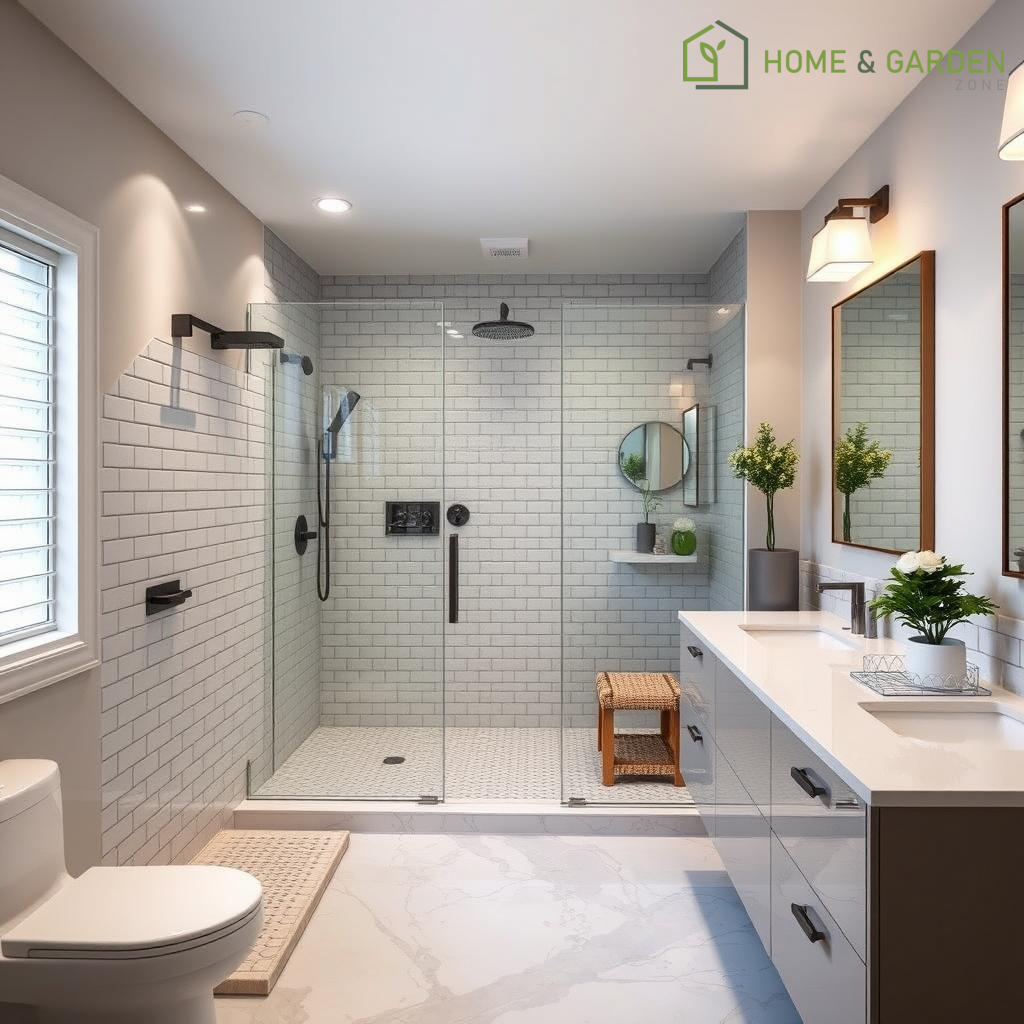
Renovating a bathroom is a significant undertaking that can dramatically enhance your home's functionality and aesthetic appeal. Whether you envision a subtle update or a complete transformation, a meticulous plan and a thorough understanding of the process are paramount to achieving your desired outcome.
Where Do You Start When Planning a Bathroom Renovation?
The journey begins with a clear vision and a robust plan. Before any demolition, define your objectives. Is this a cosmetic refresh, an update for resale, or a complete overhaul to create a spa-like sanctuary? Consider who uses the bathroom, their specific needs, and any potential accessibility requirements. A well-defined scope will guide all subsequent decisions, from budgeting to material selection.
Establishing Your Budget
A realistic budget is the cornerstone of any successful renovation. Bathroom renovation costs vary widely, influenced by factors such as the size of the space, the quality of materials, the extent of structural changes, and labor rates in your region. Typically, experts recommend allocating funds across categories like fixtures (toilet, vanity, shower/tub), tiling, flooring, lighting, plumbing, and electrical work. Always reserve a contingency fund, ideally 10-20% of your total budget, to absorb unforeseen issues that often arise once walls are opened.
Design Considerations and Layout
Beyond aesthetics, a bathroom's design must prioritize functionality and flow. While it's often more cost-effective to retain the existing plumbing layout, reimagining the space can yield significant improvements. Consider practical elements such as ventilation—critical for preventing mold and mildew—and diverse lighting options, including ambient, task, and accent lighting. Storage solutions, from built-in niches to well-designed vanities, are also essential. Explore material choices that balance durability, maintenance, and visual appeal, such as porcelain or ceramic tiles for flooring and showers, and resilient countertops like quartz.
Hiring the Right Professionals
For most significant bathroom renovations, engaging qualified professionals is indispensable. A reputable general contractor can oversee the entire project, coordinating plumbers, electricians, and tilers. For complex designs or if you require aesthetic guidance, an interior designer can prove invaluable. Always verify licenses, insurance, and references. Obtain multiple detailed bids that clearly outline the scope of work, payment schedules, and project timelines to avoid misunderstandings and ensure transparency.
The Renovation Process: A Step-by-Step Overview
While every project has unique variations, a typical bathroom renovation follows a sequence:
- Demolition: Removal of old fixtures, tiles, and anything not part of the new design.
- Rough-in: Installation or relocation of new plumbing and electrical lines within the walls.
- Framing & Insulation: Any necessary structural changes or wall framing, followed by insulation.
- Drywall & Plastering: Installation of new drywall, followed by taping and plastering.
- Flooring & Tiling: Installation of subfloor and then the chosen floor and wall tiles.
- Painting & Finishing: Applying paint to walls and ceilings.
- Fixture Installation: Setting the vanity, toilet, shower/tub, and light fixtures.
- Final Touches: Installing mirrors, accessories, and performing a thorough clean-up.
Navigating Common Challenges
Even the most meticulously planned renovations can encounter obstacles. Prepare for potential challenges such as discovering mold, water damage, or outdated wiring behind walls, which can lead to unexpected costs and delays. Maintain open and consistent communication with your contractor to address issues promptly and effectively. Regular site visits can also help ensure the project aligns with your expectations.
Summary
A well-executed bathroom renovation not only enhances your daily living but also contributes significantly to your home's overall value. By dedicating time to thorough planning, prudent budgeting, selecting quality materials, and partnering with experienced professionals, you can transform a functional space into a personal retreat that serves your needs for years to come. Approach the project with patience and an informed perspective to ensure a rewarding outcome.
Resources
- Houzz: A leading platform for home design and renovation ideas, professional directories, and expert advice.
- National Kitchen and Bath Association (NKBA): A professional organization offering industry standards, design trends, and consumer resources for kitchen and bath projects.
- Consumer Reports: Provides unbiased product reviews and comprehensive buying guides for home improvement materials and fixtures.
Details
Author



Latest articles





 }})
You can now watch HBO Max for $10
Renovating a bathroom is a significant undertaking that can dramatically enhance your home's functionality and aesthetic appeal. Whether you envision a subtle update or a complete transformation, a meticulous plan and a thorough understanding of the process are paramount to achieving your desired outcome.
Where Do You Start When Planning a Bathroom Renovation?
The journey begins with a clear vision and a robust plan. Before any demolition, define your objectives. Is this a cosmetic refresh, an update for resale, or a complete overhaul to create a spa-like sanctuary? Consider who uses the bathroom, their specific needs, and any potential accessibility requirements. A well-defined scope will guide all subsequent decisions, from budgeting to material selection.
Establishing Your Budget
A realistic budget is the cornerstone of any successful renovation. Bathroom renovation costs vary widely, influenced by factors such as the size of the space, the quality of materials, the extent of structural changes, and labor rates in your region. Typically, experts recommend allocating funds across categories like fixtures (toilet, vanity, shower/tub), tiling, flooring, lighting, plumbing, and electrical work. Always reserve a contingency fund, ideally 10-20% of your total budget, to absorb unforeseen issues that often arise once walls are opened.
Design Considerations and Layout
Beyond aesthetics, a bathroom's design must prioritize functionality and flow. While it's often more cost-effective to retain the existing plumbing layout, reimagining the space can yield significant improvements. Consider practical elements such as ventilation—critical for preventing mold and mildew—and diverse lighting options, including ambient, task, and accent lighting. Storage solutions, from built-in niches to well-designed vanities, are also essential. Explore material choices that balance durability, maintenance, and visual appeal, such as porcelain or ceramic tiles for flooring and showers, and resilient countertops like quartz.
Hiring the Right Professionals
For most significant bathroom renovations, engaging qualified professionals is indispensable. A reputable general contractor can oversee the entire project, coordinating plumbers, electricians, and tilers. For complex designs or if you require aesthetic guidance, an interior designer can prove invaluable. Always verify licenses, insurance, and references. Obtain multiple detailed bids that clearly outline the scope of work, payment schedules, and project timelines to avoid misunderstandings and ensure transparency.
The Renovation Process: A Step-by-Step Overview
While every project has unique variations, a typical bathroom renovation follows a sequence:
- Demolition: Removal of old fixtures, tiles, and anything not part of the new design.
- Rough-in: Installation or relocation of new plumbing and electrical lines within the walls.
- Framing & Insulation: Any necessary structural changes or wall framing, followed by insulation.
- Drywall & Plastering: Installation of new drywall, followed by taping and plastering.
- Flooring & Tiling: Installation of subfloor and then the chosen floor and wall tiles.
- Painting & Finishing: Applying paint to walls and ceilings.
- Fixture Installation: Setting the vanity, toilet, shower/tub, and light fixtures.
- Final Touches: Installing mirrors, accessories, and performing a thorough clean-up.
Navigating Common Challenges
Even the most meticulously planned renovations can encounter obstacles. Prepare for potential challenges such as discovering mold, water damage, or outdated wiring behind walls, which can lead to unexpected costs and delays. Maintain open and consistent communication with your contractor to address issues promptly and effectively. Regular site visits can also help ensure the project aligns with your expectations.
Summary
A well-executed bathroom renovation not only enhances your daily living but also contributes significantly to your home's overall value. By dedicating time to thorough planning, prudent budgeting, selecting quality materials, and partnering with experienced professionals, you can transform a functional space into a personal retreat that serves your needs for years to come. Approach the project with patience and an informed perspective to ensure a rewarding outcome.
Resources
- Houzz: A leading platform for home design and renovation ideas, professional directories, and expert advice.
- National Kitchen and Bath Association (NKBA): A professional organization offering industry standards, design trends, and consumer resources for kitchen and bath projects.
- Consumer Reports: Provides unbiased product reviews and comprehensive buying guides for home improvement materials and fixtures.
Latest articles
You can now watch HBO Max for $10
This is a page that only logged-in people can visit. Don't you feel special? Try clicking on a button below to do some things you can't do when you're logged out.
Example modal
At your leisure, please peruse this excerpt from a whale of a tale.
Chapter 1: Loomings.
Call me Ishmael. Some years ago—never mind how long precisely—having little or no money in my purse, and nothing particular to interest me on shore, I thought I would sail about a little and see the watery part of the world. It is a way I have of driving off the spleen and regulating the circulation. Whenever I find myself growing grim about the mouth; whenever it is a damp, drizzly November in my soul; whenever I find myself involuntarily pausing before coffin warehouses, and bringing up the rear of every funeral I meet; and especially whenever my hypos get such an upper hand of me, that it requires a strong moral principle to prevent me from deliberately stepping into the street, and methodically knocking people's hats off—then, I account it high time to get to sea as soon as I can. This is my substitute for pistol and ball. With a philosophical flourish Cato throws himself upon his sword; I quietly take to the ship. There is nothing surprising in this. If they but knew it, almost all men in their degree, some time or other, cherish very nearly the same feelings towards the ocean with me.
Comment