The Tequeño: A Culinary Icon from Venezuela - Crafting the Perfect Golden Cheese Stick at Home
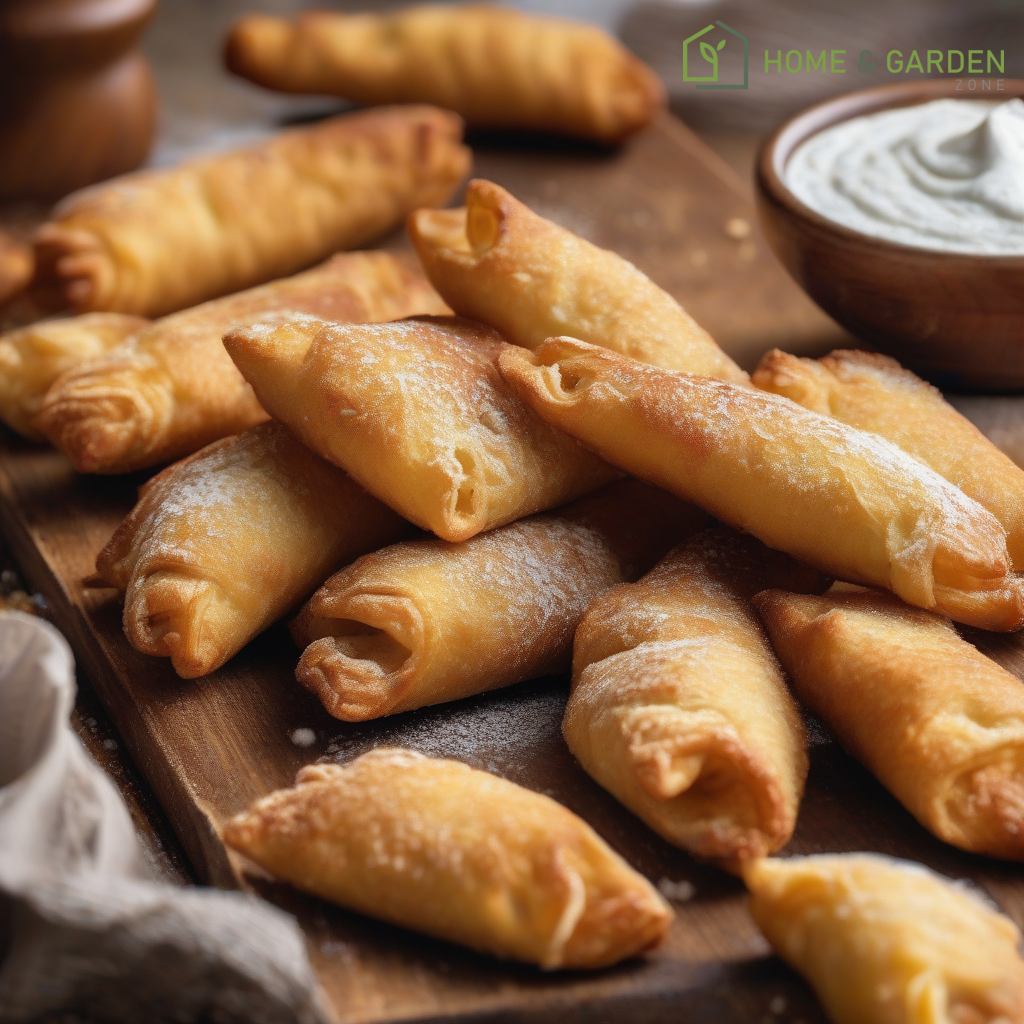
Unveiling the Tequeño: Venezuela's Beloved Golden Delight
Often described as Venezuela's answer to the cheese stick, the Tequeño transcends its simple description to embody a significant piece of the nation’s culinary identity. This ubiquitous snack, featuring a savory pastry dough delicately wrapped around a core of fresh white cheese and deep-fried to a golden crisp, offers a captivating blend of textures and flavors. For many, including those with familial ties to Venezuela, preparing Tequeños is more than just cooking; it's an act of cultural preservation and a comforting connection to heritage.
The Genesis of a National Snack
The origins of the Tequeño are firmly rooted in Los Teques, a city in the Miranda state of Venezuela, dating back to the late 19th or early 20th century. What began as a local delicacy quickly permeated Venezuelan homes and celebrations, becoming an indispensable presence at parties, gatherings, and even as a comforting breakfast item. Its widespread appeal lies in its straightforward yet deeply satisfying nature, making it a beloved staple across all generations.
Crafting the Authentic Tequeño: A Culinary Guide
Creating authentic Tequeños involves a balance of technique and quality ingredients. The core components are remarkably simple, yet their combination yields extraordinary results.
Key Ingredients:
- The Dough: A pliable, elastic dough is paramount. Typically made from all-purpose flour, butter or oil, a pinch of salt, and water or milk, it should be firm enough to handle yet tender when fried. Some variations incorporate a hint of sugar for a subtle contrast.
- The Cheese: Traditionally, "queso blanco" (fresh white cheese) is used. Its firm texture holds up well during frying, while its mild saltiness and melting properties create the characteristic gooey center. Suitable substitutes, if authentic queso blanco is unavailable, include halloumi, fresh mozzarella (low moisture), or even a mild provolone, cut into uniform sticks.
Preparation Process:
- Dough Preparation: Combine flour, salt, and butter/oil, gradually adding liquid until a smooth, workable dough forms. Knead lightly, then let it rest to allow the gluten to relax, making it easier to roll.
- Cheese Preparation: Cut the cheese into rectangular sticks, approximately 3-4 inches long and ½ inch thick. Ensure they are uniform for even cooking.
- Assembly: Roll the rested dough thinly on a floured surface. Cut the dough into long, narrow strips (about 1 inch wide). Starting from one end, tightly wrap a strip of dough around each cheese stick in a spiral motion, ensuring there are no gaps for the cheese to escape during frying. Pinch the ends firmly to seal.
- Frying: Heat a generous amount of neutral oil (such as vegetable or canola) in a deep pot or fryer to approximately 350-375°F (175-190°C). Fry the Tequeños in batches, turning occasionally, until they achieve a uniform golden-brown color and the cheese inside is molten.
- Serving: Drain the fried Tequeños on paper towels to remove excess oil. Serve immediately while warm.
Serving Suggestions and Culinary Pairings
While delicious on their own, Tequeños are often elevated by accompanying dipping sauces. Classic Venezuelan accompaniments include Guasacaca, a vibrant avocado-based sauce akin to guacamole, or a simple "salsa rosada" (a blend of ketchup and mayonnaise). They also pair wonderfully with a squeeze of fresh lime juice, cutting through the richness of the fried pastry and cheese. These versatile snacks are perfect for entertaining, casual family meals, or as a nostalgic treat.
Summary
The Tequeño stands as a testament to Venezuelan culinary ingenuity, transforming humble ingredients into a universally adored snack. Its journey from a regional specialty to a national emblem reflects a rich cultural narrative, inviting individuals worldwide to experience a taste of Venezuela. Mastering its preparation offers not just a delightful culinary skill but also a profound connection to a vibrant gastronomic heritage.
Resources
- Laylita's Recipes: Tequeños (Venezuelan Cheese Sticks) - A detailed guide from a popular Latin American food blog.
- My Venezuelan Experience: Authentic Tequeños Recipe - Personal insights and recipe from a Venezuelan perspective.
- Venezuelan Foodie: The History and Recipe of Tequeños - Explores the cultural significance and preparation.
Details
Author




Latest articles




 }})
You can now watch HBO Max for $10
Unveiling the Tequeño: Venezuela's Beloved Golden Delight
Often described as Venezuela's answer to the cheese stick, the Tequeño transcends its simple description to embody a significant piece of the nation’s culinary identity. This ubiquitous snack, featuring a savory pastry dough delicately wrapped around a core of fresh white cheese and deep-fried to a golden crisp, offers a captivating blend of textures and flavors. For many, including those with familial ties to Venezuela, preparing Tequeños is more than just cooking; it's an act of cultural preservation and a comforting connection to heritage.
The Genesis of a National Snack
The origins of the Tequeño are firmly rooted in Los Teques, a city in the Miranda state of Venezuela, dating back to the late 19th or early 20th century. What began as a local delicacy quickly permeated Venezuelan homes and celebrations, becoming an indispensable presence at parties, gatherings, and even as a comforting breakfast item. Its widespread appeal lies in its straightforward yet deeply satisfying nature, making it a beloved staple across all generations.
Crafting the Authentic Tequeño: A Culinary Guide
Creating authentic Tequeños involves a balance of technique and quality ingredients. The core components are remarkably simple, yet their combination yields extraordinary results.
Key Ingredients:
- The Dough: A pliable, elastic dough is paramount. Typically made from all-purpose flour, butter or oil, a pinch of salt, and water or milk, it should be firm enough to handle yet tender when fried. Some variations incorporate a hint of sugar for a subtle contrast.
- The Cheese: Traditionally, "queso blanco" (fresh white cheese) is used. Its firm texture holds up well during frying, while its mild saltiness and melting properties create the characteristic gooey center. Suitable substitutes, if authentic queso blanco is unavailable, include halloumi, fresh mozzarella (low moisture), or even a mild provolone, cut into uniform sticks.
Preparation Process:
- Dough Preparation: Combine flour, salt, and butter/oil, gradually adding liquid until a smooth, workable dough forms. Knead lightly, then let it rest to allow the gluten to relax, making it easier to roll.
- Cheese Preparation: Cut the cheese into rectangular sticks, approximately 3-4 inches long and ½ inch thick. Ensure they are uniform for even cooking.
- Assembly: Roll the rested dough thinly on a floured surface. Cut the dough into long, narrow strips (about 1 inch wide). Starting from one end, tightly wrap a strip of dough around each cheese stick in a spiral motion, ensuring there are no gaps for the cheese to escape during frying. Pinch the ends firmly to seal.
- Frying: Heat a generous amount of neutral oil (such as vegetable or canola) in a deep pot or fryer to approximately 350-375°F (175-190°C). Fry the Tequeños in batches, turning occasionally, until they achieve a uniform golden-brown color and the cheese inside is molten.
- Serving: Drain the fried Tequeños on paper towels to remove excess oil. Serve immediately while warm.
Serving Suggestions and Culinary Pairings
While delicious on their own, Tequeños are often elevated by accompanying dipping sauces. Classic Venezuelan accompaniments include Guasacaca, a vibrant avocado-based sauce akin to guacamole, or a simple "salsa rosada" (a blend of ketchup and mayonnaise). They also pair wonderfully with a squeeze of fresh lime juice, cutting through the richness of the fried pastry and cheese. These versatile snacks are perfect for entertaining, casual family meals, or as a nostalgic treat.
Summary
The Tequeño stands as a testament to Venezuelan culinary ingenuity, transforming humble ingredients into a universally adored snack. Its journey from a regional specialty to a national emblem reflects a rich cultural narrative, inviting individuals worldwide to experience a taste of Venezuela. Mastering its preparation offers not just a delightful culinary skill but also a profound connection to a vibrant gastronomic heritage.
Resources
- Laylita's Recipes: Tequeños (Venezuelan Cheese Sticks) - A detailed guide from a popular Latin American food blog.
- My Venezuelan Experience: Authentic Tequeños Recipe - Personal insights and recipe from a Venezuelan perspective.
- Venezuelan Foodie: The History and Recipe of Tequeños - Explores the cultural significance and preparation.
Latest articles
You can now watch HBO Max for $10
Similar posts




This is a page that only logged-in people can visit. Don't you feel special? Try clicking on a button below to do some things you can't do when you're logged out.
Example modal
At your leisure, please peruse this excerpt from a whale of a tale.
Chapter 1: Loomings.
Call me Ishmael. Some years ago—never mind how long precisely—having little or no money in my purse, and nothing particular to interest me on shore, I thought I would sail about a little and see the watery part of the world. It is a way I have of driving off the spleen and regulating the circulation. Whenever I find myself growing grim about the mouth; whenever it is a damp, drizzly November in my soul; whenever I find myself involuntarily pausing before coffin warehouses, and bringing up the rear of every funeral I meet; and especially whenever my hypos get such an upper hand of me, that it requires a strong moral principle to prevent me from deliberately stepping into the street, and methodically knocking people's hats off—then, I account it high time to get to sea as soon as I can. This is my substitute for pistol and ball. With a philosophical flourish Cato throws himself upon his sword; I quietly take to the ship. There is nothing surprising in this. If they but knew it, almost all men in their degree, some time or other, cherish very nearly the same feelings towards the ocean with me.
Comment