Alexandre de Betak Transforms Rustic Swiss Barn with Illuminating Reflective Installation
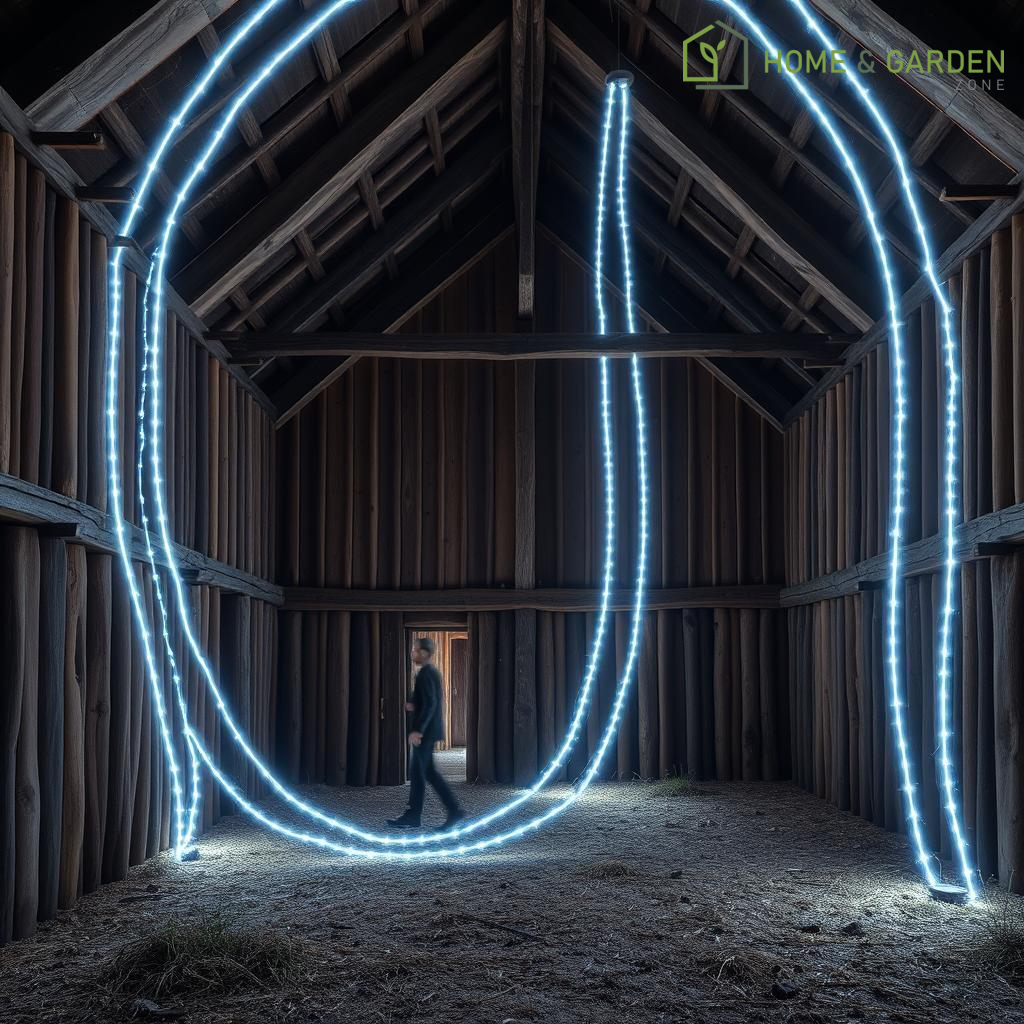
A Rural Structure Reimagined: Betak's Luminous Intervention
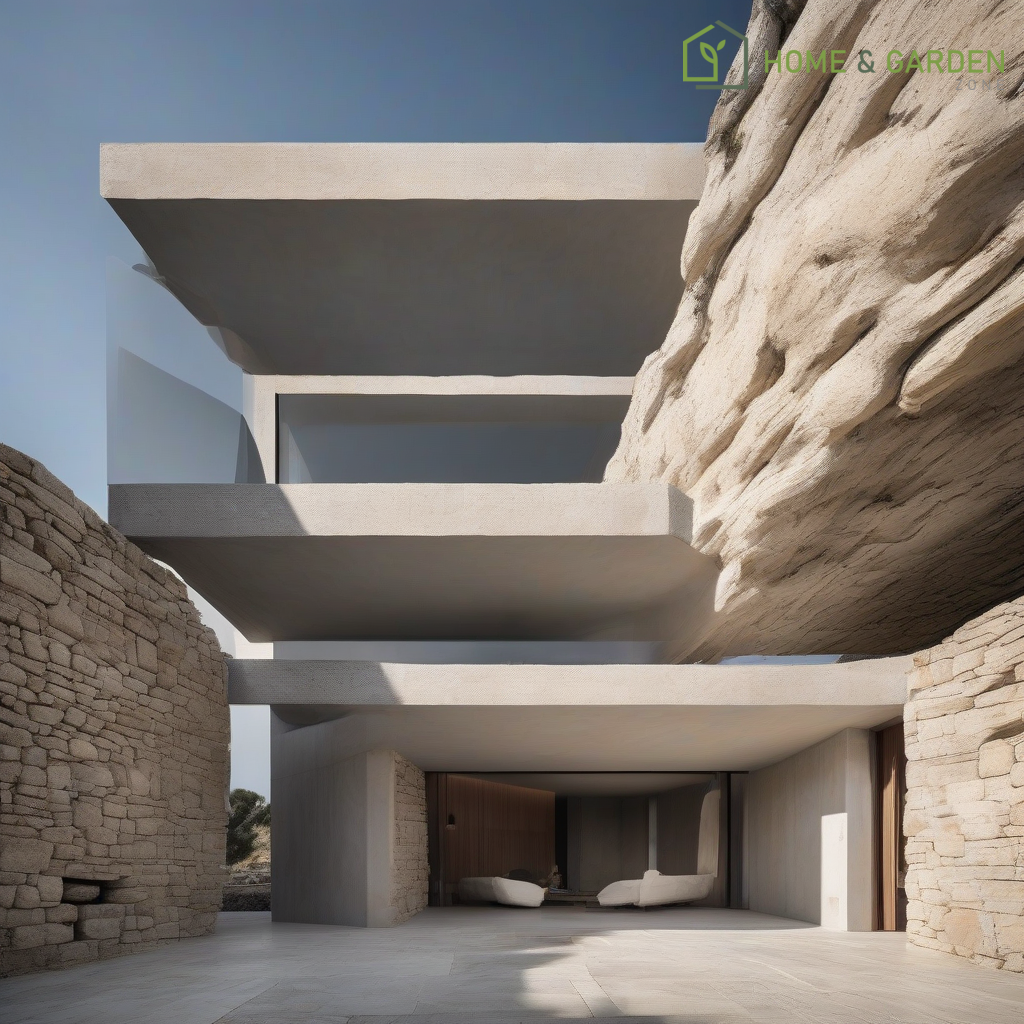
Alexandre de Betak, a name synonymous with high-impact design and experiential events, has once again pushed the boundaries of perception with his latest installation. Situated within the unassuming confines of a traditional Swiss barn, Betak's work introduces a dynamic interplay of light and reflection, fundamentally altering the viewer's spatial understanding of the rustic architecture. This project moves beyond mere ornamentation, acting as an acute observation of the inherent qualities of the rural structure, which are then amplified and revealed.
The installation, characterized by its reflective surfaces and strategic illumination, functions not by imposing new forms but by drawing out and accentuating the spatial conditions already latent within the barn. Through precise placement, Betak crafts an environment where the existing timber beams, aged textures, and volumetric voids are engaged in a dialogue with mirrored elements. These elements capture and refract light, scattering it across surfaces and into hidden corners, thereby dissolving and redefining the physical boundaries of the space.
The Art of Revelation: Unveiling Latent Conditions
Betak's approach is less about creating an entirely new visual spectacle and more about an act of revelation. By introducing reflective light, he encourages a deeper engagement with the barn's architectural nuances. The traditional structure, often taken for granted in its utilitarian beauty, becomes a stage for an intricate play of light and shadow, depth and illusion. Visitors are invited to experience the barn not just as a static building but as a fluid, perceptual environment where light itself becomes a tangible architectural element. This transformation turns the functional space into a contemplative arena, challenging conventional notions of heritage and contemporary art.
Impact and Interpretation
The installation offers a powerful commentary on how subtle interventions can dramatically reshape our interaction with established spaces. It highlights the potential for art to peel back layers of familiarity, exposing new perspectives within the most traditional settings. Betak’s work in the Swiss barn is a testament to his ability to blend minimalist aesthetics with profound conceptual depth, creating an experience that is both visually stunning and intellectually stimulating. The project reinforces the idea that art can serve as a lens, sharpening our focus on the intrinsic beauty and untapped potential of existing environments.
Summary
Alexandre de Betak's reflective light installation within a traditional Swiss barn serves as a compelling example of artistic intervention that honors and transforms its environment. By utilizing light and reflection, Betak skillfully reveals the inherent spatial conditions of the rustic structure, converting it into a dynamic perceptual experience. The project stands as a sophisticated exploration of how subtle yet deliberate design can unlock new dimensions of appreciation for architectural heritage, making the familiar unfamiliar and profoundly engaging.
Resources
Details
Author



Latest articles




 }})
You can now watch HBO Max for $10
A Rural Structure Reimagined: Betak's Luminous Intervention
Alexandre de Betak, a name synonymous with high-impact design and experiential events, has once again pushed the boundaries of perception with his latest installation. Situated within the unassuming confines of a traditional Swiss barn, Betak's work introduces a dynamic interplay of light and reflection, fundamentally altering the viewer's spatial understanding of the rustic architecture. This project moves beyond mere ornamentation, acting as an acute observation of the inherent qualities of the rural structure, which are then amplified and revealed.
The installation, characterized by its reflective surfaces and strategic illumination, functions not by imposing new forms but by drawing out and accentuating the spatial conditions already latent within the barn. Through precise placement, Betak crafts an environment where the existing timber beams, aged textures, and volumetric voids are engaged in a dialogue with mirrored elements. These elements capture and refract light, scattering it across surfaces and into hidden corners, thereby dissolving and redefining the physical boundaries of the space.
The Art of Revelation: Unveiling Latent Conditions
Betak's approach is less about creating an entirely new visual spectacle and more about an act of revelation. By introducing reflective light, he encourages a deeper engagement with the barn's architectural nuances. The traditional structure, often taken for granted in its utilitarian beauty, becomes a stage for an intricate play of light and shadow, depth and illusion. Visitors are invited to experience the barn not just as a static building but as a fluid, perceptual environment where light itself becomes a tangible architectural element. This transformation turns the functional space into a contemplative arena, challenging conventional notions of heritage and contemporary art.
Impact and Interpretation
The installation offers a powerful commentary on how subtle interventions can dramatically reshape our interaction with established spaces. It highlights the potential for art to peel back layers of familiarity, exposing new perspectives within the most traditional settings. Betak’s work in the Swiss barn is a testament to his ability to blend minimalist aesthetics with profound conceptual depth, creating an experience that is both visually stunning and intellectually stimulating. The project reinforces the idea that art can serve as a lens, sharpening our focus on the intrinsic beauty and untapped potential of existing environments.
Summary
Alexandre de Betak's reflective light installation within a traditional Swiss barn serves as a compelling example of artistic intervention that honors and transforms its environment. By utilizing light and reflection, Betak skillfully reveals the inherent spatial conditions of the rustic structure, converting it into a dynamic perceptual experience. The project stands as a sophisticated exploration of how subtle yet deliberate design can unlock new dimensions of appreciation for architectural heritage, making the familiar unfamiliar and profoundly engaging.
Resources
Latest articles
You can now watch HBO Max for $10
Similar posts

This is a page that only logged-in people can visit. Don't you feel special? Try clicking on a button below to do some things you can't do when you're logged out.
Example modal
At your leisure, please peruse this excerpt from a whale of a tale.
Chapter 1: Loomings.
Call me Ishmael. Some years ago—never mind how long precisely—having little or no money in my purse, and nothing particular to interest me on shore, I thought I would sail about a little and see the watery part of the world. It is a way I have of driving off the spleen and regulating the circulation. Whenever I find myself growing grim about the mouth; whenever it is a damp, drizzly November in my soul; whenever I find myself involuntarily pausing before coffin warehouses, and bringing up the rear of every funeral I meet; and especially whenever my hypos get such an upper hand of me, that it requires a strong moral principle to prevent me from deliberately stepping into the street, and methodically knocking people's hats off—then, I account it high time to get to sea as soon as I can. This is my substitute for pistol and ball. With a philosophical flourish Cato throws himself upon his sword; I quietly take to the ship. There is nothing surprising in this. If they but knew it, almost all men in their degree, some time or other, cherish very nearly the same feelings towards the ocean with me.
Comment