Beyond Modernism: Forging a Global Design Language Rooted in Cultural Synthesis
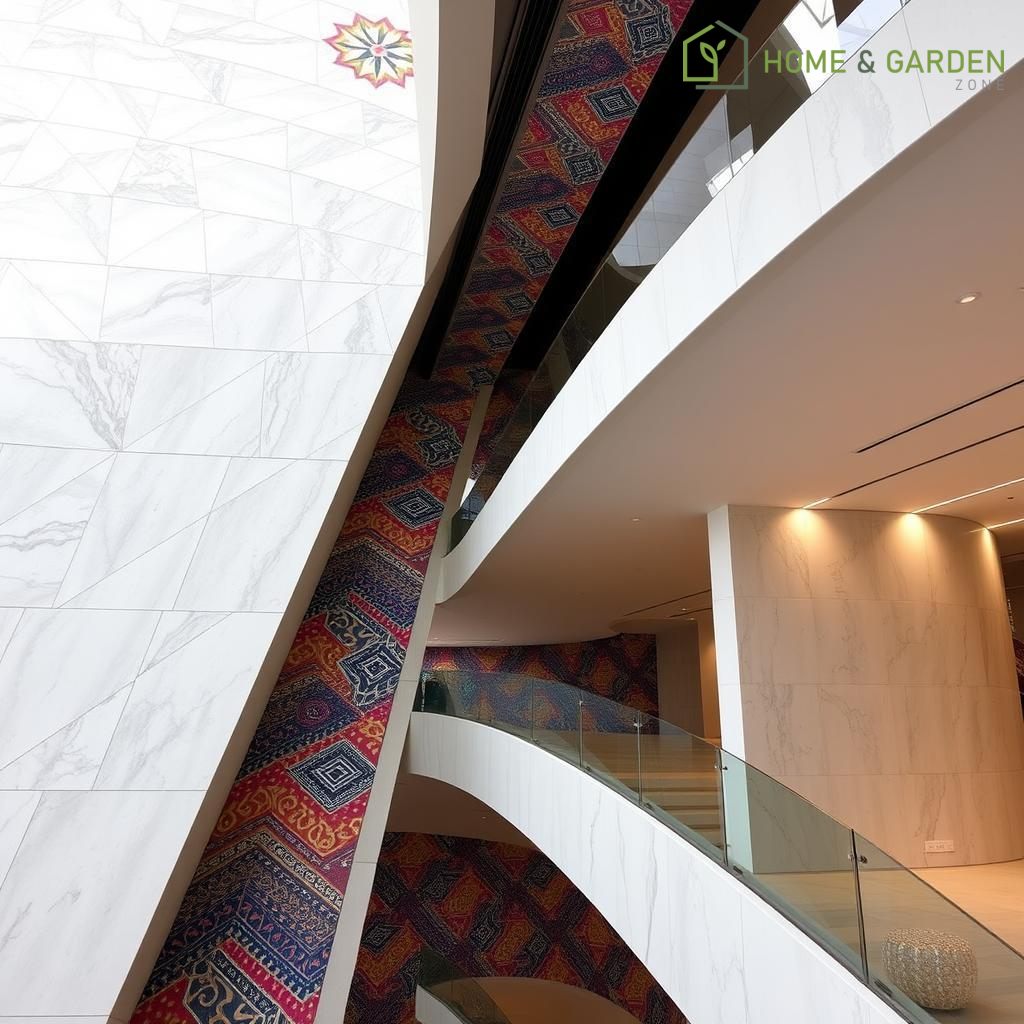
A profound generational evolution is underway, fundamentally rewriting the foundational principles of contemporary design and architecture. This epochal shift marks the definitive conclusion of an era where practitioners across the globe often found themselves constrained by, or merely mimicking, the tenets of Western modernism. The conversation has moved beyond simple imitation to a deep exploration of identity, context, and the rich tapestry of human experience.
The Paradigm Shift: From Uniformity to Identity
For decades, the clean lines, functionalism, and universalist aspirations of modernism served as a global benchmark. While its influence was transformative, its often-unwavering adherence to a singular aesthetic occasionally overlooked the diverse cultural narratives and unique environmental demands of various regions. The advent of an increasingly interconnected world, coupled with a renewed focus on local identity and sustainable practices, has fostered a critical re-evaluation of this dominant paradigm.
Today, designers are not just responding to functional briefs; they are acting as cultural interlocutors, translating complex societal histories, indigenous craft traditions, and contemporary aspirations into tangible forms. This move signifies a maturation of the design discourse, acknowledging that true innovation often springs from specificity, not universalism.
Weaving Cultural Threads: A New Aesthetic Vocabulary
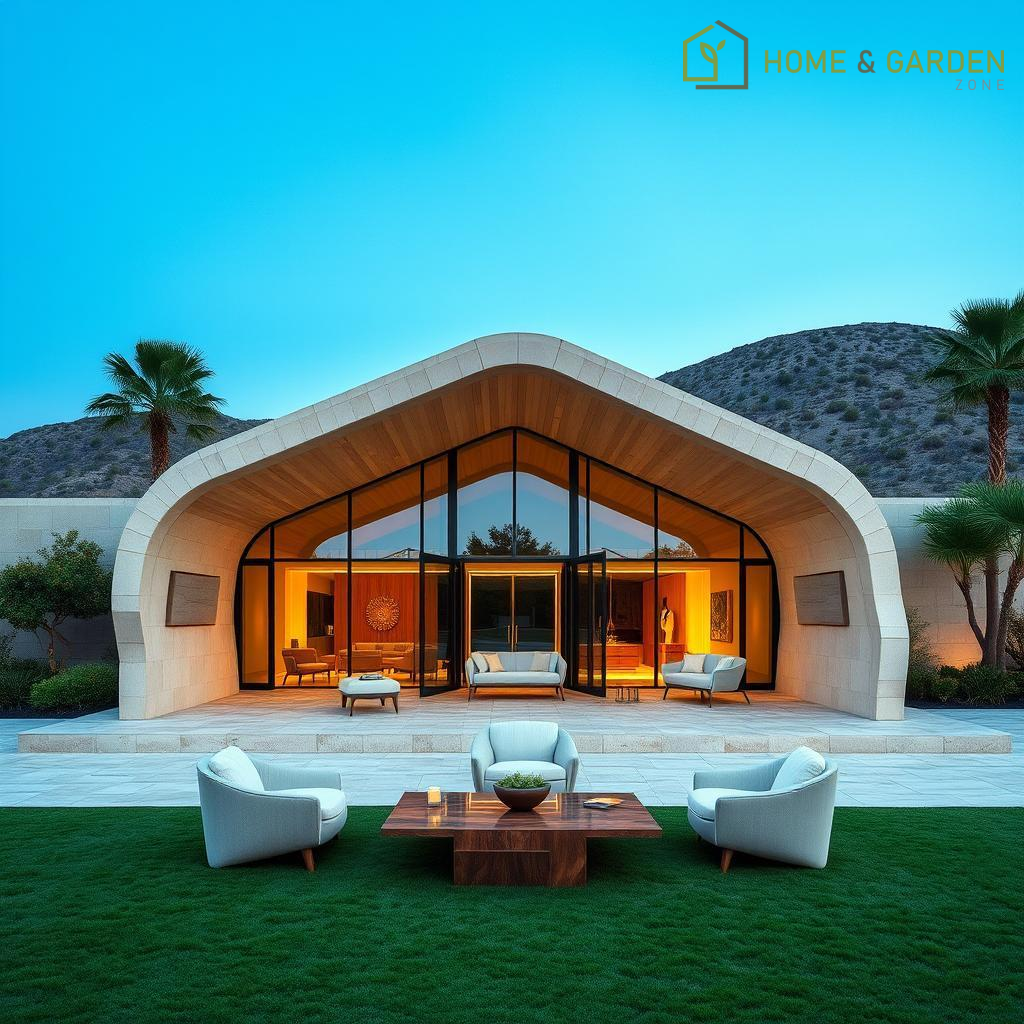
The essence of this new design language lies in its ability to seamlessly weave together disparate cultural threads. This is far more than a superficial application of motifs; it involves a profound understanding and integration of material intelligence, spatial philosophies, and symbolic meanings from various heritage backgrounds. For instance, an architect might blend a deep appreciation for local timber joinery techniques with advanced computational design, or a product designer might reinterpret ancestral weaving patterns using contemporary fabrication methods.
This confluence yields designs that are not only visually compelling but also resonate deeply with their intended audiences and contexts. It is about creating spaces and objects that feel authentic, telling stories that are both global in their appeal and rooted in specific cultural narratives. The result is a vibrant, polymorphic aesthetic that challenges established norms and celebrates diversity.
Realizing the Dream: Design as Cultural Dialogue
The shift represents a move towards design as a form of cultural dialogue, a dynamic exchange where influences flow in multiple directions. It acknowledges the expertise and perspectives from non-Western traditions, giving rise to truly hybrid forms that defy easy categorization. From the intricate geometries found in Islamic art informing contemporary architectural facades, to the minimalist principles of Japanese aesthetics being reinterpreted through Scandinavian sensibilities, the boundaries are blurring, leading to richer, more nuanced expressions.
This generational evolution empowers designers to transcend historical hegemonies and craft a future where design is truly reflective of humanity's collective creativity and diverse cultural heritage. It is a powerful affirmation that the most compelling design emerges when it embraces, rather than shies away from, the complexity of our interconnected world.
Summary
The contemporary design landscape is undergoing a profound transformation, moving beyond the confines of Western modernism to embrace a rich confluence of global cultures. This paradigm shift emphasizes cultural identity, local context, and the synthesis of diverse aesthetic and material traditions. The result is a new, vibrant design language that is authentic, resonant, and truly reflective of a globalized yet distinct human experience, marking an exciting future for architecture and design worldwide.
Resources
- Dezeen: Leading online architecture and design magazine exploring global trends.
- ArchDaily: Renowned architecture website showcasing projects and news from around the world.
- Vitra Design Museum: An institution dedicated to the research and presentation of design and architecture, often highlighting cultural influences.
Details
Author


Latest articles



 }})
You can now watch HBO Max for $10
A profound generational evolution is underway, fundamentally rewriting the foundational principles of contemporary design and architecture. This epochal shift marks the definitive conclusion of an era where practitioners across the globe often found themselves constrained by, or merely mimicking, the tenets of Western modernism. The conversation has moved beyond simple imitation to a deep exploration of identity, context, and the rich tapestry of human experience.
The Paradigm Shift: From Uniformity to Identity
For decades, the clean lines, functionalism, and universalist aspirations of modernism served as a global benchmark. While its influence was transformative, its often-unwavering adherence to a singular aesthetic occasionally overlooked the diverse cultural narratives and unique environmental demands of various regions. The advent of an increasingly interconnected world, coupled with a renewed focus on local identity and sustainable practices, has fostered a critical re-evaluation of this dominant paradigm.
Today, designers are not just responding to functional briefs; they are acting as cultural interlocutors, translating complex societal histories, indigenous craft traditions, and contemporary aspirations into tangible forms. This move signifies a maturation of the design discourse, acknowledging that true innovation often springs from specificity, not universalism.
Weaving Cultural Threads: A New Aesthetic Vocabulary
The essence of this new design language lies in its ability to seamlessly weave together disparate cultural threads. This is far more than a superficial application of motifs; it involves a profound understanding and integration of material intelligence, spatial philosophies, and symbolic meanings from various heritage backgrounds. For instance, an architect might blend a deep appreciation for local timber joinery techniques with advanced computational design, or a product designer might reinterpret ancestral weaving patterns using contemporary fabrication methods.
This confluence yields designs that are not only visually compelling but also resonate deeply with their intended audiences and contexts. It is about creating spaces and objects that feel authentic, telling stories that are both global in their appeal and rooted in specific cultural narratives. The result is a vibrant, polymorphic aesthetic that challenges established norms and celebrates diversity.
Realizing the Dream: Design as Cultural Dialogue
The shift represents a move towards design as a form of cultural dialogue, a dynamic exchange where influences flow in multiple directions. It acknowledges the expertise and perspectives from non-Western traditions, giving rise to truly hybrid forms that defy easy categorization. From the intricate geometries found in Islamic art informing contemporary architectural facades, to the minimalist principles of Japanese aesthetics being reinterpreted through Scandinavian sensibilities, the boundaries are blurring, leading to richer, more nuanced expressions.
This generational evolution empowers designers to transcend historical hegemonies and craft a future where design is truly reflective of humanity's collective creativity and diverse cultural heritage. It is a powerful affirmation that the most compelling design emerges when it embraces, rather than shies away from, the complexity of our interconnected world.
Summary
The contemporary design landscape is undergoing a profound transformation, moving beyond the confines of Western modernism to embrace a rich confluence of global cultures. This paradigm shift emphasizes cultural identity, local context, and the synthesis of diverse aesthetic and material traditions. The result is a new, vibrant design language that is authentic, resonant, and truly reflective of a globalized yet distinct human experience, marking an exciting future for architecture and design worldwide.
Resources
- Dezeen: Leading online architecture and design magazine exploring global trends.
- ArchDaily: Renowned architecture website showcasing projects and news from around the world.
- Vitra Design Museum: An institution dedicated to the research and presentation of design and architecture, often highlighting cultural influences.
Latest articles
You can now watch HBO Max for $10
Similar posts
This is a page that only logged-in people can visit. Don't you feel special? Try clicking on a button below to do some things you can't do when you're logged out.
Example modal
At your leisure, please peruse this excerpt from a whale of a tale.
Chapter 1: Loomings.
Call me Ishmael. Some years ago—never mind how long precisely—having little or no money in my purse, and nothing particular to interest me on shore, I thought I would sail about a little and see the watery part of the world. It is a way I have of driving off the spleen and regulating the circulation. Whenever I find myself growing grim about the mouth; whenever it is a damp, drizzly November in my soul; whenever I find myself involuntarily pausing before coffin warehouses, and bringing up the rear of every funeral I meet; and especially whenever my hypos get such an upper hand of me, that it requires a strong moral principle to prevent me from deliberately stepping into the street, and methodically knocking people's hats off—then, I account it high time to get to sea as soon as I can. This is my substitute for pistol and ball. With a philosophical flourish Cato throws himself upon his sword; I quietly take to the ship. There is nothing surprising in this. If they but knew it, almost all men in their degree, some time or other, cherish very nearly the same feelings towards the ocean with me.
Comment