Unearthing Elegance: A Deep Dive into the Finest Miniature Daffodils for Discerning Gardens
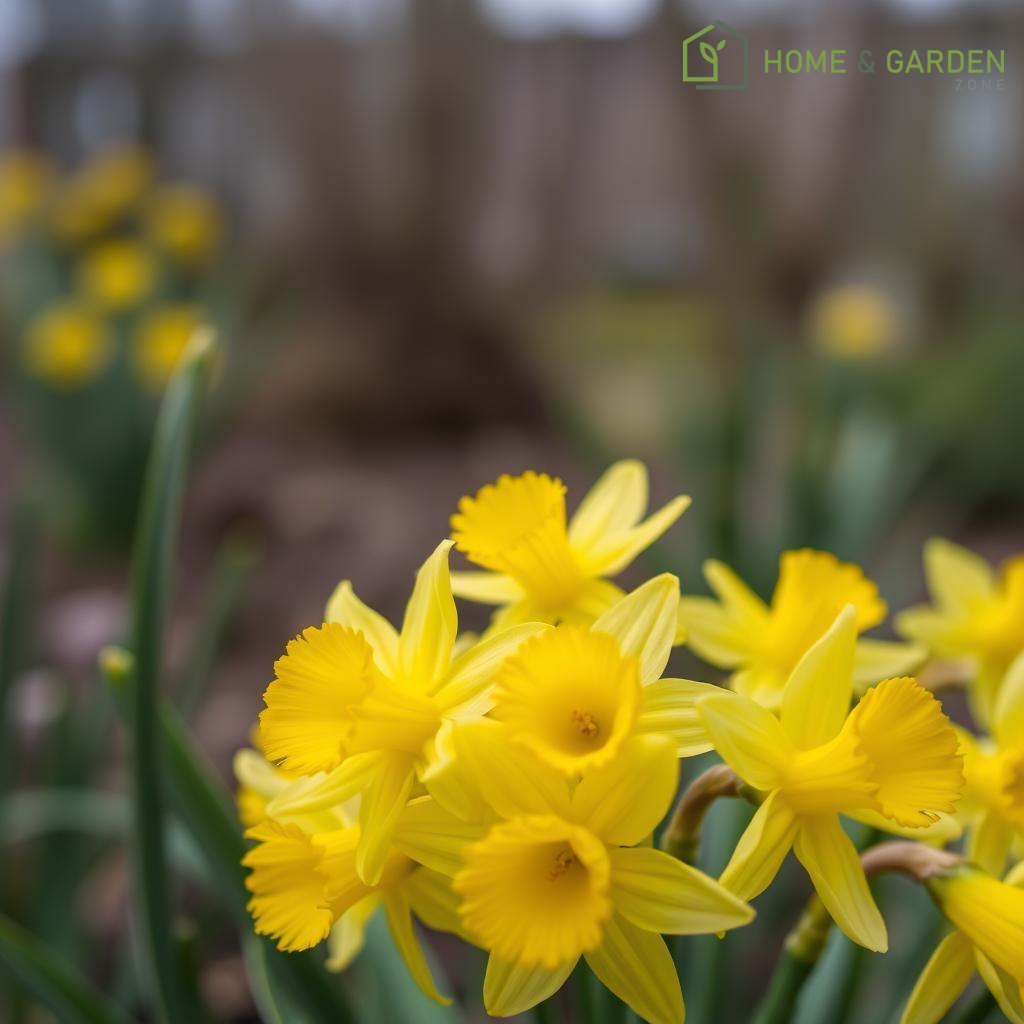
As winter's grip loosens, the delicate heralds of spring, miniature daffodils, emerge with an understated grandeur that belies their diminutive stature. Far from mere smaller versions of their larger cousins, these compact floral jewels offer an unparalleled charm, versatility, and resilience, making them a coveted choice for both seasoned horticulturists and nascent gardeners. Our investigation into the best miniature daffodils reveals a world of meticulous breeding and natural selection, culminating in varieties that deliver maximum impact in minimal space.
The Quintessential Miniature Daffodil Defined
Miniature daffodils, typically defined as those growing no taller than 13 inches (33 cm), are not simply small; they possess a distinct elegance and proportion. Their compact form makes them ideal for a multitude of garden applications, from the intimate confines of rock gardens and containers to the vibrant edges of borders and naturalized drifts beneath deciduous trees. The appeal lies in their ability to deliver prolific blooms and robust performance, often with multiple flowers per stem, creating a stunning visual density.
Leading Varieties: A Connoisseur's Selection
Through extensive cultivation and rigorous evaluation, several miniature daffodil varieties consistently distinguish themselves for their beauty, vigor, and garden-worthiness. Our analysis highlights those that epitomize horticultural excellence:
- 'Tête-à-Tête' (Cyclamineus Daffodil): Arguably the most popular and widely recognized miniature, 'Tête-à-Tête' is a true marvel. Its bright golden-yellow trumpets with reflexed petals appear exceptionally early, often in clusters of two or three per stem. Its dependable nature and cheerful disposition make it indispensable for early spring cheer.
- 'Jetfire' (Cyclamineus Daffodil): A striking variety, 'Jetfire' commands attention with its vibrant orange trumpet that stands in stark contrast against bright yellow, swept-back petals. It offers a fiery burst of color, emerging slightly later than 'Tête-à-Tête', extending the miniature daffodil season.
- 'Minnow' (Tazetta Daffodil): For those seeking fragrance and a delicate aesthetic, 'Minnow' is an exquisite choice. Producing multiple creamy-white flowers with small, pale yellow cups on each stem, it exudes a sweet perfume, perfect for planting near pathways or windows.
- 'Hawera' (Triandrus Daffodil): Renowned for its ethereal beauty, 'Hawera' features a cluster of delicate, pale lemon-yellow, bell-shaped flowers with graceful, slightly pendulous blooms. Its airy appearance makes it superb for naturalizing in grass or complementing more robust spring flowers.
- 'Narcissus bulbocodium' (Hoop Petticoat Daffodil): While a species daffodil, N. bulbocodium and its cultivars are often grouped with miniatures due to their small size and unique form. Its distinctive, wide-flaring, hoop-shaped trumpet and minimal petals create a captivating, almost otherworldly presence, particularly enchanting when massed.
Cultivation: Nurturing Miniature Magnificence
Cultivating miniature daffodils is largely straightforward, reflecting the general resilience of the Narcissus genus. To ensure optimal performance and a spectacular spring display, consider the following:
- Siting: Plant in full sun to partial shade. While they tolerate some shade, ample sunlight promotes robust flowering.
- Soil: Well-drained soil is paramount. Daffodils are intolerant of wet feet, which can lead to bulb rot. Amend heavy clay soils with organic matter to improve drainage.
- Planting: Bulbs should be planted in the autumn, typically 4-6 inches deep and 3-4 inches apart, depending on the variety's mature size.
- Watering: Water thoroughly after planting. During active growth in spring, ensure consistent moisture, especially during dry spells. Once foliage begins to yellow post-bloom, reduce watering.
- Post-Bloom Care: Allow the foliage to die back naturally. This crucial period enables the bulb to photosynthesize and store energy for the following year's blooms. Resist the urge to cut back green leaves prematurely.
Summary
The allure of miniature daffodils lies in their extraordinary ability to deliver significant horticultural impact within a compact form. From the sunny disposition of 'Tête-à-Tête' to the refined elegance of 'Hawera' and the unique charm of N. bulbocodium, these resilient bulbs offer an accessible pathway to enhancing early spring landscapes. Their minimal care requirements combined with their enduring beauty ensure they remain a cornerstone of sophisticated garden design, proving that indeed, the most profound beauty often comes in the smallest packages.
Resources
Details
Author



Latest articles




 }})
You can now watch HBO Max for $10
As winter's grip loosens, the delicate heralds of spring, miniature daffodils, emerge with an understated grandeur that belies their diminutive stature. Far from mere smaller versions of their larger cousins, these compact floral jewels offer an unparalleled charm, versatility, and resilience, making them a coveted choice for both seasoned horticulturists and nascent gardeners. Our investigation into the best miniature daffodils reveals a world of meticulous breeding and natural selection, culminating in varieties that deliver maximum impact in minimal space.
The Quintessential Miniature Daffodil Defined
Miniature daffodils, typically defined as those growing no taller than 13 inches (33 cm), are not simply small; they possess a distinct elegance and proportion. Their compact form makes them ideal for a multitude of garden applications, from the intimate confines of rock gardens and containers to the vibrant edges of borders and naturalized drifts beneath deciduous trees. The appeal lies in their ability to deliver prolific blooms and robust performance, often with multiple flowers per stem, creating a stunning visual density.
Leading Varieties: A Connoisseur's Selection
Through extensive cultivation and rigorous evaluation, several miniature daffodil varieties consistently distinguish themselves for their beauty, vigor, and garden-worthiness. Our analysis highlights those that epitomize horticultural excellence:
- 'Tête-à-Tête' (Cyclamineus Daffodil): Arguably the most popular and widely recognized miniature, 'Tête-à-Tête' is a true marvel. Its bright golden-yellow trumpets with reflexed petals appear exceptionally early, often in clusters of two or three per stem. Its dependable nature and cheerful disposition make it indispensable for early spring cheer.
- 'Jetfire' (Cyclamineus Daffodil): A striking variety, 'Jetfire' commands attention with its vibrant orange trumpet that stands in stark contrast against bright yellow, swept-back petals. It offers a fiery burst of color, emerging slightly later than 'Tête-à-Tête', extending the miniature daffodil season.
- 'Minnow' (Tazetta Daffodil): For those seeking fragrance and a delicate aesthetic, 'Minnow' is an exquisite choice. Producing multiple creamy-white flowers with small, pale yellow cups on each stem, it exudes a sweet perfume, perfect for planting near pathways or windows.
- 'Hawera' (Triandrus Daffodil): Renowned for its ethereal beauty, 'Hawera' features a cluster of delicate, pale lemon-yellow, bell-shaped flowers with graceful, slightly pendulous blooms. Its airy appearance makes it superb for naturalizing in grass or complementing more robust spring flowers.
- 'Narcissus bulbocodium' (Hoop Petticoat Daffodil): While a species daffodil, N. bulbocodium and its cultivars are often grouped with miniatures due to their small size and unique form. Its distinctive, wide-flaring, hoop-shaped trumpet and minimal petals create a captivating, almost otherworldly presence, particularly enchanting when massed.
Cultivation: Nurturing Miniature Magnificence
Cultivating miniature daffodils is largely straightforward, reflecting the general resilience of the Narcissus genus. To ensure optimal performance and a spectacular spring display, consider the following:
- Siting: Plant in full sun to partial shade. While they tolerate some shade, ample sunlight promotes robust flowering.
- Soil: Well-drained soil is paramount. Daffodils are intolerant of wet feet, which can lead to bulb rot. Amend heavy clay soils with organic matter to improve drainage.
- Planting: Bulbs should be planted in the autumn, typically 4-6 inches deep and 3-4 inches apart, depending on the variety's mature size.
- Watering: Water thoroughly after planting. During active growth in spring, ensure consistent moisture, especially during dry spells. Once foliage begins to yellow post-bloom, reduce watering.
- Post-Bloom Care: Allow the foliage to die back naturally. This crucial period enables the bulb to photosynthesize and store energy for the following year's blooms. Resist the urge to cut back green leaves prematurely.
Summary
The allure of miniature daffodils lies in their extraordinary ability to deliver significant horticultural impact within a compact form. From the sunny disposition of 'Tête-à-Tête' to the refined elegance of 'Hawera' and the unique charm of N. bulbocodium, these resilient bulbs offer an accessible pathway to enhancing early spring landscapes. Their minimal care requirements combined with their enduring beauty ensure they remain a cornerstone of sophisticated garden design, proving that indeed, the most profound beauty often comes in the smallest packages.
Resources
Latest articles
You can now watch HBO Max for $10
Similar posts

This is a page that only logged-in people can visit. Don't you feel special? Try clicking on a button below to do some things you can't do when you're logged out.
Example modal
At your leisure, please peruse this excerpt from a whale of a tale.
Chapter 1: Loomings.
Call me Ishmael. Some years ago—never mind how long precisely—having little or no money in my purse, and nothing particular to interest me on shore, I thought I would sail about a little and see the watery part of the world. It is a way I have of driving off the spleen and regulating the circulation. Whenever I find myself growing grim about the mouth; whenever it is a damp, drizzly November in my soul; whenever I find myself involuntarily pausing before coffin warehouses, and bringing up the rear of every funeral I meet; and especially whenever my hypos get such an upper hand of me, that it requires a strong moral principle to prevent me from deliberately stepping into the street, and methodically knocking people's hats off—then, I account it high time to get to sea as soon as I can. This is my substitute for pistol and ball. With a philosophical flourish Cato throws himself upon his sword; I quietly take to the ship. There is nothing surprising in this. If they but knew it, almost all men in their degree, some time or other, cherish very nearly the same feelings towards the ocean with me.
Comment