Beyond Dogma: Reaffirming The Gardener's Voice in the Ecological Discourse
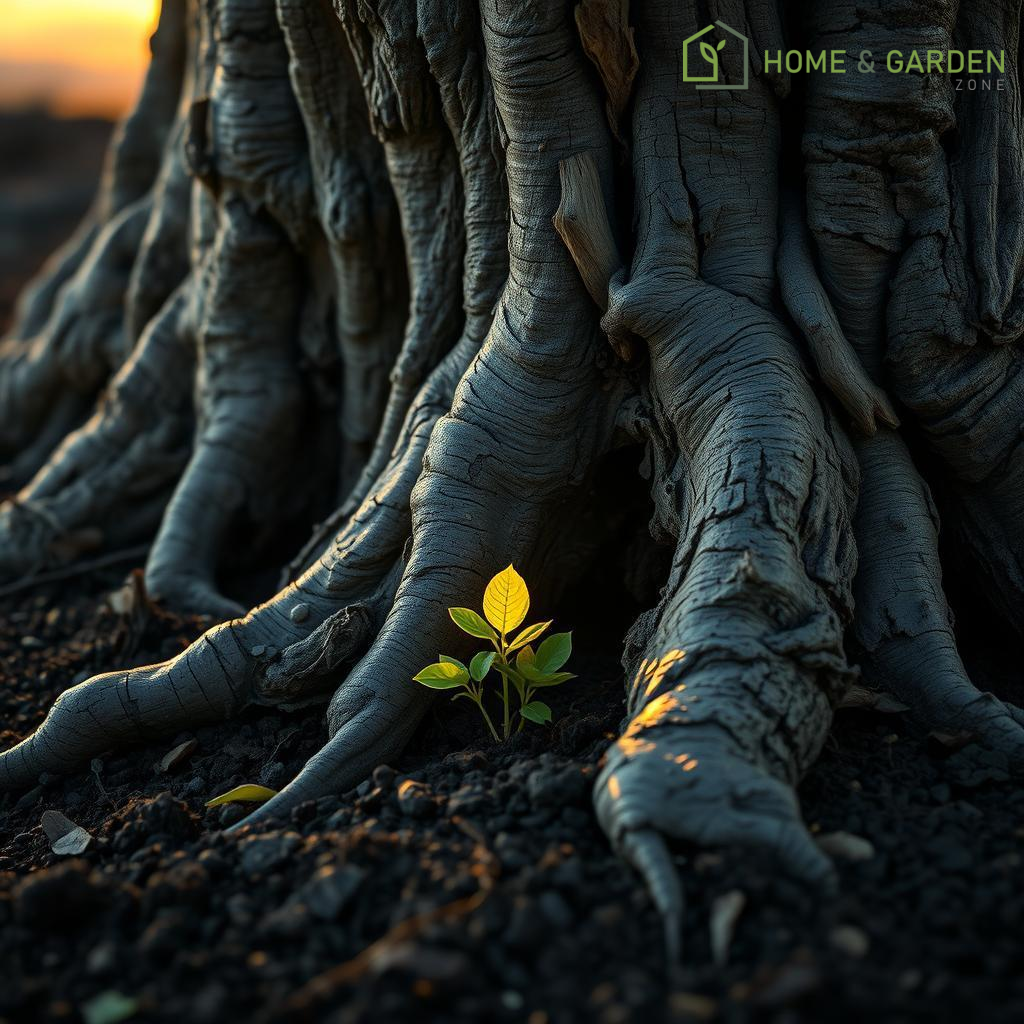
The contemporary discourse surrounding ecological gardening, while crucial and well-intentioned, often overlooks a critical perspective: the gardener’s own voice. This is not a new observation, but a growing concern that quiet, deeply knowledgeable insights are being reframed or dismissed. The issue is multifaceted, demanding a thoughtful discussion that acknowledges the complexity inherent in cultivating our shared green spaces.
The Silent Wisdom of the Soil
Ecological gardening, at its core, advocates for practices that enhance biodiversity, promote soil health, conserve resources, and create resilient ecosystems. It champions native plants, discourages chemical inputs, and encourages habitat creation for wildlife. These principles are undeniably vital for addressing environmental challenges. However, the path to implementation has, at times, become rigid, almost dogmatic, in its interpretation.
The experienced gardener, often through decades of direct engagement with the land, develops an intimate understanding that transcends mere theoretical knowledge. This wisdom is forged in countless hours of observation—the subtle shifts in a plant’s health due to a change in wind direction, the nuanced requirements of a specific microclimate, or the intricate web of life observed season after season. It is a form of embodied knowledge, rooted in intuition and accumulated experience, which often resists easy categorization or quantification.
Ecological Imperatives vs. Practical Realities
The tension arises when broad ecological mandates clash with the specific, often messy, realities of a given garden or landscape. A blanket recommendation for native-only planting, while ecologically sound in principle, may overlook the historical context of a garden, the aesthetic desires of its stewards, or the practical limitations of sourcing specific indigenous species in certain regions. Similarly, advocating for "rewilding" can sometimes inadvertently dismiss the art and labor involved in maintaining cultivated beauty, which also holds intrinsic value for human well-being and connection to nature.
The Erosion of the Experiential Voice
In the push towards strictly scientific or conservationist frameworks, the voices of those who "get their hands dirty" are sometimes marginalized. Practical experience is occasionally relegated to anecdotal evidence, considered secondary to peer-reviewed studies or grand ecological models. This creates a chasm where invaluable, on-the-ground insights are either ignored or reframed to fit a predetermined narrative, stripping gardening of its personal, artistic, and deeply human dimensions. The nuance of how a garden functions not just as an ecosystem, but also as a sanctuary, a food source, or a place of solace, can be lost.
Cultivating a Holistic Perspective
A truly robust and sustainable approach to gardening must integrate both scientific understanding and the profound wisdom gleaned from practical experience. It requires a willingness to listen to the "gentler and more knowledgeable" voices who understand that ecological principles are best applied with flexibility, regional specificity, and an appreciation for the myriad ways humans interact with their environment. This means acknowledging that a garden is a dynamic interplay of natural forces, human intention, and evolving relationships.
Conclusion: A Call for Inclusive Dialogue
The defense of the gardener’s voice is not a rejection of ecological science, but rather an urgent plea for its thoughtful and inclusive application. It is a call to bridge the gap between academic theory and practical horticulture, fostering a dialogue where all perspectives are valued. By embracing the full spectrum of knowledge – from scientific research to the quiet, intuitive wisdom of those who tend the soil daily – we can cultivate not only more ecologically sound landscapes but also richer, more meaningful connections with the natural world. Only through such meaningful discussion can we forge truly resilient, beautiful, and sustainable futures for our gardens and beyond.
Resources
- The Royal Horticultural Society (RHS): A leading UK gardening charity, providing science-based advice, promoting horticulture and offering practical guidance.
- University Extension Programs (e.g., various U.S. State University Cooperative Extensions): Offer locally relevant, research-backed horticultural information, bridging academic science with community needs.
- The American Horticultural Society (AHS): Promotes excellence in horticulture through education, appreciation, and advocacy for plants and gardens.
Details
Author




Latest articles





 }})
You can now watch HBO Max for $10
The contemporary discourse surrounding ecological gardening, while crucial and well-intentioned, often overlooks a critical perspective: the gardener’s own voice. This is not a new observation, but a growing concern that quiet, deeply knowledgeable insights are being reframed or dismissed. The issue is multifaceted, demanding a thoughtful discussion that acknowledges the complexity inherent in cultivating our shared green spaces.
The Silent Wisdom of the Soil
Ecological gardening, at its core, advocates for practices that enhance biodiversity, promote soil health, conserve resources, and create resilient ecosystems. It champions native plants, discourages chemical inputs, and encourages habitat creation for wildlife. These principles are undeniably vital for addressing environmental challenges. However, the path to implementation has, at times, become rigid, almost dogmatic, in its interpretation.
The experienced gardener, often through decades of direct engagement with the land, develops an intimate understanding that transcends mere theoretical knowledge. This wisdom is forged in countless hours of observation—the subtle shifts in a plant’s health due to a change in wind direction, the nuanced requirements of a specific microclimate, or the intricate web of life observed season after season. It is a form of embodied knowledge, rooted in intuition and accumulated experience, which often resists easy categorization or quantification.
Ecological Imperatives vs. Practical Realities
The tension arises when broad ecological mandates clash with the specific, often messy, realities of a given garden or landscape. A blanket recommendation for native-only planting, while ecologically sound in principle, may overlook the historical context of a garden, the aesthetic desires of its stewards, or the practical limitations of sourcing specific indigenous species in certain regions. Similarly, advocating for "rewilding" can sometimes inadvertently dismiss the art and labor involved in maintaining cultivated beauty, which also holds intrinsic value for human well-being and connection to nature.
The Erosion of the Experiential Voice
In the push towards strictly scientific or conservationist frameworks, the voices of those who "get their hands dirty" are sometimes marginalized. Practical experience is occasionally relegated to anecdotal evidence, considered secondary to peer-reviewed studies or grand ecological models. This creates a chasm where invaluable, on-the-ground insights are either ignored or reframed to fit a predetermined narrative, stripping gardening of its personal, artistic, and deeply human dimensions. The nuance of how a garden functions not just as an ecosystem, but also as a sanctuary, a food source, or a place of solace, can be lost.
Cultivating a Holistic Perspective
A truly robust and sustainable approach to gardening must integrate both scientific understanding and the profound wisdom gleaned from practical experience. It requires a willingness to listen to the "gentler and more knowledgeable" voices who understand that ecological principles are best applied with flexibility, regional specificity, and an appreciation for the myriad ways humans interact with their environment. This means acknowledging that a garden is a dynamic interplay of natural forces, human intention, and evolving relationships.
Conclusion: A Call for Inclusive Dialogue
The defense of the gardener’s voice is not a rejection of ecological science, but rather an urgent plea for its thoughtful and inclusive application. It is a call to bridge the gap between academic theory and practical horticulture, fostering a dialogue where all perspectives are valued. By embracing the full spectrum of knowledge – from scientific research to the quiet, intuitive wisdom of those who tend the soil daily – we can cultivate not only more ecologically sound landscapes but also richer, more meaningful connections with the natural world. Only through such meaningful discussion can we forge truly resilient, beautiful, and sustainable futures for our gardens and beyond.
Resources
- The Royal Horticultural Society (RHS): A leading UK gardening charity, providing science-based advice, promoting horticulture and offering practical guidance.
- University Extension Programs (e.g., various U.S. State University Cooperative Extensions): Offer locally relevant, research-backed horticultural information, bridging academic science with community needs.
- The American Horticultural Society (AHS): Promotes excellence in horticulture through education, appreciation, and advocacy for plants and gardens.
Latest articles
You can now watch HBO Max for $10
Similar posts


This is a page that only logged-in people can visit. Don't you feel special? Try clicking on a button below to do some things you can't do when you're logged out.
Example modal
At your leisure, please peruse this excerpt from a whale of a tale.
Chapter 1: Loomings.
Call me Ishmael. Some years ago—never mind how long precisely—having little or no money in my purse, and nothing particular to interest me on shore, I thought I would sail about a little and see the watery part of the world. It is a way I have of driving off the spleen and regulating the circulation. Whenever I find myself growing grim about the mouth; whenever it is a damp, drizzly November in my soul; whenever I find myself involuntarily pausing before coffin warehouses, and bringing up the rear of every funeral I meet; and especially whenever my hypos get such an upper hand of me, that it requires a strong moral principle to prevent me from deliberately stepping into the street, and methodically knocking people's hats off—then, I account it high time to get to sea as soon as I can. This is my substitute for pistol and ball. With a philosophical flourish Cato throws himself upon his sword; I quietly take to the ship. There is nothing surprising in this. If they but knew it, almost all men in their degree, some time or other, cherish very nearly the same feelings towards the ocean with me.
Comment