Albania's Architectural Ascendance: Global Visionaries Shape a Nation's Creative Construction Boom
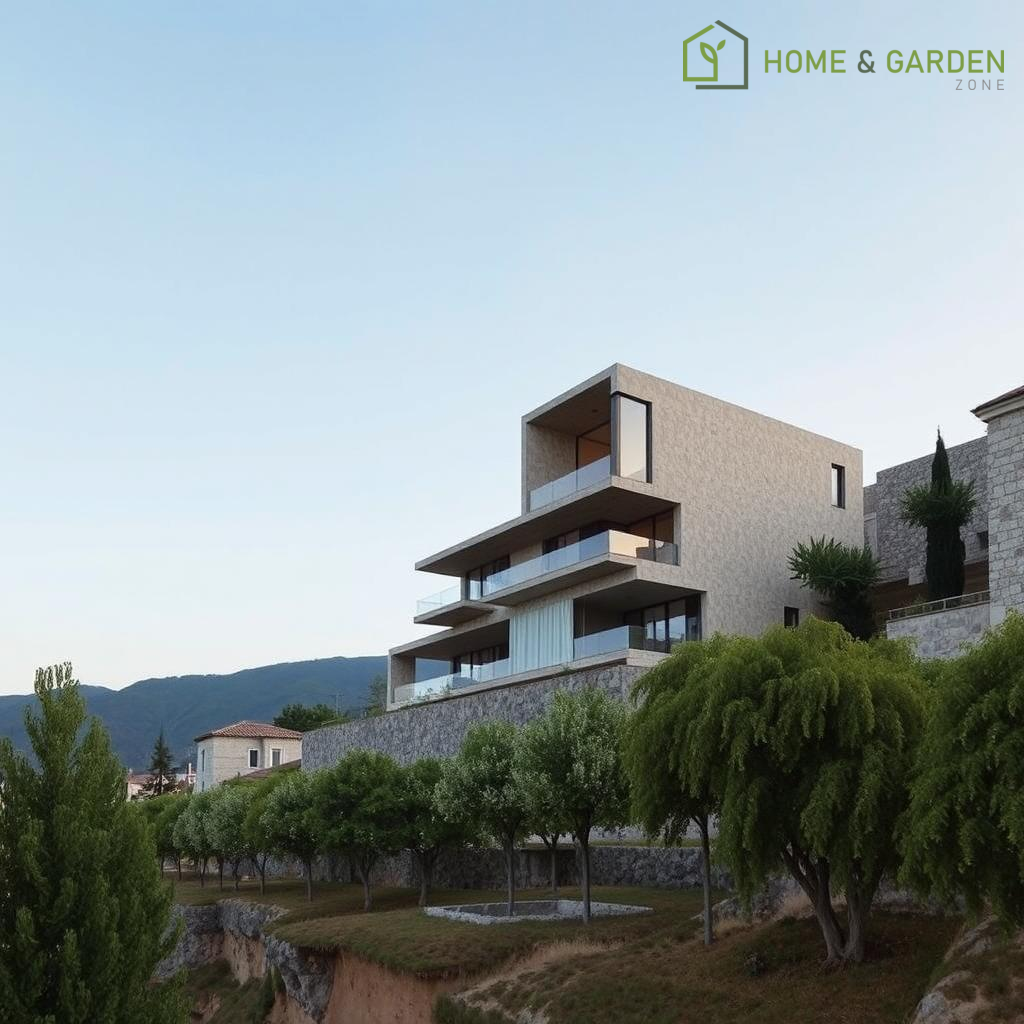
Albania, long seen through the lens of its complex past, is rapidly emerging as a vibrant canvas for architectural innovation. Its capital, Tirana, in particular, has become a dynamic urban laboratory, attracting a cohort of world-renowned architects whose collective vision is redefining the nation's skyline and public spaces. This transformative period marks a decisive break from decades of isolation, ushering in an era of bold experimentation and global collaboration in construction.
A Global Perspective on Tirana's Transformation
The current architectural renaissance in Albania is not merely about erecting new structures; it’s a strategic effort to craft a distinct identity that marries modern aspirations with a unique cultural heritage. International design heavyweights have been instrumental in this shift, offering fresh perspectives and pushing the boundaries of what’s possible in an evolving urban context.
Stefano Boeri: Vertical Greenery and Urban Visions
Italian architect Stefano Boeri, renowned for his "Vertical Forest" concepts, has been a pivotal figure in shaping Tirana's future. Through his firm, Stefano Boeri Architetti, he led the development of the Tirana 2030 masterplan. Boeri envisions Tirana as a green, polycentric city, integrating nature deeply into its urban fabric. His approach emphasizes sustainable development, expanding public green spaces, and fostering a city that breathes, demonstrating a commitment to environmental resilience and liveability within a rapidly growing urban environment.
MVRDV's Winy Maas: Playfulness and Public Engagement
Winy Maas, co-founder of the Dutch firm MVRDV, has left an indelible mark on Tirana with the radical transformation of the iconic Tirana Pyramid. Once a museum dedicated to the former dictator, Maas and his team reimagined it as a vibrant, climbable public space and an IT education hub. This project encapsulates MVRDV's philosophy of adaptive reuse, turning symbols of a bygone era into accessible, community-focused assets. Maas sees Tirana as a city ripe for playful interventions that encourage public interaction and redefine urban landmarks.
Christian Kerez: Precision and Contextual Integration
Swiss architect Christian Kerez brings a rigorous, analytical approach to his work in Albania. Known for designs that often challenge conventional forms and explore fundamental architectural principles, Kerez focuses on structural clarity and a profound engagement with context. His contributions to the Albanian landscape underscore a belief in precision and an honest expression of materials, crafting spaces that are both thoughtful and enduring, often transcending passing trends.
Beat Huesler of Oppenheim Architecture: Bridging Tradition and Modernity
Beat Huesler, representing Oppenheim Architecture, champions a design ethos deeply rooted in the surrounding environment and local culture. The firm's work often blends seamlessly with natural landscapes, using materials and forms that resonate with the site's inherent character. In Albania, this approach translates into projects that offer a contemporary interpretation of traditional building practices, respecting heritage while embracing modern architectural language, particularly in high-end resort and residential developments.
Bofill Taller de Arquitectura: Monumentality and Civic Space
The Spanish firm Bofill Taller de Arquitectura, under the leadership of Ricardo Bofill, is celebrated for its monumental and often classically inspired designs. Their involvement in Albania speaks to a vision for grand civic spaces and significant urban interventions that command presence and contribute to a strong public identity. The firm’s projects often aim to create lasting landmarks that shape the urban experience, bringing a sense of scale and ambition to Tirana's evolving cityscape.
Driving Forces and Design Philosophy
The impetus behind Albania's construction boom is multifaceted. A proactive government vision, particularly from the municipality of Tirana, has been crucial in inviting international expertise. This ambition is coupled with a desire to modernize infrastructure, accommodate rapid urbanization, and enhance the quality of life for its citizens. The prevailing design philosophy emphasizes sustainability, public accessibility, and a forward-looking aesthetic that nonetheless acknowledges Albania's unique past.
Challenges and Opportunities
While the boom signifies progress, it also presents challenges. Managing rapid development, ensuring social equity, and maintaining architectural quality amidst swift expansion are critical considerations. However, these challenges also unlock opportunities: to innovate in urban planning, to set new benchmarks for sustainable construction in the Balkans, and to establish Albania as a genuine hub for cutting-edge design and urban experimentation on a global stage.
Conclusion: A Bold New Chapter
Albania's journey, illuminated by the creative genius of global architects, is more than a construction boom; it is a profound national reimagining. Through strategic urban planning, the adaptive reuse of historical sites, and the creation of innovative public spaces, these collaborations are crafting a modern identity for Albania—one that is green, vibrant, and deeply connected to the international discourse on contemporary architecture. The nation stands as a testament to the transformative power of design, boldly stepping into a future defined by creativity and global engagement.
Resources
- Designboom | Architecture & Design Magazine
- ArchDaily
- Stefano Boeri Architetti Official Website
Details
Author


Latest articles




 }})
You can now watch HBO Max for $10
Albania, long seen through the lens of its complex past, is rapidly emerging as a vibrant canvas for architectural innovation. Its capital, Tirana, in particular, has become a dynamic urban laboratory, attracting a cohort of world-renowned architects whose collective vision is redefining the nation's skyline and public spaces. This transformative period marks a decisive break from decades of isolation, ushering in an era of bold experimentation and global collaboration in construction.
A Global Perspective on Tirana's Transformation
The current architectural renaissance in Albania is not merely about erecting new structures; it’s a strategic effort to craft a distinct identity that marries modern aspirations with a unique cultural heritage. International design heavyweights have been instrumental in this shift, offering fresh perspectives and pushing the boundaries of what’s possible in an evolving urban context.
Stefano Boeri: Vertical Greenery and Urban Visions
Italian architect Stefano Boeri, renowned for his "Vertical Forest" concepts, has been a pivotal figure in shaping Tirana's future. Through his firm, Stefano Boeri Architetti, he led the development of the Tirana 2030 masterplan. Boeri envisions Tirana as a green, polycentric city, integrating nature deeply into its urban fabric. His approach emphasizes sustainable development, expanding public green spaces, and fostering a city that breathes, demonstrating a commitment to environmental resilience and liveability within a rapidly growing urban environment.
MVRDV's Winy Maas: Playfulness and Public Engagement
Winy Maas, co-founder of the Dutch firm MVRDV, has left an indelible mark on Tirana with the radical transformation of the iconic Tirana Pyramid. Once a museum dedicated to the former dictator, Maas and his team reimagined it as a vibrant, climbable public space and an IT education hub. This project encapsulates MVRDV's philosophy of adaptive reuse, turning symbols of a bygone era into accessible, community-focused assets. Maas sees Tirana as a city ripe for playful interventions that encourage public interaction and redefine urban landmarks.
Christian Kerez: Precision and Contextual Integration
Swiss architect Christian Kerez brings a rigorous, analytical approach to his work in Albania. Known for designs that often challenge conventional forms and explore fundamental architectural principles, Kerez focuses on structural clarity and a profound engagement with context. His contributions to the Albanian landscape underscore a belief in precision and an honest expression of materials, crafting spaces that are both thoughtful and enduring, often transcending passing trends.
Beat Huesler of Oppenheim Architecture: Bridging Tradition and Modernity
Beat Huesler, representing Oppenheim Architecture, champions a design ethos deeply rooted in the surrounding environment and local culture. The firm's work often blends seamlessly with natural landscapes, using materials and forms that resonate with the site's inherent character. In Albania, this approach translates into projects that offer a contemporary interpretation of traditional building practices, respecting heritage while embracing modern architectural language, particularly in high-end resort and residential developments.
Bofill Taller de Arquitectura: Monumentality and Civic Space
The Spanish firm Bofill Taller de Arquitectura, under the leadership of Ricardo Bofill, is celebrated for its monumental and often classically inspired designs. Their involvement in Albania speaks to a vision for grand civic spaces and significant urban interventions that command presence and contribute to a strong public identity. The firm’s projects often aim to create lasting landmarks that shape the urban experience, bringing a sense of scale and ambition to Tirana's evolving cityscape.
Driving Forces and Design Philosophy
The impetus behind Albania's construction boom is multifaceted. A proactive government vision, particularly from the municipality of Tirana, has been crucial in inviting international expertise. This ambition is coupled with a desire to modernize infrastructure, accommodate rapid urbanization, and enhance the quality of life for its citizens. The prevailing design philosophy emphasizes sustainability, public accessibility, and a forward-looking aesthetic that nonetheless acknowledges Albania's unique past.
Challenges and Opportunities
While the boom signifies progress, it also presents challenges. Managing rapid development, ensuring social equity, and maintaining architectural quality amidst swift expansion are critical considerations. However, these challenges also unlock opportunities: to innovate in urban planning, to set new benchmarks for sustainable construction in the Balkans, and to establish Albania as a genuine hub for cutting-edge design and urban experimentation on a global stage.
Conclusion: A Bold New Chapter
Albania's journey, illuminated by the creative genius of global architects, is more than a construction boom; it is a profound national reimagining. Through strategic urban planning, the adaptive reuse of historical sites, and the creation of innovative public spaces, these collaborations are crafting a modern identity for Albania—one that is green, vibrant, and deeply connected to the international discourse on contemporary architecture. The nation stands as a testament to the transformative power of design, boldly stepping into a future defined by creativity and global engagement.
Resources
- Designboom | Architecture & Design Magazine
- ArchDaily
- Stefano Boeri Architetti Official Website
Latest articles
You can now watch HBO Max for $10
Similar posts


This is a page that only logged-in people can visit. Don't you feel special? Try clicking on a button below to do some things you can't do when you're logged out.
Example modal
At your leisure, please peruse this excerpt from a whale of a tale.
Chapter 1: Loomings.
Call me Ishmael. Some years ago—never mind how long precisely—having little or no money in my purse, and nothing particular to interest me on shore, I thought I would sail about a little and see the watery part of the world. It is a way I have of driving off the spleen and regulating the circulation. Whenever I find myself growing grim about the mouth; whenever it is a damp, drizzly November in my soul; whenever I find myself involuntarily pausing before coffin warehouses, and bringing up the rear of every funeral I meet; and especially whenever my hypos get such an upper hand of me, that it requires a strong moral principle to prevent me from deliberately stepping into the street, and methodically knocking people's hats off—then, I account it high time to get to sea as soon as I can. This is my substitute for pistol and ball. With a philosophical flourish Cato throws himself upon his sword; I quietly take to the ship. There is nothing surprising in this. If they but knew it, almost all men in their degree, some time or other, cherish very nearly the same feelings towards the ocean with me.
Comment