Code as Contemporary Craft: Yehwan Song’s Digital Art Questions the Nature of Innovation
Redefining Technology Through Artistic Intent
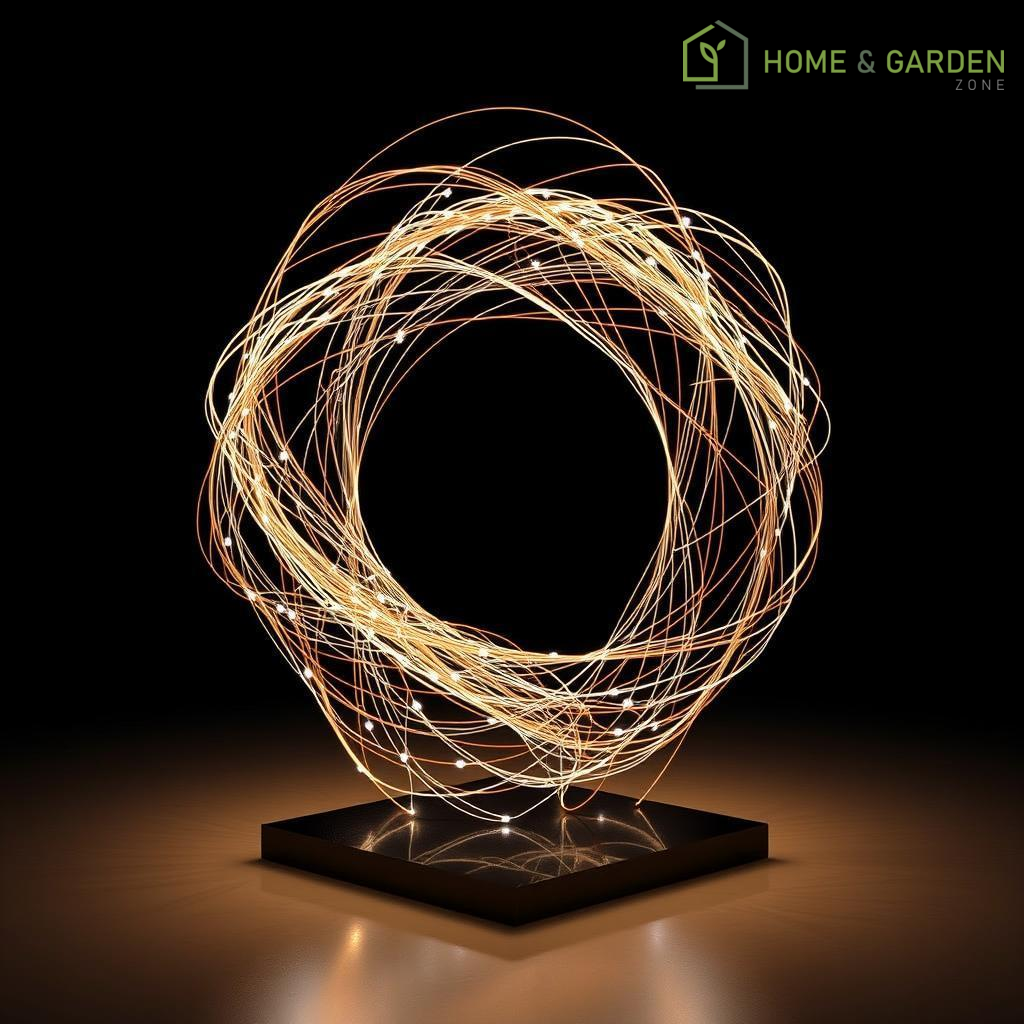
In an era often dominated by rapid technological advancement and the pursuit of purely functional innovation, Korean artist Yehwan Song emerges as a pivotal voice, advocating for a return to craftsmanship within the digital realm. Through her compelling interactive installations and digital art, Song meticulously reveals how technology, often perceived as an abstract and cold frontier, can be infused with profound care, rigorous experimentation, and distinct human intention.
Her work challenges the conventional understanding of code not merely as a utilitarian tool, but as a pliable, expressive material—akin to the clay of a sculptor or the pigments of a painter. Song’s approach transforms the invisible logic of algorithms into tangible, engaging experiences that invite audiences to rethink their relationship with the digital.
The Tactile Language of Code
Song’s installations frequently bridge the gap between the ephemeral nature of digital code and physical interaction. By designing systems that respond dynamically to human input, she makes the typically abstract processes of computation feel palpable. This tactility is not accidental; it is a deliberate artistic choice that underscores her philosophy: every digital interaction can and should be a crafted experience.
Her projects often feature interfaces that are intuitive yet unconventional, encouraging a playful exploration of how digital environments are constructed and perceived. This emphasis on hands-on engagement serves to demystify technology, presenting it not as an opaque black box, but as a landscape responsive to careful design and human touch.
Innovation as a Human-Centered Process
The prevailing narrative around innovation frequently prioritizes speed, scale, and disruption. Yehwan Song’s practice offers a radical counter-narrative. She posits that true innovation stems from thoughtful consideration, iterative refinement, and a deep understanding of human experience. Her art is an ongoing inquiry into what technology can achieve when its development is guided by artistic vision rather than purely commercial or efficiency-driven metrics.
By treating code and digital interfaces as objects of craft, Song invites a critical examination of the values embedded within technological products. She prompts viewers and participants to consider the implications of design choices and the often-unseen labor of creation, ultimately advocating for a more humane and intentional digital future.
Summary
Yehwan Song’s groundbreaking work exemplifies a powerful paradigm shift in how we perceive and interact with technology. By positioning code as a contemporary craft, she not only produces captivating digital art but also initiates a vital dialogue about the essence of innovation. Her installations underscore the importance of human intention, experimentation, and meticulous care in shaping digital experiences, offering a compelling vision for a more artful and humane technological landscape.
Resources
- Designboom | architecture & design magazine: Features on contemporary art and design, often covering artists like Yehwan Song.
- Creative Applications Network: A platform dedicated to art, media, and technology, frequently showcasing artists pushing creative coding boundaries.
- It's Nice That: An online publication championing creativity across various disciplines, including digital art and design, with artist interviews and project spotlights.
Details
Author




Latest articles


 }})
You can now watch HBO Max for $10
Redefining Technology Through Artistic Intent
In an era often dominated by rapid technological advancement and the pursuit of purely functional innovation, Korean artist Yehwan Song emerges as a pivotal voice, advocating for a return to craftsmanship within the digital realm. Through her compelling interactive installations and digital art, Song meticulously reveals how technology, often perceived as an abstract and cold frontier, can be infused with profound care, rigorous experimentation, and distinct human intention.
Her work challenges the conventional understanding of code not merely as a utilitarian tool, but as a pliable, expressive material—akin to the clay of a sculptor or the pigments of a painter. Song’s approach transforms the invisible logic of algorithms into tangible, engaging experiences that invite audiences to rethink their relationship with the digital.
The Tactile Language of Code
Song’s installations frequently bridge the gap between the ephemeral nature of digital code and physical interaction. By designing systems that respond dynamically to human input, she makes the typically abstract processes of computation feel palpable. This tactility is not accidental; it is a deliberate artistic choice that underscores her philosophy: every digital interaction can and should be a crafted experience.
Her projects often feature interfaces that are intuitive yet unconventional, encouraging a playful exploration of how digital environments are constructed and perceived. This emphasis on hands-on engagement serves to demystify technology, presenting it not as an opaque black box, but as a landscape responsive to careful design and human touch.
Innovation as a Human-Centered Process
The prevailing narrative around innovation frequently prioritizes speed, scale, and disruption. Yehwan Song’s practice offers a radical counter-narrative. She posits that true innovation stems from thoughtful consideration, iterative refinement, and a deep understanding of human experience. Her art is an ongoing inquiry into what technology can achieve when its development is guided by artistic vision rather than purely commercial or efficiency-driven metrics.
By treating code and digital interfaces as objects of craft, Song invites a critical examination of the values embedded within technological products. She prompts viewers and participants to consider the implications of design choices and the often-unseen labor of creation, ultimately advocating for a more humane and intentional digital future.
Summary
Yehwan Song’s groundbreaking work exemplifies a powerful paradigm shift in how we perceive and interact with technology. By positioning code as a contemporary craft, she not only produces captivating digital art but also initiates a vital dialogue about the essence of innovation. Her installations underscore the importance of human intention, experimentation, and meticulous care in shaping digital experiences, offering a compelling vision for a more artful and humane technological landscape.
Resources
- Designboom | architecture & design magazine: Features on contemporary art and design, often covering artists like Yehwan Song.
- Creative Applications Network: A platform dedicated to art, media, and technology, frequently showcasing artists pushing creative coding boundaries.
- It's Nice That: An online publication championing creativity across various disciplines, including digital art and design, with artist interviews and project spotlights.
Latest articles
You can now watch HBO Max for $10
Similar posts


This is a page that only logged-in people can visit. Don't you feel special? Try clicking on a button below to do some things you can't do when you're logged out.
Example modal
At your leisure, please peruse this excerpt from a whale of a tale.
Chapter 1: Loomings.
Call me Ishmael. Some years ago—never mind how long precisely—having little or no money in my purse, and nothing particular to interest me on shore, I thought I would sail about a little and see the watery part of the world. It is a way I have of driving off the spleen and regulating the circulation. Whenever I find myself growing grim about the mouth; whenever it is a damp, drizzly November in my soul; whenever I find myself involuntarily pausing before coffin warehouses, and bringing up the rear of every funeral I meet; and especially whenever my hypos get such an upper hand of me, that it requires a strong moral principle to prevent me from deliberately stepping into the street, and methodically knocking people's hats off—then, I account it high time to get to sea as soon as I can. This is my substitute for pistol and ball. With a philosophical flourish Cato throws himself upon his sword; I quietly take to the ship. There is nothing surprising in this. If they but knew it, almost all men in their degree, some time or other, cherish very nearly the same feelings towards the ocean with me.
Comment