Sam Sacks Reimagines a Toronto Townhouse: A Study in Transformative Design
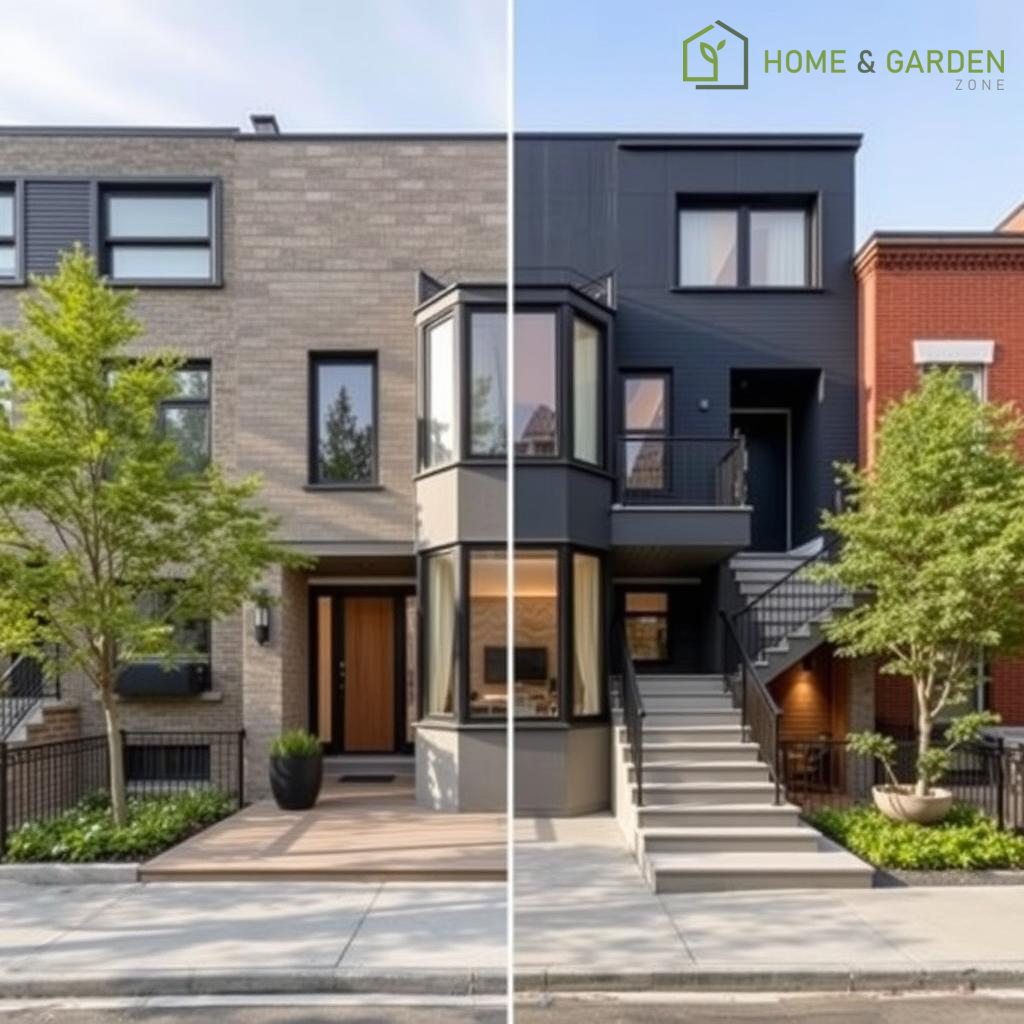
From Confines to Open Concept: A Toronto Townhouse Transformed
The journey of a Toronto townhouse from a collection of builder-grade limitations to a beacon of contemporary design is a testament to the power of visionary interior architecture. At the heart of this metamorphosis lies the work of Sam Sacks, whose recent project in Toronto involved dissecting and reimagining a property burdened by a restrictive structural wall, uninspired boxy pickets, and a pervasive palette of grey contractor finishes.
Challenging the Structural Status Quo
Often, structural elements dictate layout, imposing constraints that limit a home's potential. In this particular townhouse, a prominent structural wall was a significant impediment to achieving an open, fluid living space. Sacks’ approach wasn't merely decorative; it was fundamentally structural. By strategically addressing and, where feasible, re-engineering the load-bearing elements, the design team was able to liberate the floor plan. This critical intervention allowed for a more expansive connection between primary living areas, fostering a sense of spaciousness that was previously unattainable. The removal or modification of such a significant barrier not only enhanced the visual flow but also ushered in an abundance of natural light, fundamentally altering the home's ambiance.
Elevating Details: The Picket Line Reinvented
The ubiquitous "boxy pickets" common in many builder-grade homes often contribute to a visually heavy and uninspired aesthetic. Sacks recognized these elements as opportunities for refinement rather than mere functional necessities. The replacement of these standard pickets with thoughtfully designed alternatives—likely sleek, minimalist spindles or perhaps custom-fabricated screens—serves to elevate the home’s interior architecture. This attention to detail transforms a mundane safety feature into an integral design element, contributing to a more refined and intentional aesthetic that aligns with contemporary design principles.
Bidding Farewell to Contractor-Grade Finishes
The term "grey contractor finishes" often evokes a sense of neutrality that borders on blandness. Sacks systematically replaced these uninspired surfaces with a curated selection of materials that speak to quality, texture, and sophisticated design. This included a complete overhaul of flooring, wall treatments, and perhaps cabinetry and countertops. The shift from generic grey to a more considered palette—incorporating natural wood tones, custom paint hues, high-quality stone, and artisanal tiles—injects personality and warmth into the home. Every surface was re-evaluated, from the tactile experience of new railings to the visual impact of bespoke built-ins, culminating in a cohesive and luxurious environment that reflects a discerning eye for detail.
Summary
Sam Sacks' renovation of this Toronto townhouse is a compelling case study in how thoughtful design can transcend initial limitations. By methodically addressing structural constraints, refining ubiquitous architectural details, and elevating material selections, the project successfully transformed a generic space into a highly personalized and elegant dwelling. It underscores the importance of a holistic approach to renovation, where every element, from the largest structural change to the smallest finish, contributes to a unified and impactful design vision.
Resources
Details
Author


Latest articles



 }})
You can now watch HBO Max for $10
From Confines to Open Concept: A Toronto Townhouse Transformed
The journey of a Toronto townhouse from a collection of builder-grade limitations to a beacon of contemporary design is a testament to the power of visionary interior architecture. At the heart of this metamorphosis lies the work of Sam Sacks, whose recent project in Toronto involved dissecting and reimagining a property burdened by a restrictive structural wall, uninspired boxy pickets, and a pervasive palette of grey contractor finishes.
Challenging the Structural Status Quo
Often, structural elements dictate layout, imposing constraints that limit a home's potential. In this particular townhouse, a prominent structural wall was a significant impediment to achieving an open, fluid living space. Sacks’ approach wasn't merely decorative; it was fundamentally structural. By strategically addressing and, where feasible, re-engineering the load-bearing elements, the design team was able to liberate the floor plan. This critical intervention allowed for a more expansive connection between primary living areas, fostering a sense of spaciousness that was previously unattainable. The removal or modification of such a significant barrier not only enhanced the visual flow but also ushered in an abundance of natural light, fundamentally altering the home's ambiance.
Elevating Details: The Picket Line Reinvented
The ubiquitous "boxy pickets" common in many builder-grade homes often contribute to a visually heavy and uninspired aesthetic. Sacks recognized these elements as opportunities for refinement rather than mere functional necessities. The replacement of these standard pickets with thoughtfully designed alternatives—likely sleek, minimalist spindles or perhaps custom-fabricated screens—serves to elevate the home’s interior architecture. This attention to detail transforms a mundane safety feature into an integral design element, contributing to a more refined and intentional aesthetic that aligns with contemporary design principles.
Bidding Farewell to Contractor-Grade Finishes
The term "grey contractor finishes" often evokes a sense of neutrality that borders on blandness. Sacks systematically replaced these uninspired surfaces with a curated selection of materials that speak to quality, texture, and sophisticated design. This included a complete overhaul of flooring, wall treatments, and perhaps cabinetry and countertops. The shift from generic grey to a more considered palette—incorporating natural wood tones, custom paint hues, high-quality stone, and artisanal tiles—injects personality and warmth into the home. Every surface was re-evaluated, from the tactile experience of new railings to the visual impact of bespoke built-ins, culminating in a cohesive and luxurious environment that reflects a discerning eye for detail.
Summary
Sam Sacks' renovation of this Toronto townhouse is a compelling case study in how thoughtful design can transcend initial limitations. By methodically addressing structural constraints, refining ubiquitous architectural details, and elevating material selections, the project successfully transformed a generic space into a highly personalized and elegant dwelling. It underscores the importance of a holistic approach to renovation, where every element, from the largest structural change to the smallest finish, contributes to a unified and impactful design vision.
Resources
Latest articles
You can now watch HBO Max for $10
Similar posts


This is a page that only logged-in people can visit. Don't you feel special? Try clicking on a button below to do some things you can't do when you're logged out.
Example modal
At your leisure, please peruse this excerpt from a whale of a tale.
Chapter 1: Loomings.
Call me Ishmael. Some years ago—never mind how long precisely—having little or no money in my purse, and nothing particular to interest me on shore, I thought I would sail about a little and see the watery part of the world. It is a way I have of driving off the spleen and regulating the circulation. Whenever I find myself growing grim about the mouth; whenever it is a damp, drizzly November in my soul; whenever I find myself involuntarily pausing before coffin warehouses, and bringing up the rear of every funeral I meet; and especially whenever my hypos get such an upper hand of me, that it requires a strong moral principle to prevent me from deliberately stepping into the street, and methodically knocking people's hats off—then, I account it high time to get to sea as soon as I can. This is my substitute for pistol and ball. With a philosophical flourish Cato throws himself upon his sword; I quietly take to the ship. There is nothing surprising in this. If they but knew it, almost all men in their degree, some time or other, cherish very nearly the same feelings towards the ocean with me.
Comment