APOC Store Pioneers Hybrid Retail Model, Transforms London Boutique into Dynamic Gallery for Emerging Designers
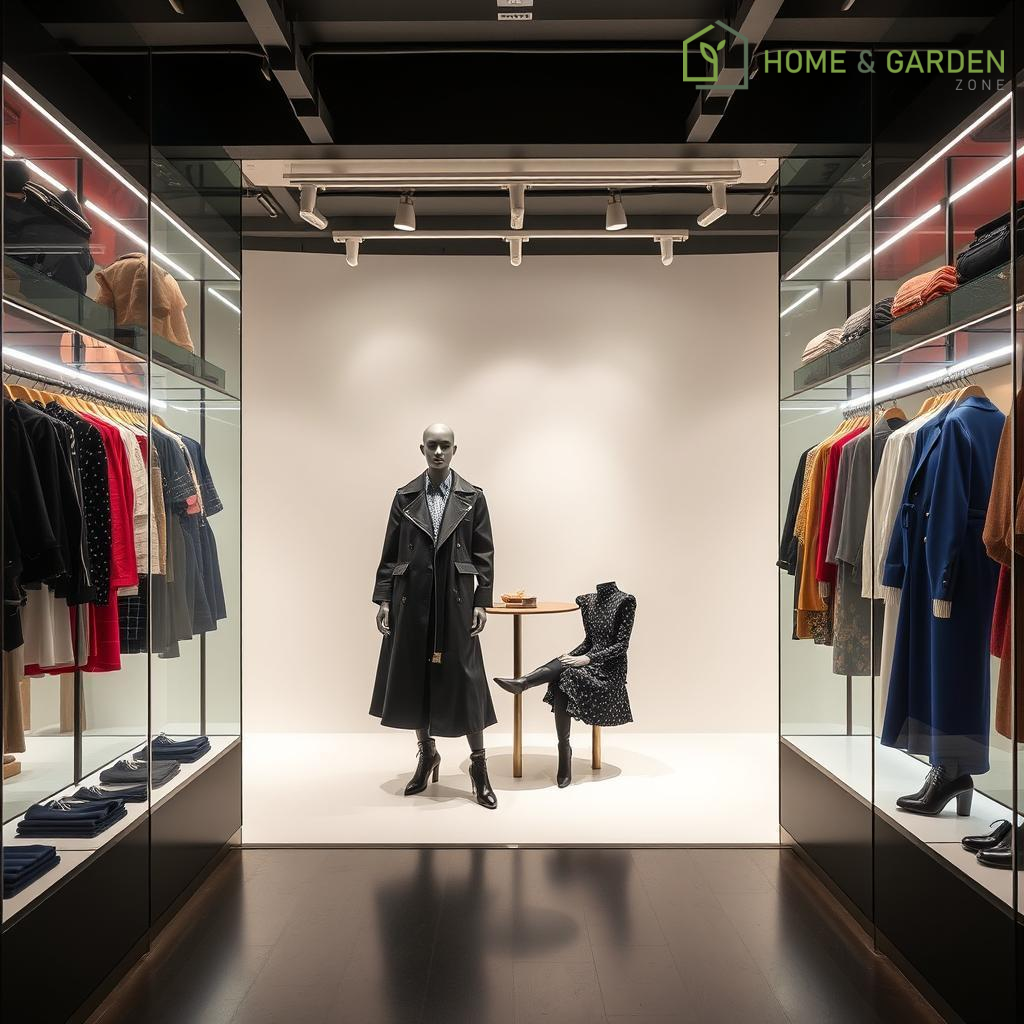
A New Paradigm for Independent Design Retail
In a bold move to navigate the increasingly complex landscape of contemporary design and retail, APOC Store, the avant-garde "curated marketplace," has reimagined its London boutique. The physical space now functions as a dynamic, rotating gallery, offering a vital platform for emerging independent designers amidst what founders describe as "incredibly challenging" industry conditions.
The Vision of a Curated Marketplace
Founded by Ying Chang and Rohan Kamdar, APOC Store established itself as a beacon for the unconventional, showcasing a meticulously selected array of fashion and furniture. From the sculptural latex trousers of Harikrishnan to the innovative cardboard stools by Ying Chang herself, the store has consistently championed creators pushing the boundaries of traditional design. This latest evolution of their brick-and-mortar presence underscores a foundational belief: that physical spaces must offer more than mere transaction in an age dominated by digital commerce.
Kamdar emphasizes the critical role of tactile experience and direct engagement, stating, "For emerging talents, gaining visibility and connecting with an audience beyond a screen is paramount. Our transformed boutique isn't just a shop; it's an immersive environment where design narratives unfold and conversations begin."
Addressing Industry Headwinds
The decision to pivot towards a gallery-centric model comes at a time when independent designers face significant hurdles, including rising production costs, fierce competition, and the perennial challenge of securing adequate retail exposure. By adopting a rotating exhibition format, APOC Store provides a low-barrier, high-impact opportunity for creatives who might otherwise struggle to finance or secure dedicated gallery space.
This initiative not only offers a lifeline to nascent brands but also enriches the consumer experience. Visitors to the London boutique are no longer just shoppers; they become patrons of discovery, exposed to a constantly evolving roster of groundbreaking work. This model fosters a deeper appreciation for the artistry and craftsmanship inherent in independent design, moving beyond fast-fashion consumerism towards a more considered engagement with creative output.
The Gallery Experience: A Cycle of Innovation
Each rotation within the APOC Store gallery promises a fresh curatorial perspective, highlighting different aspects of contemporary design, material innovation, or conceptual themes. This ensures a perpetual state of newness for repeat visitors and creates a vibrant hub for London's design community. The informal setting encourages exploration and interaction, breaking down the often intimidating barriers of traditional art galleries.
The integration of product sales within this exhibition framework allows designers to generate revenue directly, sustaining their practice while simultaneously building their profile. It’s a symbiotic relationship that benefits creators, consumers, and the broader creative ecosystem.
Summary
APOC Store's transformation of its London boutique into a dynamic, rotating gallery represents a significant innovation in retail and a profound commitment to supporting independent designers. By blending commerce with curation, the store provides essential visibility and a tangible platform for emerging talent, effectively addressing current industry challenges. This hybrid model not only enhances the shopping experience but also cultivates a more robust and accessible environment for the appreciation and acquisition of unique, forward-thinking design.
Resources
- Dezeen: A leading online architecture and design magazine, often features profiles of APOC Store and its designers.
- Business of Fashion (BoF): Provides in-depth analysis of the fashion industry, including challenges faced by independent brands.
- The Design Council: A UK organisation that champions design and its impact on society and the economy.
Details
Author


Latest articles

 }})
You can now watch HBO Max for $10
A New Paradigm for Independent Design Retail
In a bold move to navigate the increasingly complex landscape of contemporary design and retail, APOC Store, the avant-garde "curated marketplace," has reimagined its London boutique. The physical space now functions as a dynamic, rotating gallery, offering a vital platform for emerging independent designers amidst what founders describe as "incredibly challenging" industry conditions.
The Vision of a Curated Marketplace
Founded by Ying Chang and Rohan Kamdar, APOC Store established itself as a beacon for the unconventional, showcasing a meticulously selected array of fashion and furniture. From the sculptural latex trousers of Harikrishnan to the innovative cardboard stools by Ying Chang herself, the store has consistently championed creators pushing the boundaries of traditional design. This latest evolution of their brick-and-mortar presence underscores a foundational belief: that physical spaces must offer more than mere transaction in an age dominated by digital commerce.
Kamdar emphasizes the critical role of tactile experience and direct engagement, stating, "For emerging talents, gaining visibility and connecting with an audience beyond a screen is paramount. Our transformed boutique isn't just a shop; it's an immersive environment where design narratives unfold and conversations begin."
Addressing Industry Headwinds
The decision to pivot towards a gallery-centric model comes at a time when independent designers face significant hurdles, including rising production costs, fierce competition, and the perennial challenge of securing adequate retail exposure. By adopting a rotating exhibition format, APOC Store provides a low-barrier, high-impact opportunity for creatives who might otherwise struggle to finance or secure dedicated gallery space.
This initiative not only offers a lifeline to nascent brands but also enriches the consumer experience. Visitors to the London boutique are no longer just shoppers; they become patrons of discovery, exposed to a constantly evolving roster of groundbreaking work. This model fosters a deeper appreciation for the artistry and craftsmanship inherent in independent design, moving beyond fast-fashion consumerism towards a more considered engagement with creative output.
The Gallery Experience: A Cycle of Innovation
Each rotation within the APOC Store gallery promises a fresh curatorial perspective, highlighting different aspects of contemporary design, material innovation, or conceptual themes. This ensures a perpetual state of newness for repeat visitors and creates a vibrant hub for London's design community. The informal setting encourages exploration and interaction, breaking down the often intimidating barriers of traditional art galleries.
The integration of product sales within this exhibition framework allows designers to generate revenue directly, sustaining their practice while simultaneously building their profile. It’s a symbiotic relationship that benefits creators, consumers, and the broader creative ecosystem.
Summary
APOC Store's transformation of its London boutique into a dynamic, rotating gallery represents a significant innovation in retail and a profound commitment to supporting independent designers. By blending commerce with curation, the store provides essential visibility and a tangible platform for emerging talent, effectively addressing current industry challenges. This hybrid model not only enhances the shopping experience but also cultivates a more robust and accessible environment for the appreciation and acquisition of unique, forward-thinking design.
Resources
- Dezeen: A leading online architecture and design magazine, often features profiles of APOC Store and its designers.
- Business of Fashion (BoF): Provides in-depth analysis of the fashion industry, including challenges faced by independent brands.
- The Design Council: A UK organisation that champions design and its impact on society and the economy.
Latest articles
You can now watch HBO Max for $10
Similar posts

This is a page that only logged-in people can visit. Don't you feel special? Try clicking on a button below to do some things you can't do when you're logged out.
Example modal
At your leisure, please peruse this excerpt from a whale of a tale.
Chapter 1: Loomings.
Call me Ishmael. Some years ago—never mind how long precisely—having little or no money in my purse, and nothing particular to interest me on shore, I thought I would sail about a little and see the watery part of the world. It is a way I have of driving off the spleen and regulating the circulation. Whenever I find myself growing grim about the mouth; whenever it is a damp, drizzly November in my soul; whenever I find myself involuntarily pausing before coffin warehouses, and bringing up the rear of every funeral I meet; and especially whenever my hypos get such an upper hand of me, that it requires a strong moral principle to prevent me from deliberately stepping into the street, and methodically knocking people's hats off—then, I account it high time to get to sea as soon as I can. This is my substitute for pistol and ball. With a philosophical flourish Cato throws himself upon his sword; I quietly take to the ship. There is nothing surprising in this. If they but knew it, almost all men in their degree, some time or other, cherish very nearly the same feelings towards the ocean with me.
Comment