Sculpted Serenity: Unveiling the Transformative Power of Art in America's Gardens, from Oakland's Urban Canvas to Buffalo's Botanical Grandeur
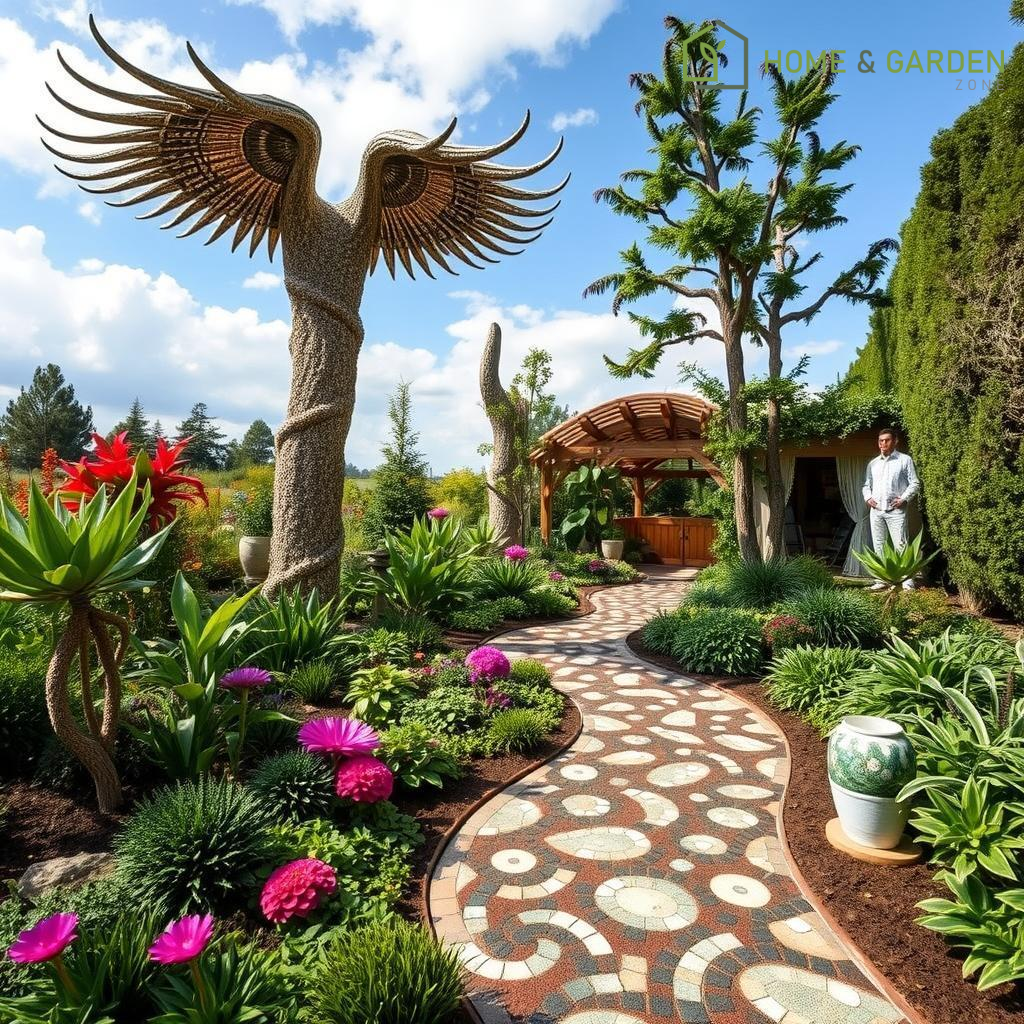
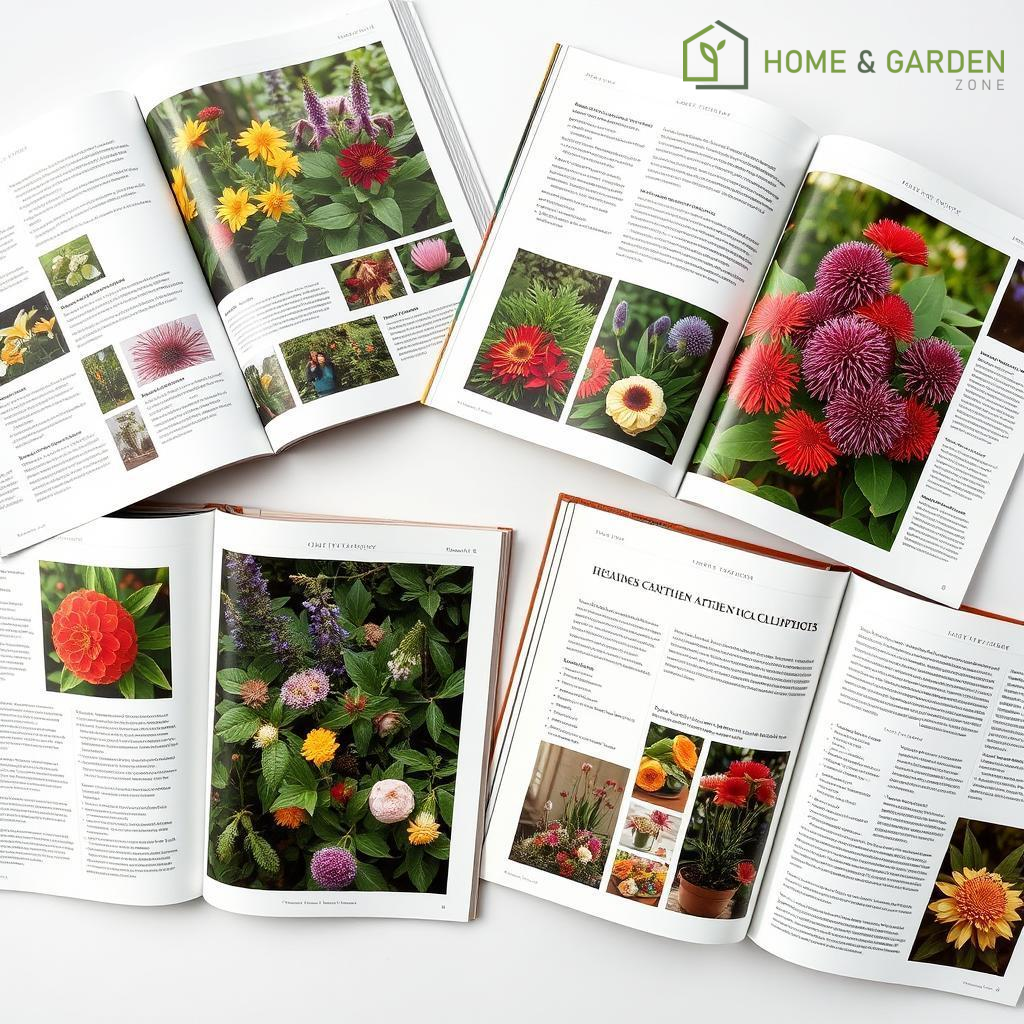
As a seasoned observer of botanical aesthetics and urban green spaces, I often find myself unearthing compelling narratives within the vast archives of garden photography. Following a recent deep dive into tagging thousands of images—a process made far more efficient thanks to Ben's insightful software-free tips—I’ve curated a collection that highlights the extraordinary synergy between art and horticulture. This time, our journey explores what art truly does for gardens, beginning a visual circuit from the vibrant West Coast to the historic East, examining unique expressions in Oakland, CA; Raleigh, NC; Portland, OR; Greenbelt, MD; and Buffalo, NY. These instances, much like a previous feature, began as incidental discoveries during photo categorization, evolving into a profound appreciation for the deliberate and often surprising placement of artistic interventions in natural settings.
The Synergistic Relationship of Art and Nature
The integration of art into garden spaces transcends mere decoration; it is a profound act of synthesis, merging human creativity with the organic dynamism of nature. Art provides focal points, creates narrative pathways, evokes emotional responses, and often acts as a bridge between the cultivated and the wild. It transforms a green space from a simple collection of plants into an intentional experience, inviting contemplation, joy, or even critical reflection. Whether it's a monumental sculpture, a whimsical found-object installation, or an intricately designed gate, art breathes another dimension into the garden, elevating it beyond botanical display to cultural expression.
Case Studies: Artistry Across American Gardens
Oakland, CA: Urban Canvases and Community Spirit
In Oakland, the interplay of art and gardens often mirrors the city's diverse and dynamic cultural fabric. From elaborate murals gracing community garden walls to repurposed sculptures nestled amidst urban plots, art serves as a powerful testament to local identity and resilience. These artistic interventions frequently transform utilitarian spaces into vibrant gathering points, fostering a sense of ownership and collective beauty. Art in Oakland's gardens doesn't just beautify; it tells stories of community activism, cultural heritage, and the ever-present dialogue between urban life and natural aspiration.
Raleigh, NC: Arboreal Elegance Meets Sculptural Form
Raleigh’s green spaces, particularly those associated with academic institutions like the J.C. Raulston Arboretum at North Carolina State University, often demonstrate a more formal integration of art. Here, carefully selected sculptures and installations are placed to complement the botanical collections, providing visual anchors and interpretive layers. Art in these gardens can highlight specific horticultural themes, offer moments of quiet reflection, or introduce a contemporary edge to classic landscape design. It’s a thoughtful conversation between the structured forms of art and the evolving shapes of nature.
Portland, OR: Quirky Creativity in Verdant Settings
Portland, a city celebrated for its individuality and artistic innovation, presents gardens where art often takes on an eclectic and highly personal character. Beyond the serene, meticulously curated elements in spaces like the Portland Japanese Garden, one finds a delightful array of whimsical, repurposed, and often provocative art in public and private gardens alike. From large-scale mosaic benches to unexpected installations crafted from recycled materials, art in Portland’s gardens champions individuality, sustainability, and a playful dialogue with the environment. It challenges conventions and celebrates the unique spirit of the Pacific Northwest.
Greenbelt, MD: Heritage and Harmony in Planned Landscapes
As a historic planned community, Greenbelt’s gardens and public spaces often reflect its foundational principles of community and thoughtful integration with nature. Artistic elements here tend to be less about grand statements and more about harmonious integration, emphasizing community identity and historical narrative. This might manifest as subtle sculptural pieces in common gardens, historical markers integrated into landscape design, or murals that depict the community’s origins. Art in Greenbelt’s gardens subtly reinforces its unique legacy and fosters a collective appreciation for shared green spaces.
Buffalo, NY: Renaissance and Horticultural Grandeur
Buffalo's resurgence has seen a renewed appreciation for its historic green infrastructure, including the magnificent Buffalo and Erie County Botanical Gardens. Here, art often plays a role in enhancing the grandeur of the Victorian-era conservatory or complements outdoor themed gardens. Temporary exhibitions and permanent installations contribute to the educational and aesthetic mission, providing new perspectives on botanical diversity. In Buffalo, art in gardens symbolizes revitalization, connecting the city’s rich past with its vibrant future.
Summary
The journey through these diverse American gardens reveals a consistent truth: art, in all its forms, possesses an extraordinary capacity to enrich and redefine our experience of green spaces. From fostering community engagement in Oakland to providing contemplative focal points in Raleigh, expressing regional character in Portland, reflecting heritage in Greenbelt, and celebrating revitalization in Buffalo, art transforms gardens into living galleries. It elevates botanical displays into profound cultural statements, inviting deeper interaction and fostering a more meaningful connection between humanity and the natural world. These examples underscore that art is not merely an addition to the garden; it is an intrinsic element that amplifies its beauty, narrative, and spirit.
Resources
Details
Author




Latest articles





 }})
You can now watch HBO Max for $10
As a seasoned observer of botanical aesthetics and urban green spaces, I often find myself unearthing compelling narratives within the vast archives of garden photography. Following a recent deep dive into tagging thousands of images—a process made far more efficient thanks to Ben's insightful software-free tips—I’ve curated a collection that highlights the extraordinary synergy between art and horticulture. This time, our journey explores what art truly does for gardens, beginning a visual circuit from the vibrant West Coast to the historic East, examining unique expressions in Oakland, CA; Raleigh, NC; Portland, OR; Greenbelt, MD; and Buffalo, NY. These instances, much like a previous feature, began as incidental discoveries during photo categorization, evolving into a profound appreciation for the deliberate and often surprising placement of artistic interventions in natural settings.
The Synergistic Relationship of Art and Nature
The integration of art into garden spaces transcends mere decoration; it is a profound act of synthesis, merging human creativity with the organic dynamism of nature. Art provides focal points, creates narrative pathways, evokes emotional responses, and often acts as a bridge between the cultivated and the wild. It transforms a green space from a simple collection of plants into an intentional experience, inviting contemplation, joy, or even critical reflection. Whether it's a monumental sculpture, a whimsical found-object installation, or an intricately designed gate, art breathes another dimension into the garden, elevating it beyond botanical display to cultural expression.
Case Studies: Artistry Across American Gardens
Oakland, CA: Urban Canvases and Community Spirit
In Oakland, the interplay of art and gardens often mirrors the city's diverse and dynamic cultural fabric. From elaborate murals gracing community garden walls to repurposed sculptures nestled amidst urban plots, art serves as a powerful testament to local identity and resilience. These artistic interventions frequently transform utilitarian spaces into vibrant gathering points, fostering a sense of ownership and collective beauty. Art in Oakland's gardens doesn't just beautify; it tells stories of community activism, cultural heritage, and the ever-present dialogue between urban life and natural aspiration.
Raleigh, NC: Arboreal Elegance Meets Sculptural Form
Raleigh’s green spaces, particularly those associated with academic institutions like the J.C. Raulston Arboretum at North Carolina State University, often demonstrate a more formal integration of art. Here, carefully selected sculptures and installations are placed to complement the botanical collections, providing visual anchors and interpretive layers. Art in these gardens can highlight specific horticultural themes, offer moments of quiet reflection, or introduce a contemporary edge to classic landscape design. It’s a thoughtful conversation between the structured forms of art and the evolving shapes of nature.
Portland, OR: Quirky Creativity in Verdant Settings
Portland, a city celebrated for its individuality and artistic innovation, presents gardens where art often takes on an eclectic and highly personal character. Beyond the serene, meticulously curated elements in spaces like the Portland Japanese Garden, one finds a delightful array of whimsical, repurposed, and often provocative art in public and private gardens alike. From large-scale mosaic benches to unexpected installations crafted from recycled materials, art in Portland’s gardens champions individuality, sustainability, and a playful dialogue with the environment. It challenges conventions and celebrates the unique spirit of the Pacific Northwest.
Greenbelt, MD: Heritage and Harmony in Planned Landscapes
As a historic planned community, Greenbelt’s gardens and public spaces often reflect its foundational principles of community and thoughtful integration with nature. Artistic elements here tend to be less about grand statements and more about harmonious integration, emphasizing community identity and historical narrative. This might manifest as subtle sculptural pieces in common gardens, historical markers integrated into landscape design, or murals that depict the community’s origins. Art in Greenbelt’s gardens subtly reinforces its unique legacy and fosters a collective appreciation for shared green spaces.
Buffalo, NY: Renaissance and Horticultural Grandeur
Buffalo's resurgence has seen a renewed appreciation for its historic green infrastructure, including the magnificent Buffalo and Erie County Botanical Gardens. Here, art often plays a role in enhancing the grandeur of the Victorian-era conservatory or complements outdoor themed gardens. Temporary exhibitions and permanent installations contribute to the educational and aesthetic mission, providing new perspectives on botanical diversity. In Buffalo, art in gardens symbolizes revitalization, connecting the city’s rich past with its vibrant future.
Summary
The journey through these diverse American gardens reveals a consistent truth: art, in all its forms, possesses an extraordinary capacity to enrich and redefine our experience of green spaces. From fostering community engagement in Oakland to providing contemplative focal points in Raleigh, expressing regional character in Portland, reflecting heritage in Greenbelt, and celebrating revitalization in Buffalo, art transforms gardens into living galleries. It elevates botanical displays into profound cultural statements, inviting deeper interaction and fostering a more meaningful connection between humanity and the natural world. These examples underscore that art is not merely an addition to the garden; it is an intrinsic element that amplifies its beauty, narrative, and spirit.
Resources
Latest articles
You can now watch HBO Max for $10
Similar posts
This is a page that only logged-in people can visit. Don't you feel special? Try clicking on a button below to do some things you can't do when you're logged out.
Example modal
At your leisure, please peruse this excerpt from a whale of a tale.
Chapter 1: Loomings.
Call me Ishmael. Some years ago—never mind how long precisely—having little or no money in my purse, and nothing particular to interest me on shore, I thought I would sail about a little and see the watery part of the world. It is a way I have of driving off the spleen and regulating the circulation. Whenever I find myself growing grim about the mouth; whenever it is a damp, drizzly November in my soul; whenever I find myself involuntarily pausing before coffin warehouses, and bringing up the rear of every funeral I meet; and especially whenever my hypos get such an upper hand of me, that it requires a strong moral principle to prevent me from deliberately stepping into the street, and methodically knocking people's hats off—then, I account it high time to get to sea as soon as I can. This is my substitute for pistol and ball. With a philosophical flourish Cato throws himself upon his sword; I quietly take to the ship. There is nothing surprising in this. If they but knew it, almost all men in their degree, some time or other, cherish very nearly the same feelings towards the ocean with me.
Comment